There is something quietly commanding about a woman who can remove half her wardrobe and still hold the frame entirely. Hailey Bieber did exactly that for Alaïa's Summer 2026 campaign, posing without pants in a collection that has always understood the architecture of the body better than most. The images feel less like a campaign and more like a state of being — composed, unhurried, utterly sure of itself. It is the kind of visual language that does not ask for your approval. It simply assumes you understand.
This was also Pieter Mulier's final creative chapter with the maison, and knowing that changes the way you read every frame. There is a finality here that elevates the work beyond seasonal imagery. It carries the weight of someone who understood what Alaïa could be and chose to leave it in a moment of clarity rather than drag it through compromise. If you followed Mulier's trajectory through Hailey Bieber Takes On Alaïa Minimalism for Summer, you already sensed this was a creative partnership operating on a frequency most fashion houses rarely reach — one where restraint is the statement and the silhouette does all the speaking. That editorial instinct has now culminated in something that feels like both a closing chapter and a definitive signature.
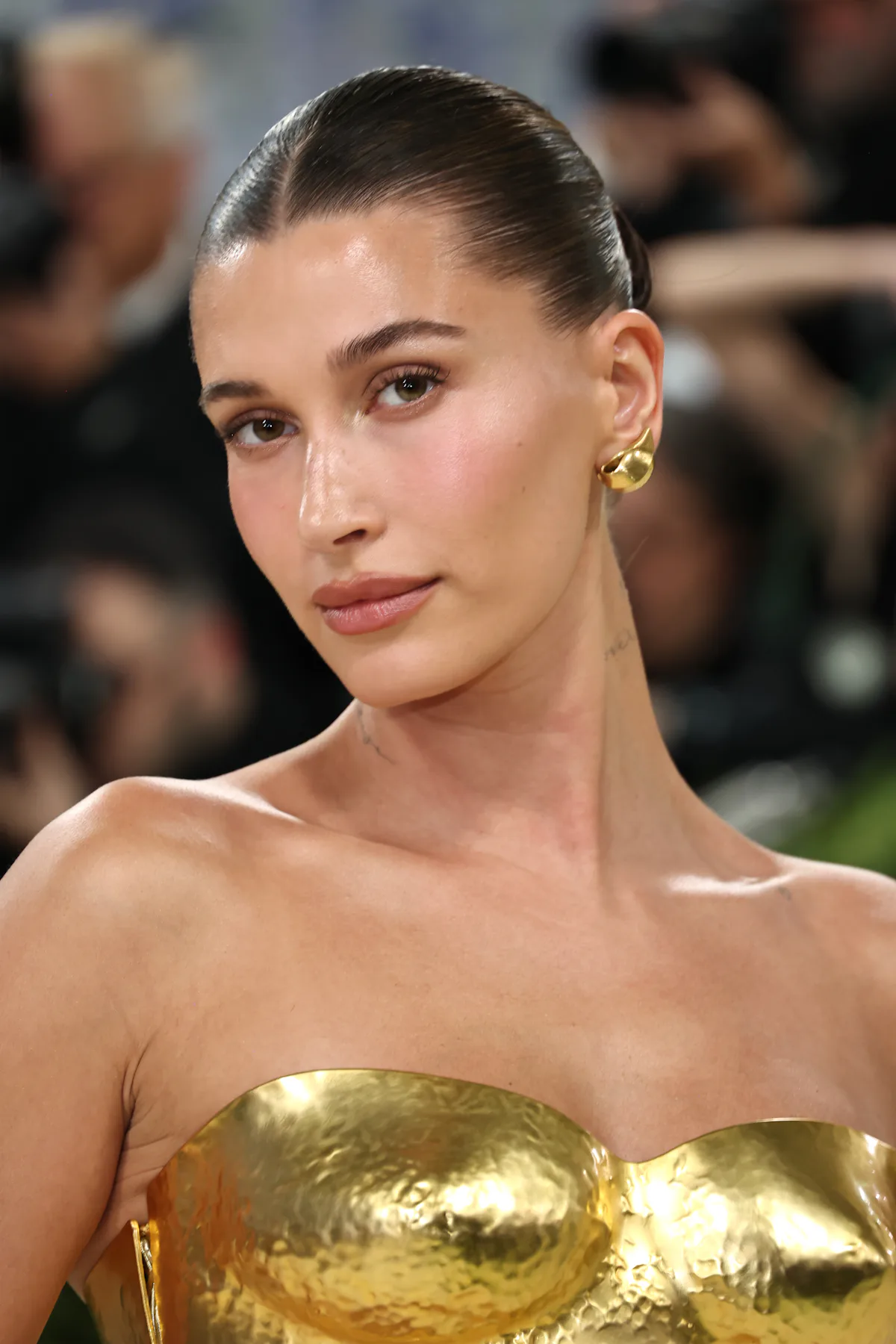
What makes this campaign matter, beyond its visual elegance, is what it signals about the shifting nature of influence. Hailey Bieber is no longer simply a face. She is a cultural position — someone who moves between the Met Gala in custom gold breastplates, the cover of Time's Most Influential Companies issue, and an Alaïa campaign with the same quiet fluency. She does not translate herself for each context. She simply exists in a lane so defined that every door she opens feels inevitable rather than strategic. That is not celebrity. That is presence. And in fashion, presence is the rarest currency.
For the broader conversation around fashion campaigns and who gets to embody luxury in 2026 and beyond, this moment raises a question worth sitting with. As creative directors come and go, as houses search for voices that can carry legacy without mimicking it, the real marker of success may no longer be the collection itself but the feeling it leaves behind. Mulier's final act with Alaïa does not scream legacy. It whispers it. And perhaps that whisper is exactly what fashion needs more of — a reminder that confidence does not require volume, and that the most enduring images are the ones that let you project yourself into them without instruction.
The question now is not what Alaïa does next. It is whether anyone stepping into that creative role will understand that the standard was never about the clothes. It was about the silence around them.