Hold the Black Shoes—This Elegant Sandal Colour Trend Makes Summer Dresses Look Chicest
Our take
The fashion landscape is perpetually shifting, and the recent reassessment of a seemingly ubiquitous pairing – black sandals with summer dresses – speaks volumes about the evolving sensibilities of modern style. For years, black has reigned supreme as the neutral foundation of countless wardrobes, a reliable choice for its versatility. However, the argument presented against its dominance with lighter summer fabrics resonates deeply. The starkness of black against the delicate pastels and airy whites that define the season can disrupt the intended mood, creating a visual tension rather than harmony. It's a subtle shift, but one that signals a broader movement towards a more considered, nuanced approach to styling – a move away from simply following trends and towards cultivating a more personal and intentional aesthetic. This echoes a sentiment explored in [Forget Paris—Buyers, Tastemakers, and Trend Forecasters Are Saying Spring 2027 Trends Start in This City], which highlights a growing emphasis on discerning choices over blindly adopting prevailing fashions.
The rejection of black sandals isn't simply about aesthetics; it’s about embracing a feeling. It's about allowing the inherent lightness and joy of summer to shine through, unburdened by a grounding element that feels somewhat out of place. The implication is that the "rules" of fashion are becoming more fluid, encouraging experimentation and a greater appreciation for how different colors and textures interact to create a cohesive and emotive look. This aligns with the broader trend of prioritizing mood and atmosphere over rigid adherence to seasonal color palettes. The move towards alternative sandal colors – soft metallics, earthy tones, even muted jewel tones – reflects a desire for a more harmonious and considered visual narrative. As we see the shift in what’s considered “chic,” it's interesting to consider how this sentiment plays into the rise of nail trends highlighted in [Fall Manicure Trends Are Making Noise in the Best Nail Looks of the Week], both reflecting an increasing attention to detail and the desire for subtle, yet impactful, style choices.
This isn’t a dismissal of black entirely, but rather a recognition that its power lies in specific contexts. Black sandals will undoubtedly remain a staple, but perhaps their reign as the default summer pairing is coming to an end. The emergence of alternative colors underscores a broader shift towards a more sophisticated and self-aware approach to styling. It’s about understanding how colors affect mood and how they can be used to enhance, rather than detract from, the overall aesthetic. This is particularly relevant to the modern muse, who prioritizes intentionality and self-expression over fleeting trends. It’s a move away from the often-aggressive pursuit of “cool” and towards a quieter, more confident sense of style, one that is rooted in personal preference and a deep understanding of the visual language of fashion. The desire for authenticity and connection is also evident in the appeal of experiences like those documented in [I Just Went to Paris for the First Time—9 French Things I Was Told to Buy and 5 I Actually Did], where curated moments and personal discoveries hold greater weight than mass-produced trends.
Ultimately, this seemingly small shift in footwear preference reveals a larger cultural conversation about style, intention, and the pursuit of a refined aesthetic. The move away from black sandals and towards softer, more nuanced color choices signals a rejection of the overly-polished, almost sterile, look that has dominated fashion for so long. It’s an embrace of warmth, individuality, and a sense of effortless elegance. The question now is: will this color shift extend beyond sandals, influencing other key summer accessories and paving the way for a season defined by subtle, yet significant, stylistic evolutions?
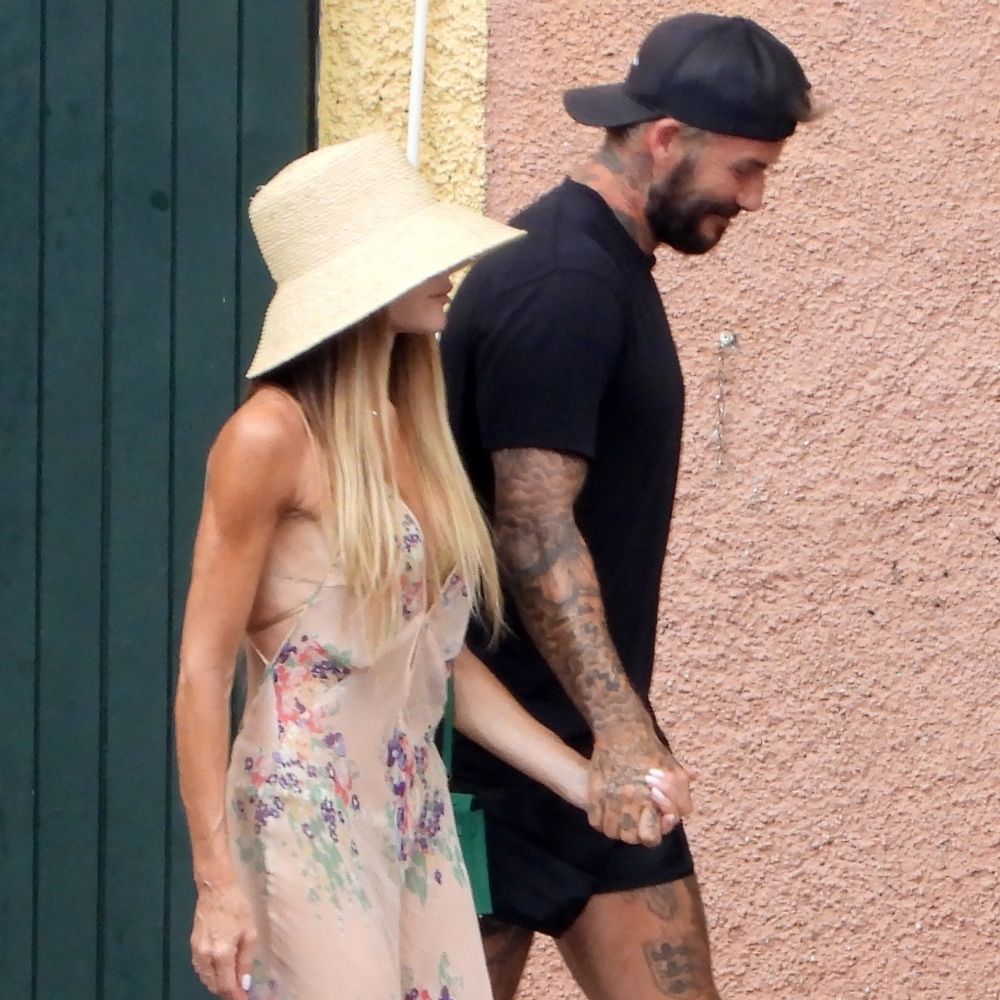
Despite their prevalence, I’ve always found black sandals a little jarring when worn with light summer dresses. Against the fresh whites, pale peaches and soft hues that dominate our summer wardrobes, they can feel a little stark, and I’ve never quite understood why they’ve become the go-to pairing for the season. Instead, I’ve always found their softer brown counterparts to be a far more natural match. Case in point: Victoria Beckham, who this week stepped out on holiday styling a boho-inspired maxi dress with the chicest sandal colour trend.
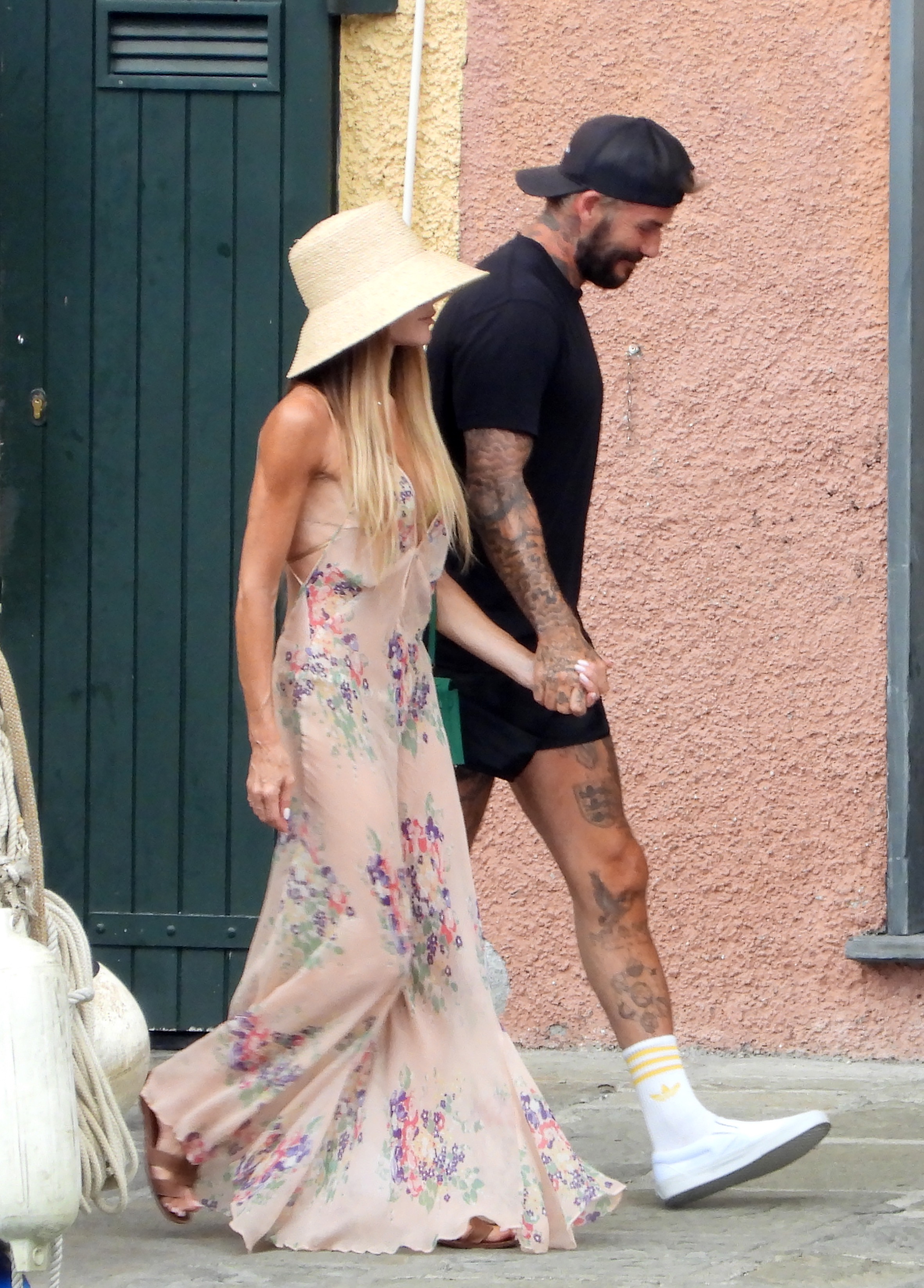
Choosing a long-line style that cascaded down to her ankles, Victoria’s dress was rendered in a pretty pale beige, peppered with floral embellishments that added a feminine, bohemian feel. With its slightly sheer finish, there was a natural lightness to the dress that, had she paired it with black sandals, could have felt a little mismatched. Instead, her warm brown sandals complemented the softer tones beautifully, grounding the look without making it feel too matchy-matchy.
Before summer draws to a close, I’ll be giving my summer dresses one more whirl with this chic sandal colour trend. If you’re thinking the same, read on to shop my edit of the best brown sandals below.
Shop Brown Sandals:
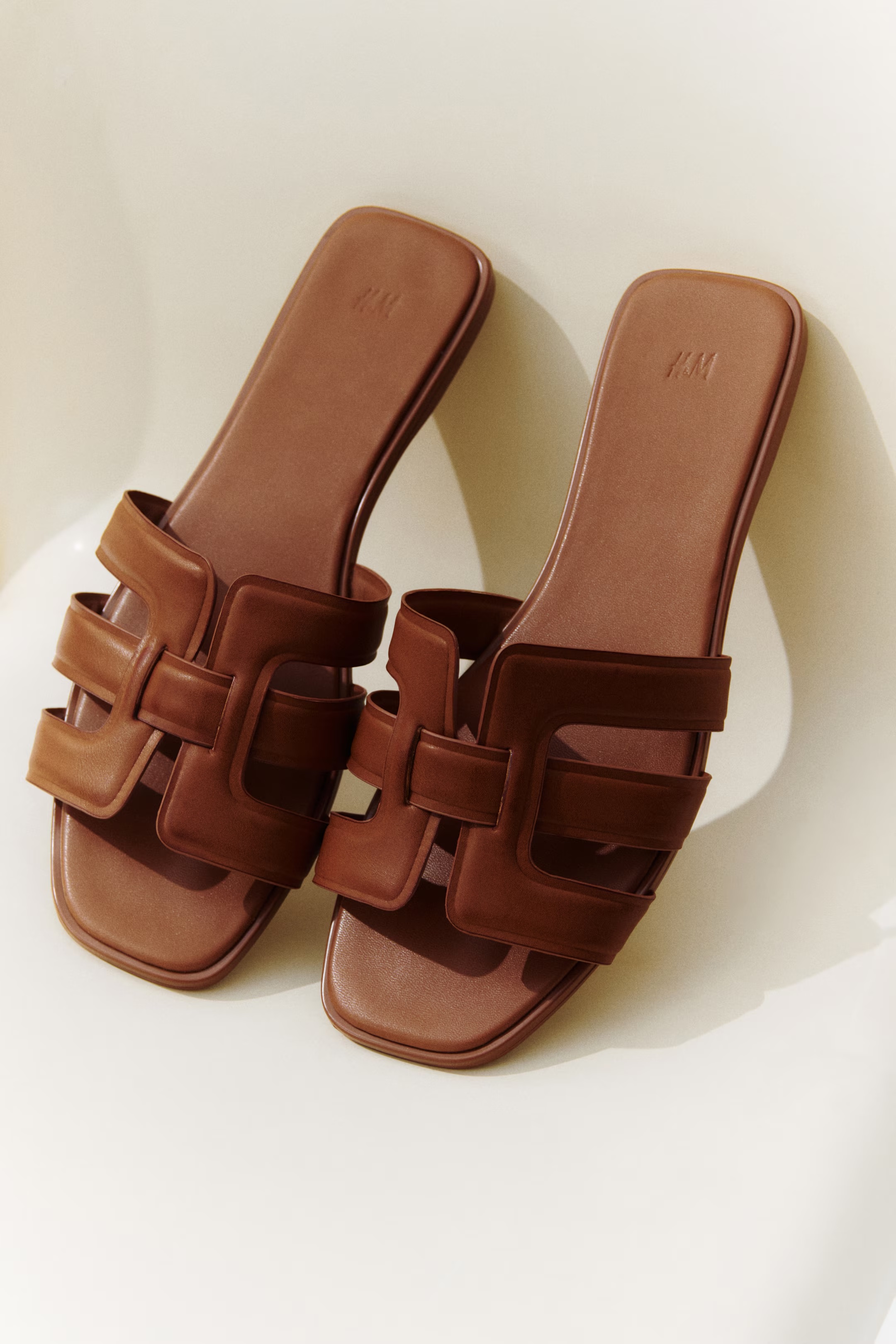
Style with a sheer maxi to get Victoria's look.
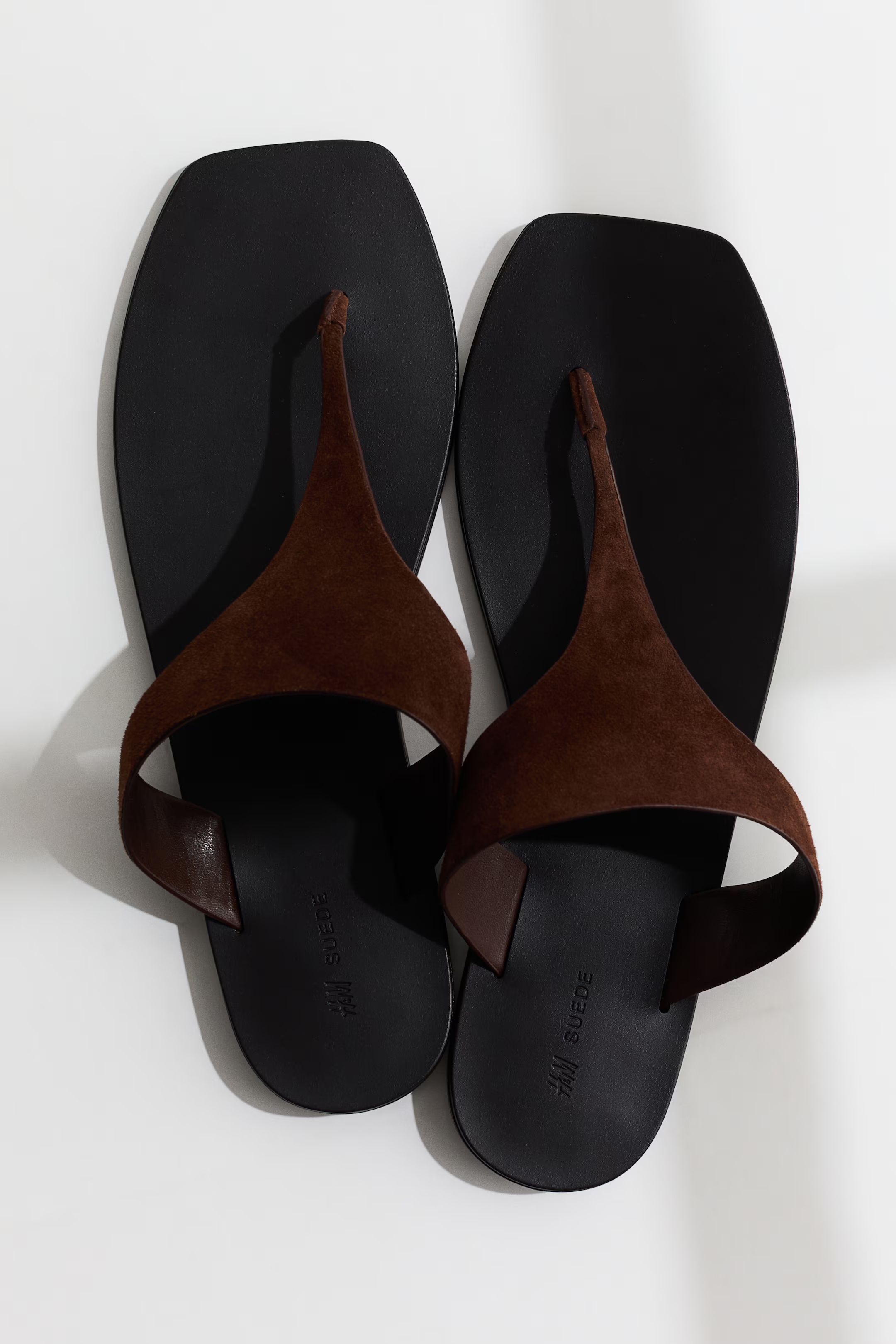
The suede composition lends these such an elevated edge.

Less harsh than black, the brown finish works so well with lighter summer shades.
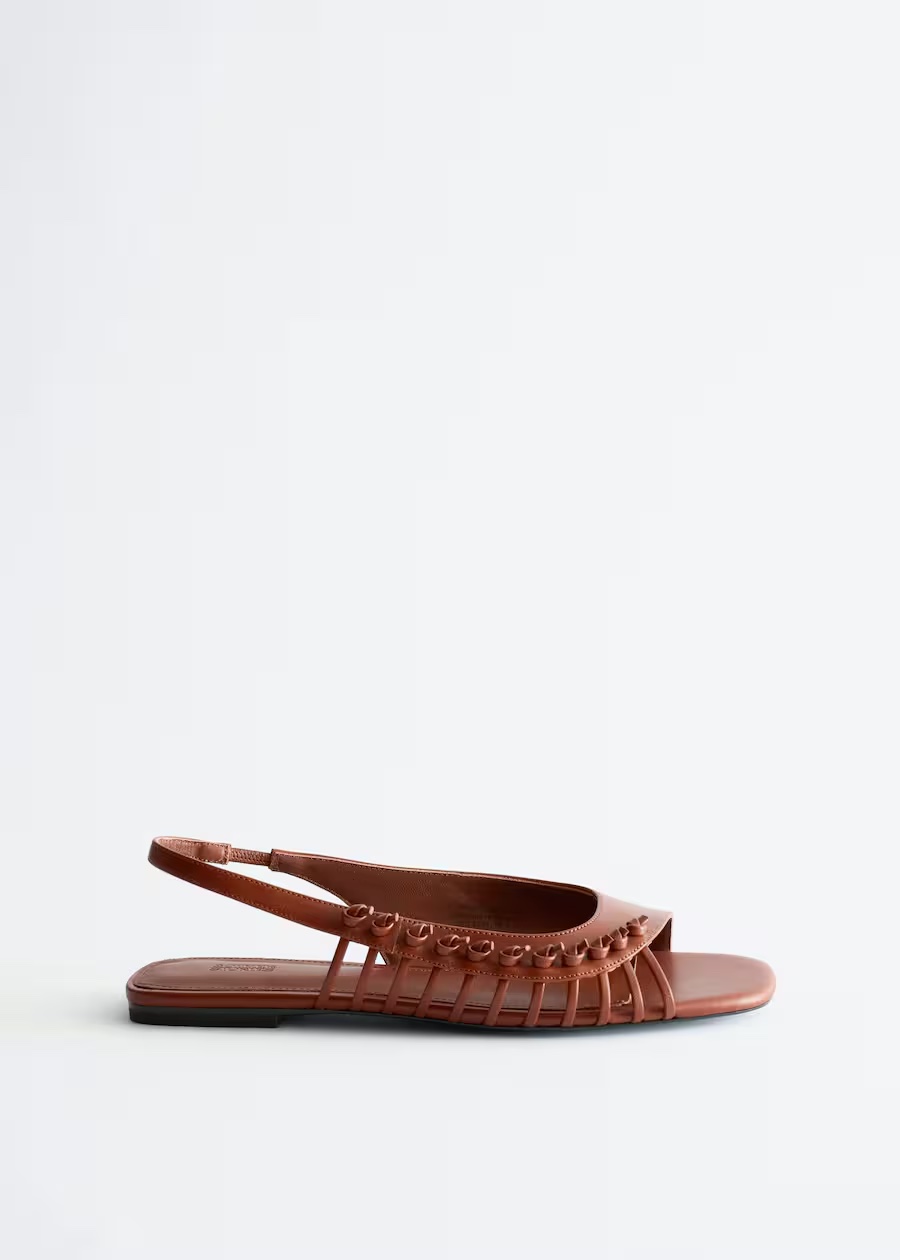
Be quick! I can't see these staying in stock for long.
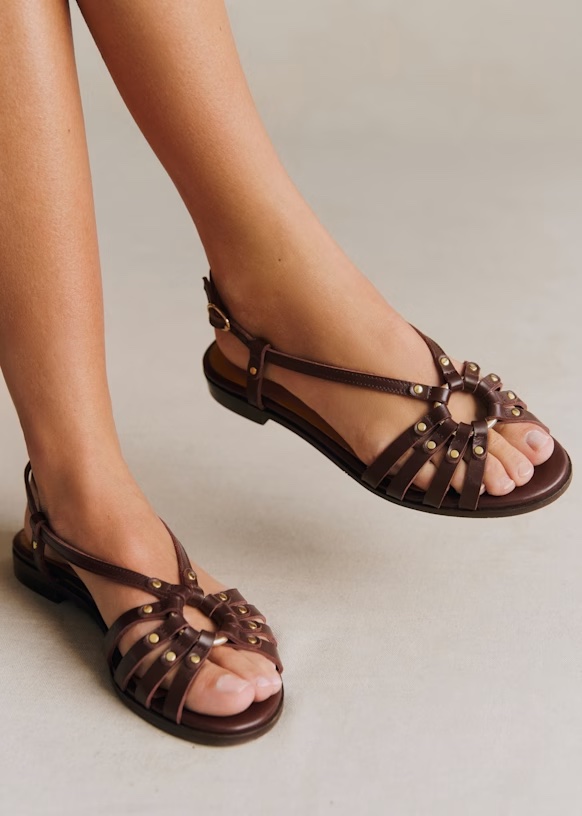
Style these with jeans once autumn rolls around.
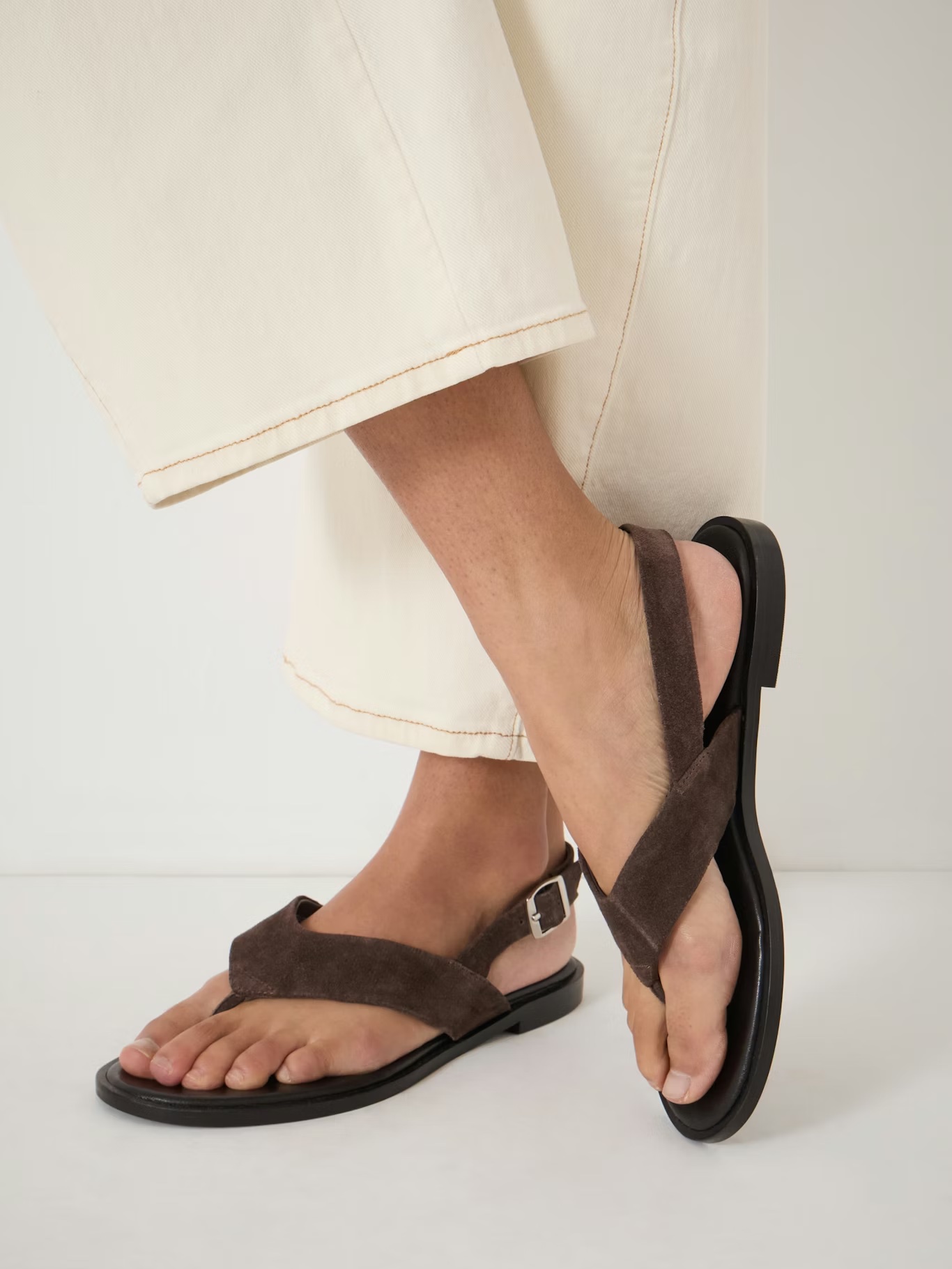
Whilst I love these in the brown, they also come in red.
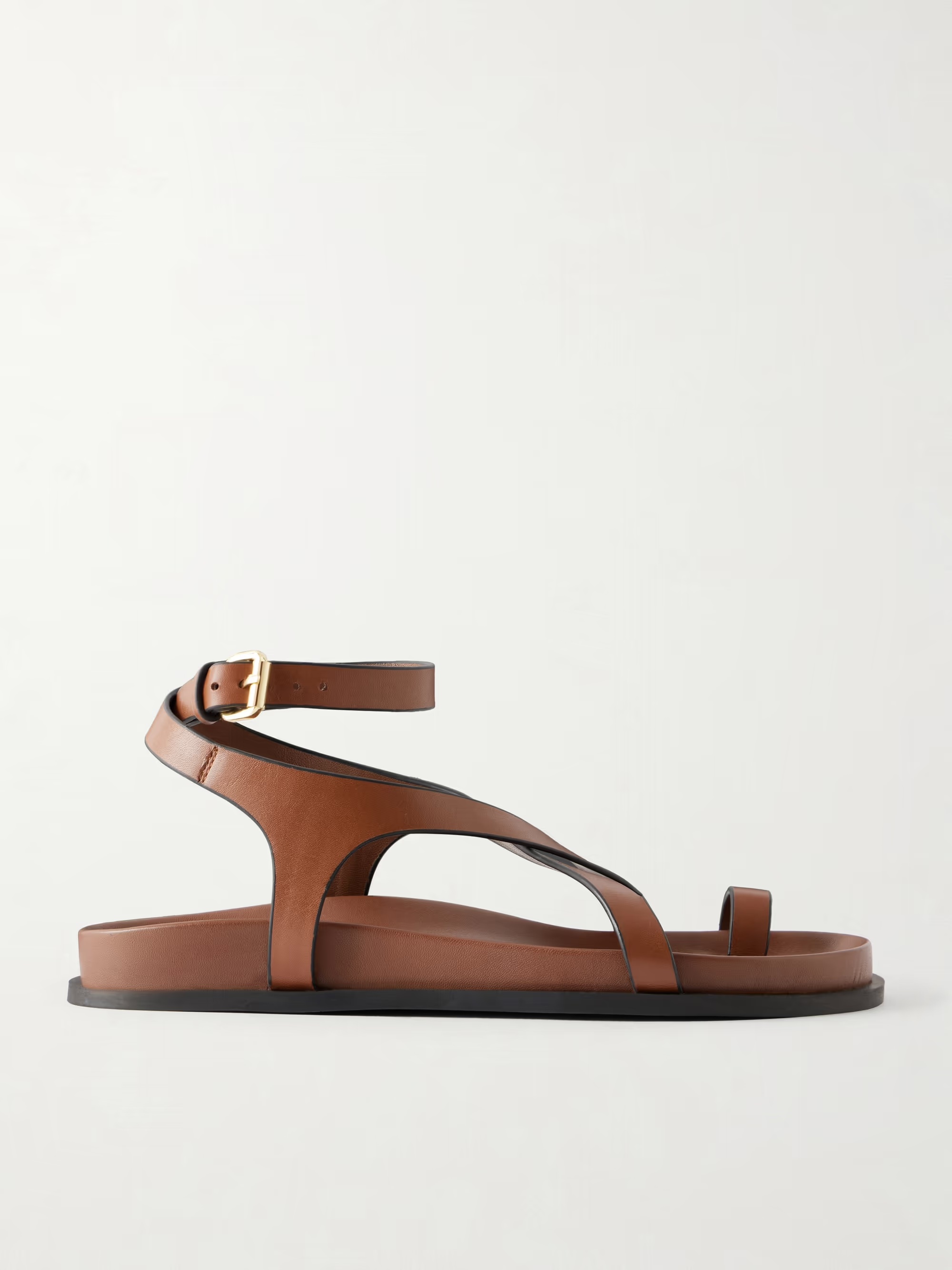
These also come in nine other shades.
Read on the original site
Open the publisher's page for the full experience