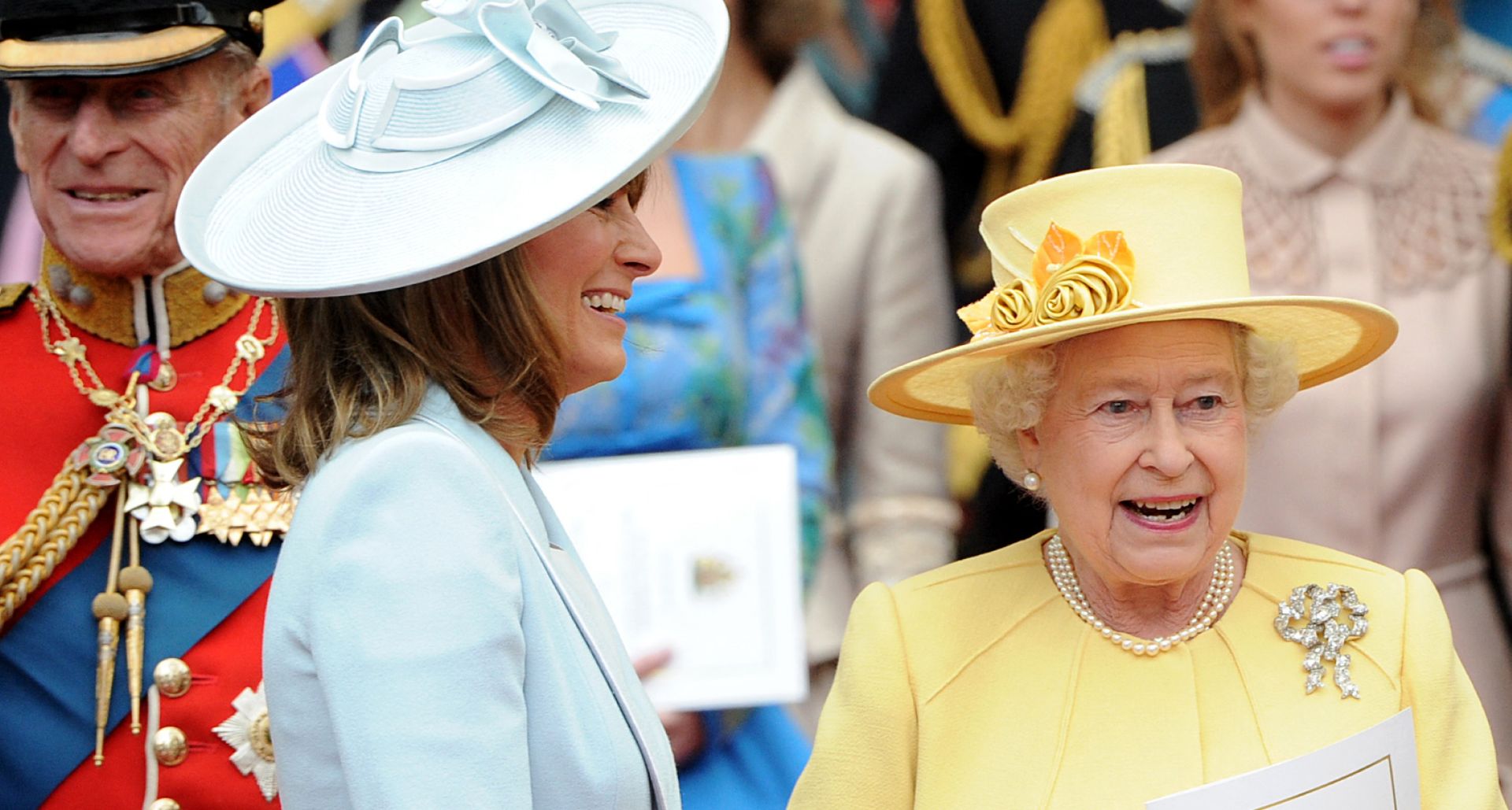
There is a particular kind of power that does not announce itself. It does not charm, it does not perform, and it certainly does not leak. Carole Middleton understood this intuitively, and it is precisely why she succeeded where others faltered. Ingrid Seward's new book draws a quiet line between Carole and Frances Shand Kydd, Princess Diana's mother, and the difference is not one of pedigree but of restraint. Carole used her head, not her heart. She understood that silence, in certain circles, is the ultimate currency. This is not a story about a woman who schemed her way into the palace. It is a story about a woman who understood that trust is built in the spaces between words, and that being family means never making the family a headline. As Robert Jobson noted, nothing has ever come out: not a conversation, not a confidence, not a whisper. That is not luck. That is discipline. It echoes the sentiment we explored in The Quiet Authority of Knowing One's Place, where knowing one's position is not submission but strategy. Carole never confused proximity with permission. She showed up, she supported, and she stayed quiet. That is a rare kind of strength.
For our readers, the takeaway is not about royal gossip. It is about the art of presence without noise. In a culture that rewards oversharing and constant visibility, Carole Middleton offers a counter-instinct: say less, be more. She did not try to win the Queen's affection through charm offensives or public displays of devotion. She simply became someone the Queen could trust. And trust, in any relationship, romantic, professional, or familial, is built on the quiet assurance that your words will not be weaponized. Frances Shand Kydd made the mistake of speaking publicly about her daughter's struggles, and it cost her the Queen's respect. Carole made the opposite choice, and it earned her a seat at the table that is no longer a guest's seat. This is not about being invisible; it is about being intentional. Every interaction, every appearance, every photograph is a choice. Carole chose discretion. She understood that the Middleton family's place in the royal narrative was not something to be narrated by them. The same principle applies to how we move through our own lives: the people who hold our confidence are the ones we trust most deeply. As we noted in The King of Character Voices, A Crowned Storyteller, there is a difference between performing a role and inhabiting it. Carole inhabits her role. She does not perform it.
What makes this story compelling is not the contrast between Carole and Frances, but the quiet lesson embedded in it. Carole Middleton came from humble beginnings. She was not born into this world. She entered it through her daughter's love, and she navigated it with a calm that borders on artistry. She did not try to be royal; she tried to be reliable. And reliability, in a world of constant scrutiny, is a form of quiet luxury. The image of her embracing Princess Anne at the Cheltenham Festival is not remarkable because of the embrace itself, but because of the years of earned trust that made it possible. The Queen liked Carole very much. She did not like Frances. That is a stark line, and it was drawn not by wealth or title, but by behavior. The question for us is not whether we would survive such scrutiny, but whether we would have the composure to choose silence when silence is the wiser path. The detail to watch now is not Carole's next move, but the next generation of women who enter powerful families and must decide whether they will be a headline or a foundation. Carole chose foundation. That choice is what made her family, in the truest sense.