How Do Problematic Contestants Keep Getting Cast on Reality TV? A Casting Director Explains
Our take
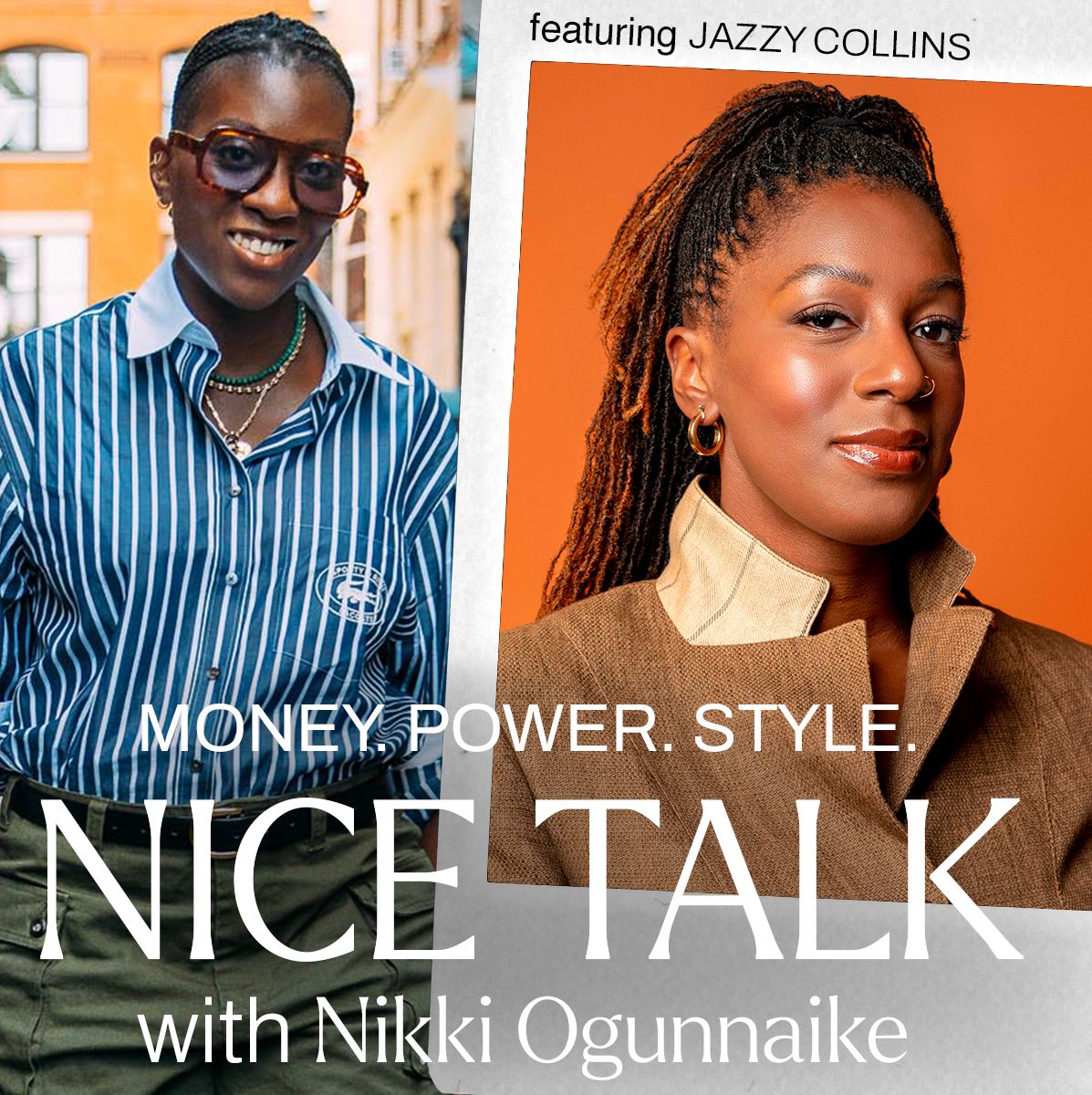
The perennial question of why reality television continues to feature contestants who elicit strong negative reactions – the manipulative, the overtly aggressive, the simply baffling – has finally received some illuminating insight from within the industry. Emmy-winning casting director Jazzy Collins, in a recent appearance on the "Nice Talk" podcast, offered a candid explanation that moves beyond simple accusations of bad judgment. It’s a system, she reveals, designed to generate conflict and heighten drama, often prioritizing entertainment value over nuanced character portrayals or even basic compatibility. This understanding feels particularly relevant given the ongoing fascination with relationship-based shows like Meet the Cast of 'Love Is Blind: UK' Season 3, and the broader cultural conversation around the ethics of manufactured reality. The intentional creation of friction, it seems, is a core component of the reality TV formula, and casting directors are often tasked with identifying and securing individuals who are primed to ignite it.
Collins' perspective underscores a fundamental tension within the genre: the desire for authenticity versus the demands of compelling television. While audiences often claim to crave “real” people and relatable situations, the reality is that genuine, unscripted interactions can be…well, a little boring. Producers, and consequently casting directors, are incentivized to find personalities who are naturally prone to conflict, or who can be skillfully provoked to display heightened emotions. It’s a delicate balancing act, and one that often leans towards the theatrical. We’ve seen this play out repeatedly, even in seemingly lighter fare, where the pursuit of viral moments can overshadow the development of genuine human connection. The current obsession with nostalgic trends, even those unrelated to fashion, like Believe It or Not, Gen Z’s Latest Y2K Obsession Doesn’t Involve Clothes at All, highlights a broader cultural desire for heightened experience and manufactured drama, a feeling that readily translates to the reality television landscape. It’s worth noting that Collins’ own success, as the first Black woman to win an Emmy for Outstanding Reality Program Casting for *The Traitors*, also speaks to the evolving – albeit still imperfect – landscape of representation within the industry.
The implications of Collins’ revelations extend beyond simply understanding why certain individuals are cast. It forces a re-evaluation of our own complicity as viewers. Are we actively contributing to the cycle by tuning in to watch these manufactured conflicts unfold? Does the promise of fleeting entertainment justify the potential for harm to the individuals involved? These are complex questions with no easy answers, but they demand a more critical engagement with the genre. The rise of shows like *The Traitors* demonstrate a sophisticated understanding of psychological manipulation and social dynamics, creating narratives that are both captivating and unsettling. This level of intentionality elevates the genre beyond simple voyeurism, prompting viewers to consider the ethical boundaries of reality television and the responsibility of both creators and consumers. The impact of a compelling narrative, carefully constructed by talented individuals like Malavika Kannan, whose coming-of-age novels explore the intricacies of Gen Z identity, as seen in Author Malavika Kannan Is Being Hailed As a Voice of Gen Z. These Coming-of-Age Novels Shaped Her, demonstrates the power of storytelling and its potential to shape our understanding of ourselves and others, a power that reality television wields with a different, often more problematic, intent.
Ultimately, Jazzy Collins’ insights offer a glimpse behind the curtain of a highly lucrative and influential industry. The question now is whether this increased awareness will lead to meaningful change. Will casting directors and producers prioritize authenticity and ethical considerations over manufactured drama? Or will the pursuit of ratings and viral moments continue to drive the selection of contestants who, while undeniably entertaining, contribute to a cycle of negativity and potentially harmful portrayals? The future of reality television may well depend on a shift in perspective – a move away from engineered conflict and towards a more nuanced and responsible representation of human experience.
Reality TV fans, Jazzy Collins has your dream job. Collins is a reality TV casting director and producer who has worked for some of the most buzzy and beloved shows around, including Love Island, the Bachelor franchise, and The Circle. For her work on The Traitors, she became the first Black person to win the Emmy for Outstanding Reality Casting.
Collins knows what it takes to build a great reality TV cast, and she tells all on the latest episode of the "Nice Talk" podcast, including everything from how the application process works for reality TV hopefuls to the types of questions she asks during auditions. Collins also opens up about something many fans have wondered as reality shows increasingly make headlines for the wrong reasons: How do problematic contestants even make it on to the show?
It’s happened on plenty of shows over the years: Someone is cast, only for it to later emerge that they have anything from offensive past tweets to allegations of violence in their history. Fans are often quick to blame the casting department, but Collins says it’s not that simple.
"I think a lot of people just don't understand what the process is. We are hiring outside vendors to actually conduct these tests. It's not the casting team," Collins tells Marie Claire editor-in-chief Nikki Ogunnaike. "These people are approved by network and approved by the production company."
Additionally, Collins points out that sometimes, the information that comes out about a cast member wasn't available when their casting was confirmed. Instead, people release info online once the cast has been announced publicly.
"Let's just say, Bob from Georgia fills out his background check and does the social media check, and all of that stuff goes through, it's only stuff that is currently public that we have access to," Collins explains. "So when someone screenshots something and saves something to their phone and then releases it after Bob has been on Love Island, there's absolutely no way for us to have access to that information." (Speaking of Love Island, the show has a few recent examples of contestants being cut from the show for past behavior after they were cast.) Collins says that "especially with Gen Z, everyone's on their phones," making scenarios like this even more likely.
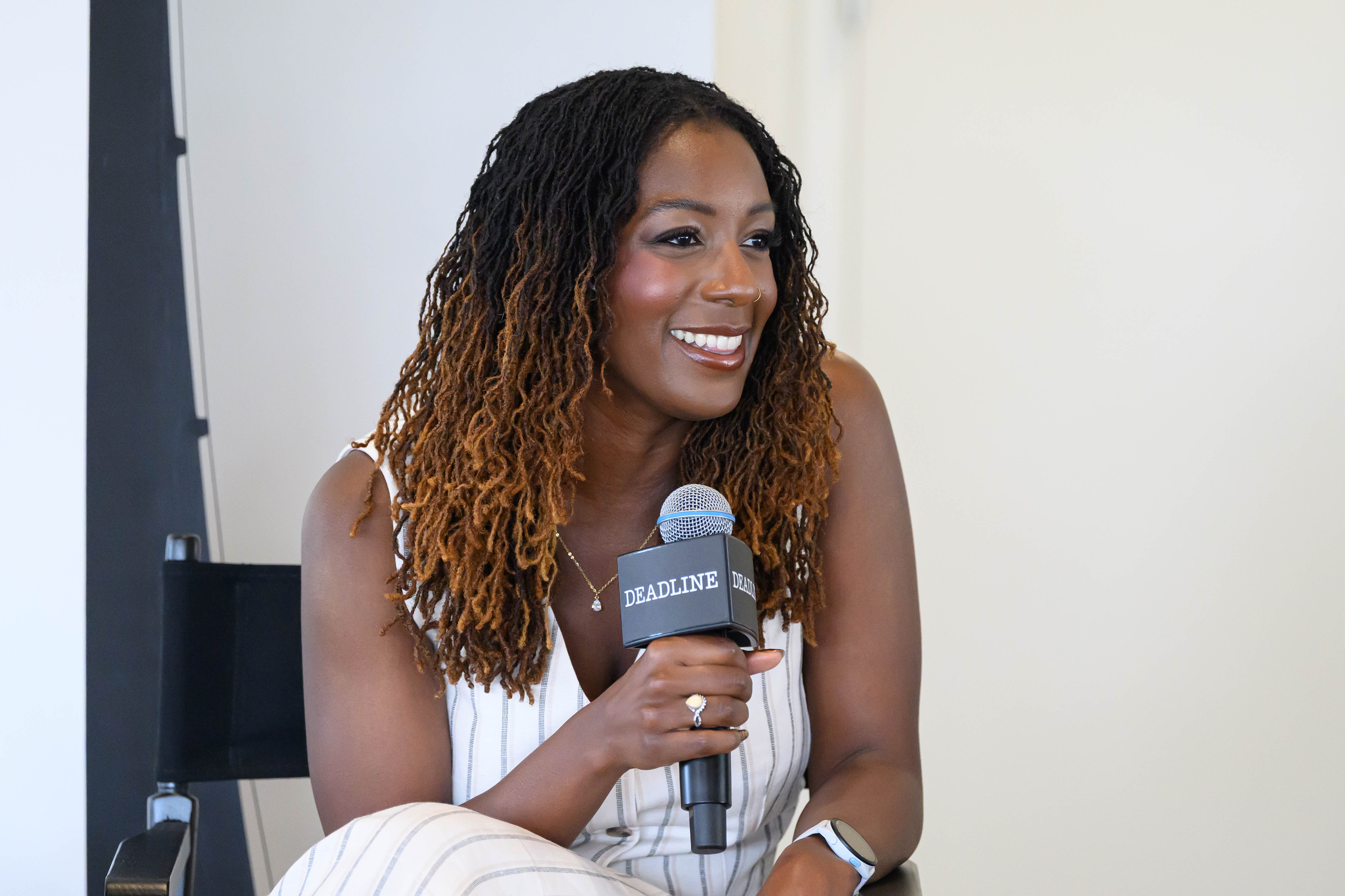
Collins also talks about her career as a Black woman in casting—and the disheartening reality she was confronted with when she was starting out.
"Biggest challenge in my career was definitely dealing with a lot of racism," she says. "You know, working on shows I was experiencing it behind the scenes, but also how we cast. It was, like, at that time we didn't want to have any sort of Black woman on that show unless they had straightened hair, they were wearing weaves, they had that European standard, right? Obviously, that has changed so much. But can you imagine sitting there in a room where someone's saying, 'This person with textured hair is ugly because of their hair?' ... So that was something that I was like, Am I cut out for this industry? I don't know if I can do something like this. If I can't even put people on television that look like me, why would I want to subject someone to that?"
Clearly, Collins didn't give in. She was able to find spaces that were more accepting behind the camera and accepting of the people who were cast to be in front of it. "If you can find the right person to work with or the right companies to work with, that's how you succeed," she says. Today, with her impressive career and a production company of her own, she has the power to implement change herself.
For more from Collins—including how she became a casting director in the first place and her hopes for the future of reality TV—check out this week's installment of "Nice Talk." The episode is available everywhere you listen to podcasts.
Read on the original site
Open the publisher's page for the full experience