How Eleanor Medhurst Is Preserving The History Of Lesbian Fashion
Our take
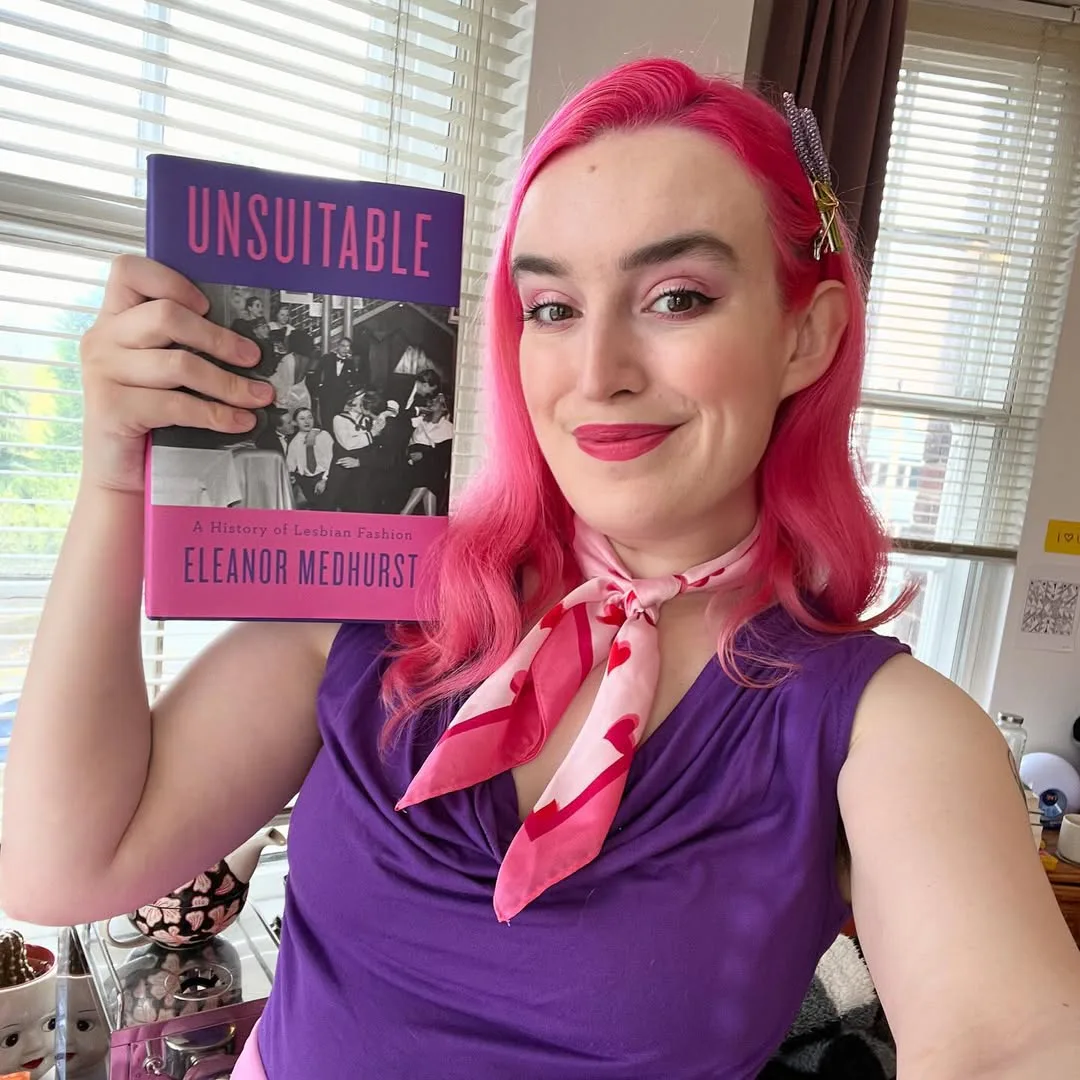
Eleanor Medhurst's "Dressing Dykes" is more than just a charming Instagram account; it's a vital act of historical reclamation. The erasure of lesbian history is a pervasive and often unintentional consequence of mainstream narratives, and Medhurst's work directly confronts this omission within the realm of fashion. It’s exciting to see this kind of meticulous research and passionate dedication being applied to a niche that deserves far more attention. We've long championed celebrating individuality through style, as evidenced in our piece Summer 2026's Pedicure Trends Include Cherry Red & Retro Mint, which underscores the power of even seemingly small aesthetic choices to communicate identity. Similarly, the spirit of discovery championed in 65 Weird New Things On Amazon That Are Legitimately Amazing resonates with Medhurst’s project – both highlight the joy of uncovering forgotten or overlooked cultural artifacts, albeit in very different forms.
The significance of "Dressing Dykes" lies in its ability to illuminate the subtle yet powerful ways lesbian women have expressed themselves through clothing, accessories, and overall aesthetic choices throughout history. It’s about more than just identifying what lesbians wore; it's about understanding *why* they wore it, the social contexts that shaped their style, and the coded language of fashion that allowed them to connect and find community, often in clandestine or marginalized spaces. The visibility that Medhurst is creating is a direct response to the historical invisibility experienced by lesbian women, particularly within the fashion archives and academic discourse. Before, these histories were often buried beneath heteronormative narratives, their significance dismissed or overlooked. Now, a dedicated platform is bringing these stories to light, providing a valuable resource for researchers, fashion enthusiasts, and anyone interested in LGBTQ+ history.
What’s particularly compelling is Medhurst's academic background informing her approach. This isn't a casual hobby; it’s a scholarly project driven by a deep understanding of fashion history and a commitment to rigorous research. The platform's visual presentation, with its carefully curated images and thoughtful captions, reflects a sophisticated aesthetic sensibility, aligning with the quiet luxury and intentionality we strive to embody. The diligent curating and sharing of these often-obscure pieces of fashion history echoes the thoughtful curation we see in our recent piece Editors Are Bookmarking These (Already Discounted) Fashion Deals for Prime Day Next Week, where careful selection highlights items deserving attention. This demonstrates that value exists beyond fleeting trends; it’s about recognizing and preserving enduring beauty and cultural significance. The project’s success highlights a growing appetite for nuanced, intersectional narratives within the fashion space, proving that there's a powerful audience eager for stories that challenge conventional perspectives.
Ultimately, Eleanor Medhurst’s work is a powerful reminder that fashion is never neutral. It’s a cultural artifact, a form of communication, and a potent tool for self-expression. “Dressing Dykes” isn’t just preserving the history of lesbian fashion; it’s rewriting the narrative of fashion history itself. As we move forward, a key question to consider is how platforms like “Dressing Dykes” can inspire broader institutional changes within fashion archives and museums, ensuring that LGBTQ+ histories are not only recognized but actively celebrated and integrated into mainstream understanding of fashion's evolution.
When Eleanor Medhurst was pursuing a degree in fashion history at the University of Brighton in the late 2010s, conversations about the evolution of lesbian fashion were few and far between. Years later, amid the uncertainty of the pandemic in 2020, she decided to dig into the often-overlooked subject herself. The result was Dressing Dykes, a platform devoted to exploring and preserving the history of queer style.
“You’re not taught about it in schools, and it’s a history that can be quite difficult to learn about,” she tells TZR on a recent call. Even now, paywalls can make accessing that information a challenge. As such, ensuring people can access the history of lesbian fashion is central to Medhurst’s work. “I started it on social media, and it really took off. It had a really positive response,” she says of the platform.
Dressing Dykes often explores the subtle lesbian codes and symbols that have been incorporated into fashion as a way to communicate within the community. “In the early 20th century, for instance, a ring worn on the pinky finger was popular among working-class women [and could signal a woman’s sexual orientation],” Medhurst explains. “By the late 20th century, however, more overt symbols began appearing, such as the double-headed axe,” she adds. Also known as the labrys, the symbol was associated with Amazonian warrior women and was often used in feminist circles.
Medhurst is often asked about lesbian-coded fashion becoming widely adopted, such as Dr. Martens shoes. “I think that speaks to how much creativity there is within queer fashion,” she shares. “And even when things become mainstream and lose some of their original queer meanings, there are always new symbols springing up as well.” Indeed, new codes continue to emerge and spread online, Medhurst notes, pointing to the carabiner as one example.
Social media plays a key role in that process, Medhurst says. “You’re looking at videos and photos, so you’re able to see that fashion language in action and then learn from it,” she explains. “I think everything moves at a much faster pace than it would have 100 years ago, when modes of communication were so different.”
In 2024, Medhurst broadened the scope of Dressing Dykes by writing a book, Unsuitable: A History of Lesbian Fashion. “There are 18 chapters, each exploring a different facet of lesbian fashion, whether that’s a specific time period, person, or community,” she shares. While researching the book, Medhurst especially enjoyed diving into topics like Sappho in Ancient Greece — a famous ancient queer poet — to more contemporary chapters of queer history.
According to Medhurst, Unsuitable has struck a chord with a wide audience. Medhurst believes part of its appeal lies in its subject matter: clothing is something nearly everyone can relate to. “Readers have been able to really resonate and connect with these historical topics because it feels real and personal, and it’s all through the lens of clothes and fashion,” the author reflects.
The latest step in Medhurst’s career? A PhD at the University of Brighton. “I’m looking at lesbian textile craft, so there’s an overlap with fashion there with products like knitwear,” she says. Specifically, Medhurst is studying how textile crafts in Britain from the 1960s through 2000 helped shape and strengthen lesbian communities. “It’s nice to be focusing on something a bit newer,” she shares.
Somehow, Medhurst also finds time to lecture. “That’s something I almost fell into through my online work and being asked to give talks,” she says. “There were a lot of online talks because of Covid, and it was really lovely, actually, to be able to engage with people who might be on the other side of the world.” Since then, she has delivered lectures everywhere from London’s Tate Modern to the University of Oxford, as well as at public libraries. The subjects run the gamut, from a general overview of lesbian fashion history to hidden queer histories and the ways queer culture has shaped the mainstream.
One niche piece of history that often surprises people? In the 1920s, British Vogue was run by a lesbian couple — editor-in-chief Dorothy Todd and fashion editor Madge Garland — who brought visibility to LGBTQ communities while transforming the magazine’s fashion, literature, and arts coverage. “That’s a really interesting story, and I kind of compare that with more mainstream things like drag culture,” Medhurst explains. “Many people have heard of RuPaul’s Drag Race, but they might not know the earlier origins of drag culture in New York in the 20th century.”
As for what’s next for Medhurst? “Something that I would love to do in the future is collaborative projects with other researchers, especially looking at lesbian fashion on a more global scale with researchers from different parts of the world,” she shares. With so many stories still left to uncover, another book may well be in her future.
Read on the original site
Open the publisher's page for the full experience