5 min readfrom POPSUGAR

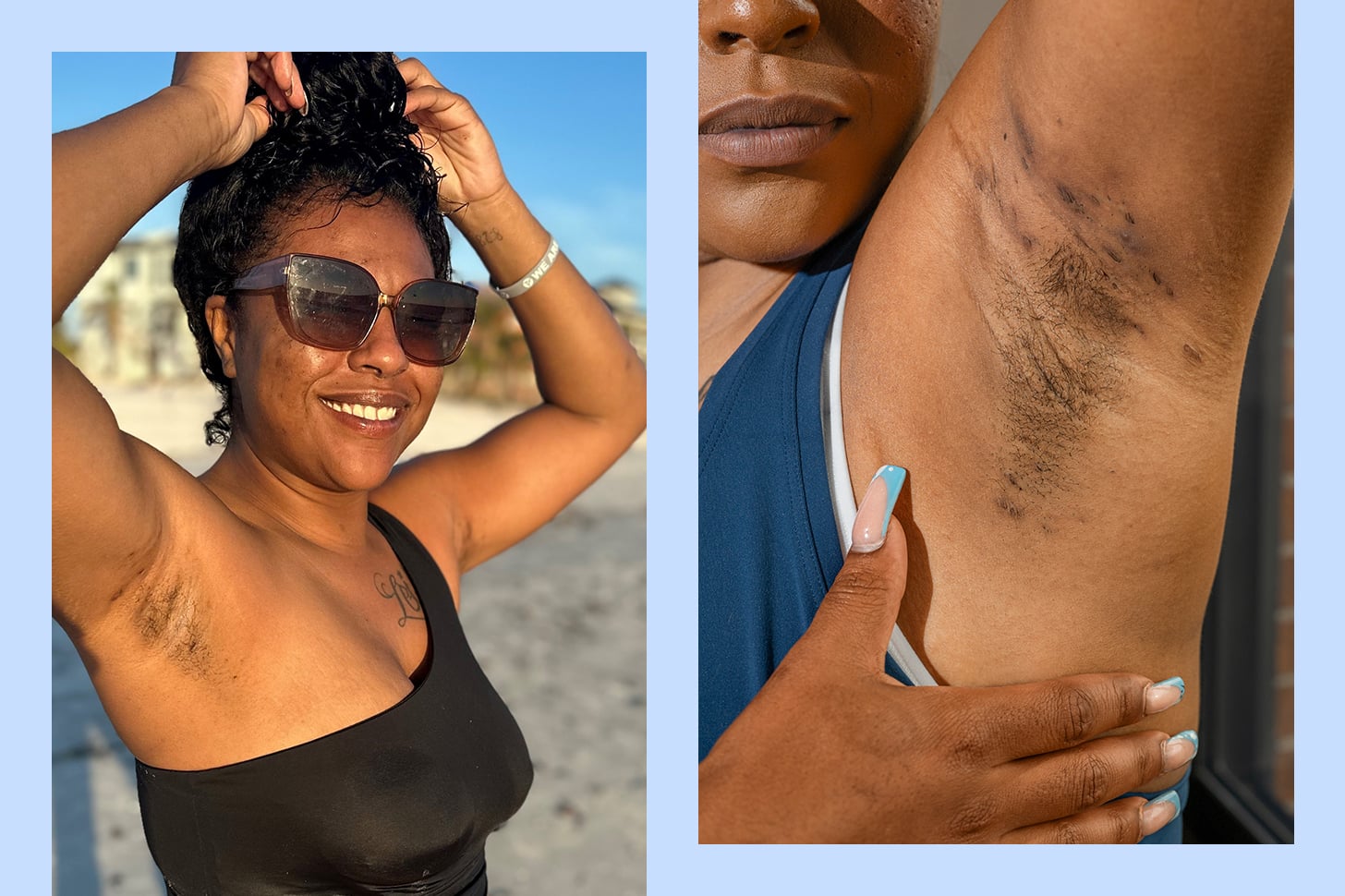
How I Learned to Love My Bumps and Scars From Hidradenitis Suppurativa

Our take

At twelve, the emergence of painful, blackhead-like boils and subsequent scars on my inner thighs marked the unwelcome beginning of my journey with hidradenitis suppurativa (HS). It was a confusing and isolating time, shrouded in shame and misunderstanding. This piece explores that personal evolution—how I navigated the physical and emotional challenges of HS, and ultimately, learned to embrace the marks it left behind.
How I Learned to Love My Bumps and Scars From Hidradenitis Suppurativa

The recent piece on navigating life with Hidradenitis Suppurativa (HS) resonates deeply, and not just for those directly experiencing this often-invisible chronic condition. It’s a powerful reminder of the intersection between physical health, emotional wellbeing, and the courage it takes to share vulnerable experiences. The author’s journey, beginning in adolescence with painful and misunderstood symptoms, highlights a critical gap in awareness and understanding surrounding chronic illnesses, particularly those that manifest primarily in private areas of the body. It echoes the conversations we've been having around intimate skin concerns, and the difficulties couples face when navigating these challenges – a reality explored in Real Couples Share How Chronic Skin Conditions Impact Their Relationships. The shame and isolation often associated with HS, compounded by the lack of readily available information and effective treatments, contribute to a cycle of delayed diagnosis and prolonged suffering. This essay’s willingness to openly discuss the physical and emotional toll underscores the importance of normalizing conversations about chronic skin conditions and dismantling the stigma that prevents individuals from seeking help.

Beyond the personal narrative, this article speaks to a larger cultural shift happening in the beauty and wellness space. There’s a growing demand for authenticity and transparency, a rejection of the curated perfection often presented on social media. People are increasingly seeking representation of real bodies, real struggles, and real healing journeys. This desire is reflected in the rise of discussions around body neutrality and acceptance, moving beyond the pressure to achieve an unattainable ideal. The vulnerabilities explored in this essay—the initial denial, the pain, the scarring—are powerful counterpoints to the relentless pursuit of flawless skin often promoted by the beauty industry. And while heartwarming beauty launches continue to emerge – as showcased in 14 Beauty Launches Our Editors Are Loving This June — the conversation needs to encompass a broader understanding of skin health and the realities faced by those living with chronic conditions. It's about recognizing that beauty encompasses resilience, strength, and self-acceptance, not just a flawless complexion.

The link to experiences with other serious diagnoses, specifically the piece They Were All Diagnosed With Cancer — Then Came the Breakups, is particularly poignant. Chronic illness, regardless of its specific manifestation, has a profound impact on relationships and overall quality of life. The emotional burden of managing a chronic condition, the uncertainty of the future, and the potential for physical limitations can strain even the strongest bonds. This essay’s focus on learning to love one’s body, scars and all, offers a message of hope and empowerment. It’s a testament to the power of self-compassion and the importance of finding beauty and strength within oneself, even in the face of adversity. The author's journey is not just about healing the skin; it’s about healing the spirit and reclaiming agency over one's own narrative.

Ultimately, this piece signals a crucial evolution in how we discuss health and beauty. It moves beyond superficiality to address the deeper emotional and psychological implications of living with chronic conditions. While awareness is growing, there’s still a long way to go in terms of providing adequate support, resources, and understanding for those affected by HS and other invisible illnesses. The question now becomes: how can the beauty and wellness industries genuinely embrace inclusivity and representation, moving beyond performative allyship to create products, services, and messaging that truly support the diverse experiences of all individuals?

Hidradenitis suppurativa diagnosis personal essay. I was 12 years old when I started getting painful blackhead-like boils and scars on my inner thighs. I had no idea what it was and refused to tell my mom because I thought I was personally doing something wrong, like not showering correctly. Eventually, the boils became so debilitating that I couldn't walk and begged to stay home from school, eventually forced to show my mom. She didn't have a clue what it was. The two of us spent the next few years trying to manage my symptoms at home and bouncing from doctor to doctor for answers. Some MDs thought it was chronic boils, while others were just honest, admitting they'd never seen anything like it before. It was discouraging to me as a little girl because it reinforced the idea that something's got to be wrong with me if the doctors don't know what they're dealing with or what I'm dealing with. The condition took a big hit on my mental health. The preteen and teen mind is vulnerable enough — your body is already going through so many changes and on top of that, I had to deal with the scarring and not being able to show up the way my peers could. At one point, I thought my symptoms were being triggered by an STD, which only added to the stigma. I hid my symptoms from my friends and classmates, feeling isolated and betrayed by my body. I still remember the anxiety I felt playing volleyball in school, having to wear spandex and always tugging at mine worried that people would see and the boils would spread. With no answers, my mom and I often turned to self management (we tried to lance the boils at home) or trips to the ER to find relief. I was in the emergency room at least three or four times a year before I finally received a diagnosis at age 17. It wasn't until I was doing an internship at a dermatology office that I scheduled an appointment with one of the specialists and I heard the words hidradenitis suppurativa for the first time. They told me they didn't know why it was happening, but there wasn't a cure and that they could prescribe an antiseptic for relief. I felt hopeless. Maybe I was too young to comprehend the bluntness of it all, but that lack of compassion left me more defeated than I was happy to have an actual name of my diagnosis. I wound up abandoning my health after that, ignoring my HS altogether, leaning on drugs to numb the lack of self worth that I felt, and found myself engaging sexually with people who didn't deserve to be with me. It all stemmed from feeling so terrible about myself and betrayed by my body. I didn't go back to the dermatologist until last year, nearly 10 years after being initially diagnosed. I don't love how I look every day, but every day I do feel a little less disgusted with myself. My body is beginning to look normal to me. It was in sharing my life on TikTok that I found the motivation to finally go back to the derm. I'd started to feel like I was living this double life online, encouraging others to embrace their HS and get checked out, but not having taken care of my own symptoms or negative self-talk. Each time that I would take a moment to just share a peek of what living with HS was like and read similar comments and experiences, I was healing myself. Now, I speak to over 250,000 followers regularly about my HS journey in the hopes that theirs won't feel as isolated as mine. I've been able to use my advocacy work to be a part of multiple studies with biopharmaceutical company UCB, participating in their 'Make HStory campaign to raise awareness about the disease. And I've learned to love myself no matter what my body looks like on the outside. Some days, it still feels like a work in progress and that's OK too. I often have to remind myself of what God says about me, particularly while looking in the mirror — and it's not the superficial things that we feel our body needs to look like or be or what size or the perfect smooth skin. I don't love how I look every day, but every day I do feel a little less disgusted with myself. My body is beginning to look normal to me.

— As told to Alexis Jones

Alexis Jones is the section lead of the health and fitness verticals at Popsugar, overseeing coverage across the website, social media, and newsletters. In her seven-plus years of editorial experience, Alexis has developed passions for and expertise in mental health, women's health and fitness, racial and ethnic disparities in healthcare, and chronic conditions. Prior to joining PS, she was the senior editor at Health magazine. Her other bylines can be found at Women's Health, Prevention, Marie Claire, and more.

Read on the original site

Open the publisher's page for the full experience

View original article

Tagged with

#self-expression#personal growth#Hidradenitis Suppurativa#HS#Boils#Scars#Inner Thighs#Diagnosis#Dermatology#Symptoms#Mental Health#Stigma#Self-Management#Emergency Room#Chronic Boil#Anxiety#Spandex#Antiseptic#Self-Worth#TikTok