How Leset Turned Elevated Basics Into a Celebrity Uniform
Our take
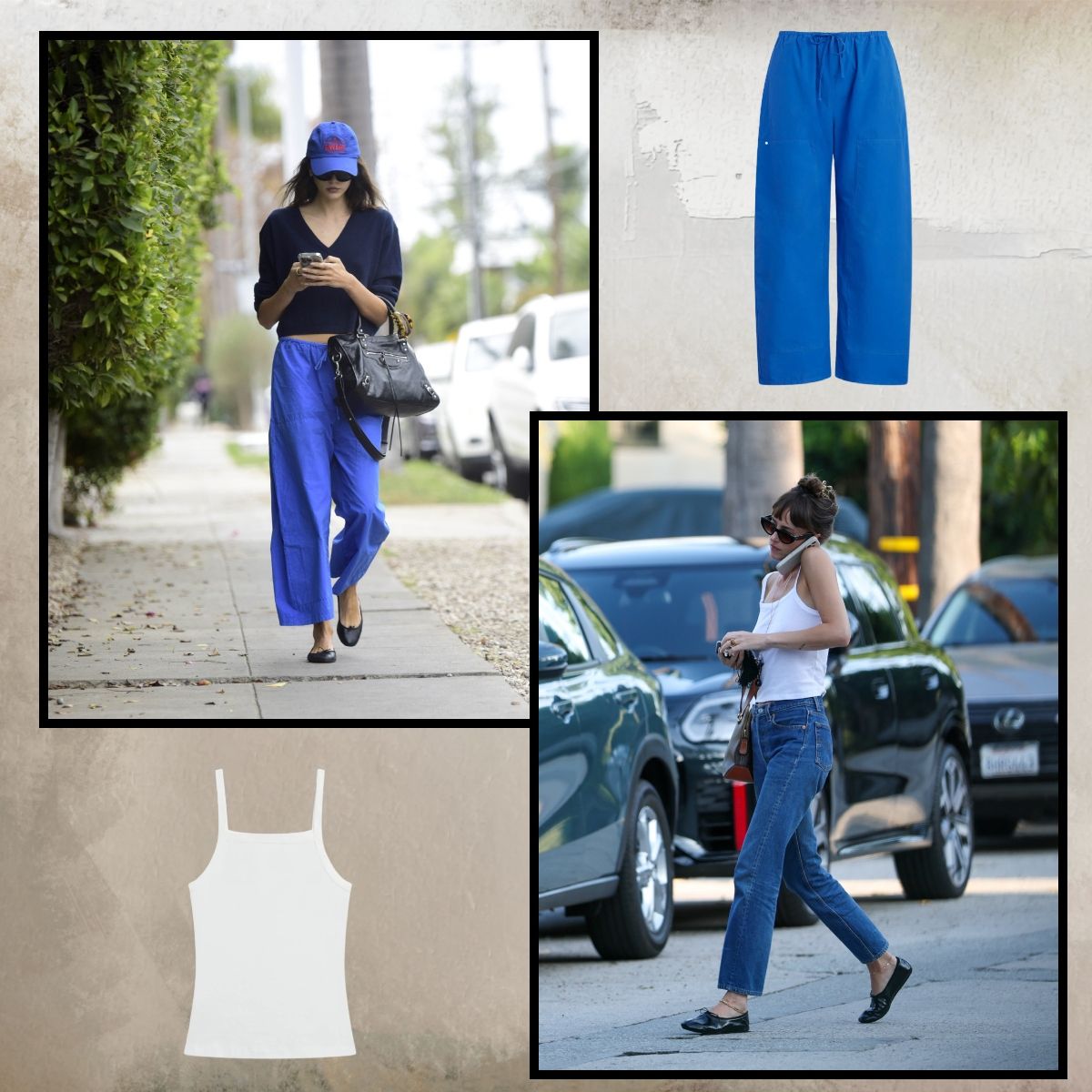
The quiet ascent of Leset into a celebrity uniform speaks volumes about a shifting landscape in fashion, one increasingly prioritizing understated elegance and effortless style over overt branding and fleeting trends. The brand’s success, as detailed in Spotted on Kendall and Jacob's Dinner Date: The 2 Low-Key Trends People Who Hate Trends Are Wearing, highlights a move away from the performative nature of so many contemporary trends, where visibility and instant gratification reign supreme. The widespread adoption of Leset’s cotton drawstring pants—now a near-ubiquitous sighting—demonstrates a desire for clothing that seamlessly integrates into daily life, offering comfort and sophistication without demanding attention. It’s a rejection of the ‘look at me’ mentality, a sentiment that resonates deeply with a growing segment of consumers seeking authenticity and timelessness. This mirrors a broader cultural shift where "quiet luxury" isn't merely a style, but a statement of values – prioritizing quality, craftsmanship, and enduring design over ostentatious displays of wealth. Even beauty routines are reflecting this, as evidenced by the ease and accessibility of at-home care, like the solutions described in Beauty Girls Are Skipping Salon Appointments Thanks to These Root Touch-Up Products, proving a desire for understated self-care.
Leset’s story—Lili Chemla’s initial struggle to convince retailers of the brand’s potential—is particularly compelling. It underscores the difficulty in disrupting established fashion norms, even when the demand for a more refined aesthetic is evident. The core concept—clothes comfortable enough for home, yet polished enough for outings—tapped into a previously underserved need. It wasn't about creating a ‘look’ but facilitating a feeling: ease, confidence, and a sense of effortless style. The fact that celebrities like Jennifer Lawrence, Dakota Johnson, and Katie Holmes have embraced Leset isn't merely a marketing win; it's a validation of the brand's underlying philosophy. These women, often perceived as style icons, are choosing clothes that prioritize comfort and understated elegance, signaling a broader cultural preference for authenticity over artifice. It's a fascinating contrast to the highly curated, often maximalist styles that previously dominated celebrity wardrobes. The subtle color palettes and simple silhouettes are a direct response to a consumer base seeking versatility and longevity in their clothing choices—items that can be styled in countless ways and transcend fleeting trends.
The rise of Leset also signals a potential re-evaluation of the traditional retail model. The brand’s success wasn’t built on aggressive marketing campaigns or celebrity endorsements (initially). It grew organically, driven by word-of-mouth and the genuine appeal of its products. This suggests that consumers are increasingly discerning, seeking out brands that align with their values and offer tangible quality. It's a move away from impulse purchases driven by fleeting trends and toward considered acquisitions of items that are both beautiful and functional. Furthermore, the brand’s aesthetic – a clean, modern femininity – feels particularly relevant in a world saturated with noise and hyper-stimulation. It offers a refuge, a sense of calm and sophistication that resonates with a desire for simplicity and intention. The appeal isn't about following a trend, it’s about cultivating a personal style that feels authentic and timeless, a sentiment further underscored by the intentionality of styling choices like those seen in Kendall Jenner and Jacob Elordi Proved Colorblocking Can Be a Couple's Trend.
Looking ahead, the success of Leset raises an important question: will other brands follow suit, prioritizing understated elegance and timeless design over fleeting trends and aggressive marketing? Or will the industry continue to chase the next viral moment, sacrificing long-term sustainability for short-term gains? The enduring appeal of Leset’s aesthetic suggests a growing demand for clothing that transcends trends, offering a sense of quiet confidence and effortless style—a demand that, if met, could reshape the future of fashion. It invites us to consider whether the true luxury lies not in conspicuous consumption, but in the ability to curate a wardrobe that reflects a deeper sense of self.
Today, you can’t go more than a few blocks before spotting a pair of cotton drawstring pants out in the wild. In 2019, Leset’s Lili Chemla was struggling to prove to retailers that a gap was waiting to be filled.
“The idea was creating clothes that were comfortable enough to wear at home and nice to wear out,” Chemla tells Marie Claire. At the time, she says, fashion offered ready-to-wear on one end and pajamas and loungewear on the other, with little in the space between. When she took the concept to department stores, buyers weren’t quite sure what to make of it. “They were like, ‘We can't put you on the ready-to-wear floor. We can't put you on the lingerie floor. Where do we put you? We need a floor in between,’” she remembers.
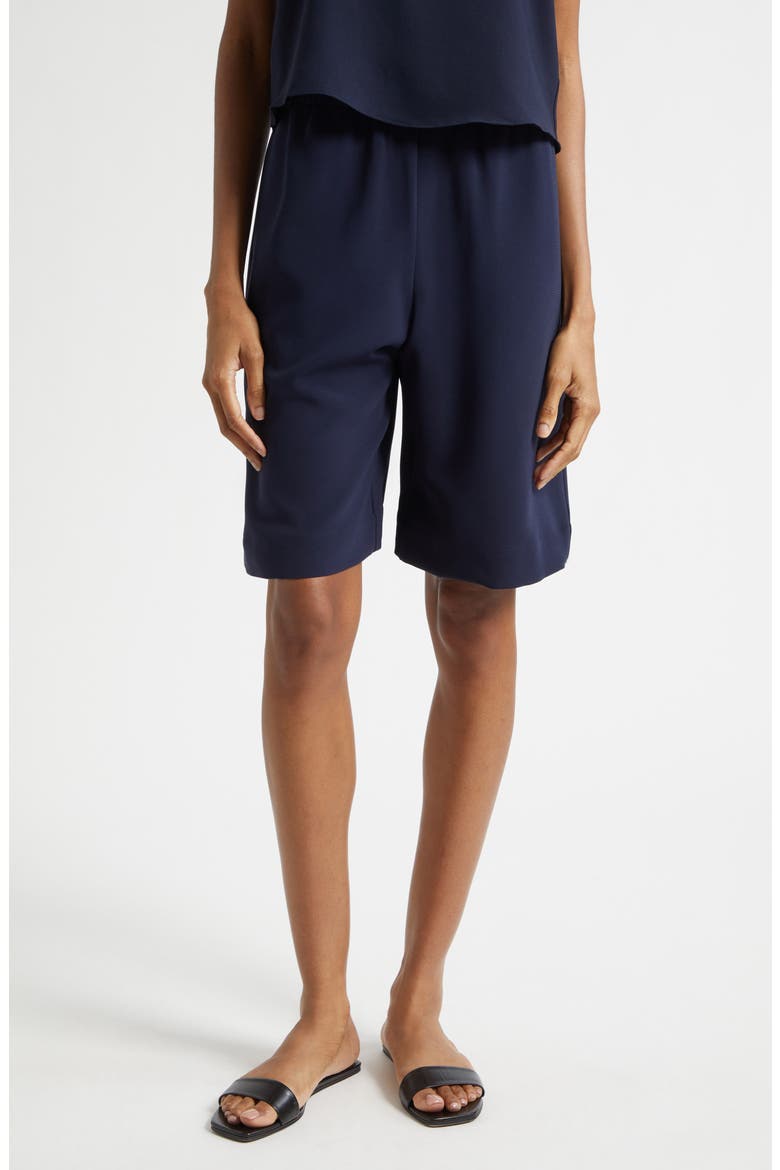
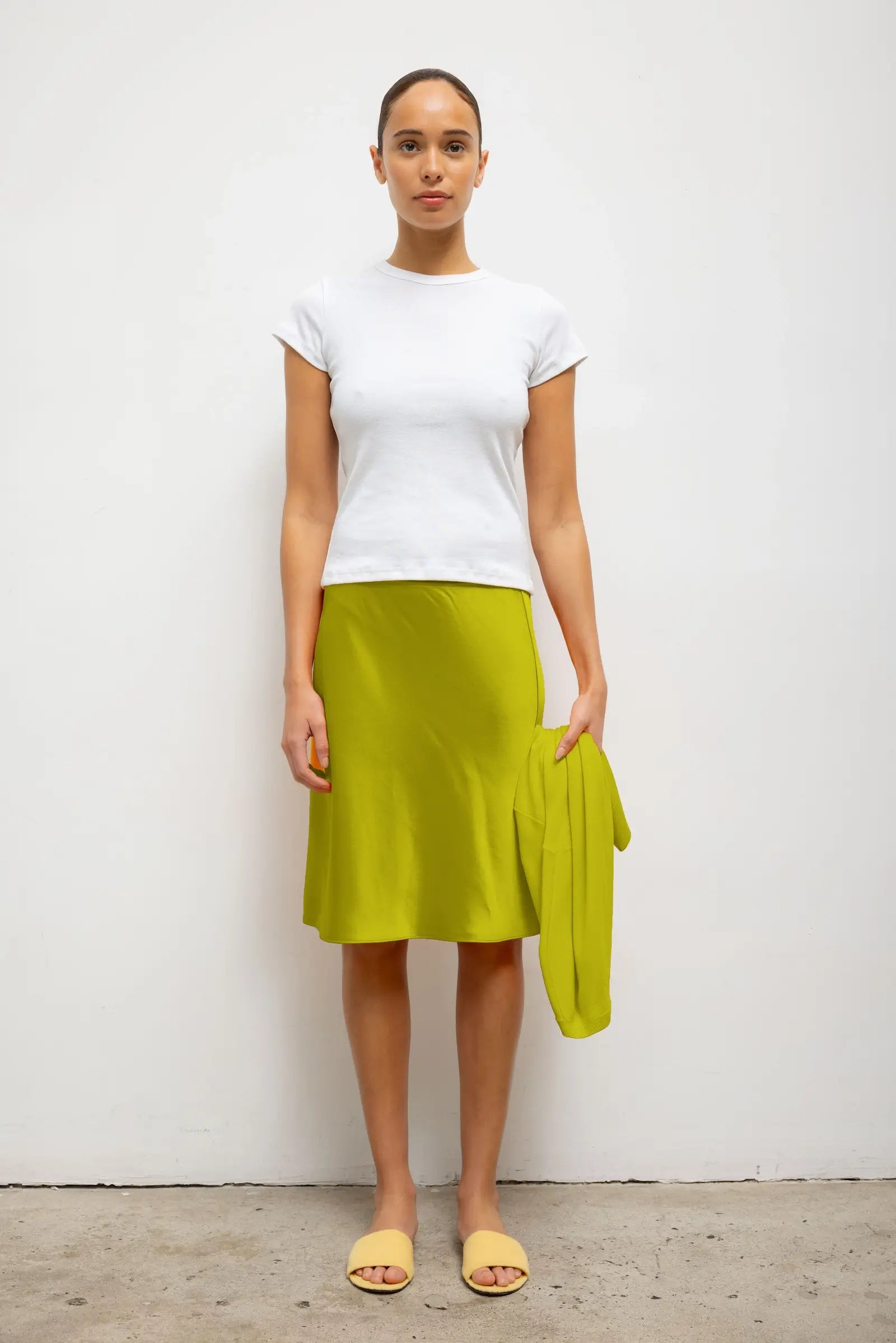
Seven years later, Leset has no shortage of places to go. Net-a-Porter was one of the brand’s earliest supporters; today, it is also sold at Nordstrom, Shopbop, Bloomingdale’s, and more, as well as its own stores in New York’s West Village and L.A.’s Palisades Village. Its signature styles, from the Margo T-shirt to the Kyoto Carpenter Pant, have wound up on everyone from Jennifer Lawrence and Katie Holmes to Kaia Gerber and Emma Stone.
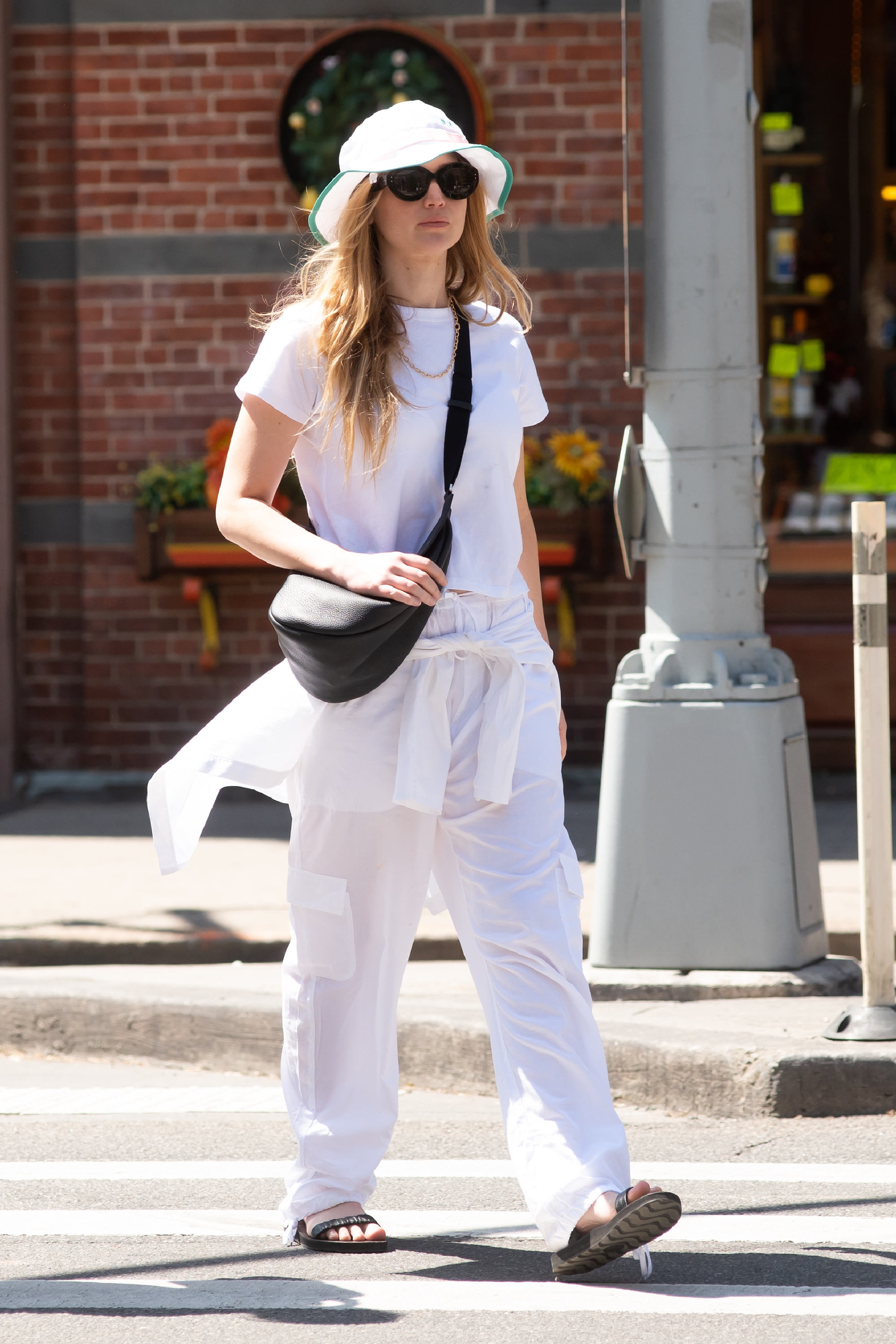
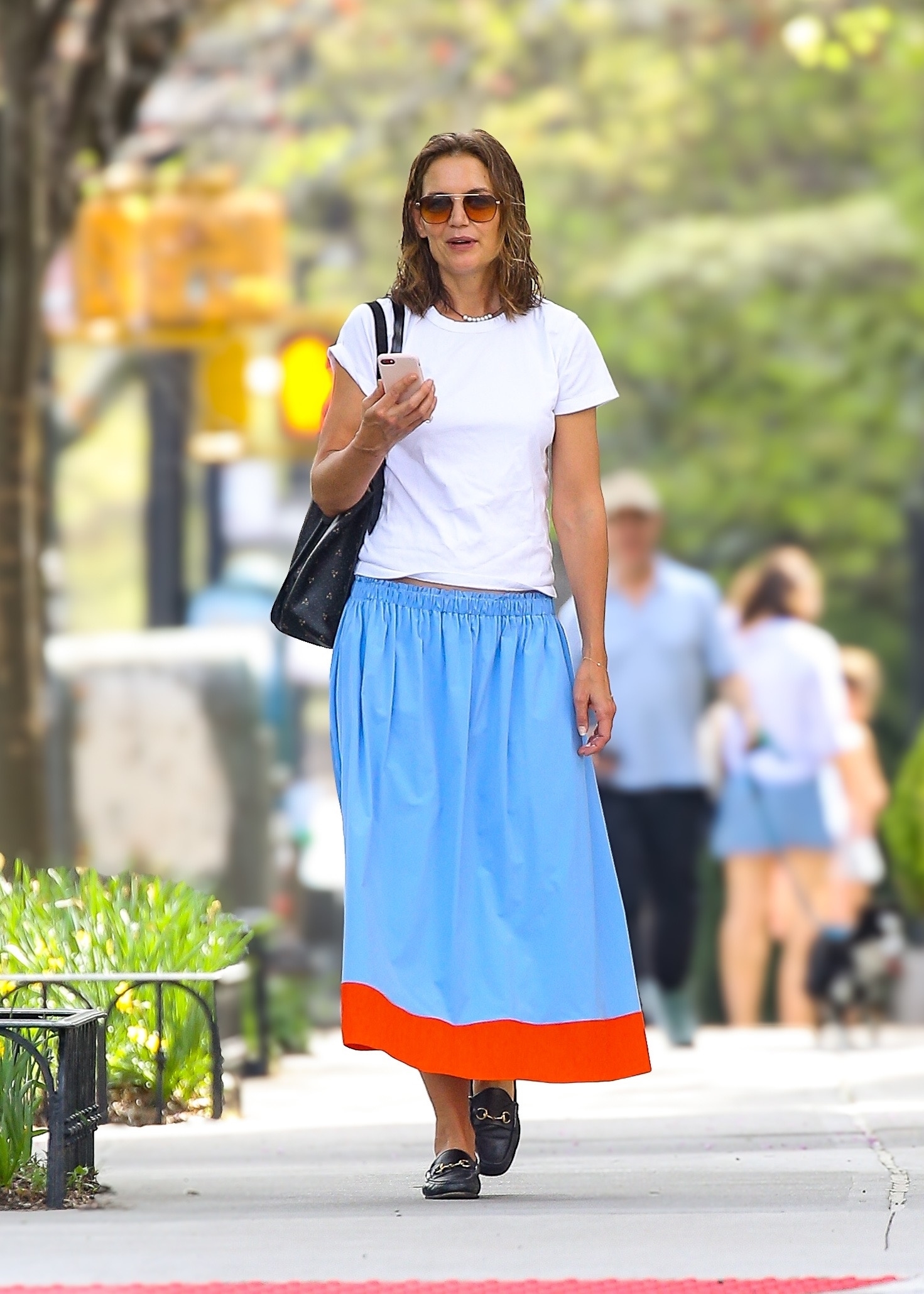
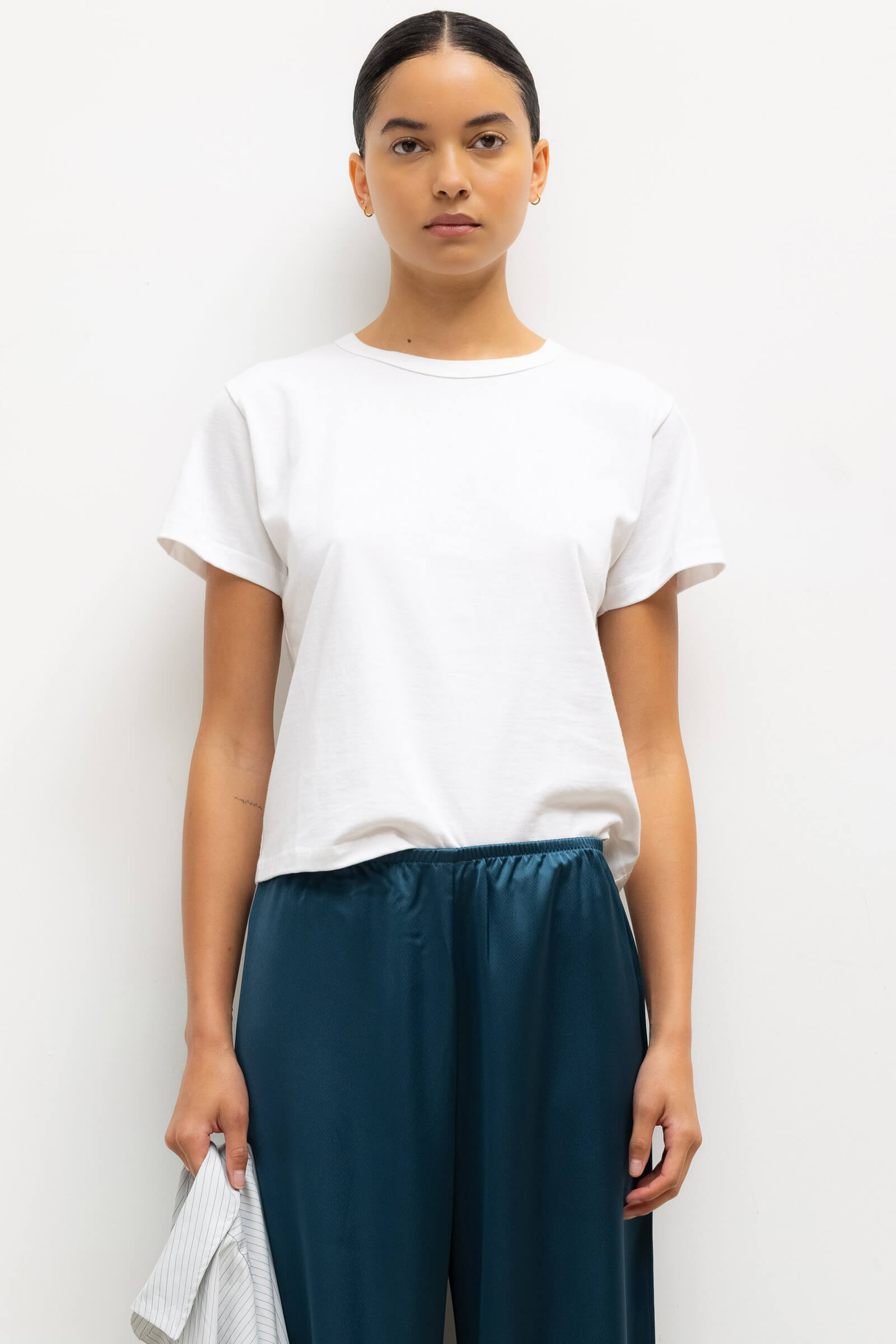
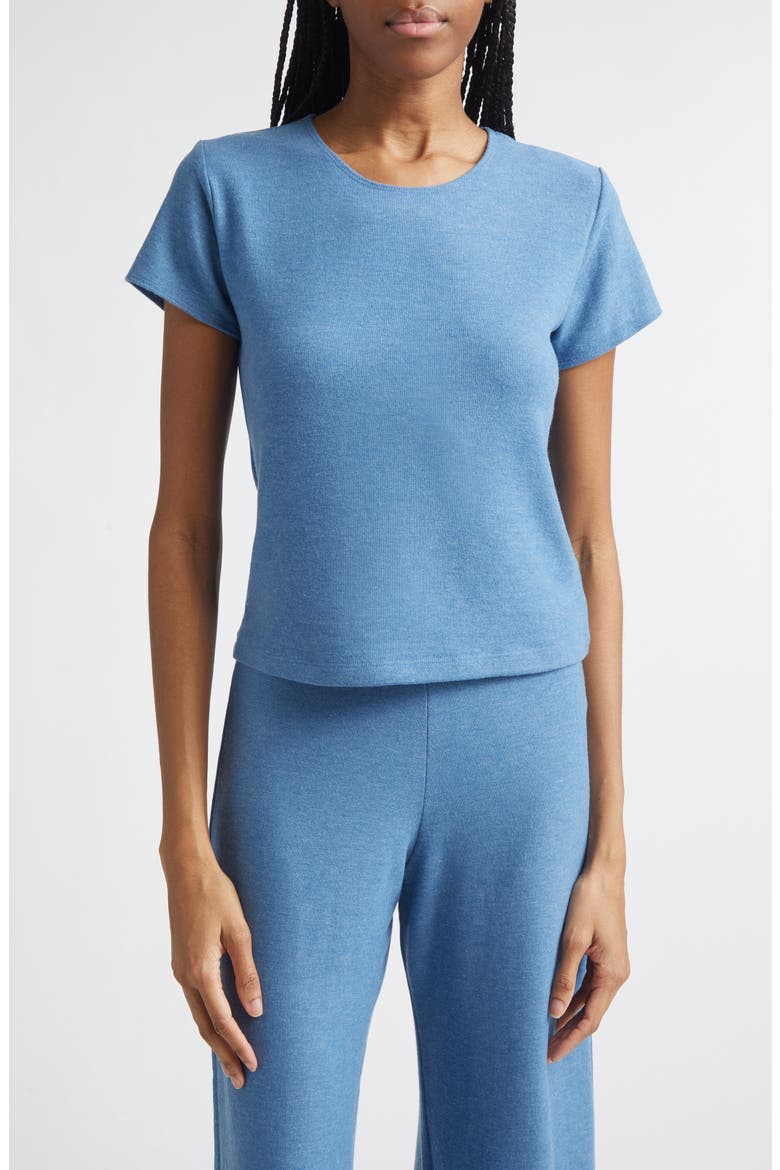
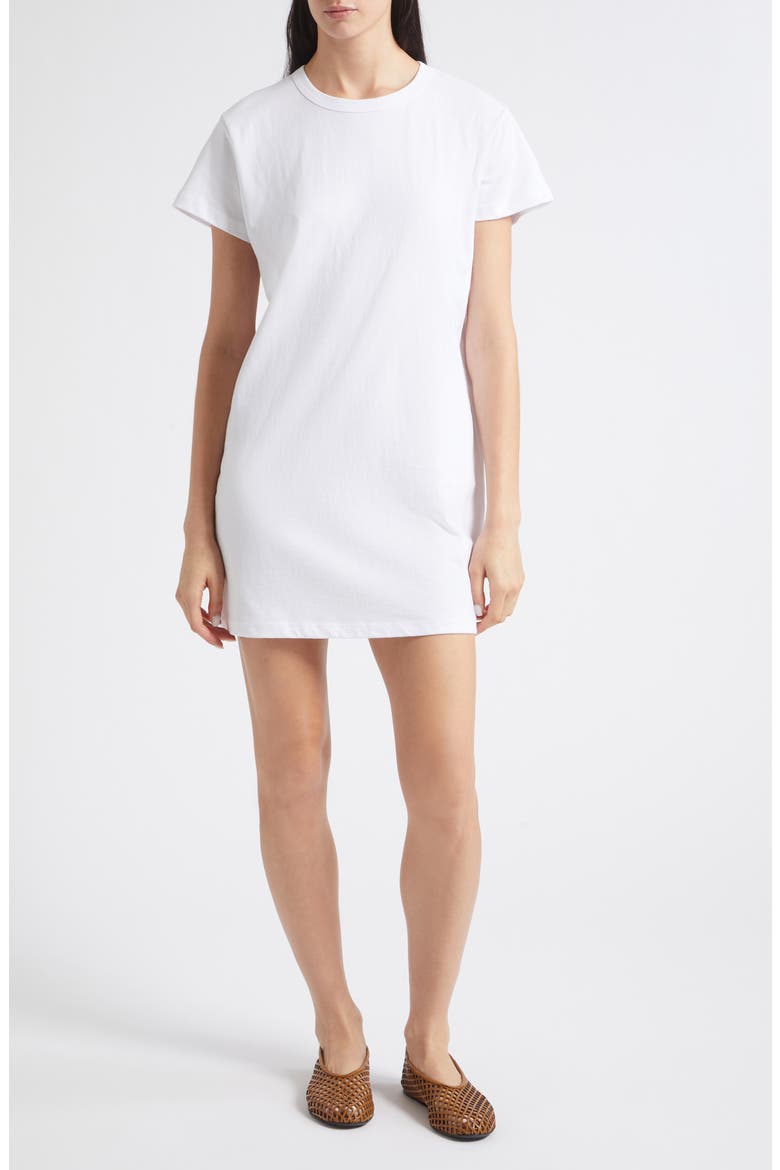
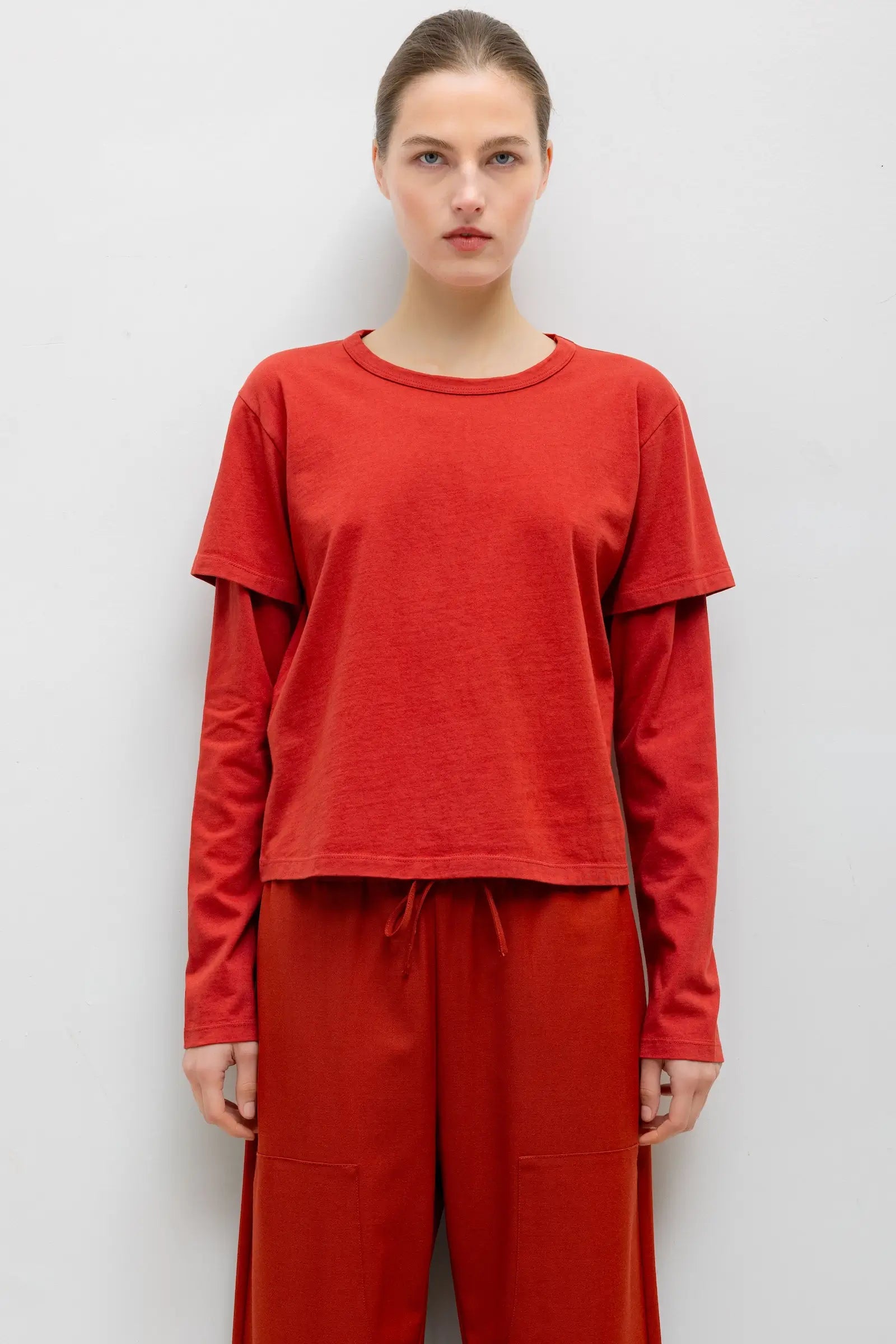
You could credit the pandemic for blurring the line between clothes worn at home and everywhere else, or "quiet luxury" for fashion’s renewed obsession with deceptively simple wardrobe staples. But that would be overlooking the foresight of Chemla, who had already bet on the shift before either entered the zeitgeist.
Leset was born out of how she wanted to get dressed: “I didn't feel as though there was a brand that accomplished that for me at all.” The proposition was simple: fashion that felt good enough to spend all day in without looking like house clothes. Yet by taking something so basic as a good white T-shirt or a satin slip skirt seriously, Leset has ended up giving women exactly what they increasingly want. “I'm constantly just observing women, and how they're dressing, and how they're wanting to dress,” Chemla says. “And more and more women are wanting to dress in a way that makes them feel comfortable and allows them to move throughout their days with ease.”
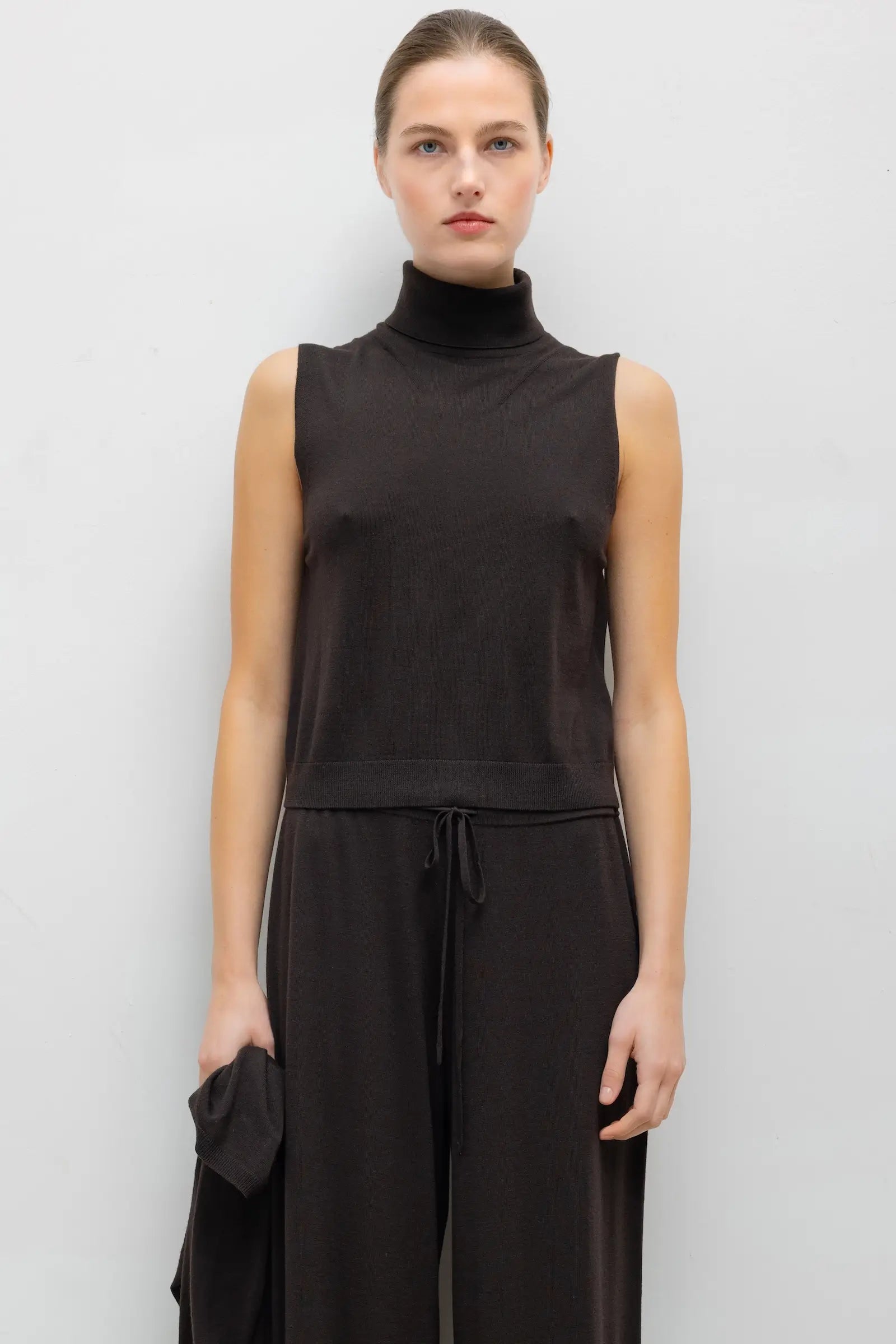
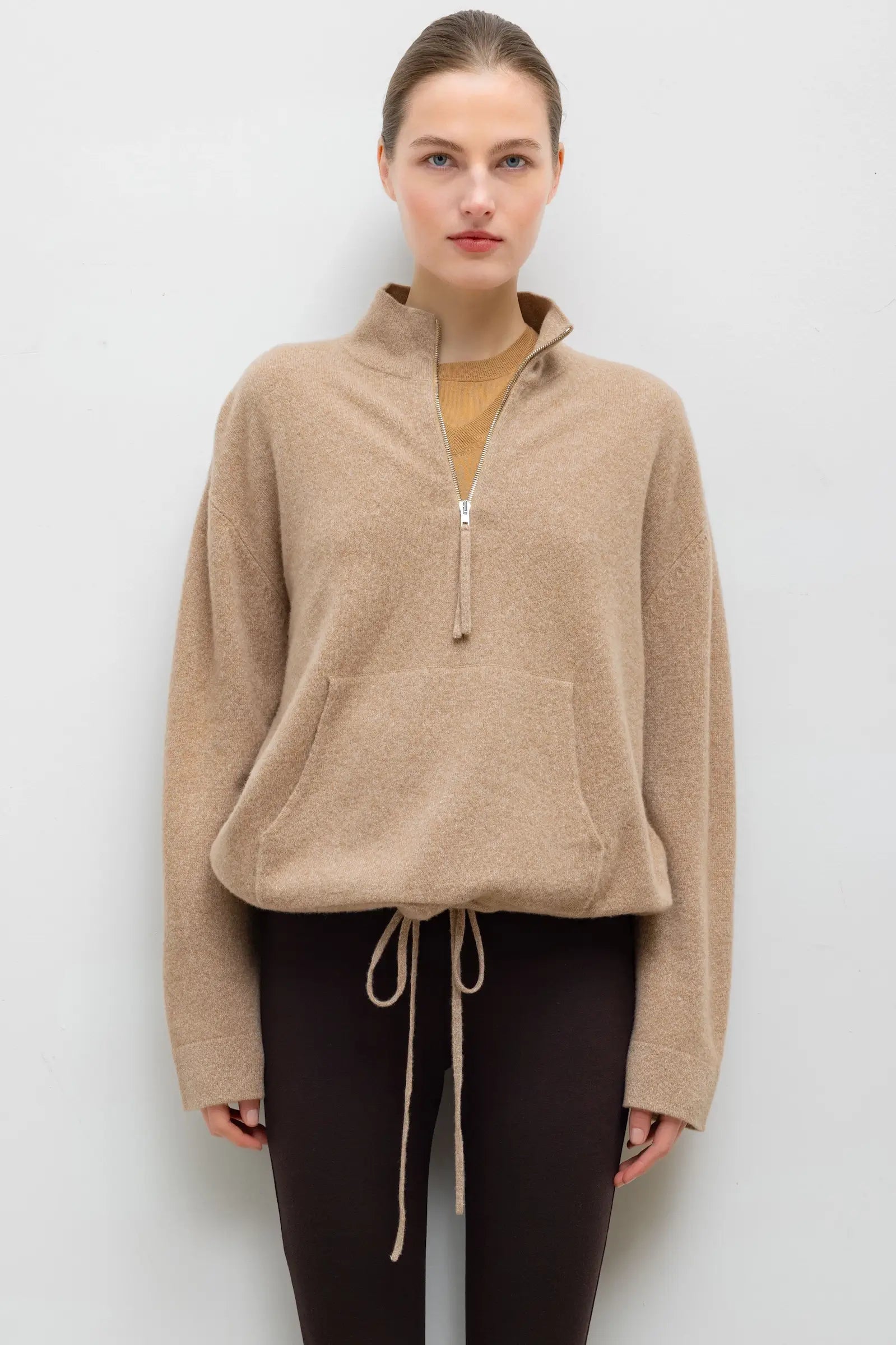
If that sounds obvious in 2026, that's precisely the point. Consider fashion’s current fixation on easy cotton pants. Leset has been making them since the beginning. “This idea of pull-on pants that feels overly trendy right now is just our norm,” Chemla says. The brand doesn't make traditional pants with rigid waistbands, buttons, or zippers, Chemla explains; elastic and drawstrings have always been fundamental to its vocabulary. Even the Kyoto Carpenter Pant, which could easily be mistaken for Leset responding to the current appetite for barrel-leg, utilitarian trousers, has been in the collection for years. “It's maybe something that seems newer on the market, but it's been a staple for us for so long now,” Chemla says.
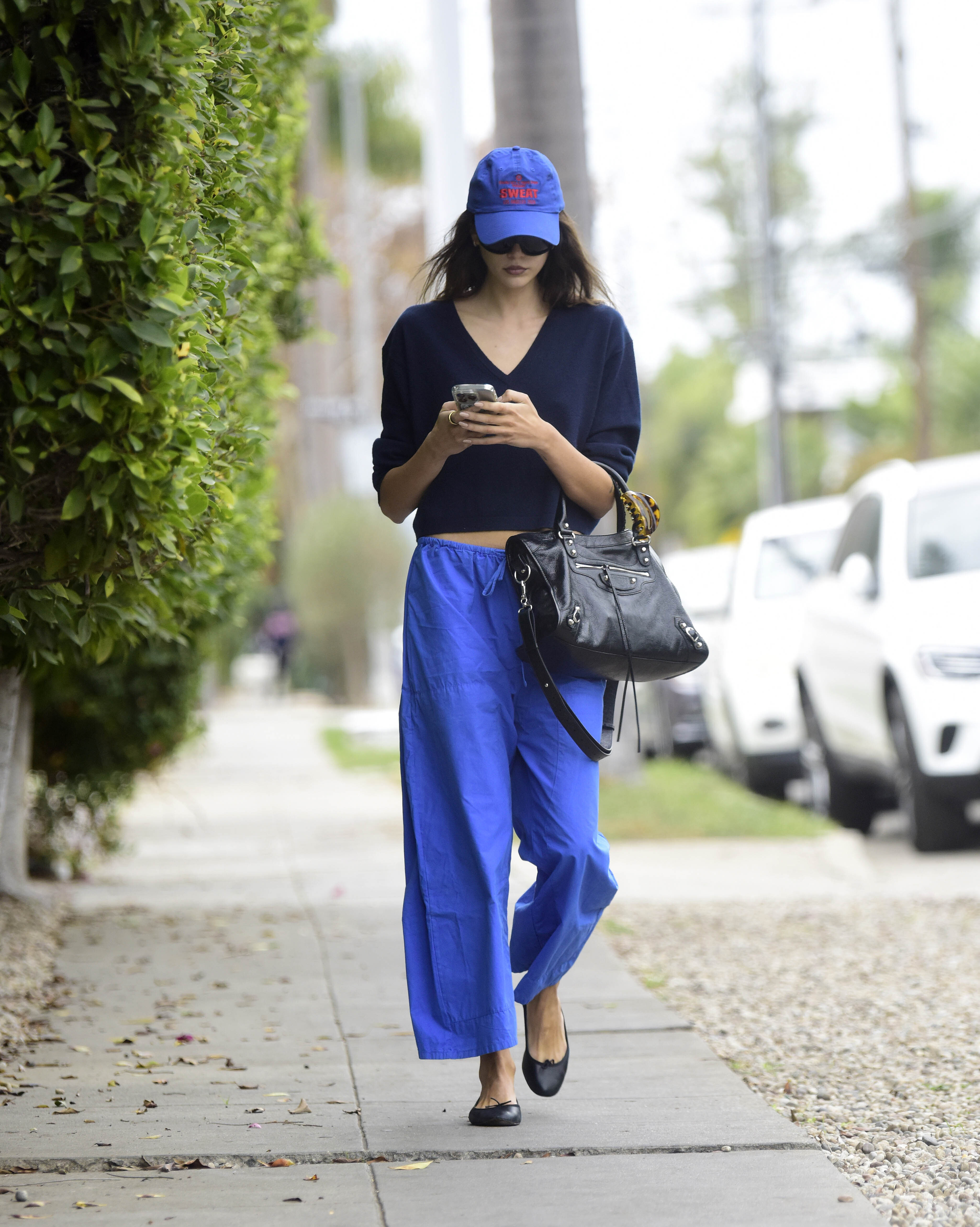
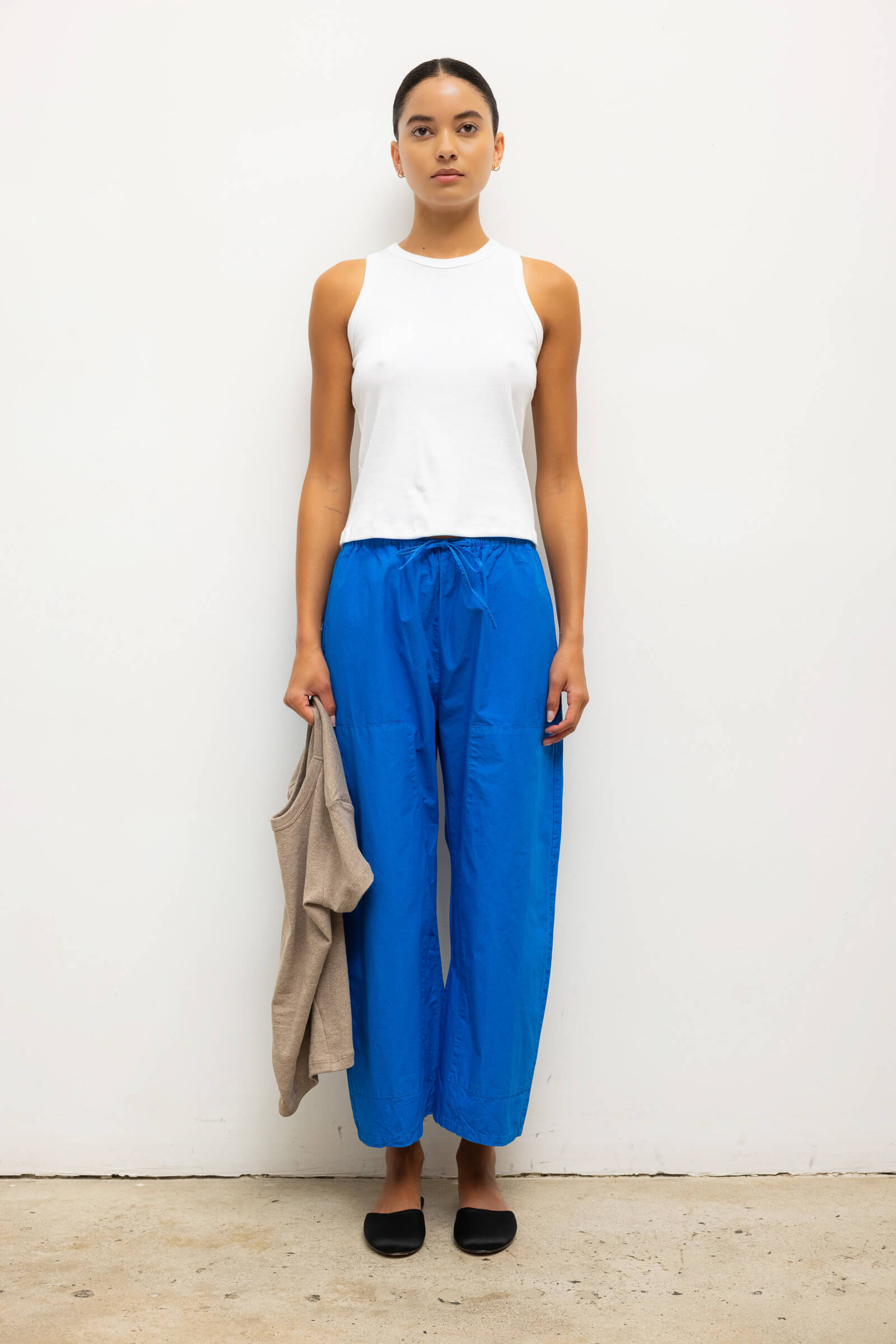
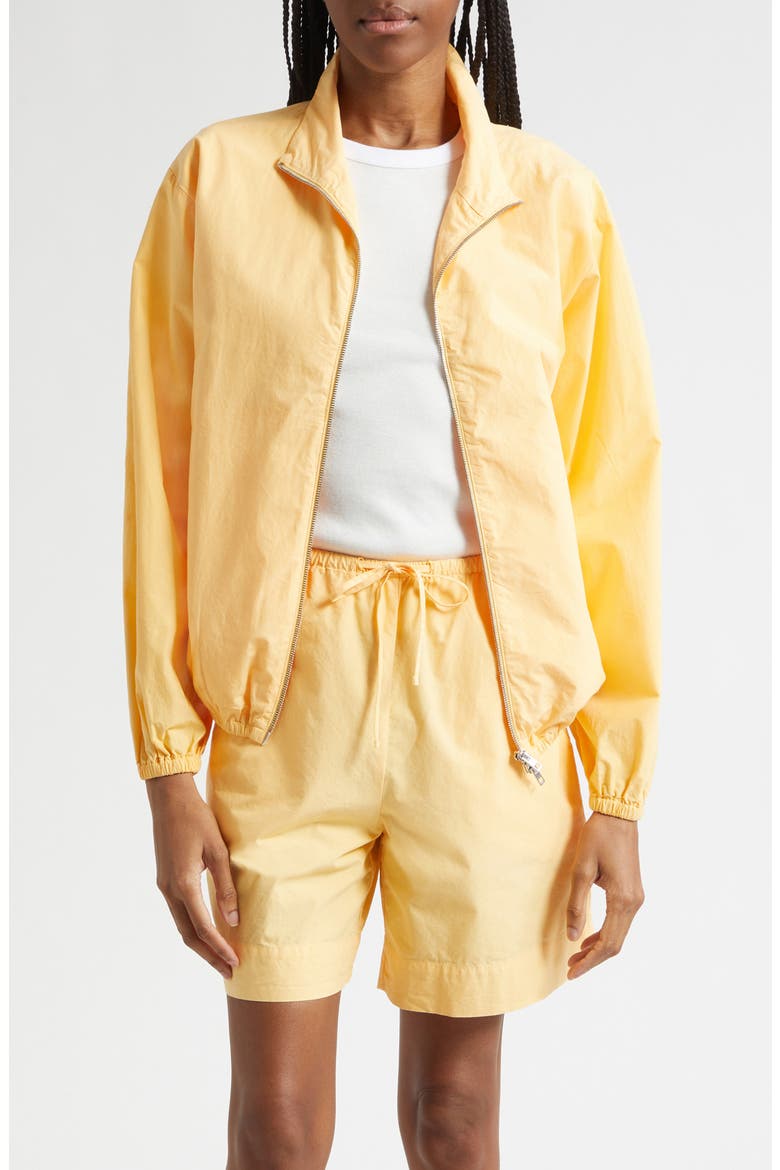
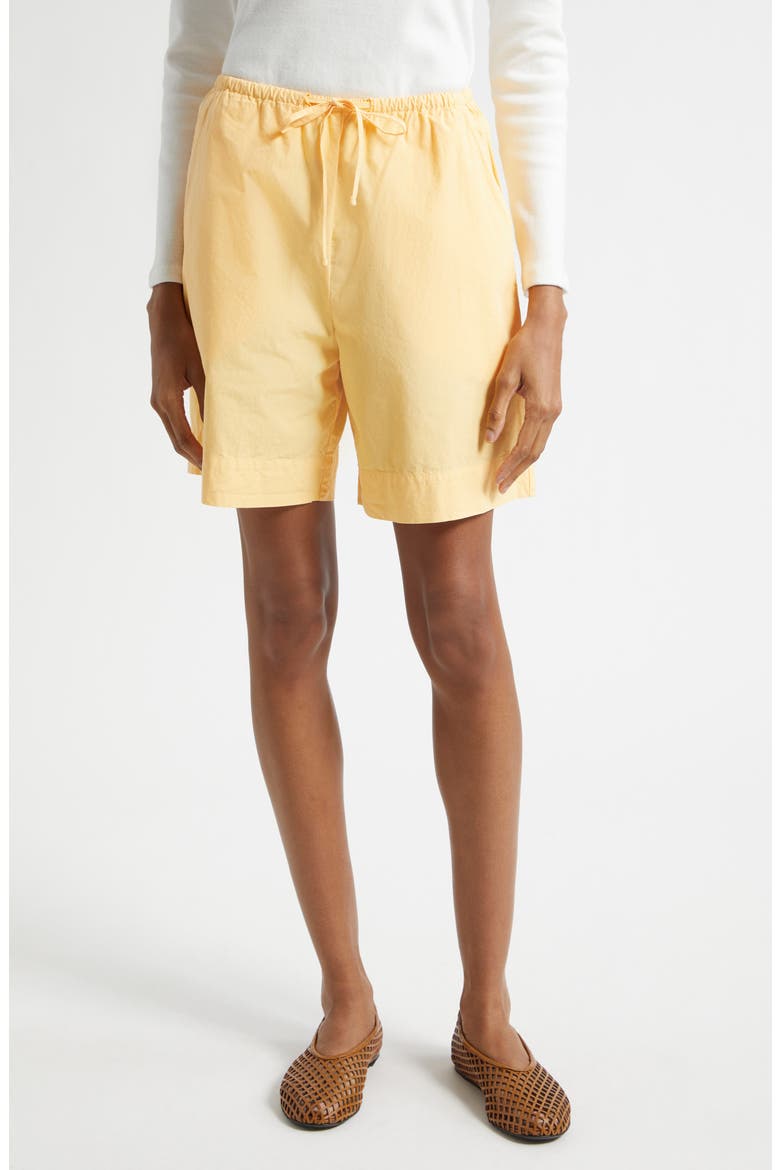
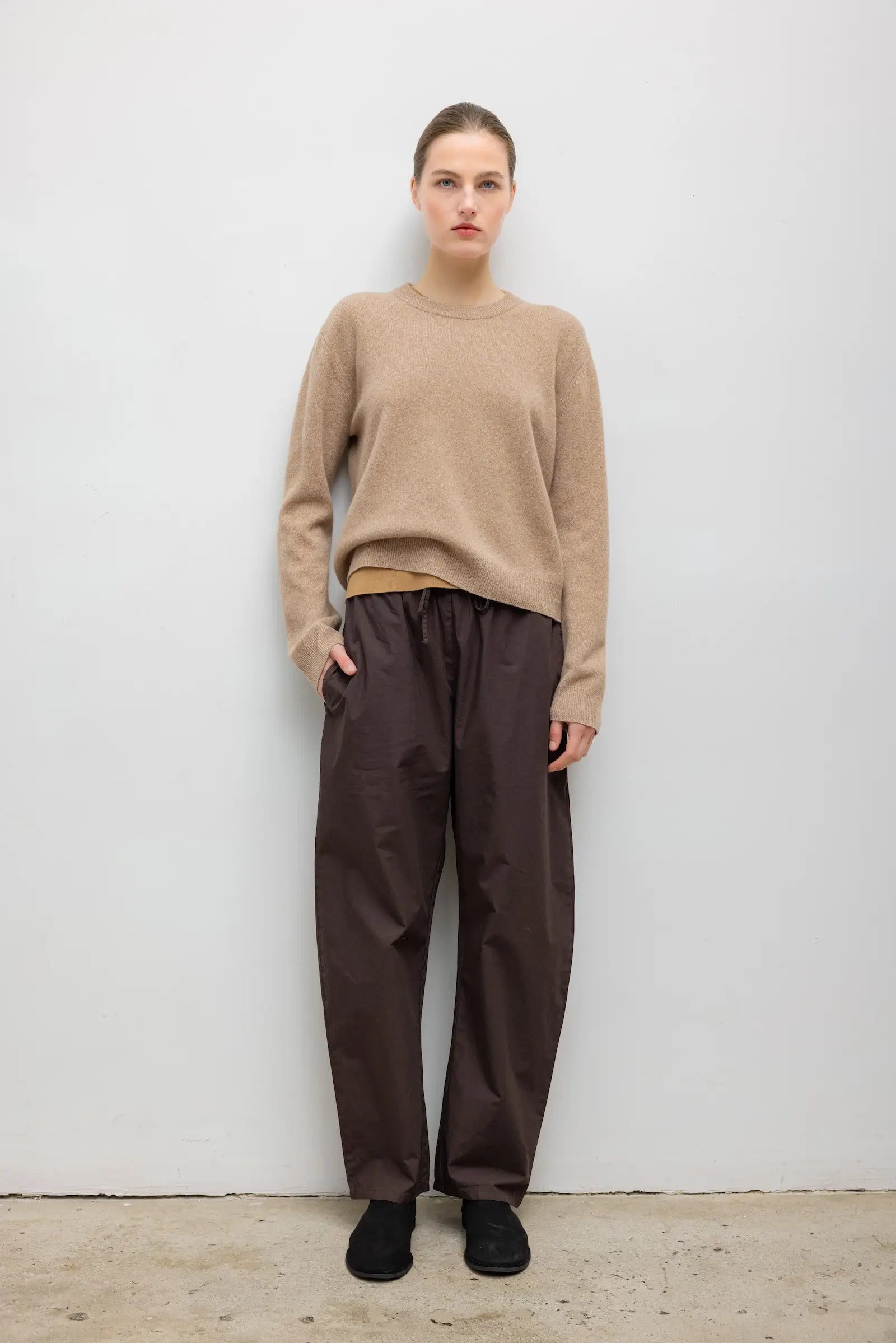
Chemla would rather make a piece that survives a trend cycle than one engineered to capitalize on it. “It's less about creating pieces of the now and more about creating pieces that women are going to want to buy and still want to see in their wardrobe 10 to 20 years from now,” she says. “So we focus really on those timeless pieces as opposed to the pieces that come and go.”
That philosophy has earned Leset perhaps the most convincing endorsement possible: Women with virtually unlimited access to fashion keep coming back to it. Lawrence has repeatedly worn the brand’s Margo tee and Yoko line. Gerber has made the Kyoto Carpenter and Arielle Pocket pants part of her off-duty wardrobe. Hailey Bieber, Dakota Johnson, Holmes, and others have all been photographed in Leset pieces—and, importantly, often more than once. Chemla says the A-list following wasn't orchestrated. “The celebrity adoption has happened so organically for us,” she says. “We have celebrities stopping into our store all the time to shop and just pick up and replenish their wardrobes.”
Early on, the first celebrity sighting felt monumental. Chemla remembers discovering Kylie Jenner had worn a Leset set and studying the photos with her team to make sure they weren't mistaken. “We just kept zooming into it, and we were 100 percent certain it was ours, but we almost just couldn't believe it,” she says. Celebrity sightings are considerably less surprising these days. “It's become such a natural part of the business,” Chemla says. “Obviously, we're so grateful for that because that has an incredible impact, but it hasn't necessarily been the focus of the brand.”
Perhaps that lack of focus on celebrity is exactly why Leset has become so ubiquitous among them. The brand’s clothes don’t require a styling team to make sense of them. They're what famous women wear in the decidedly un-famous parts of their lives: grabbing coffee, getting on planes, or running errands (though there have been plenty of Leset red carpet appearances, too).
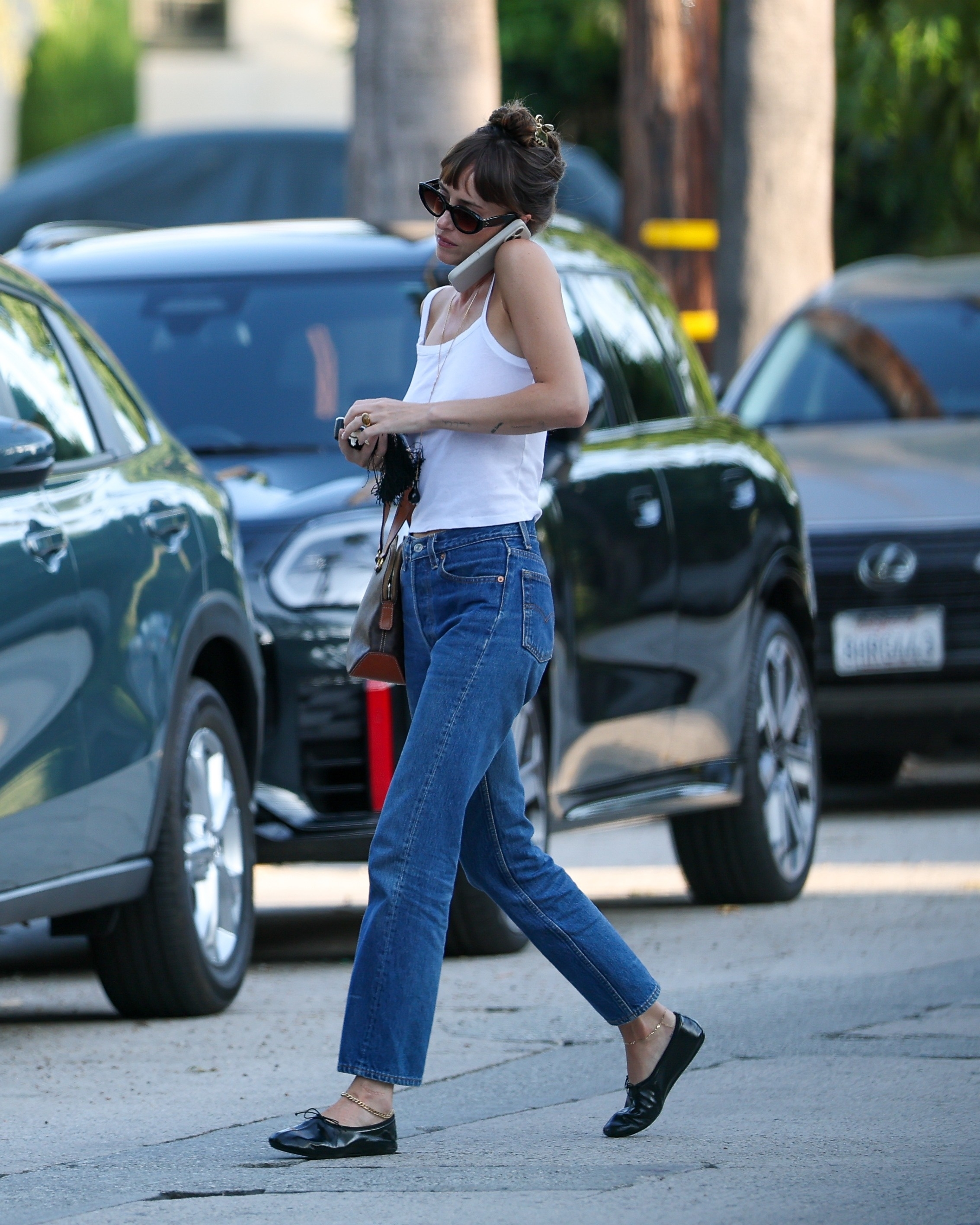
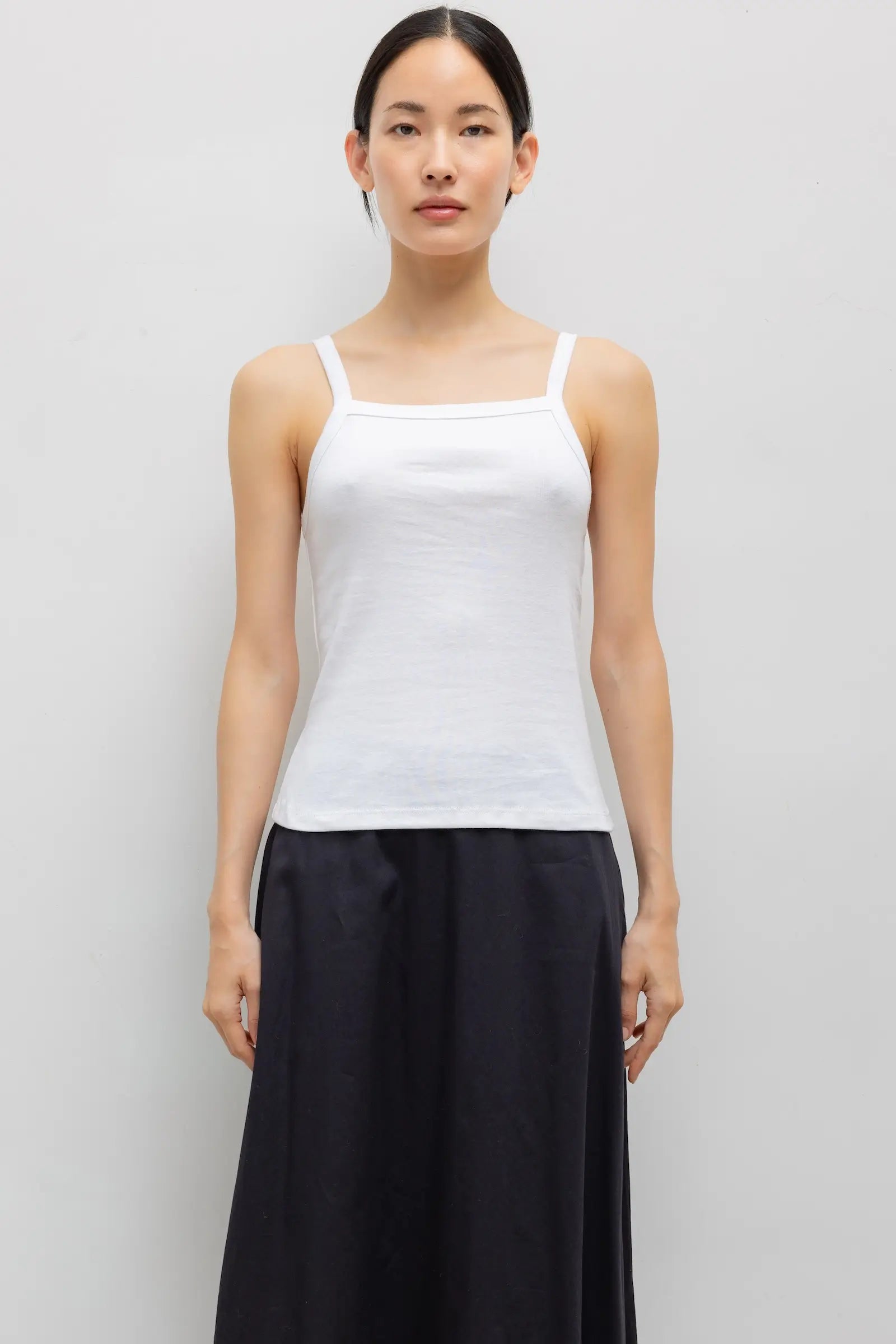
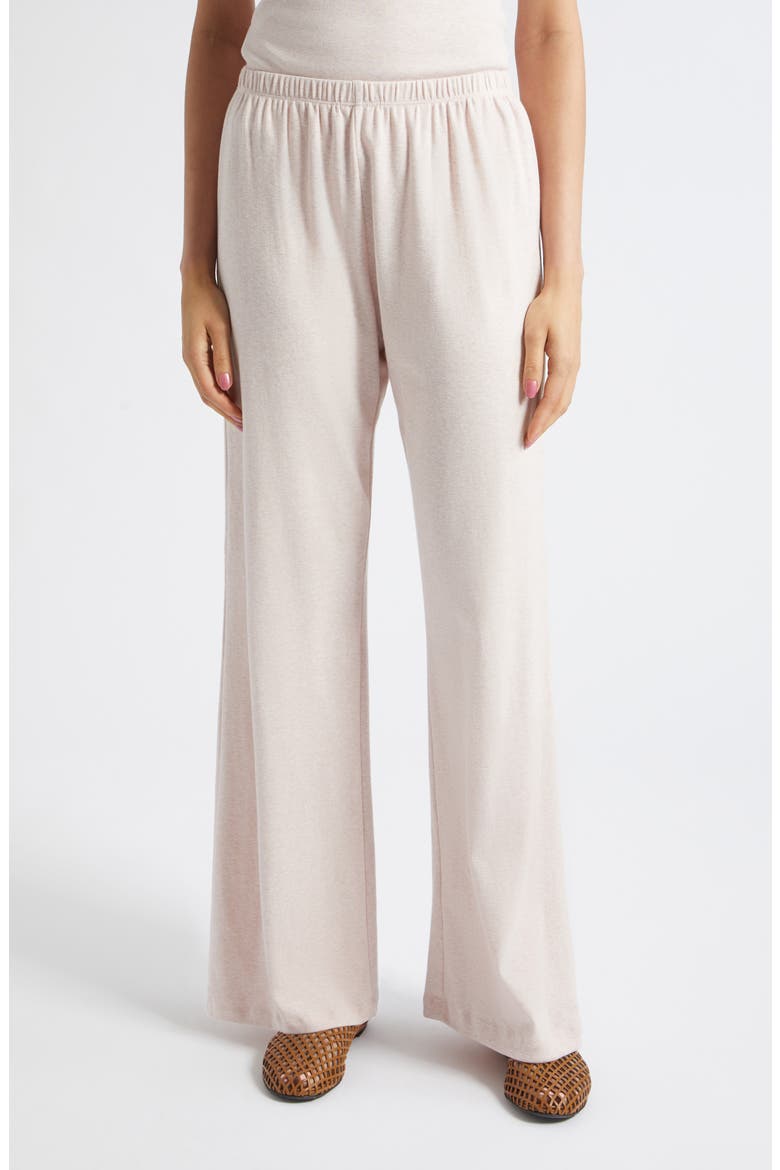
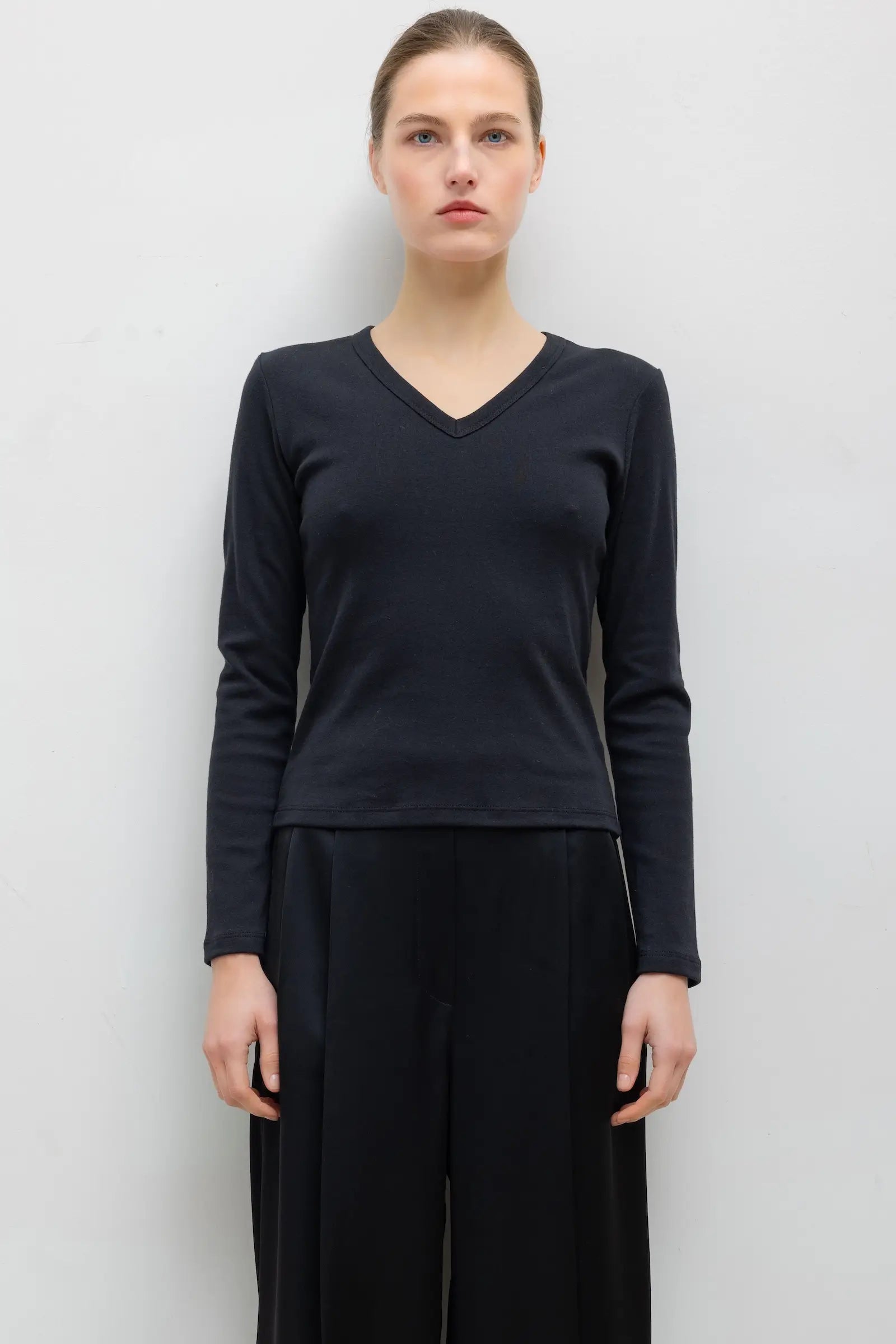
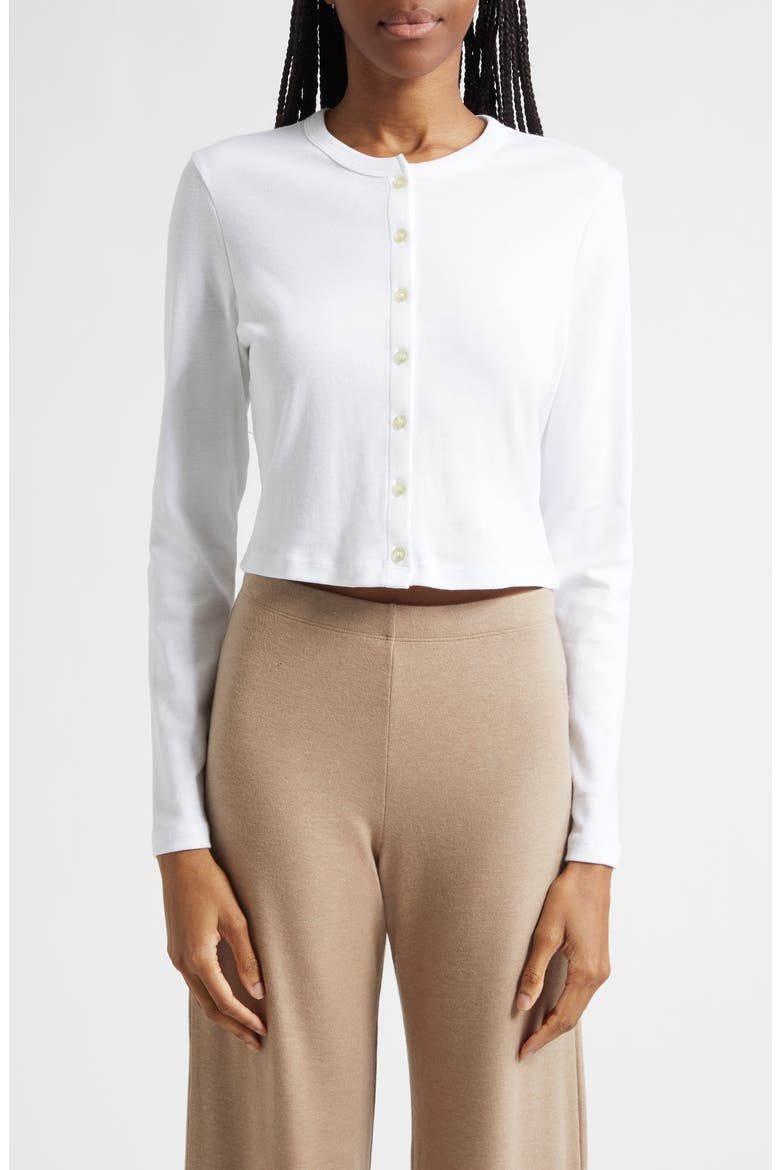
Meanwhile, the rest of fashion has increasingly entered the category retailers once couldn't figure out how to merchandise, with a new “Leset pant” dupe popping up on my feed every month. Chemla isn't particularly concerned about competitors. “For us, it's really about just staying in our lane with our blinders on and not looking at what other people are doing and how they're doing it,” she says. Her analogy is: “It's like driving on a highway, and we're just on cruise control in the HOV lane, and people are coming in and out.”
Staying in that lane has occasionally meant leaving money on the table. In Leset's early years, Chemla says wholesale partners approached the brand about exclusive colors and altered versions of its products—even asking whether Leset could add conventional closures to its pants. “It was hard,” she says. “Seeing those dollar signs in front of us and having to just say no in that moment, knowing that it would benefit the longevity and the long-term business overall was so important to where the business is now.”
That “restraint,” she says, became one of Leset's most important growth strategies. “We've never wanted to do something that doesn't feel like Leset just to do it because it might bring in a big sale in the moment.” Instead, decisions are considered in terms of how they might affect the company's identity five or 10 years down the line. Ironically, growth has given Chemla more freedom to be particular. When Leset launched, approximately 80 percent of its business was wholesale and 20 percent direct-to-consumer. Today, Chemla says, between 60 and 70 percent comes directly from its customers. “Making that flip was always the goal because it gave us more freedom to dictate what we were able to produce and not produce as a small business,” she says.
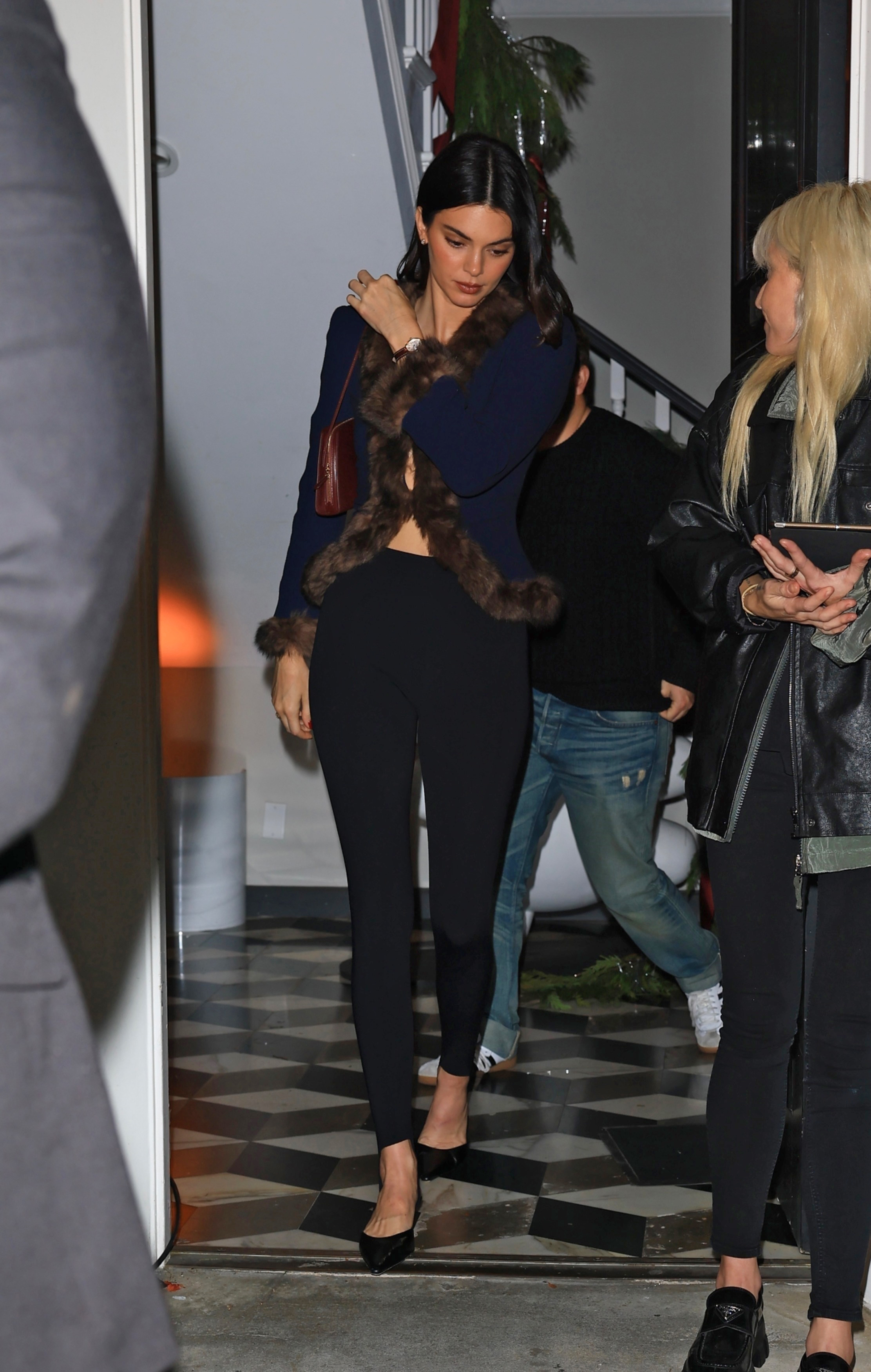
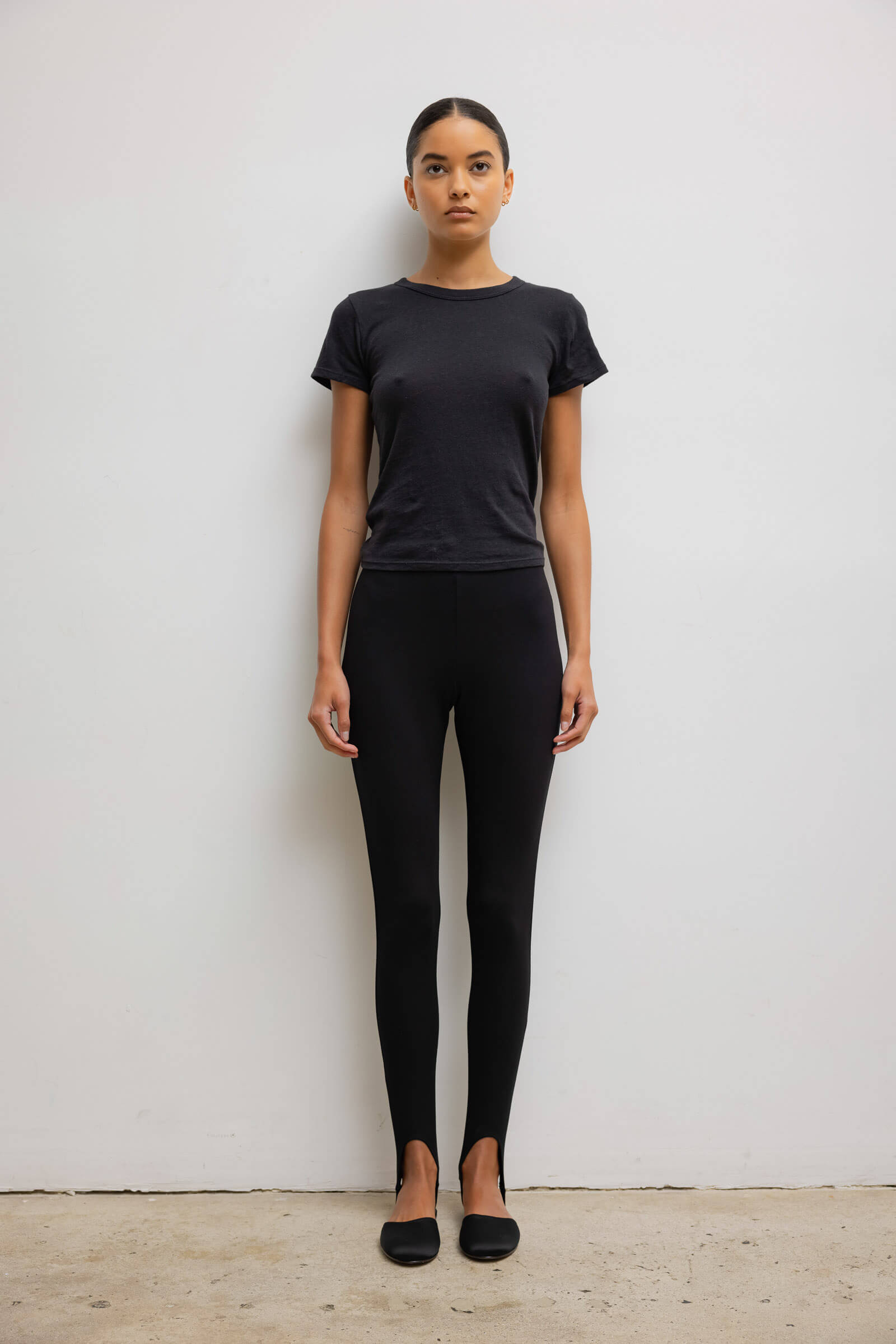
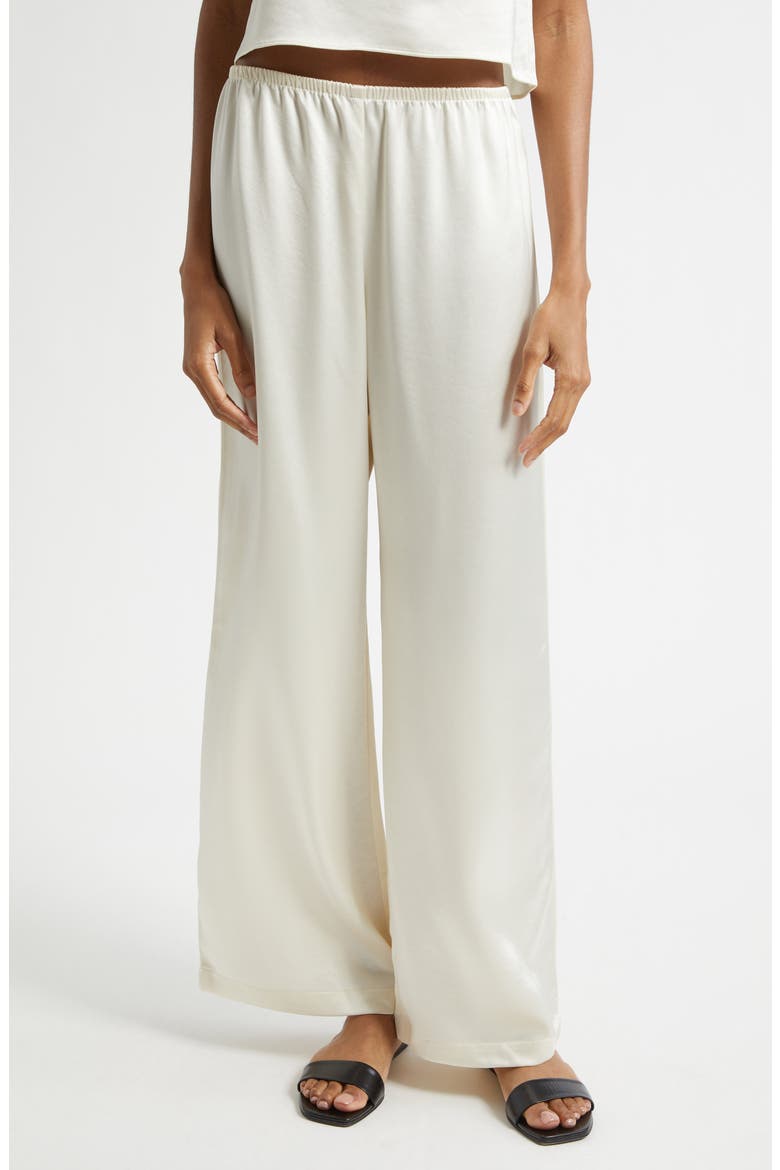
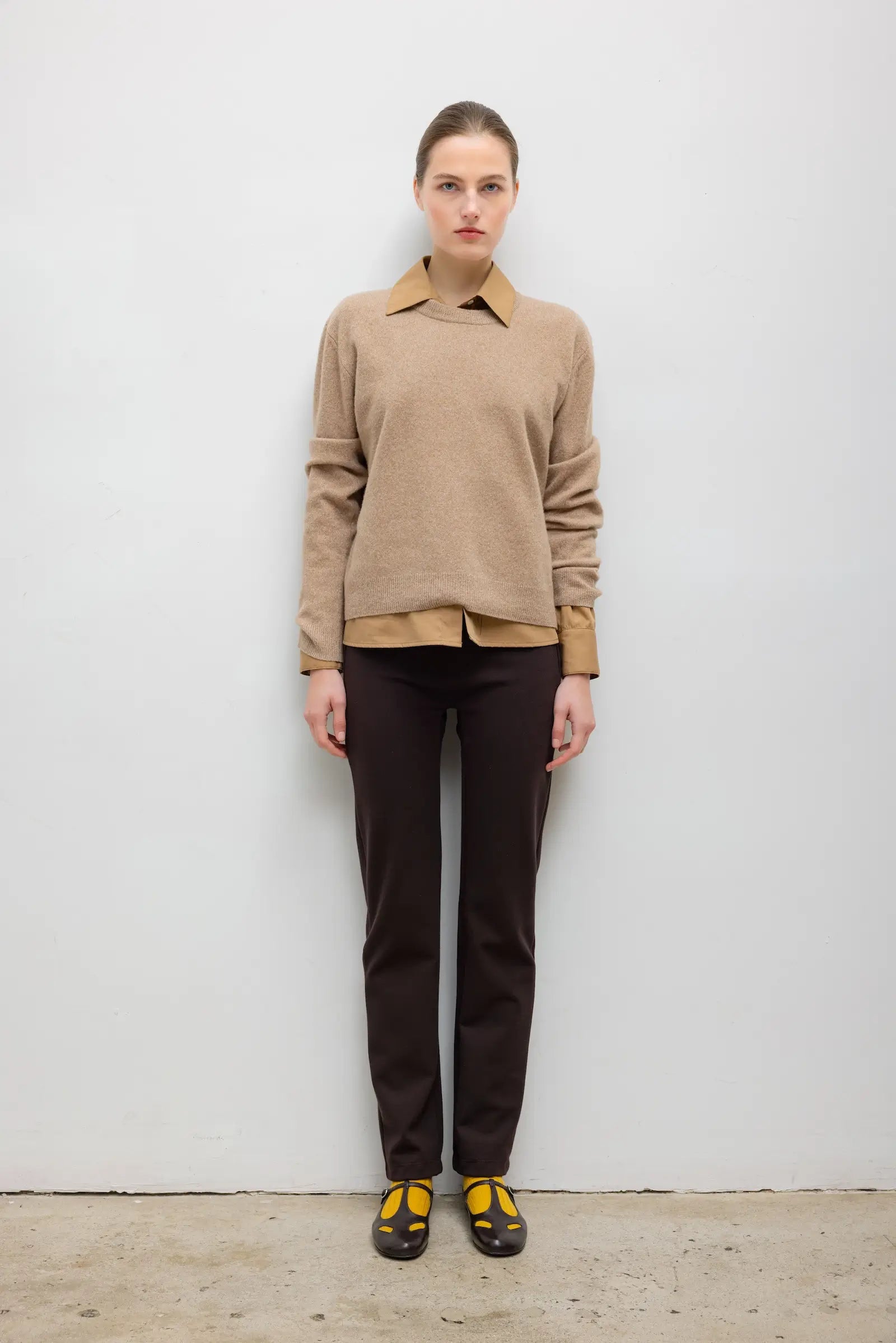
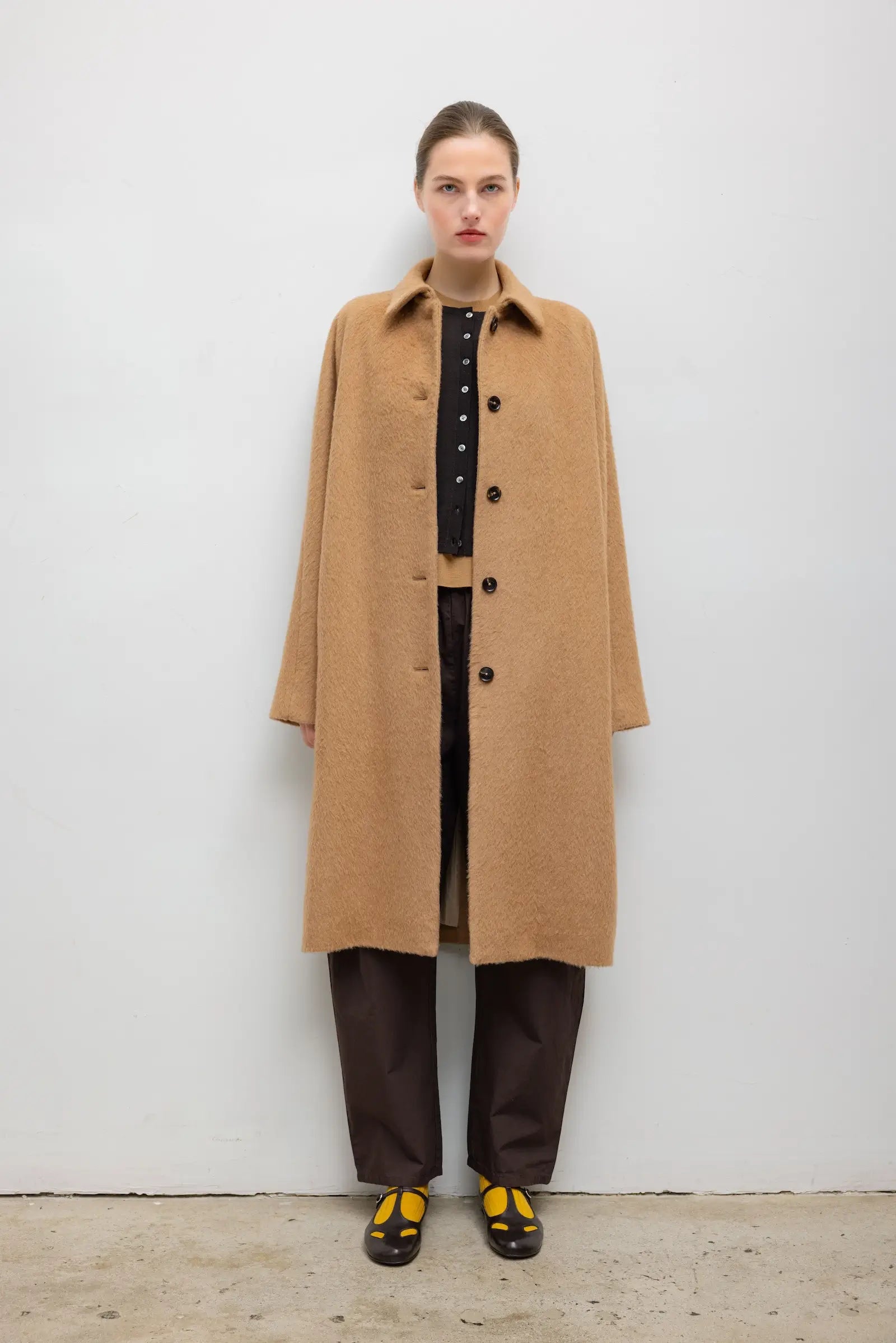
There were pieces Chemla wanted to make from the beginning that never reached shoppers in the early years. Leset's first collection, for instance, included a full-length, double-faced red cashmere coat. Buyers weren't willing to take a chance on the higher price point, and Leset was too small to fund the inventory itself, so it never made it. Now, the brand can make those decisions on its own. “Being able to produce those styles that wholesalers weren't necessarily backing before has been one of the most exciting parts for me in the past two or three years,” Chemla says. “It's given us freedom in terms of our voice.”
That freedom is showing up in higher-priced fabrics and outerwear—the new fall collection features a $2,000 camel hair car coat—and an expanding universe of accessories. Leset has introduced socks, shoes, and hats, with each category intended to build toward a complete wardrobe. “You'll always see us expanding into categories that just feel like natural wardrobe essentials,” Chemla says. “We really do want women to be able to get dressed in Leset head to toe.”
For all the brand has expanded, Chemla's barometer for what belongs in that closet remains personal. “Instinct is a big one for me and just my gut feeling,” she says. When Leset has made something she doesn't fully believe in—or wouldn't put in her own wardrobe—she says it has generally proved to be a mistake. So she continually returns to the same questions she asked at launch: Who is the Leset woman? What is she doing? How is she living? And what does she actually want to wear while doing it?
Seven years ago, department stores couldn't figure out where Leset's clothes belonged. Today, women wear elastic-waist trousers to work, under-$100 T-shirts with four-figure handbags, and clothes built for comfort just about everywhere. “I think that that gray space is now the norm,” Chemla says. “Which is very exciting—that we've built it into something that is widely accepted, wanted, and appreciated.”
Leset once needed retailers to create a floor in between. Instead, the rest of fashion moved there.
Read on the original site
Open the publisher's page for the full experience