How Rachel Scott Became the Creative Director of Proenza Schouler
Our take
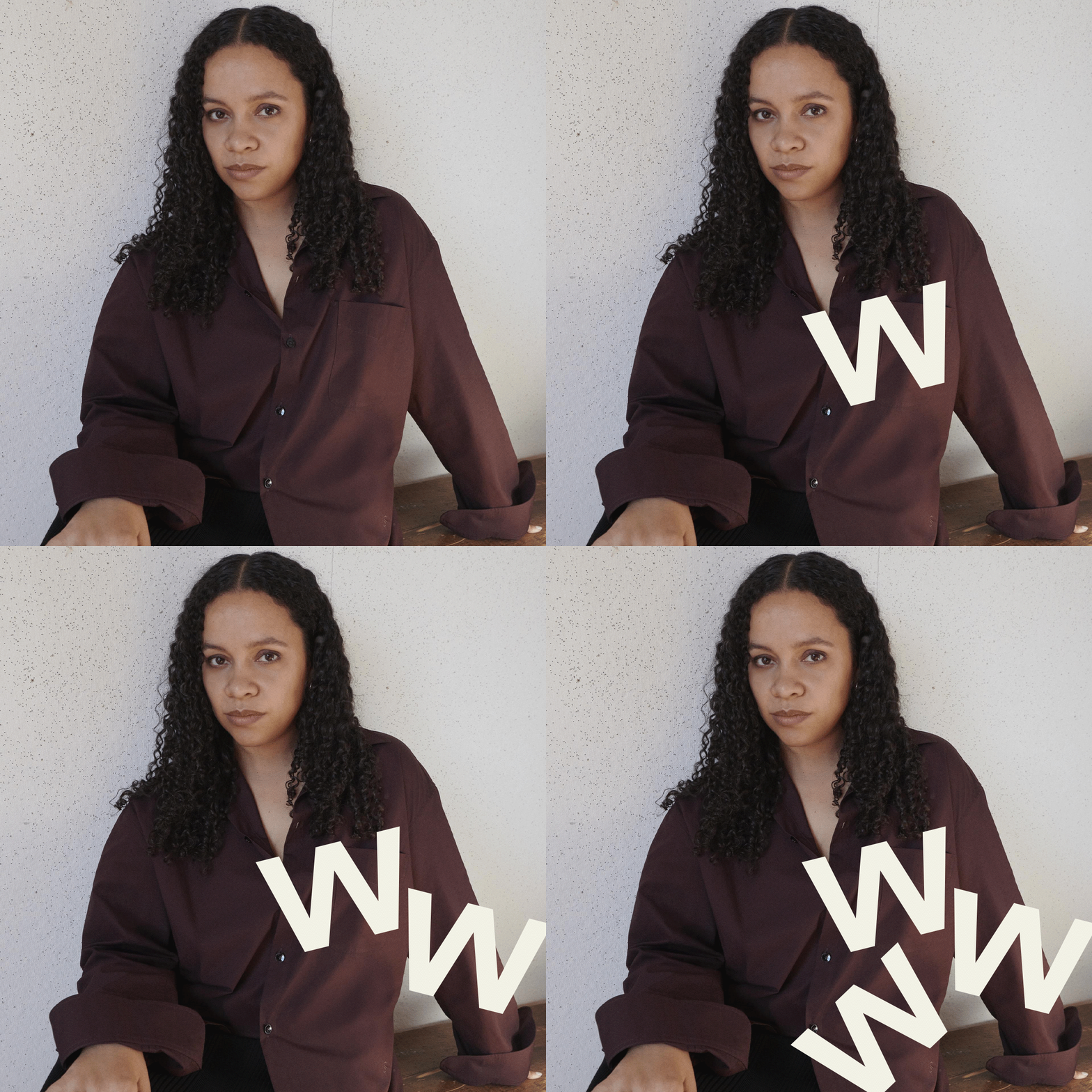
The ascent of Rachel Scott to Creative Director of Proenza Schouler marks a significant moment, not just for her personally, but for the evolving landscape of luxury fashion. The *Who What Wear Podcast* interview details a journey less about conventional pedigree and more about a keen eye, relentless curiosity, and a willingness to absorb and synthesize diverse influences. It's a narrative that resonates with a growing desire within the industry for creative leadership that isn’t solely defined by years spent climbing the traditional design hierarchy. Scott’s background, encompassing roles in styling, casting, and visual direction, speaks to a more holistic understanding of brand identity – a crucial asset in today’s visually saturated world. This contrasts with the more classically trained designer route, and offers a compelling alternative model for shaping a brand’s narrative. Her ability to translate a mood and feeling into a tangible aesthetic, honed through her styling work, is clearly a key factor in her success, echoing the importance of visual storytelling explored in articles like My Vermont Vacation Was So Chill—But My Packing List Featured 18 Pieces of Pure Maximalism, which highlights the power of personal expression within a broader style framework.
Scott’s story also underscores the increasing importance of the “eye” – the ability to curate, conceptualize, and communicate a distinct visual language – over purely technical design skills. Her big break, seemingly stemming from a chance encounter and a demonstrated ability to understand Proenza Schouler’s DNA, highlights the value of adaptability and a strong point of view. It’s a far cry from the rigidly structured pathways that once dominated the fashion world. The interview's focus on her observational skills and her ability to “see” the brand's potential is particularly insightful. This aligns with the broader industry conversation around honoring heritage while simultaneously pushing boundaries. The reference to Marilyn Monroe in All The Times Fashion Designers Have Referenced Marilyn Monroe illustrates how designers draw inspiration from cultural icons and reinterpret them for modern audiences – a skill that seems inherent to Scott's approach. Her success suggests that brands are increasingly seeking leaders who can bridge the gap between design and the overall brand experience, rather than simply producing garments.
The implications of Scott’s appointment extend beyond Proenza Schouler. It signifies a potential shift in the criteria for creative leadership within luxury houses. While technical expertise remains valuable, the ability to cultivate a cohesive brand narrative, understand consumer sentiment, and create visually compelling campaigns is becoming increasingly paramount. The traditional notion of the solitary, technically brilliant designer is slowly giving way to a more collaborative and multifaceted role. Her focus on building relationships and fostering a creative environment—a theme that resonates with the understated elegance discussed in Elegant Women in Their 20s and 50s Agree: This Is How to Cuff Your Jeans—suggests a leadership style more attuned to the demands of a modern, interconnected world. This is particularly relevant as luxury brands grapple with authenticity and connection in the age of social media.
Looking ahead, it will be fascinating to observe how Scott shapes Proenza Schouler's aesthetic and brand identity. Will she maintain the brand’s signature intellectual and slightly subversive edge, or will she usher in a new era? More broadly, will other luxury houses follow suit and prioritize creative directors with diverse backgrounds and a strong understanding of visual culture? The fashion world is constantly evolving, and Rachel Scott’s story serves as a compelling case study for the future of creative leadership – a future that appears to value vision and versatility as much as, if not more than, traditional design skills.
Welcome to The Who What Wear Podcast. Think of it as your direct line to the designers, stylists, beauty experts, editors, and tastemakers who are shaping the fashion-and-beauty world. Subscribe to The Who What Wear Podcast on YouTube, Apple Podcasts, and Spotify.
Fashion designer Rachel Scott has been making clothes since she was a little kid.
"I've always been obsessed with making clothes," Scott said. "It's just something that was in my upbringing and my childhood."
After studying French and art, Scott moved to Milan, where she began working in the fashion industry.
Scott eventually made her way to New York City, where she continued working in the business until she decided to take a leap of faith and launch her own brand, Diotima.
For the latest episode of The Who What Wear Podcast, Scott shares how she launched her own line, how she became the creative director at Proenza Schouler, and more.
To read excerpts from the conversation, scroll below.
Tell me how you got your start in fashion, and what drew you to creating Diotima?
I've always been obsessed with making clothes. It's just something that was in my upbringing and my childhood.
I used to make clothes for myself to go to parties. Not the same type of clothes I make now.
How are they different?
They were micro. I did grow up in Jamaica, so tiny, tiny skirts and triangles for tops.
I love fashion, and I grew up in the heyday of Vogue Italia, and I was obsessed.
I grew up in Kingston, and I really wanted to get a really broad education.
I didn't study fashion initially. I studied French and art and then ended up going to Italy and studied fashion there and began my career in Milan and then worked there for a few years and then ended up moving to New York.
Then was just in the industry for a long time and loved my job and loved what I did, but I had a full very typical existential kind of crisis in the early days of the pandemic.
I think I just really needed to find meaning in what I was doing every day.
I think I was just kind of lost, and I wasn't sure what I was doing anymore and decided that I needed to do something for myself, and that's why I launched Diotima.
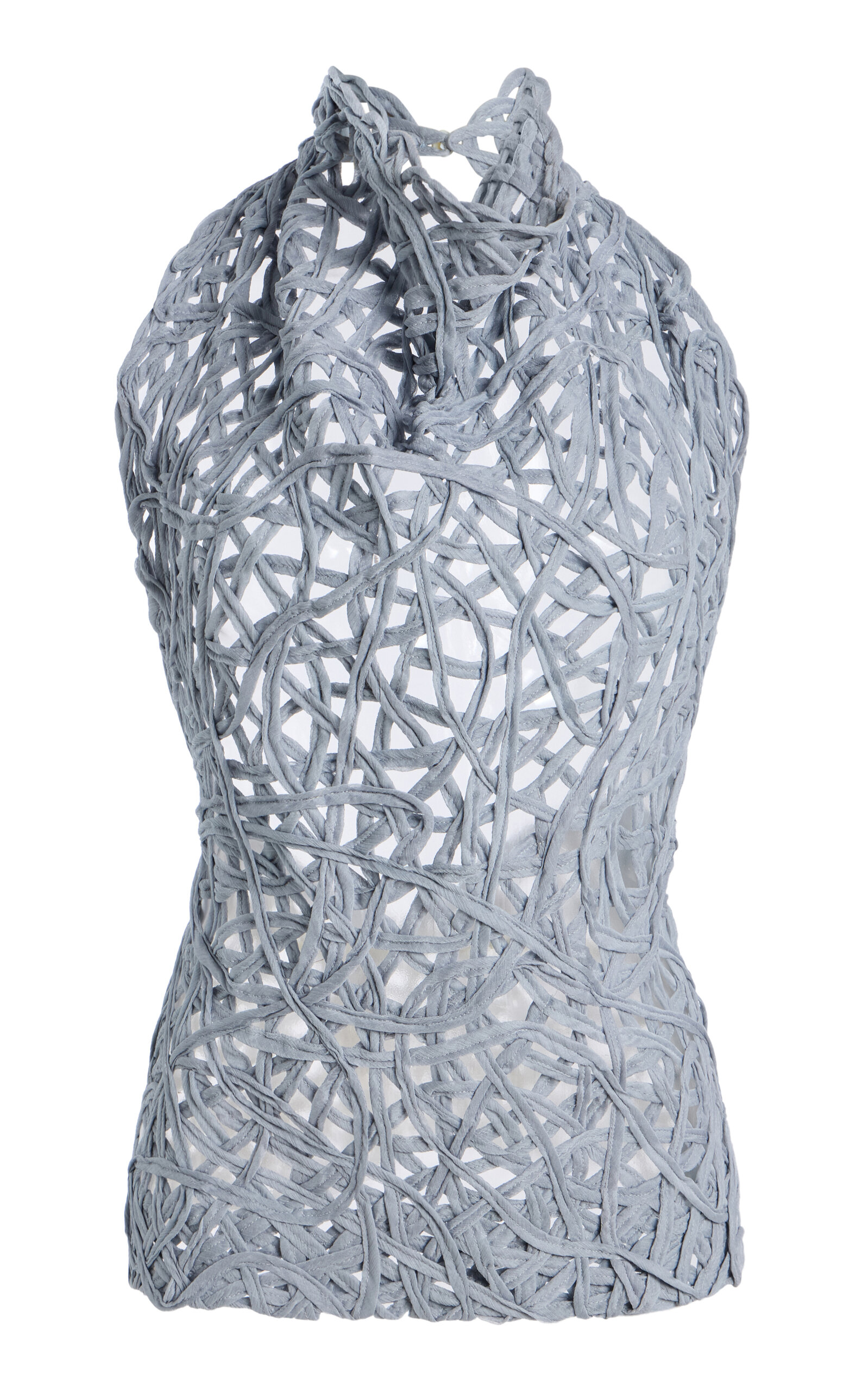
Since we last spoke, you have, of course, become the creative director of Proenza Schouler. Can you share the story of how you landed the role?
It was super exciting for Jack [McCollough] and Lazaro [Hernandez]—this opportunity that they had [to take over Loewe].
I'd never met them before, which is really funny. We knew of each other. I was a big fan. Have always been.
They're a few years older than me, and so I always looked up to them and admired what they did.
The brand holds such a special place in New York fashion and American fashion in a way that it was just incredible.
It was very much New York, and it's very much an American brand, but it kind of superseded these ideas of what an American brand should be, so I was sad when I heard that they were leaving their brand that they founded.
I think the guys, obviously, really wanted to make sure that it was going to be in good hands because I can't imagine how difficult that must be to leave something that you founded and had for nearly 25 years at the time when they left.
They were on a long search, and the current CEO, Shira Snyder, reached out to me and was like, "We're not sure what we're going to do. We really love your work. Would you be interested in just like helping us get through this period? Because I know you're busy with your brand Diotima." I was like, "Sure, that sounds really fun."
I went in kind of secretly at the end of early summer last spring and just started supporting the team.
I think within less than a month, Shira was like, "This is actually going really well. Would you like to officially have the role? And I was like, 'Great, yeah.'"
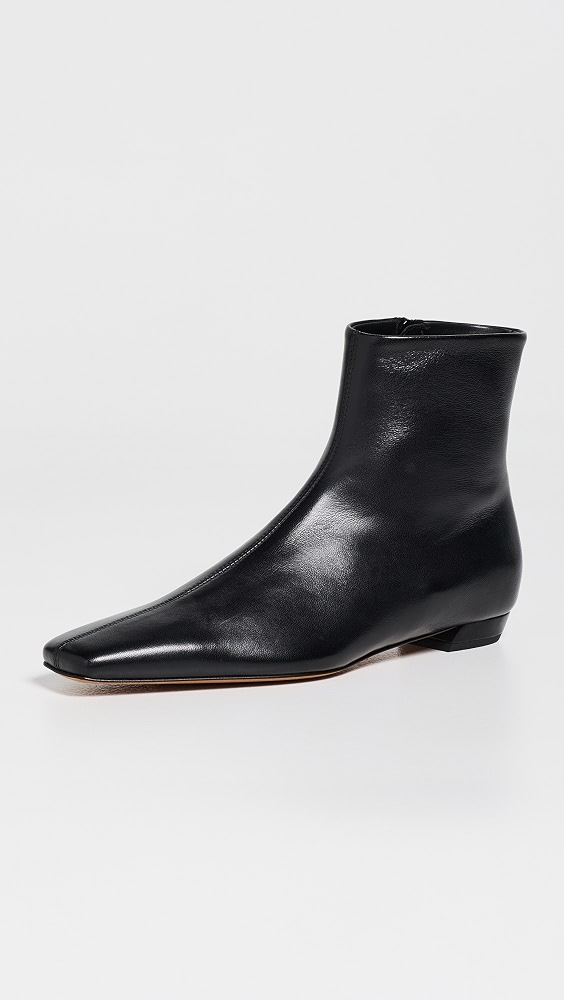
I have a quick lightning round. Most challenging piece you've ever designed?
The most challenging things are trying to make things that I would find conservative interesting, like a skirt set.
If I find something conservative, it bothers me, and then I have to find a way, like I said, to make it interesting to me.
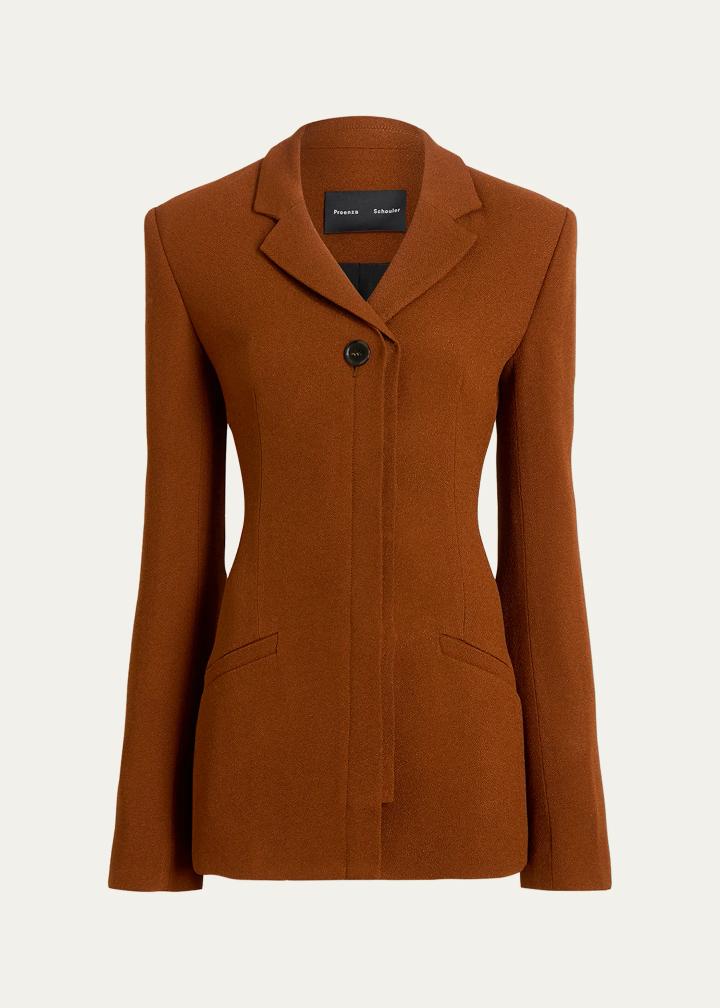
Current material or pattern or silhouette that you're obsessed with?
I'm really into animal prints these days.
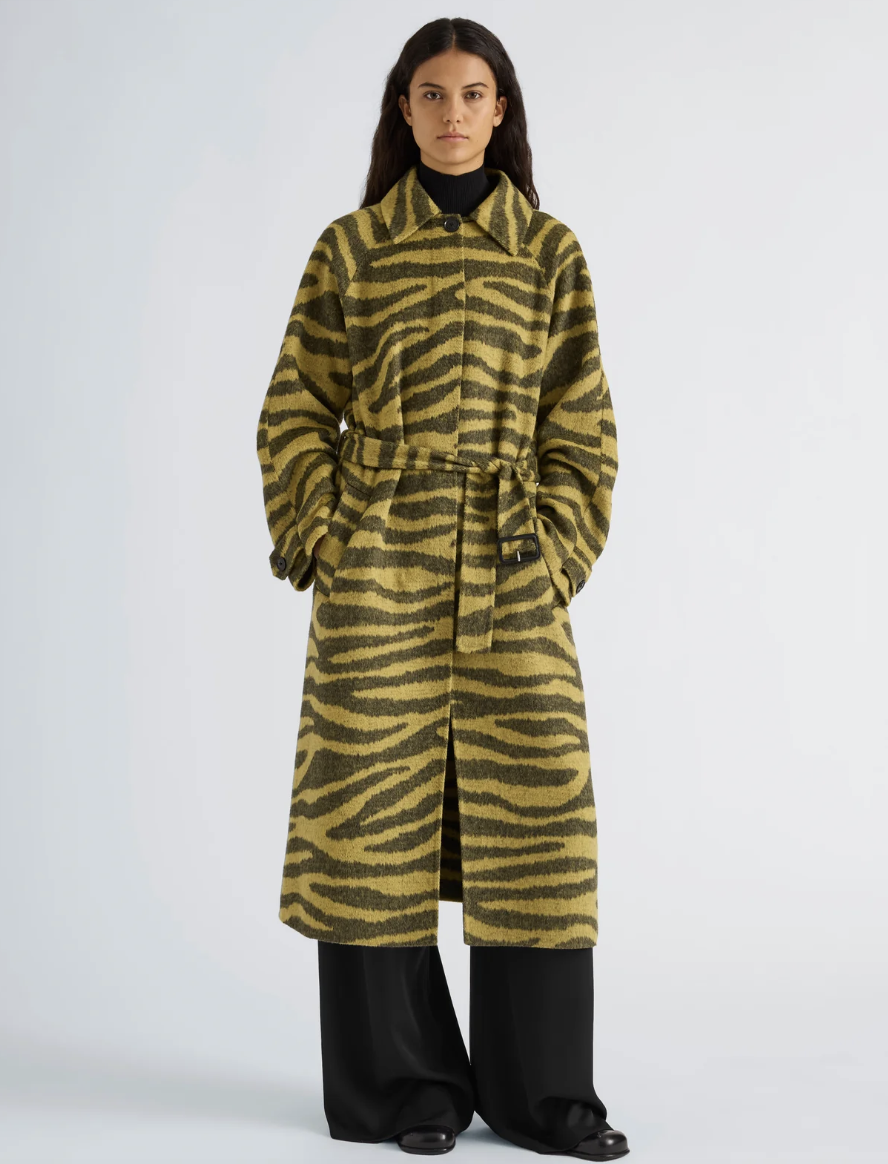
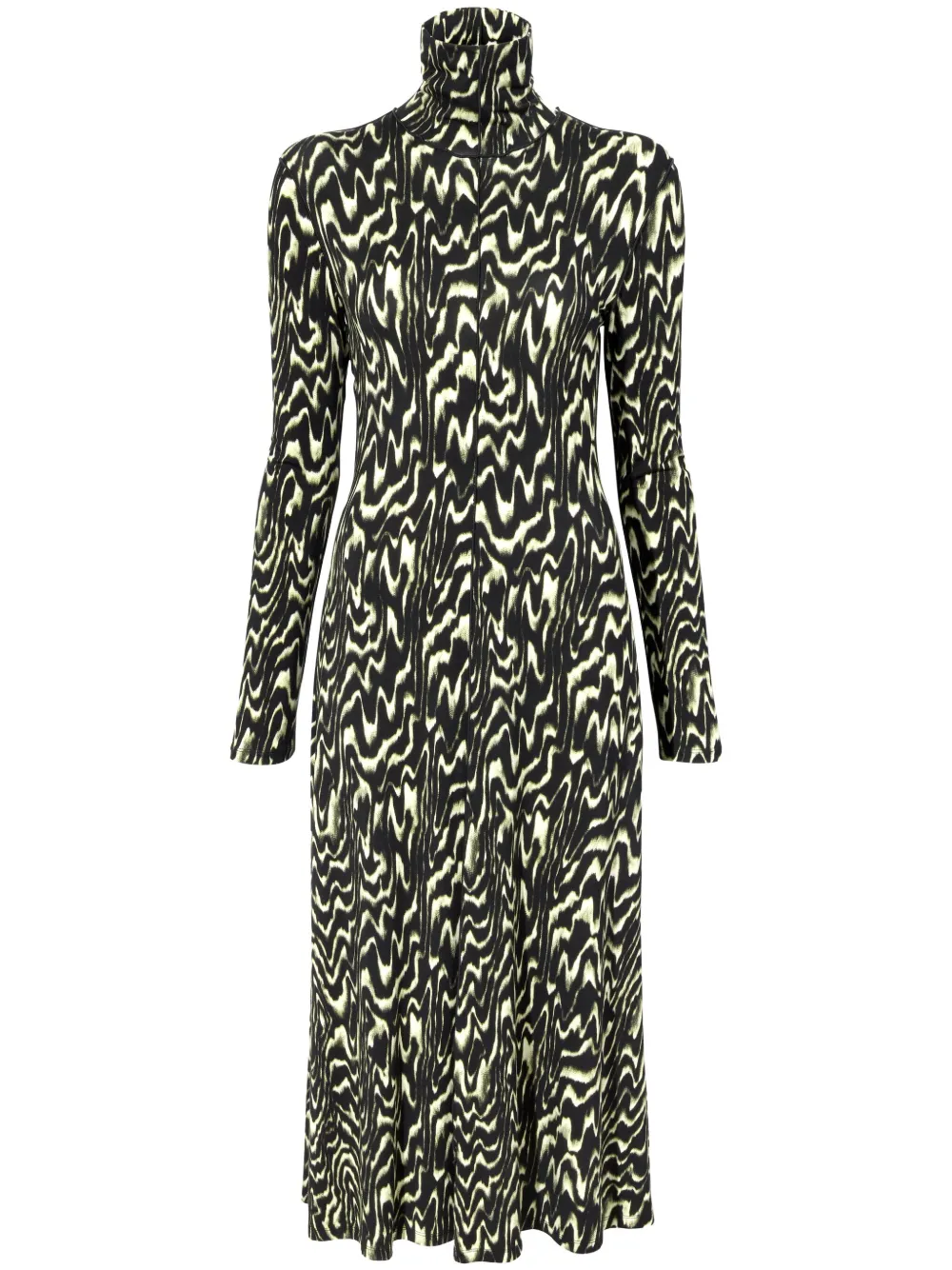
I always like to know your personal favorite fashion designer working today?
I can give a few. I was dying over the [striped] jeans from Dario Vitale Versace. I really wanted them, and I was like, "I don't think I can spend $4000 on a pair of jeans that probably will not look good on me," but I really wanted them.
Maybe Yohji Yamamoto.
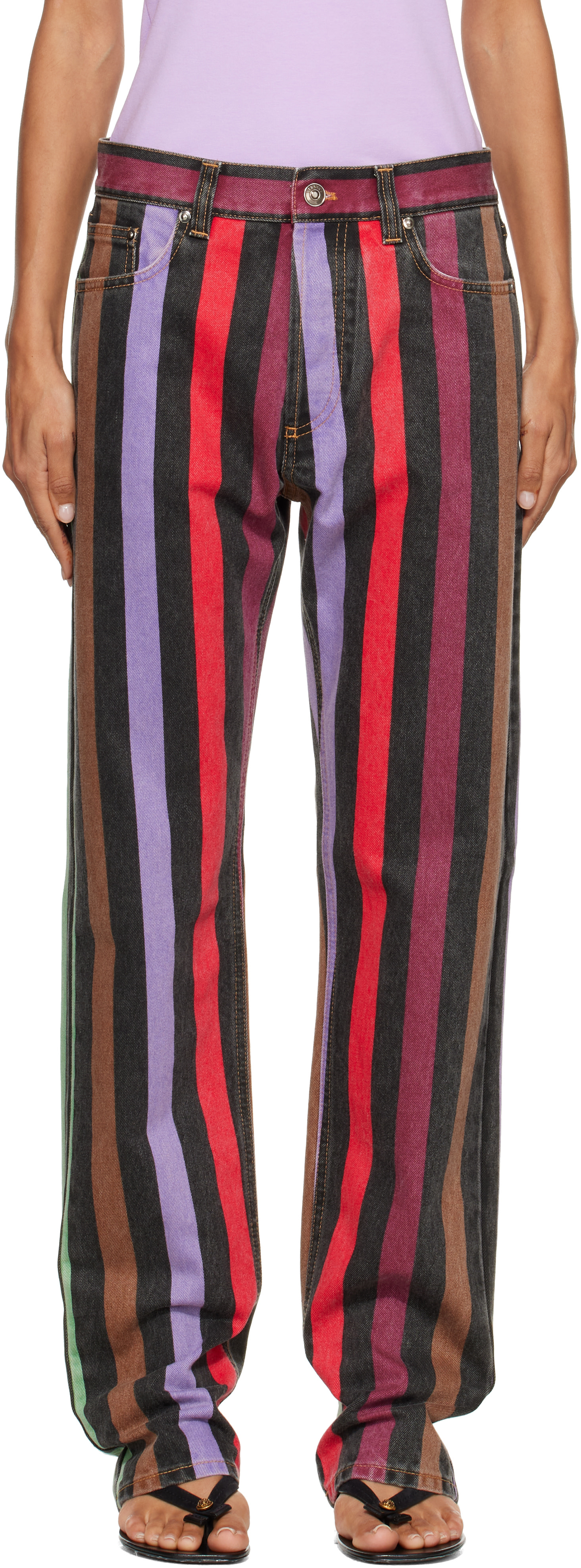
This interview has been edited and condensed for clarity.
Read on the original site
Open the publisher's page for the full experience