How "The Season" Brings Hong Kong High Society Style To Life
Our take
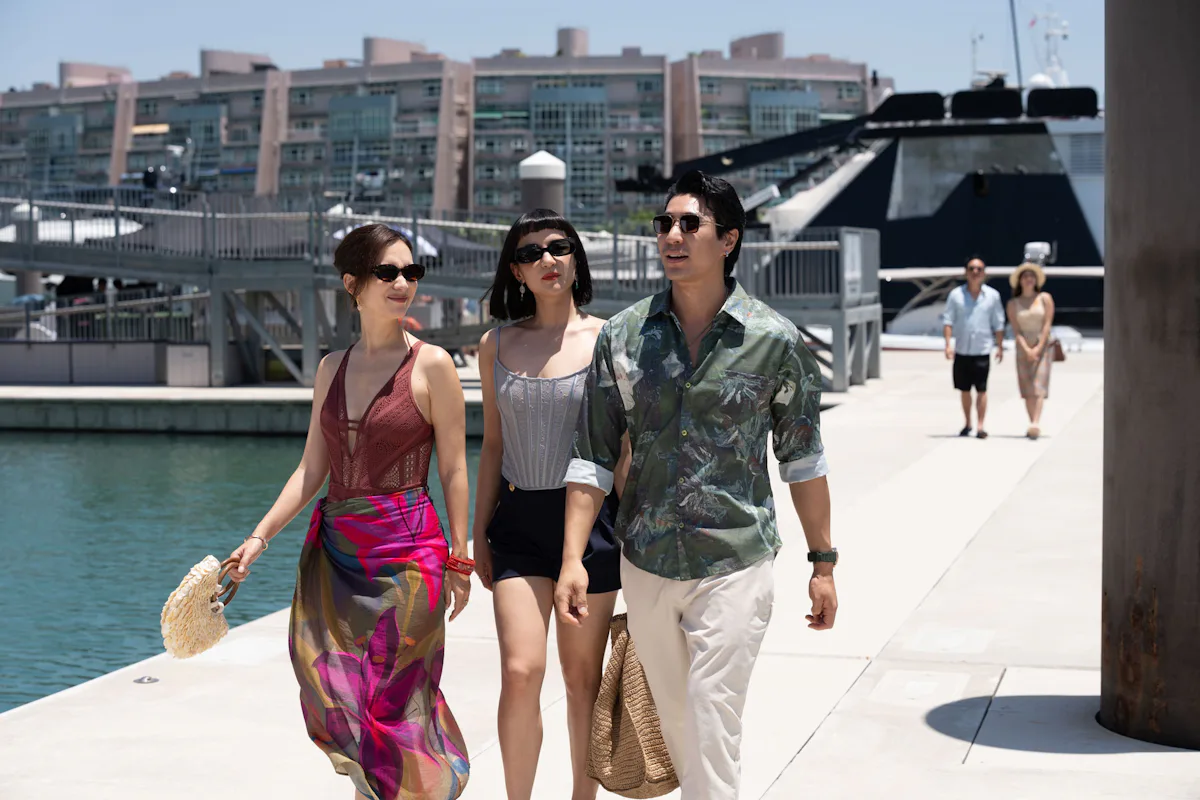
The allure of meticulously crafted worlds, particularly those showcasing the lives of the extraordinarily wealthy, remains a potent force in contemporary entertainment. Hulu’s *The Season*, arriving as a potential successor to the *White Lotus* phenomenon, taps into this fascination, and much like its predecessor, fashion serves as a crucial narrative element. TZR’s recent interview with costume designer Vera Chow offers a valuable glimpse behind the scenes, revealing the intentionality and artistry invested in translating Hong Kong high society style for the screen. The success of *The Season* hinges not just on its plot and performances, but on its ability to convincingly portray a rarefied world, and clothing – the textures, silhouettes, and brands – plays a vital role in establishing that authenticity. It’s a space where visual storytelling becomes as important as dialogue, creating a mood and conveying unspoken narratives about power, status, and personal identity. We’ve seen this trend before, of course, with shows like *Succession* demonstrating how clothing can become a character in its own right, subtly communicating wealth, ambition, and internal struggles. And speaking of elevated aesthetics, the return of Melissa x Diesel Is Back With Another Collab—And It Has the It Bag of the Season further illustrates the continued consumer appetite for collaborations that blend luxury with unexpected design. The detail Chow emphasizes concerning sourcing vintage pieces and tailoring extensively to ensure a bespoke feel speaks volumes about the commitment to realism. This isn’t about slapping designer labels onto actors; it’s about constructing a visual language that reflects the nuanced realities of Hong Kong’s elite. This approach resonates with a growing audience that appreciates authenticity and a sense of lived-in luxury, a far cry from the overt displays of wealth often portrayed in earlier depictions of high society. Consider also the current trend towards elevated basics, as showcased in Printed Tees Are the Easy, On-Trend Way to Elevate Basic Tops This Summer—Get the Look With Old Navy’s $17 Style; the quiet confidence and understated elegance of *The Season*'s fashion reflect a similar sensibility – a move away from ostentation towards a more refined and personal expression of style. This reflects a broader cultural shift towards "quiet luxury" – a desire for quality, craftsmanship, and timeless design over fleeting trends and conspicuous consumption. The key is to signal wealth and sophistication without shouting about it. Beyond the immediate context of the show itself, *The Season* highlights the increasing importance of costume design in shaping the overall viewing experience. Audiences are becoming more discerning, recognizing the power of visual details to enhance storytelling and create immersive worlds. Costume designers are no longer merely dressing actors; they are constructing character backstories, establishing social hierarchies, and contributing to the show’s overall thematic resonance. This elevates the role of the costume designer from a supporting function to a creative lead, requiring a deep understanding of fashion history, cultural nuances, and narrative structure. The connection between the on-screen aesthetic and the real world is also increasingly significant. Shows like *The Season* inevitably influence trends and inspire viewers to emulate the style they see, blurring the lines between fiction and reality. This is especially true when the show taps into a specific cultural identity, like Hong Kong’s unique blend of Eastern and Western influences. Furthermore, the demand for skincare and beauty products that mirror the immaculate complexions and polished appearances seen on screen is also a testament to the power of visual storytelling, as evidenced by the popularity of Editor-Vetted: 12 Best Brightening Serums for Fading (and Preventing) Hyperpigmentation. Ultimately, *The Season* and the accompanying discussion surrounding its fashion serve as a microcosm of broader trends in entertainment and consumer culture. The demand for visually compelling narratives, the rise of “quiet luxury,” and the increasing influence of costume design all point towards a future where aesthetics play an even more central role in shaping our perceptions and desires. As streaming platforms continue to invest in high-quality productions, we can expect to see even greater attention paid to detail and a growing appreciation for the artistry of costume design.
If there’s a White Lotus-shaped hole in your heart, The Season may be just what you’re looking for. While the new Hulu series doesn’t unfold at a lavish resort, it offers a similarly juicy mix of yachts, billionaires behaving badly, and high-stakes drama. And, as with any show centered on the ultra-wealthy, the fashion in The Season — which was made by the same producers as Crazy Rich Asians — is almost as captivating as the storyline itself.
For some background, The Season, which premieres on the streaming service today, follows a group of Hong Kong socialites immersed in the city’s exclusive summer boating scene. To capture that world authentically, costume designer Vera Chow drew heavily from her own experiences growing up in the city.
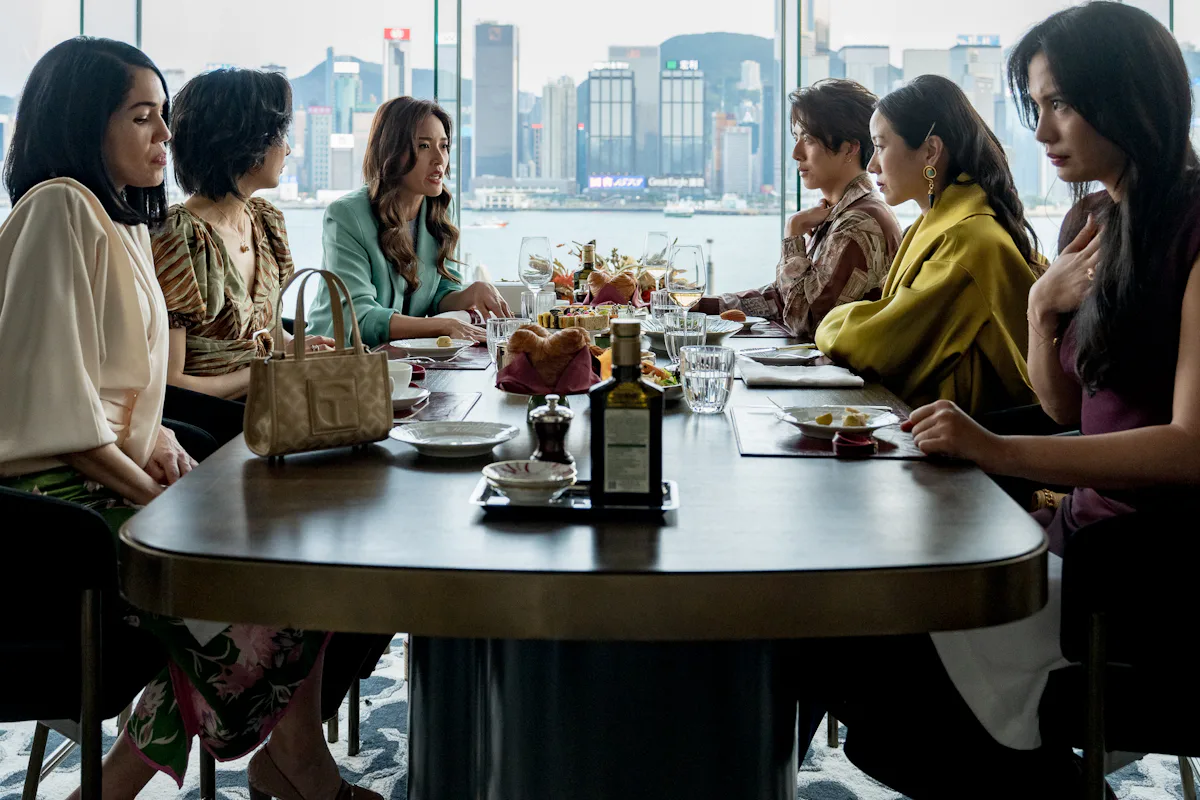
“Hong Kong has one of the highest concentrations of billionaires in the world,” Chow observes. Among the city’s wealthiest residents, custom designer pieces from houses like Gucci, Dior, and Chanel are the norm. But unlike in many Western cultures, affluence isn’t necessarily signaled through revealing clothing. According to Chow, the wealthier someone is in Hong Kong, the less skin they’re likely to show.
“The word sexy or sensual in every East Asian language has a negative connotation,” she explains. “It has implications of promiscuity.” As a result, tight, figure-hugging silhouettes are often avoided, particularly among high society. Social hierarchy is reflected throughout The Season’s wardrobe choices. Portrayed by Karena Lam, Fiona Hext, who is part of the old-money Hext family, rarely reveals much skin — if any at all. “That’s class,” Chow says.
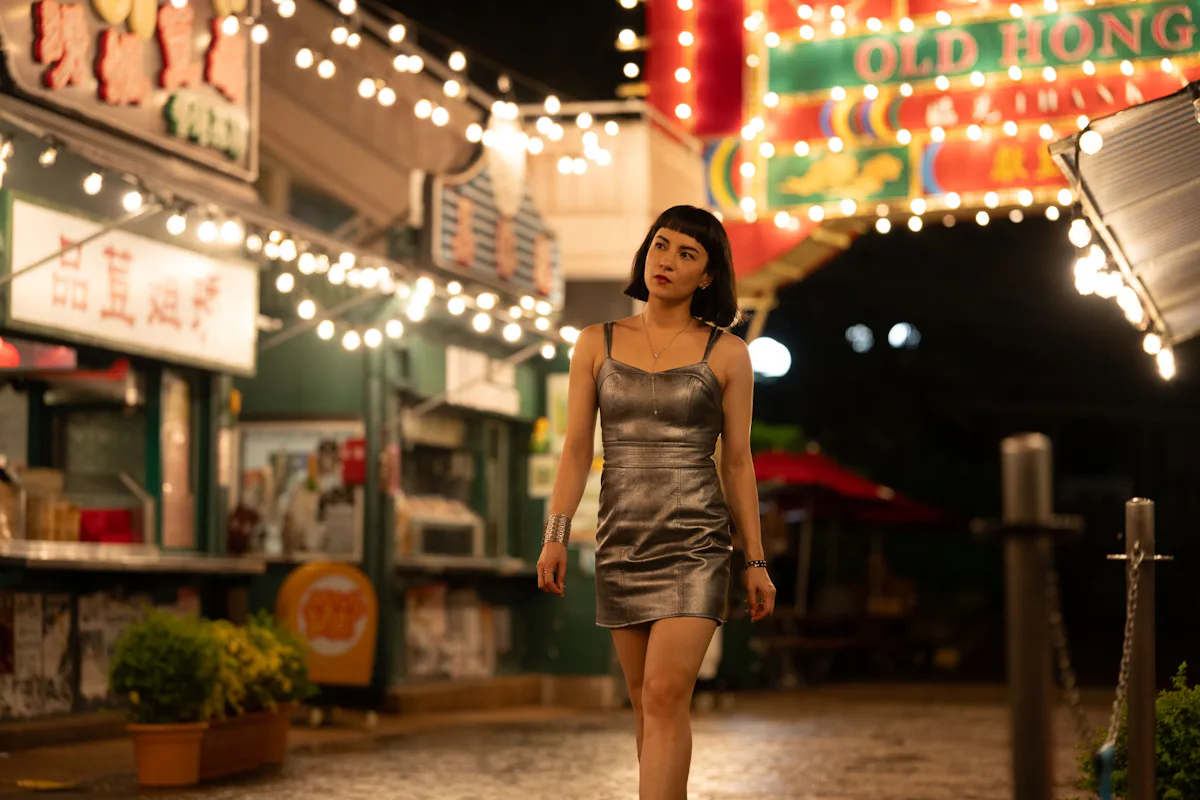
Cola, played by Jessie Mei Li, serves as a stark contrast. Unlike many of the show’s characters, she doesn’t come from wealth. “She was not dressed very rich at the beginning,” Chow explains. Having recently arrived to Hong Kong from the United States, Cola initially stands out among the city’s elite. In the first episode, she wears a fitted tank — a look that immediately sets her apart from the more understated wardrobes around her. As Cola becomes immersed in that lifestyle, her fashion begins to evolve. “You start seeing more structure and branding when she evolves into that world [of wealth],” Chow says.
Then there’s Madeline, the niece of family matriarch Fiona Hext. “She’s way more sexual and shows a lot more skin; she’s young and the type that you don’t want to leave your husband with,” Chow says with a laugh. Her wardrobe reflects that energy, featuring bold colors, body-conscious knits, and more revealing silhouettes.
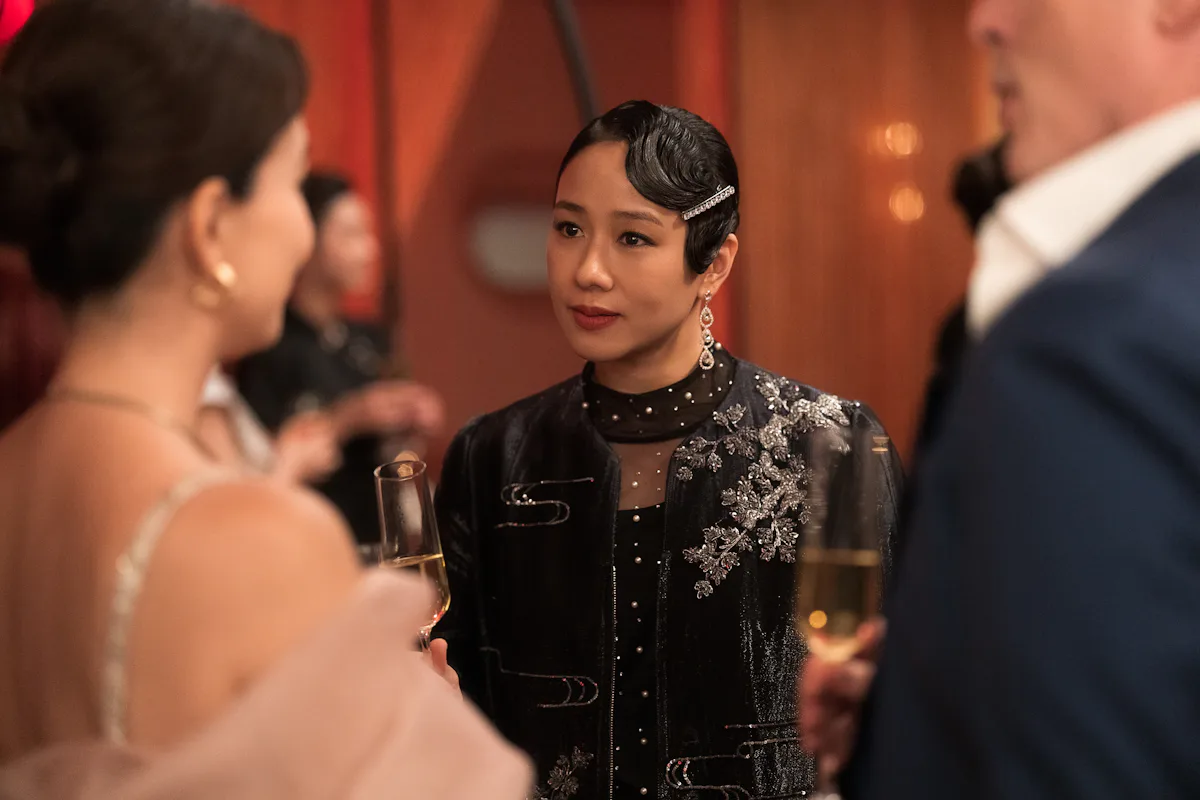
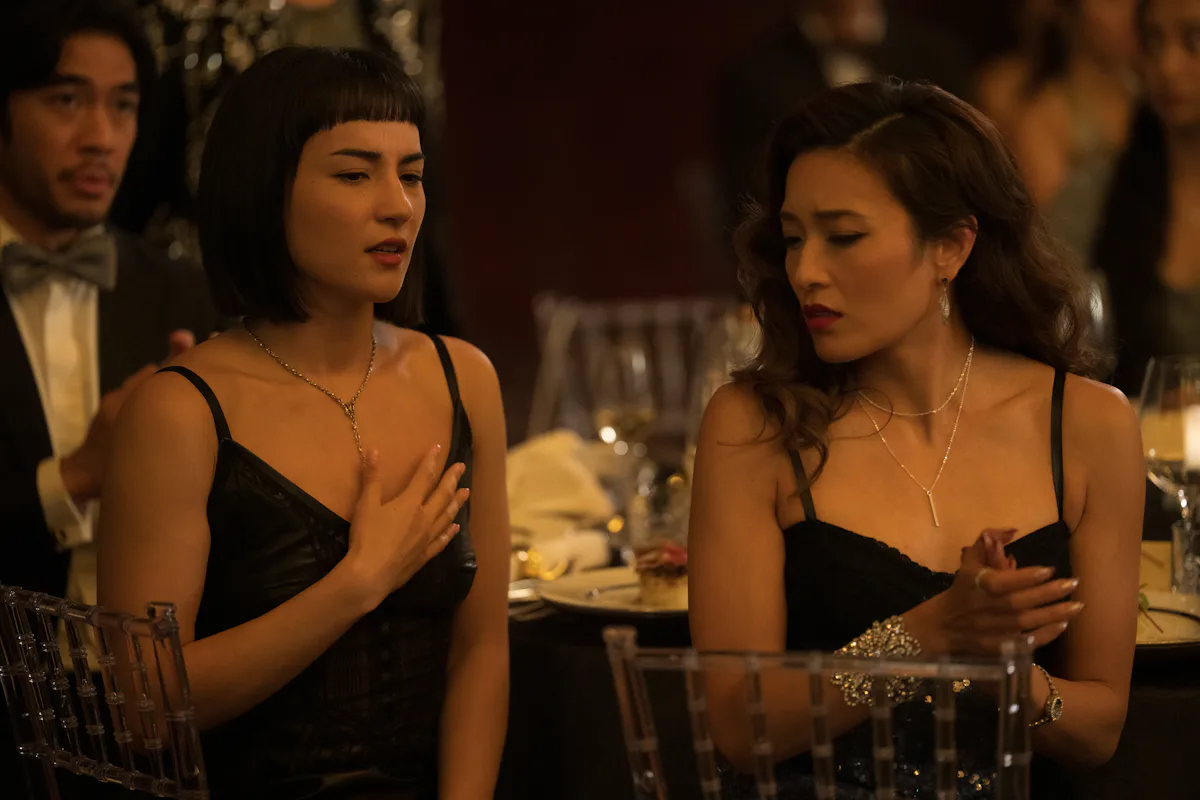
Interestingly, Chow found much of her fashion inspiration in Hong Kong tabloids. The series also incorporates several iconic local events, including the Shanghai Gala. For the gala scenes, which appear in episodes five and six, Chow created a custom gown for Cola — a look she counts among her favorites from the series. The dress was co-designed with The Season's Chilean director, Marialy Rivas, whose aesthetic differs markedly from her own. “Her aesthetic is very color-blocking-oriented, and then I'm very kitschy detail-oriented,” Chow explains.
The result was a silver gown accented with asymmetrical gold elements inspired by Asian design motifs. Elsewhere, the costume team faced a different challenge while filming at Ocean Park, one of Hong Kong’s largest amusement parks. Because production could only shoot at night, Chow leaned into jewel tones and lustrous brocades to ensure the costumes stood out on screen.
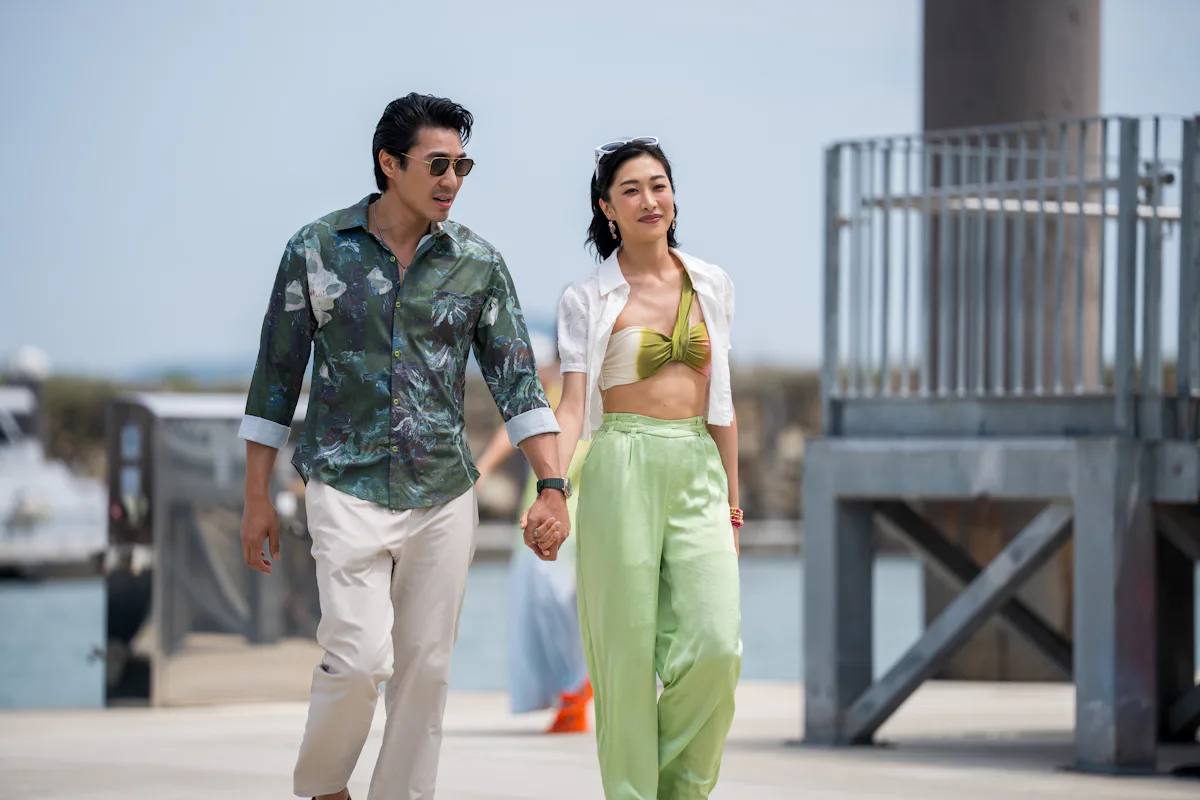
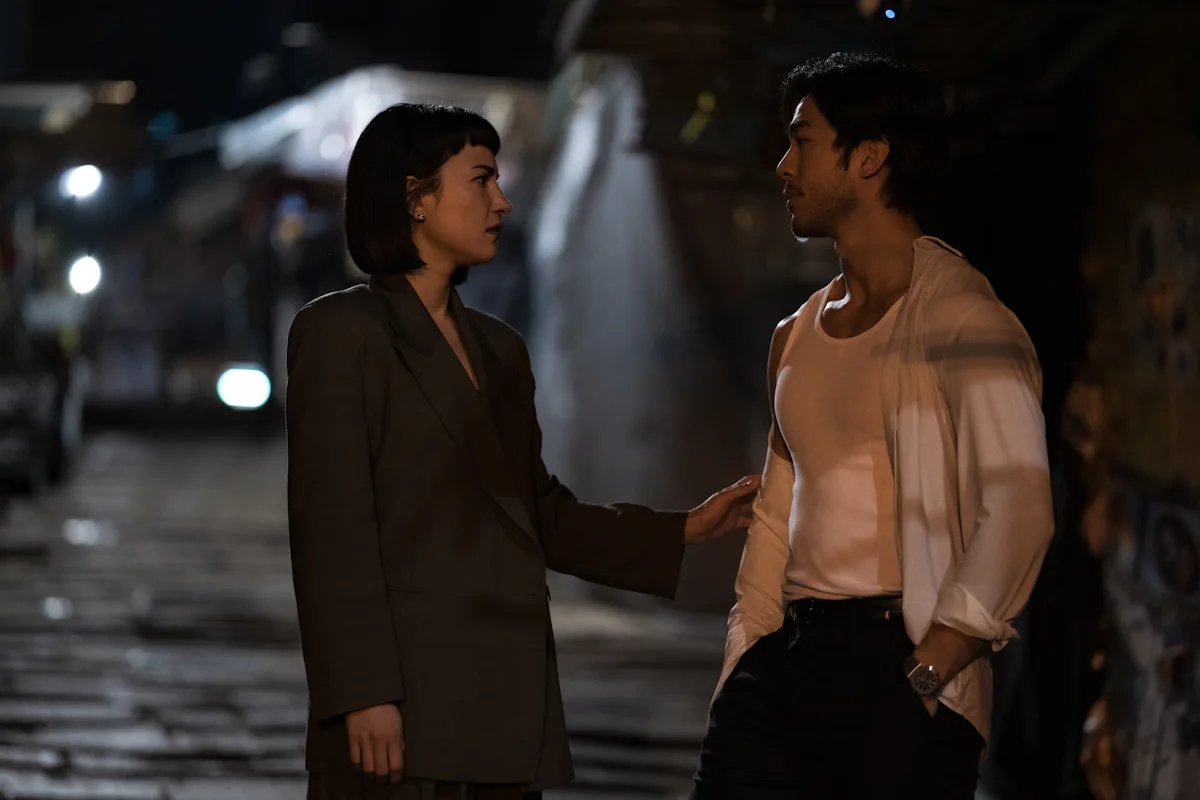
To further build out the wardrobes, Chow sourced pieces from a mix of independent Asian brands, including Japan-based Ichijiku and jewelry label Shanghai Tang. She also leaned on a trusted creative network. For instance, Chow’s assistant costume designer, Sarona Lo, who resides in Hong Kong, has collaborated with her on several previous projects. “There’s a group of us who have all worked for the Oscar-winning costume designer Tim Yip,” Chow says. Yip, who won an Academy Award for Crouching Tiger, Hidden Dragon, was a demanding mentor. “What we got out of it is that we met each other,” she adds, noting that many of those professional relationships have endured over the years.
The costume designer’s close ties to the cast helped make the fitting process remarkably easy. As it turns out, many of the actors were already friends or longtime acquaintances of Chow’s. “These are not actors I didn’t know from before,” she says. She worked with Justin Chien (aka David Ho, who is Hong Kong’s most eligible bachelor) on Netflix’s The Brothers Sun, for example, and attended high school with Celina Jade (Carrie Shen, a socialite in the show). “We’re all the same age, and we’re Asian American. The circle is very small, so the dynamic is very different,” Chow explains.
Like The White Lotus, The Season proves that some of the most compelling storytelling happens through clothing. Whether signaling old money or newfound wealth, each fashion moment in the show serves a purpose — giving viewers yet another reason to tune into the Hulu series.
Read on the original site
Open the publisher's page for the full experience