In Defense of Nostalgic Interiors
Our take
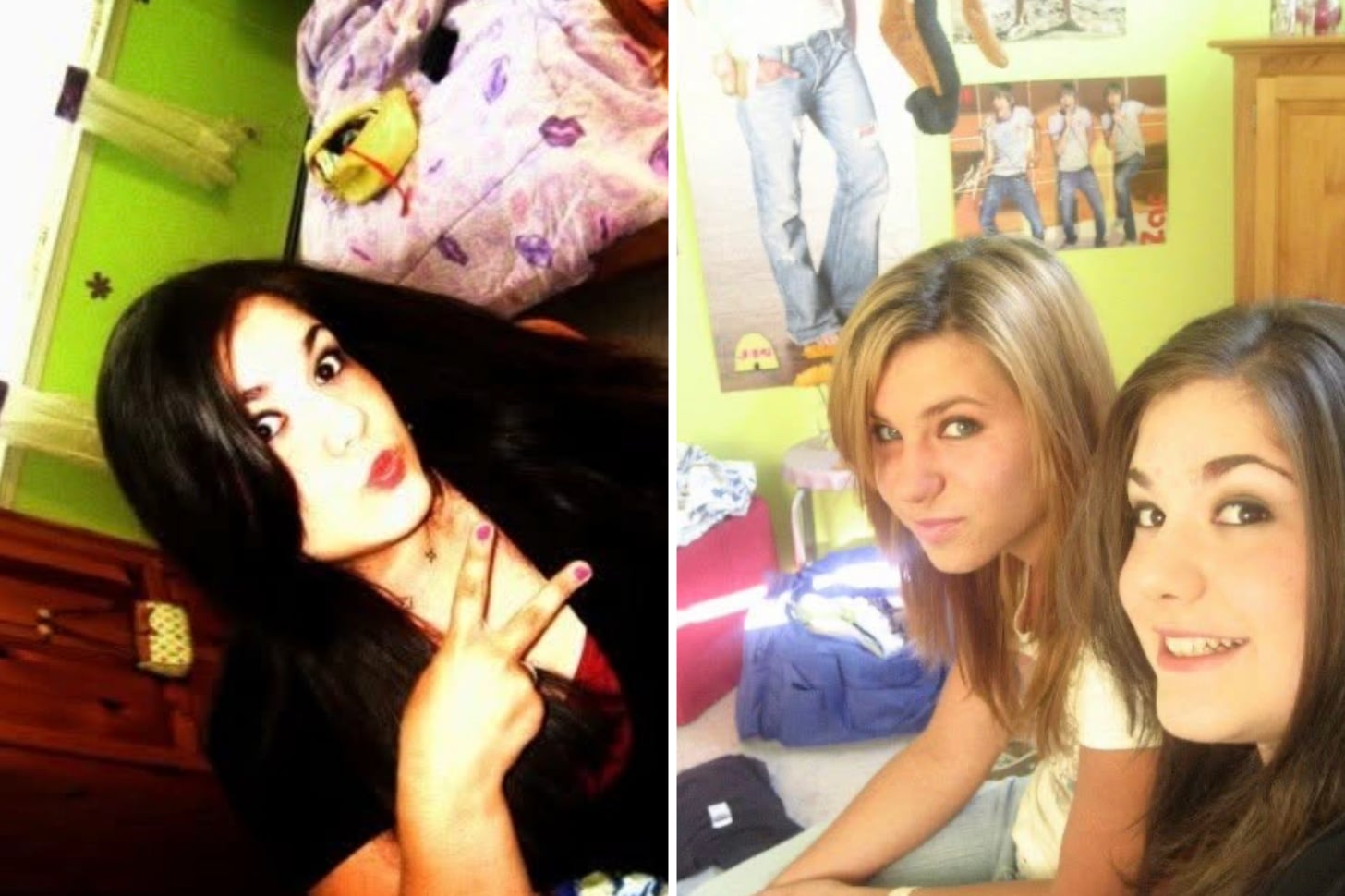
The resurgence of nostalgic interiors, as explored in pieces like The Aughts Effect is Everywhere, isn’t merely a fleeting trend; it’s a quiet rebellion against the sterile, hyper-modern aesthetic that has dominated design for the better part of the last decade. The article's reminiscing about MySpace coding and Conair flat irons perfectly encapsulates the feeling—a yearning for a time of tangible experiences, imperfect beauty, and a certain playful abandon. This pushback against minimalist, Scandinavian-inspired spaces, often characterized by a coldness and a perceived lack of personality, speaks to a deeper cultural desire for warmth, comfort, and a sense of belonging. The very act of embracing the slightly chaotic, the sentimental, the overtly personal—elements often eschewed in pursuit of aspirational perfection—signals a shift towards authenticity and a rejection of manufactured ideals. It’s a fascinating evolution, particularly as we see it reflected in the fashion world, as evidenced by the Shop All the Y2K-Inspired Looks From Our Aughts Effect Cover Shoot, demonstrating a parallel longing for the aesthetics of a bygone era.
This isn’t simply about recreating the exact looks of the mid-2000s; rather, it's about distilling the *feeling* of that time – the unedited, slightly messy, unapologetically individual expression of self. Think textured walls, layered textiles, vintage finds displayed with joyful abandon, and a general disregard for rigid design rules. The embrace of color, pattern, and even a touch of kitsch – elements previously considered “out” – is a powerful statement. It suggests a move away from the pressure to curate a flawless, Instagram-ready home and towards creating a space that truly reflects one’s personality and history. The article touches upon this beautifully, recalling the personal significance of a childhood bedroom—a space imbued with memories and emotions far more valuable than any designer label. It’s about creating a sanctuary, a haven from the relentless pursuit of perfection that permeates so much of modern life. This resonates deeply with a generation increasingly seeking refuge in comfort and authenticity.
The broader significance of this trend extends beyond interior design, mirroring a wider cultural conversation about embracing imperfection and celebrating individuality. We've witnessed a growing rejection of the “hustle culture” and a renewed focus on mental wellbeing, and this manifests in our homes as a desire for spaces that nurture and support us, rather than impress or intimidate. The nostalgic aesthetic provides a sense of familiarity and comfort, offering a visual shorthand for a simpler time—a time before social media amplified insecurities and fueled the constant comparison game. It’s a conscious choice to prioritize warmth and connection over sleekness and status. Moreover, the rise of vintage and secondhand furniture aligns with a growing awareness of sustainability and a desire to reduce consumption, further solidifying the appeal of this movement. Anne Hathaway’s styling choices, highlighted in August Temps Couldn't Stop Anne Hathaway From Styling an All-Black Summer Look, exemplify this broader shift toward timelessness and intentionality, translating the desire for authenticity beyond just interior spaces.
Looking ahead, the key will be to move beyond mere replication and to evolve the nostalgic aesthetic into something truly personal and enduring. Will we see a more sophisticated interpretation of the aughts, blending vintage elements with modern sensibilities? Or will the trend continue to embrace a more maximalist, playful approach? Perhaps the most compelling question is whether this shift towards comfort and authenticity will fundamentally reshape our understanding of what constitutes “good” design, moving us away from the pursuit of fleeting trends and towards a more timeless, emotionally resonant approach to creating spaces that truly feel like home.
My childhood bedroom circa 2007. It's the Zac Efron posters for me. Image Source: Emily Zirimis
Many a summer night, this room was my sanctuary. I would stay up late writing chapters in my journal while "MTV Cribs" blared in the background, permeating my innermost thoughts. Throughout the years, the walls changed from lime green in 2004 to "Tiffany" blue in 2011 to match whatever bedroom trend I was currently obsessed with. Today, the walls are white, a blank canvas for all of my tchotchkes.
My desire for collecting has always existed, but the end of the global pandemic brought about the innate desire for self-expression, not just for myself personally, but seemingly for society at large. From accoutrements for our handbags to trinkets for our bookshelves, we wanted to feel creatively inspired everywhere we looked after having been quarantined for so long. I'm happy to report that I have indeed felt something – joy – in how I have nostalgically decorated my home office.
Writer Andi Breitowich wrote about the Y2K Teen Bedroom being back for Popsugar, stating, "Y2K isn't just about style; it's a joyride to their happiest memories, a way to celebrate their younger selves, and a chance to relive a time when life perhaps felt more carefree, natural, and bursting with color." Impact has also pointed out how "being whimsy" is "intrinsically tied to trying to reinsert happiness into our everyday lives amidst a chaotic world."
And to that, I couldn't agree more. My Instagram and Pinterest feeds feature styled vignettes with various toys and figures (Sonny Angel, Jellycat, Sanrio, and Pop Mart, just to name a few), Vivienne Westwood lighters, Maison Margiela candles, and Yoshitomo Nara exhibition books. It's about balance! It's about high-low! But frankly speaking, it's really about what sparks joy in our lives these days.
So to anyone who feels like the idea of nostalgia in your home as an adult may lean too childish, juvenile, or silly, I say: lean in. My approach has been about including elements both old and new that bring me back to my childhood bedroom, and I hope this inspires you to take your own approach to decorating.
Nostalgic Interior Inspo by Category
Decor
Lighting
Desk Essentials
TchotchkesRead on the original site
Open the publisher's page for the full experience