There is something quietly radical about a gift list that refuses to perform. Elsa Hosk's holiday wish for Who What Wear is not a catalogue of status symbols but a meditation on presence, memory, and the kind of luxury that asks nothing of the recipient except to be enjoyed. In an era when gifting has become a competitive sport of unboxing videos and conspicuous consumption, Hosk reminds us that the most sophisticated gesture is often the most personal one, a framed photograph, a week of organic meals, a pair of silk pajamas chosen for their softness rather than their label. This is not a list of things to buy; it is a philosophy of how to give.
Her approach echoes a broader shift we have been tracking: the movement away from metropolitan status markers toward something more intimate and enduring. Just as The heirloom bags that age as gracefully as you do argues that true value accumulates through use and time, Hosk's selections prioritise objects that earn their place in a life. The Row loafers she recommends are not a seasonal trend but a wardrobe staple she insists "you'll wear forever." The Arielle Ratner pendant is chosen not for its carat weight but for its potential to become a family story. Even the Swedish candy from Sockerbit carries the weight of memory, a taste of her childhood in Stockholm, shared rather than displayed. This is gifting as an act of emotional architecture, not transaction.
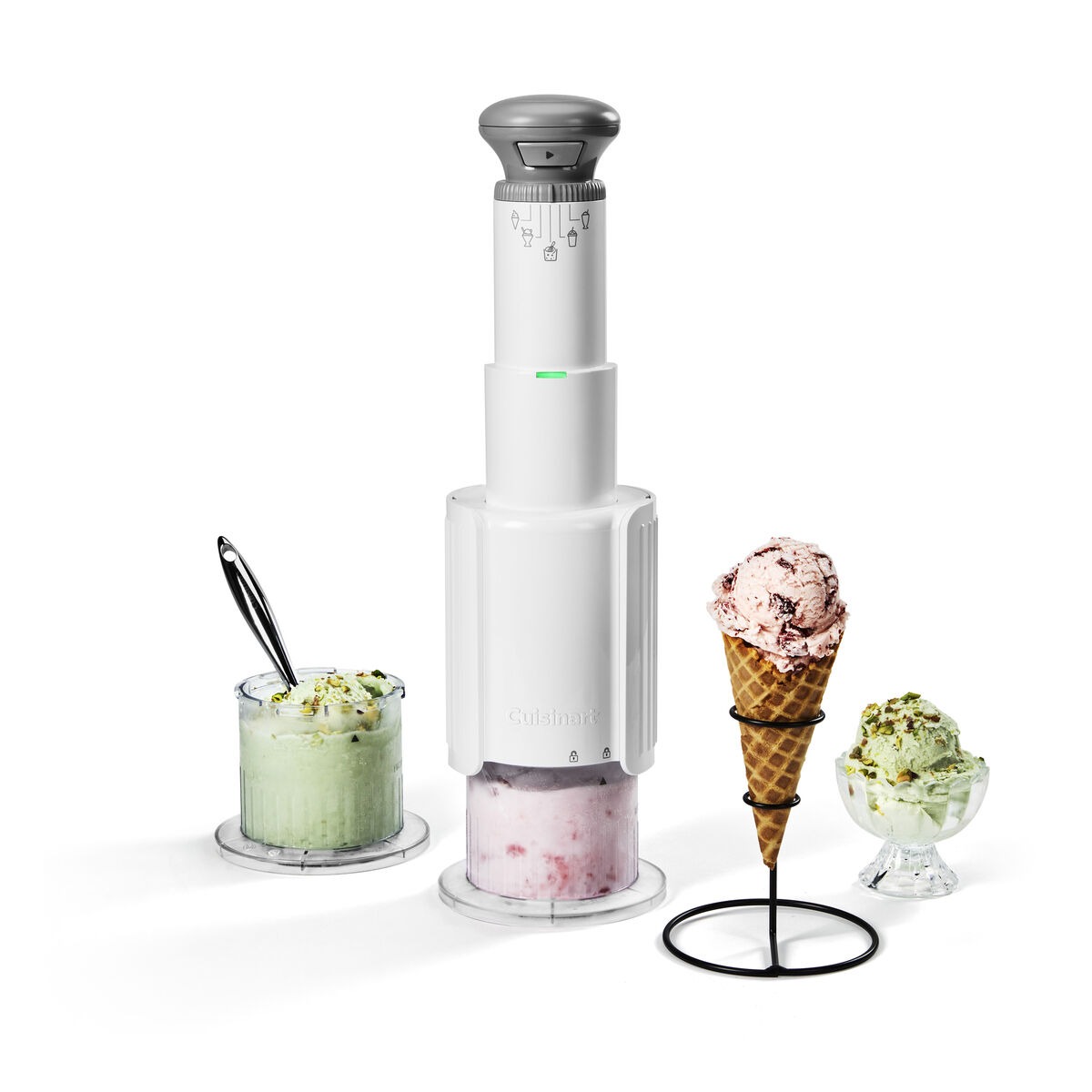
What makes Hosk's list feel particularly modern is its refusal to separate the practical from the poetic. An ice cream maker sits beside a silk jacquard pajama set; a lip sleeping mask shares space with a Taschen interiors book. There is no hierarchy between the everyday and the ceremonial because, in her world, both are treated with the same intentionality. She gifts meals because she understands that time is the rarest commodity, and she wraps presents in brown kraft paper with a sprig of pine because perfection is less compelling than warmth. This is a woman who has built a brand, Helsa, on the same principle: clothing that works for both her mother and the fashion girl, because style should not require a costume change to be valid.
The most instructive detail, however, is not on the list itself. It is in her answer to how she chooses gifts: "Pay attention to the little things people say throughout the year." That is the quiet discipline behind every thoughtful gesture, and it is the one thing no price tag can replicate. In a season that often feels like a performance of generosity, Hosk offers a quieter standard, one measured not by the size of the box but by the depth of the noticing. The question her list leaves us with is not what to buy, but whether we are paying close enough attention to know.