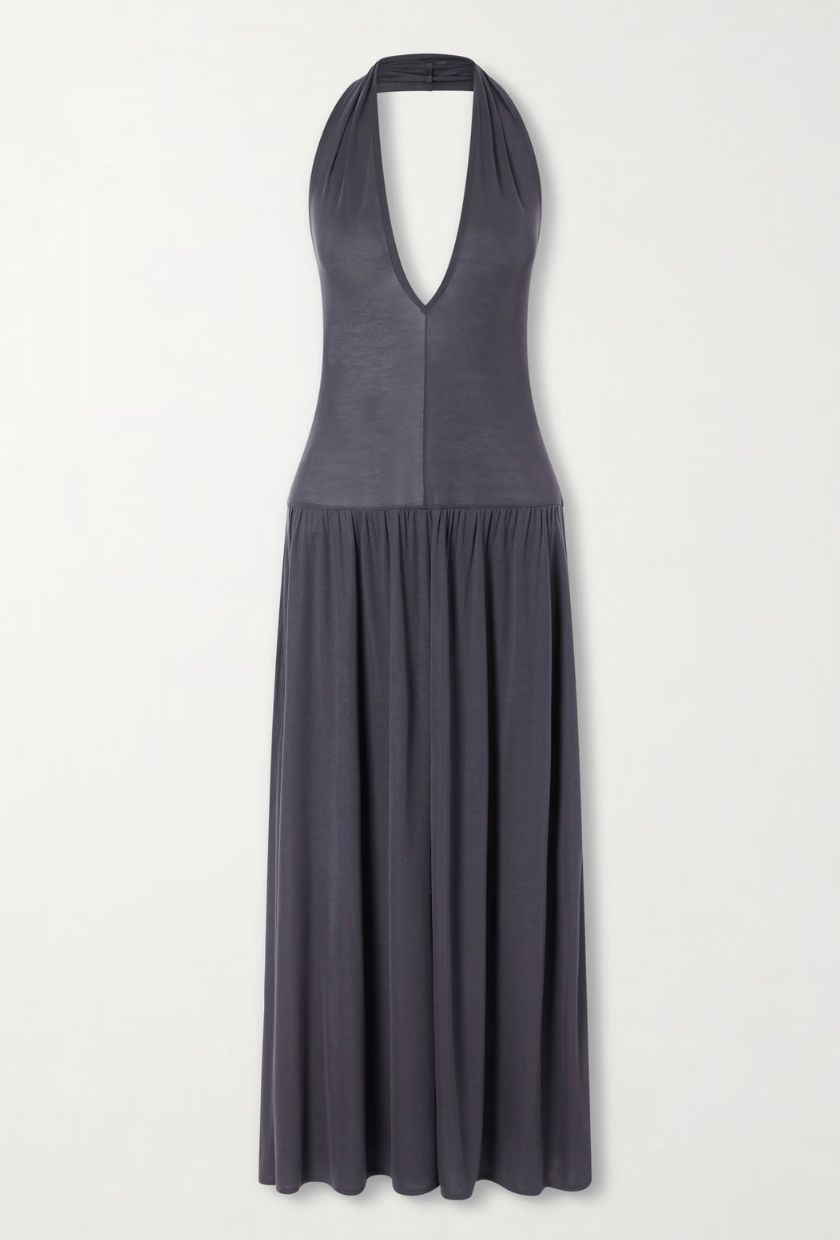
The fashion industry, often perceived as a relentless pursuit of fleeting trends, is experiencing a quiet revolution, spearheaded by voices like Chrissy Rutherford, Who What Wear UK’s editor-in-residence. Her recent declaration—that those with discerning taste in fashion gravitate toward a personal uniform rather than chasing trends—resonates deeply with a growing sentiment for intentionality and enduring style. This isn’t a rejection of fashion itself, but a shift away from the performative aspect of constantly updating one's wardrobe. It’s a move toward cultivating a personal aesthetic that feels authentic and comfortable, mirroring a broader cultural desire for mindful consumption and a rejection of the pressure to endlessly acquire. Consider the enduring appeal of classic combinations, like the one highlighted in [Petite Women Know This Shorts-and-Flat-Shoe Combination Always Looks Elevated], a testament to the power of simple, well-executed outfits that transcend seasonal whims. Rutherford's perspective aligns with this shift, emphasizing quality over quantity and a focus on pieces that genuinely reflect one's individual style.
The concept of a “uniform” isn’t new, of course. Historically, uniforms have signified belonging and identity within specific groups. However, Rutherford’s application of the term to personal style reclaims it as a tool for self-expression, rather than conformity. It’s about curating a capsule wardrobe of timeless pieces that work together seamlessly, allowing one to focus on other aspects of life rather than agonizing over daily outfit choices. This resonates particularly strongly in a digital age where the pressure to constantly present a picture-perfect image is pervasive. The recent celebration of stylish looks at Silverstone, showcased in [The Best Dressed Celebs At Silverstone—From Alexandra Leclerc to Hannah Dodd], demonstrates that effortless chic can be achieved through thoughtful choices and a consistent aesthetic, not by adhering to fleeting trends. The rise of “outfit repeaters” – individuals who proudly showcase the same pieces across multiple occasions – further solidifies this movement toward mindful dressing. It’s a quiet rebellion against the unsustainable cycle of fast fashion and the constant pressure to keep up with the latest micro-trends. The emphasis moves from *what* you’re wearing to *how* you wear it, injecting personality and confidence into even the simplest ensemble.
This shift isn't merely a stylistic preference; it reflects a deeper societal evolution. Consumers are increasingly conscious of the environmental and ethical implications of their purchasing decisions. Embracing a uniform fosters a more sustainable approach to fashion, reducing waste and encouraging investment in high-quality, durable pieces. It's a rejection of the “buy, wear once, discard” mentality that has fueled the fast fashion industry. Moreover, it aligns with a broader cultural movement toward authenticity and self-acceptance. By prioritizing personal style over fleeting trends, individuals are asserting their individuality and rejecting the pressure to conform to external expectations. Even the seemingly simple choice of a shoe color, as explored in [Hold the Black Flip-Flops—Wearing This Shoe Color With Dark-Wash Jeans Will Get You More Compliments], reveals a desire for subtle, yet impactful, style choices that feel inherently *you*. It's a move away from seeking validation through external trends and towards cultivating a sense of self-assuredness in one’s personal aesthetic.
Ultimately, Rutherford's perspective signals a potential reshaping of the fashion landscape. The traditional model, driven by seasonal collections and constant novelty, may need to adapt to a consumer base increasingly valuing longevity, sustainability, and personal expression. The power dynamic is subtly shifting—consumers are becoming the arbiters of style, choosing to invest in pieces that align with their values and reflect their individual identities. The question now becomes: how will brands respond to this evolving demand for timelessness and intentionality, and will they embrace a future where personal style reigns supreme over fleeting trends?