John Galliano’s Met Gala Exhibit Has Been Canceled
Our take
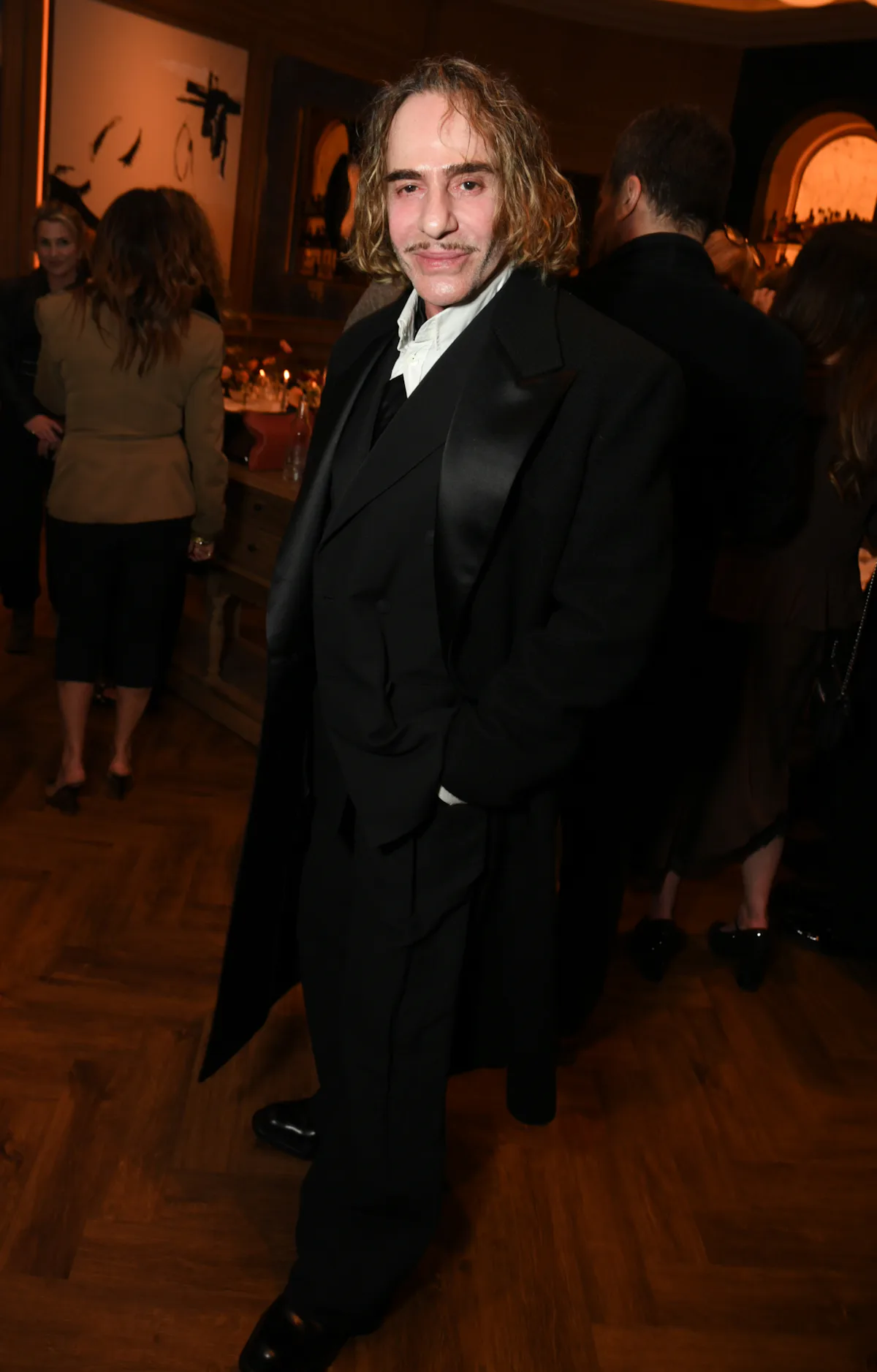
The abrupt cancellation of the 2027 Met Gala exhibit honoring John Galliano, "John Galliano: Horizons," reverberates far beyond the confines of the fashion world. It’s a stark reminder of the enduring weight of past actions and the evolving standards of accountability within the industry. The decision, confirmed in recent press statements, follows considerable backlash stemming from Galliano’s 2011 antisemitic remarks, a moment that continues to cast a long shadow. This isn't the first instance of a creative partnership facing scrutiny; the recent departure of Ib Kamara & Off-White Part Ways After 4 Years highlights the increasing pressure on brands to align with values and navigate complex public sentiment. Similarly, the recent conversations surrounding appearances and presentation at the US Open, as detailed in "What's Going On at the US Open? Here's Your Daily Scoop," underscore the heightened awareness of ethical considerations and the expectation of responsible conduct across various cultural spheres. The Met Gala, renowned for its spectacle and celebration of artistry, is now grappling with a more profound question: how does it reconcile honoring a significant creative figure with acknowledging and addressing harmful behavior?
The implications extend beyond Galliano himself. This cancellation sets a precedent, signaling a shift towards a more rigorous assessment of individuals’ past conduct when considering them for prominent platforms. For years, the fashion industry has often compartmentalized creative genius from personal failings, prioritizing the aesthetic over ethical considerations. While progress has been made, this decision suggests a growing unwillingness to overlook behavior that directly contradicts principles of inclusivity and respect. It’s a complex balancing act – celebrating innovation while upholding moral standards. The exhibit itself promised to showcase Galliano’s remarkable talent and influence, a career marked by theatrical extravagance and boundary-pushing design. Yet, the timing felt increasingly dissonant given the persistent pain and offense caused by his past words. The Costume Institute’s choice to prioritize sensitivity and responsibility over a potentially blockbuster event speaks volumes about the changing landscape of cultural institutions and their role in fostering a more equitable environment.
Furthermore, the situation invites a broader reflection on the nature of artistic legacy and the possibility of redemption. Can creative brilliance outweigh past transgressions? Is it possible to separate the art from the artist, especially when the artist’s actions demonstrably harmed others? These are questions that the industry—and society—continues to grapple with. The fashion world, often celebrated for its forward-thinking vision, must now confront its historical complicity in overlooking problematic behavior. The conversations surrounding tennis players’ entrances, as explored in "Then and Now: Making an Entrance in Tennis," demonstrate how even seemingly superficial aspects of public image are subject to increased scrutiny and expectations of alignment with broader values. The Galliano situation isn't merely about a canceled exhibit; it’s about the ongoing evolution of standards and the demand for accountability within a powerful and influential industry.
Looking ahead, the Met Gala’s decision undoubtedly raises questions about future honorees and the criteria for selection. Will this lead to more rigorous vetting processes and a greater emphasis on ethical conduct? The industry will be watching closely to see how this precedent shapes the future of cultural celebrations and the complex intersection of artistry, reputation, and responsibility. The cancellation of "John Galliano: Horizons" is not an endpoint, but rather a pivotal moment in a larger conversation about the values we prioritize and the legacy we choose to celebrate. It remains to be seen whether this signals a permanent shift in the fashion world's approach to acknowledging and addressing past transgressions, or if it represents a temporary reaction to heightened public sensitivity.
It’s official: The next Met Gala honoring John Galliano is over. Originally set to debut next May, the Costume Institute’s cancellation of its “John Galliano: Horizons” exhibit was shared in press statements from the Metropolitan Museum of Art and Galliano this morning. The designer’s retrospective would have featured pieces from his namesake brand and tenures at Dior and Maison Margiela, making him one of three fashion designers — including Yves Saint Laurent and Rei Kawakubo — to receive a solo Met exhibit in their lifetime.
“After much reflection and discussion with all those involved, I have decided, with great sadness, that it is best for the exhibition to not take place at this time,” Galliano said in a statement shared on Instagram. “I remain fully accountable for the pain caused by my words in the past, particularly the hurt I caused to the Jewish and Asian communities, and I remain deeply sorry. I understand that meaningful atonement is not achieved through an exhibition, institutional recognition or a single public gesture. It is a continuing responsibility, demonstrated through listening, learning, and one’s conduct over time.”
Previously, Galliano made antisemitic and racist remarks while drunk in 2011, resulting in his firing as creative director at Dior and his own brand. Shortly afterwards, he was convicted of hate speech in a French court and went through rehabilitation for drug and alcohol addiction.
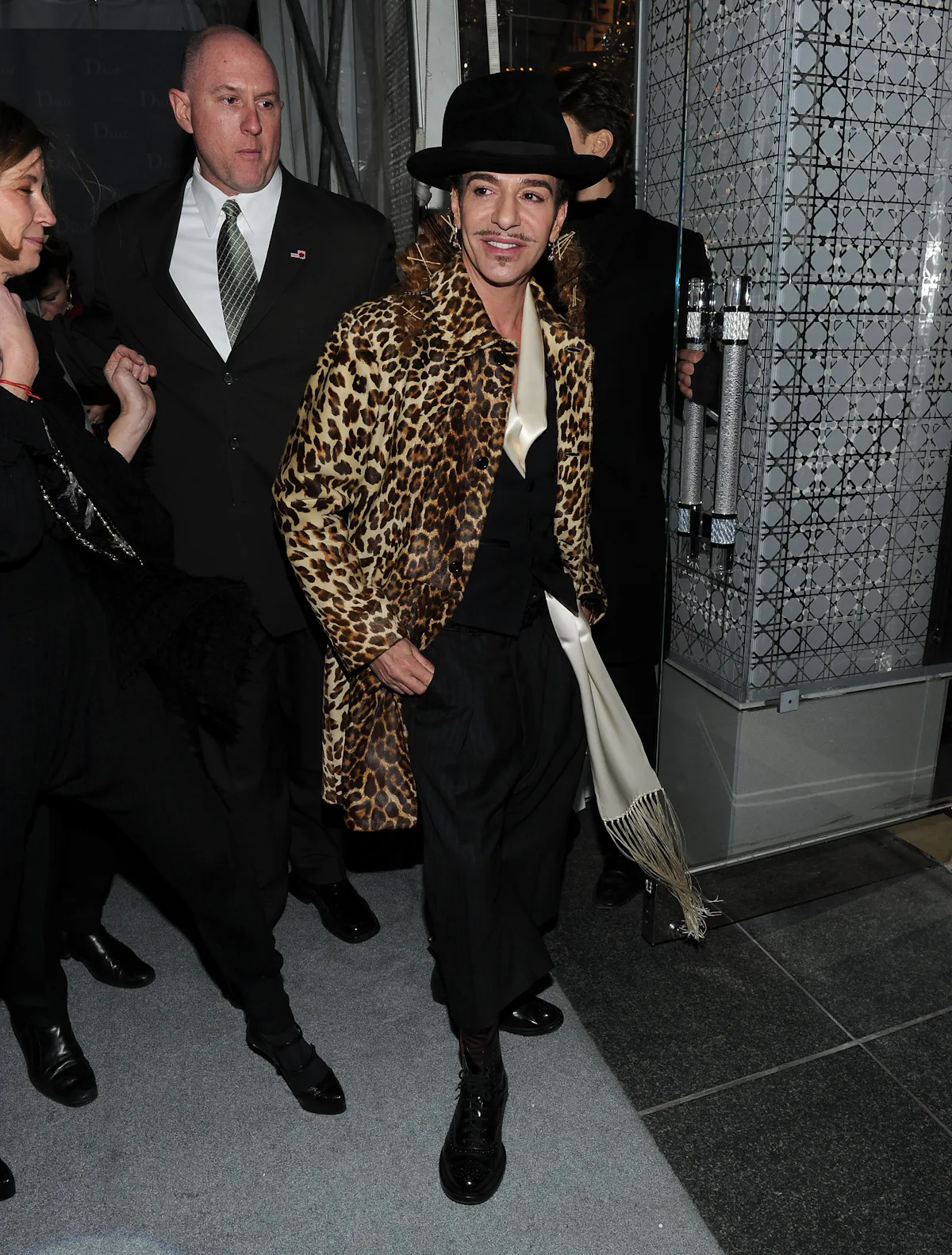
Since his retrospective at the Met was announced in July, the designer’s past words have resurfaced and caused public controversy once again. Donors threatened to remove their gifts for the museum if the exhibit continued, according to The New York Times. Public figures including Speaker of the New York City Council Julie Menin, Arne Glimcher, and Jill Kargman spoke against Galliano’s exhibition taking place, as well. Museum trustees were also potentially discussing a date change for the Met Gala on May 4, which overlapped with Yom HaShoah, a day of remembrance for Jewish victims of the Holocaust.
Though both Galliano and the Met’s statements didn’t specify a reason for the exhibit’s end, his remarks noted that he did not want his past controversies to put the Costume Institute or the Met itself in a “difficult position.” In the Met’s press release, Curator in Charge Andrew Bolton said, “I believe deeply in the responsibility of museums to examine difficult histories with rigor, candor, and care. I also recognize the pain and concern this exhibition has caused. After extensive discussion, I support the decision not to proceed.” Anna Wintour, who’s organized the Gala for years as trustee and been a longtime champion of Galliano’s, said his step back from the exhibit “is very courageous and a measure of the man he is.”
Previously, the only canceled Gala happened for its “About Time” exhibit in 2020 due to the COVID-19 pandemic. That event was followed by its two-part “In America” exhibit, which held Met Galas in September 2021 and May 2022. At this time, there’s been no word on a new spring exhibit theme or potential Met Gala date change for the 2027 event.
Read on the original site
Open the publisher's page for the full experience