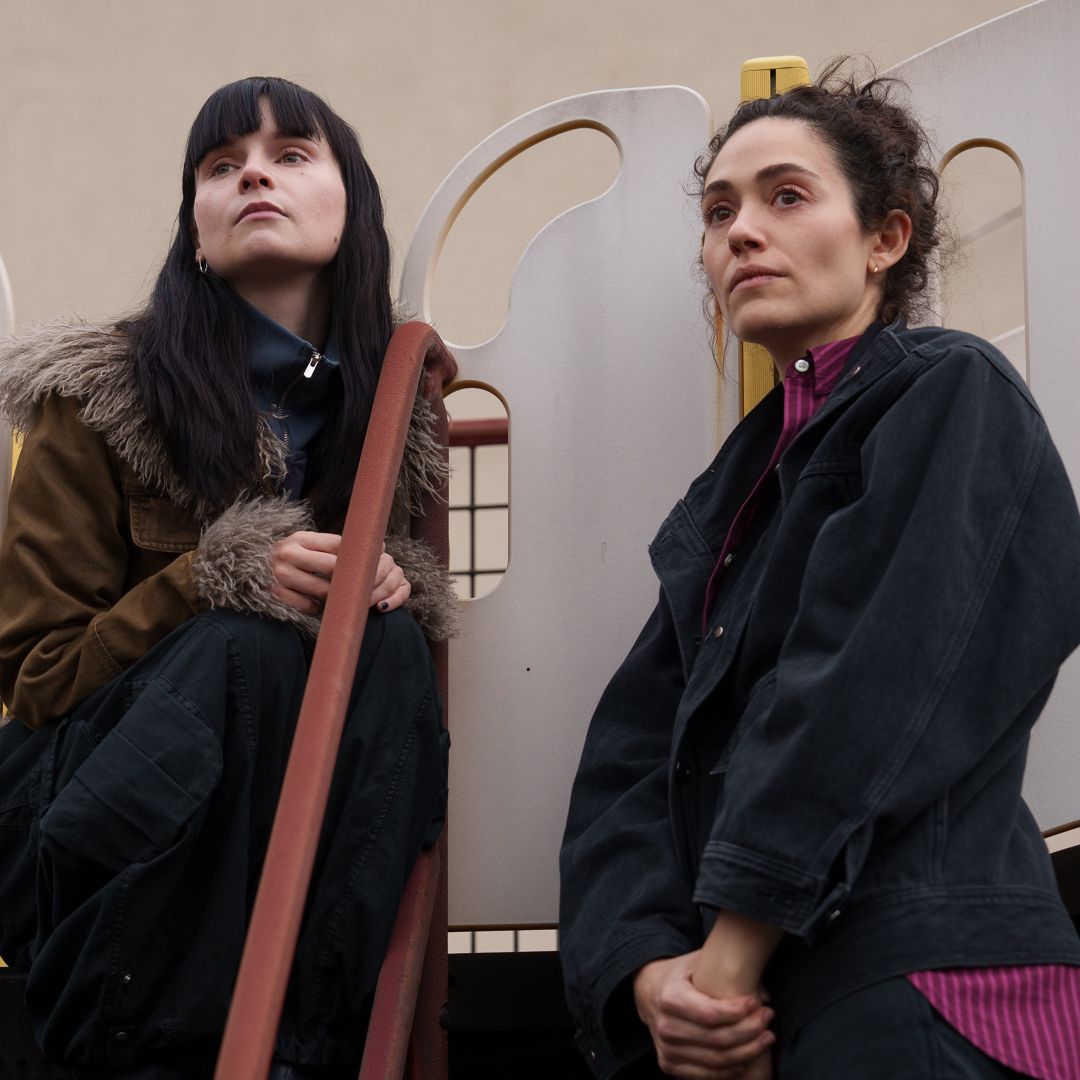
There is a particular kind of quiet that arrives after a woman decides she has been good for too long. Hulu's *Furious* understands this intimately. The series, which has quickly become a must-watch for those of us drawn to the psychology of restraint, is asking a question that feels almost forbidden in its timeliness: what happens when the system designed to protect us is the very thing we need saving from? The speculation that FBI agent may go full vigilante is not just fan service; it is the natural, almost inevitable, conclusion to a story this emotionally intelligent. We are not watching a descent into chaos; we are watching a slow, deliberate unbuttoning of a very tailored suit.
The show's brilliance is that it does not present feminine rage as a wild, untamed force. It presents it as a considered, devastating choice. This is where the narrative mirrors the cultural conversation around Beyond the Filter: Exploring Faith, Family, and the Future of #MomTok, where curated perfection is stripped away to reveal the complicated human beneath. Similarly, *Furious* peels back the procedural layers to expose a core of pure, unadulterated pain. The question is no longer whether she will snap, but whether she will choose to. That distinction is everything. It is the difference between being a victim of circumstance and the author of a new reality. We are watching a woman realize that justice is a luxury she can no longer afford, and that realization is both terrifying and liberating to witness.
For our readers, this is more than a plot point to debate. It is a reflection of a deeper, personal tension. We are all, to some degree, performing a version of ourselves that fits into the world's expectations, much like the political maneuvering we see in the final season of power, politics, and Korean intrigue. That show, like *Furious*, explores how the pursuit of control can consume the very person wielding it. The practical takeaway here is not about whether you agree with vigilantism; it is about the cost of suppressing your own truth. When you spend years following the rules, you eventually have to ask yourself if the rules were ever written to protect you, or simply to keep you in line. *Furious* is holding a mirror up to that internal negotiation, and the reflection is unflinching.
What we would tell a reader who asks us if she should go full vigilante is this: watch closely. The show is not interested in a simple moral victory. It is interested in the moment of choice. The most compelling detail to watch is not the body count or the twists, but the silence in her eyes during the final scene of each episode. That silence is where the real story lives. It is the space between the life she was told to live and the one she is beginning to realize she deserves. Whether she crosses that line or not, *Furious* has already given us something more valuable than a resolution: it has given us permission to consider the question without shame. The series ends on a note that asks us to sit with the discomfort of our own potential, and that is a luxury worth exploring.