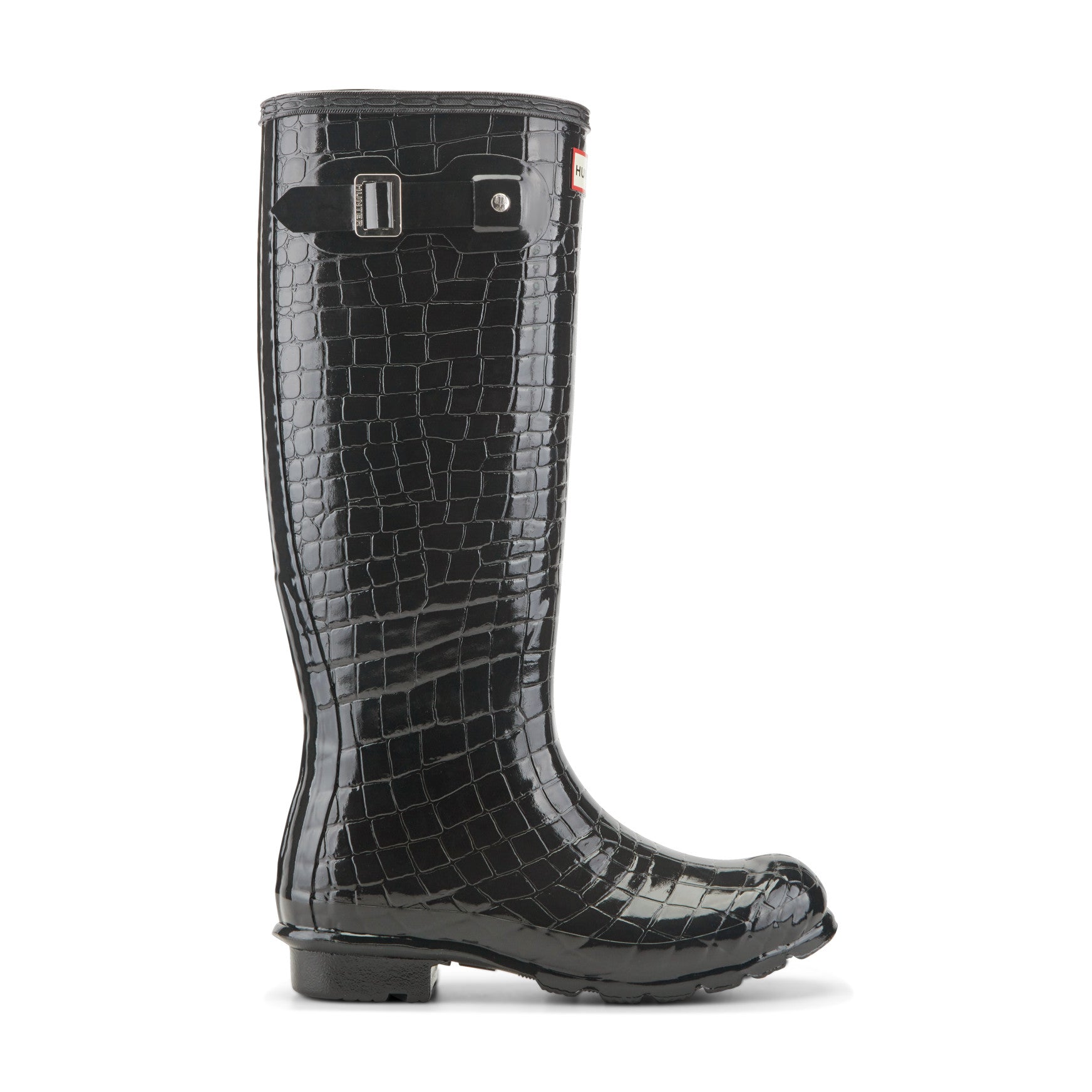
There is a particular kind of power in not trying to be remembered. Kate Moss at Glastonbury in 2005, standing in the mud in tall black Hunter boots, understood this instinctively. She paired the ruggedness of rubber with a gold long-sleeve minidress and a leather belt slung low, creating a moment that felt entirely unforced. It was not about the boots being fashionable; it was about the attitude she brought to them. That is the quiet cool that defines her legacy, and it is the same understated confidence we see echoing through today's most compelling style moments, whether in Elevated Footwear: Defining Fall's Quietly Stylish Sneaker Selection or the sharp, soft power of Quiet Confidence: The Most Elegant Celebrity Pixie Cuts.
What makes this revival so relevant is not the specific boot itself, but what it represents. In an era where fashion often screams for validation through logos and constant newness, Moss's approach is a deliberate whisper. She reminds us that true style is an internal state, a reflection of self-connection rather than a performance for the outside world. The Hunter boot becomes a symbol of that inner freedom. It is practical, unpretentious, and deeply sensual in its utility. It asks nothing of the viewer except to be present in the moment. This is the essence of Elevated Fall Style: Subtle Shifts for Lasting Impact, where the smallest adjustments carry the most weight.
For our readers, the takeaway is simple yet profound. You do not need to replicate this exact look to capture its spirit. You need to find the pieces that feel like an extension of your own worldview. Ask yourself what you want your clothes to say about your inner world. Is it freedom? Presence? A quiet confidence that does not need to announce itself? The answer lies not in the trend cycle, but in your own intuition. When you choose an item because it feels like you, because it holds a sense of calm authority, you are not just getting dressed. You are curating a mood, an atmosphere, a feeling that is entirely your own.
We would tell any reader who asks about this trend to focus on the feeling of nonchalance rather than the specific item. The magic is in the juxtaposition: the soft against the sturdy, the glamorous against the gritty. The real style lesson is about ownership. It is about wearing the clothes rather than letting the clothes wear you. Watch how you feel in what you wear. Does it ground you? Does it make you feel more like yourself? That is the only metric that matters. The specific detail to watch is how you incorporate a piece of utilitarian simplicity into your most personal uniform. That is where the real, lasting impact lives.