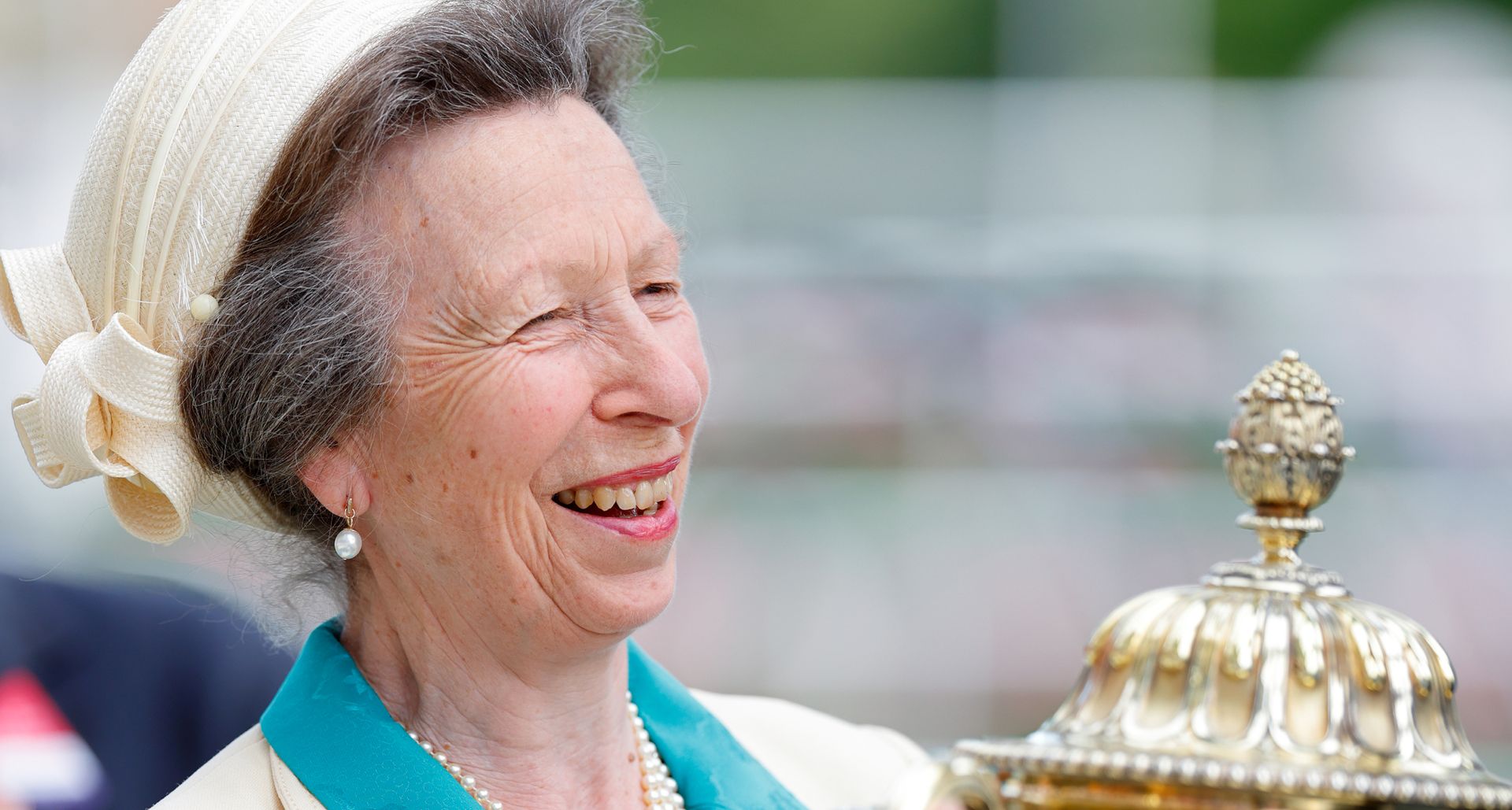
There is a quiet authority in being the one who simply gets on with it, and Grant Harrold's recent comparison of Duchess Sophie to Princess Anne captures something essential about modern royalty. The King's former butler called Sophie "the perfect royal," noting she shares Princess Anne's trustworthiness, work ethic, and that invaluable quality of quiet resilience. We agree, and more importantly, we see this as a deliberate evolution of what royal duty means in a slimmer monarchy. This is not about flash or fanfare; it is about showing up with such consistency that your presence becomes the foundation others build upon.
Sophie's dedication to causes like preventable blindness and sexual assault in conflict zones speaks to a particular kind of femininity, one that is strong without being confrontational and purposeful without being performative. It is the same energy we admire in Princess Anne's daughter, whose own path in Inside the Quiet Discipline Shaping Mia Tindall's Rising Equestrian Path reflects a generational commitment to quiet discipline over public spectacle. There is a thread here, a lineage of women who lead through action rather than announcement. Harrold noted that Sophie has the same "poker face" as the late Queen, a detail that feels less about stoicism and more about emotional self-awareness, the ability to remain grounded while the world watches. For our readers, the takeaway is practical: influence and loyalty are not built in grand gestures but in the steady, unglamorous work of being reliable.
What makes this endorsement particularly resonant is its timing. King Charles operates with a smaller circle of support, which means every role carries more weight. Harrold's observation that Sophie will become a matriarch for the Royal Family and a vital asset to future King William positions her not as a supporting character but as a central figure in the monarchy's next chapter. This mirrors the sentiment we explored in The Late Queen's Second Tiara Incident: A Last-Minute Borrowed Heirloom, where tradition meets improvisation, and the ability to adapt becomes its own quiet luxury. Sophie embodies that same adaptability, moving seamlessly between public duty and private loyalty, trusted by the King in ways that cannot be manufactured or performed.
We should watch how this trust translates into official responsibilities in the coming years. Harrold first met Sophie in 1999, the year she married Prince Edward, and noted her relationship with the Royal Family was already "incredibly strong." Decades later, that strength has matured into something the institution cannot afford to lose. The specific detail to observe is whether her portfolio expands beyond her current causes into more visible state functions, particularly as Prince William prepares for his own reign. If history is any guide, Sophie will not seek the spotlight; she will simply be there, steady and certain, the way Princess Anne always has been. That is the definition of a modern royal, and it is a standard worth aspiring to.