King Charles Shows Off an Impressive Skill and a “Real Bromance” as He Returns From Balmoral
Our take
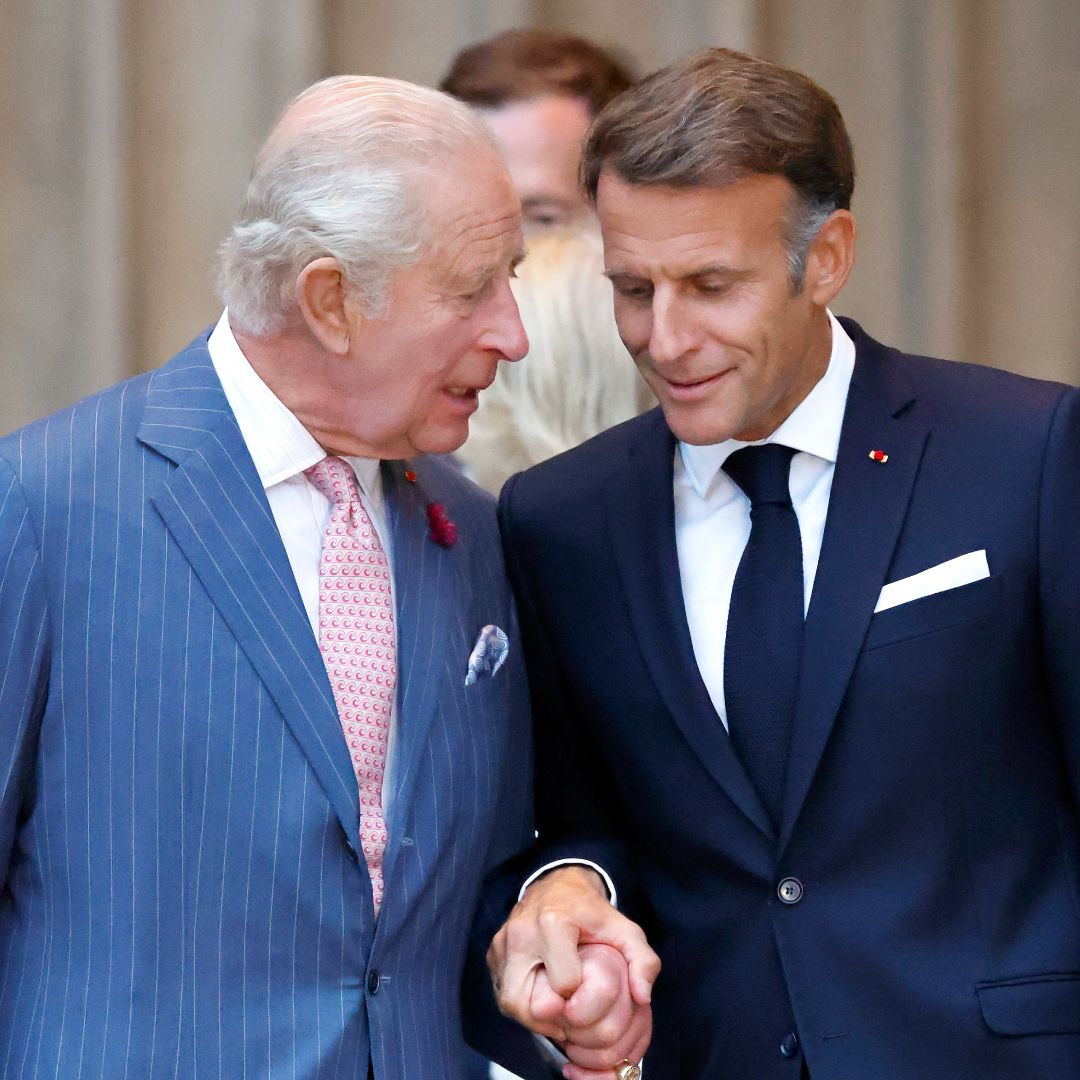
The return of King Charles from Balmoral, punctuated by a display of unexpected wit and a seemingly genuine rapport with French President Emmanuel Macron, offers a subtle but significant glimpse into the evolving image of the monarchy. The anecdote of Charles’s impromptu impressions, reportedly leaving Macron in stitches at the British Museum, moves beyond the usual diplomatic pleasantries and reveals a more human, relatable side of the King. It’s a carefully cultivated narrative, of course, but one that resonates with a public increasingly seeking authenticity from their leaders. This is particularly pertinent given the ongoing scrutiny of the royal family, as detailed in Royal Expert Claims William and Harry "Can't Not Engage Forever" But a Wales Family Friend Says Differently, highlighting the persistent tensions within the family and the need to project a united front. The humorous exchange, then, becomes a strategic tool, demonstrating Charles’s ability to connect with world leaders on a personal level, fostering goodwill and strengthening international relations.
The "real bromance," as some reports have labeled it, also serves to subtly counter any lingering perceptions of Charles as stiff or overly formal. It's a deliberate softening of the image, a move away from the more stoic demeanor often associated with previous generations of the royal family. This feels particularly important given the contrasting styles of his son, Prince William, and the complex dynamics surrounding their respective roles. The conversation shifts away from the serious matters of state, offering a brief, lighthearted moment that allows the public to see Charles as a man with a sense of humor and a capacity for genuine connection. Furthermore, the choice of the British Museum as the backdrop is noteworthy—it subtly reinforces the King’s role as a custodian of British culture and heritage, a responsibility he clearly takes seriously. The parallel with William's parenting approach, explored in William & Kate’s Strict Rules for George Revealed as Sources Speculate Archie Could Go to the Same School as Him, demonstrates a generational shift in royal presentation – a move toward greater approachability without sacrificing dignity.
Beyond the immediate charm of the anecdote, the interaction speaks to a broader need for the monarchy to adapt to a changing world. The public's appetite for royal drama and behind-the-scenes glimpses has been steadily increasing, fuelled by the media frenzy surrounding Harry and Meghan’s departure. To remain relevant and maintain public support, the monarchy must demonstrate its capacity to evolve, embracing a more modern and accessible style of engagement. Charles’s efforts to project a warm, approachable persona, underscored by his demonstrated skill with comedic timing, are a part of this ongoing recalibration. The subtle grace with which he handles these moments—avoiding any hint of self-importance or overt performance—is crucial. It’s not about becoming a comedian, but about revealing a glimpse of the person behind the crown, fostering a sense of connection and shared humanity. He’s carefully navigating the delicate balance between tradition and modernity, a challenge amplified by events such as those discussed in Why King Charles Is Unlikely to Attend King Harald of Norway’s Funeral—And Who Will Step In For Him, where royal duties and personal considerations intersect.
Ultimately, the encounter with Macron highlights a key strategy for King Charles: leveraging personal connection to reinforce his position and strengthen the monarchy's image. It's a quiet, assured approach – a demonstration of soft power rather than overt displays of authority. The question now is whether this carefully cultivated persona can withstand the inevitable tests of time and continue to resonate with a public increasingly skeptical of institutions. Will this subtle shift in royal presentation be enough to secure the monarchy’s future, or will it require further, more significant adaptations to meet the demands of a rapidly evolving world?
King Charles is back from his annual summer vacation on the Balmoral estate, and he returned to business on September 2 for an outing with Emmanuel Macron while demonstrating some impressive French skills—and his endearing friendship with the French president.
The King and Queen Camilla were joined by Macron and his wife, Brigitte, at the British Museum to view an important piece of British and French history. Following a historic agreement between the two countries, the Bayeux Tapestry has been loaned by France to the U.K. for the first time since it was made nearly 1,000 years ago.
The tapestry depicts events leading up to the Norman Conquest of England in 1066, led by William, Duke of Normandy, which culminated in the Battle of Hastings. The King held hands and shared plenty of laughs with President Macron during their appearance at the museum, and body language expert Darren Stanton reflected on their "genuine bromance."
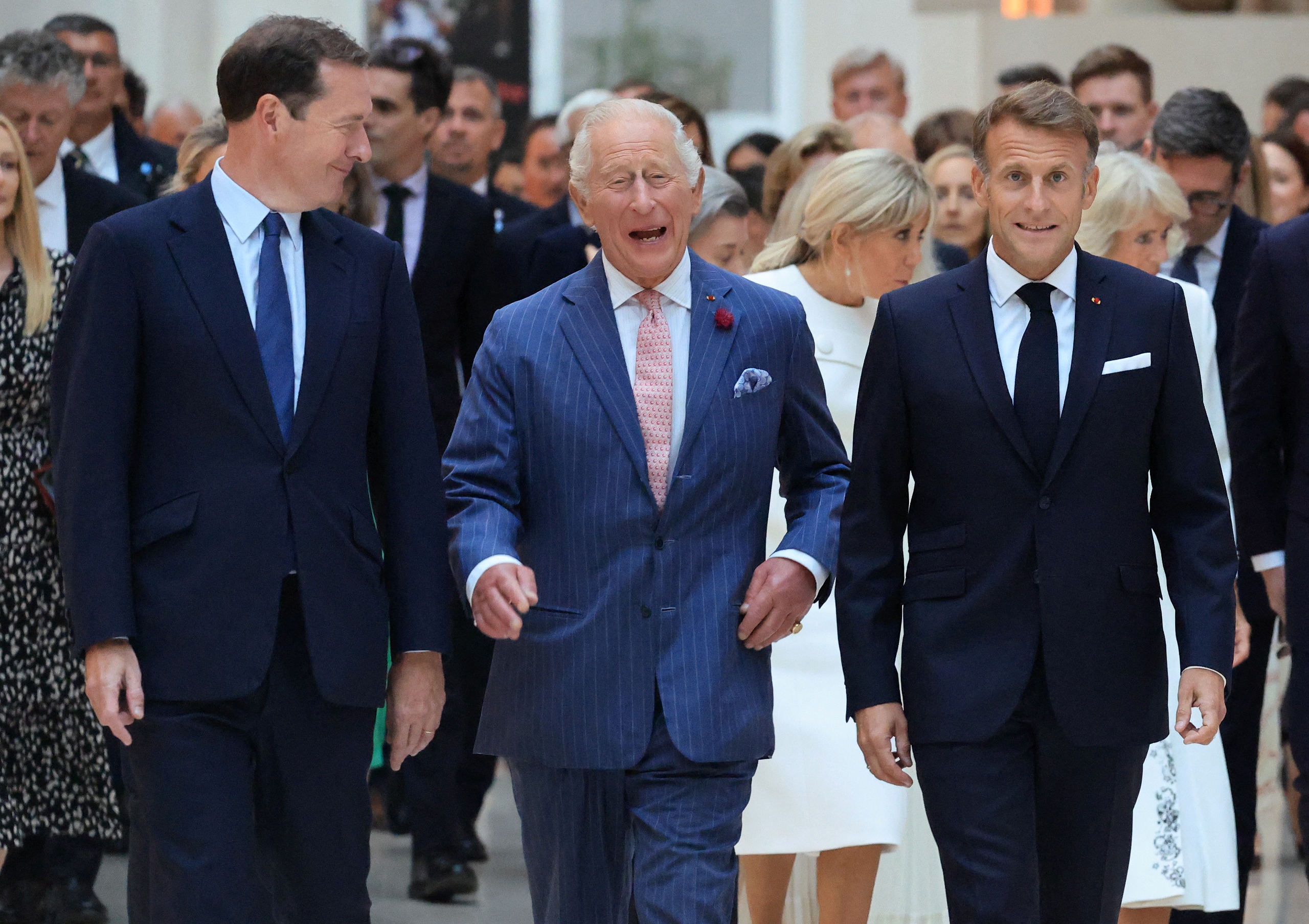
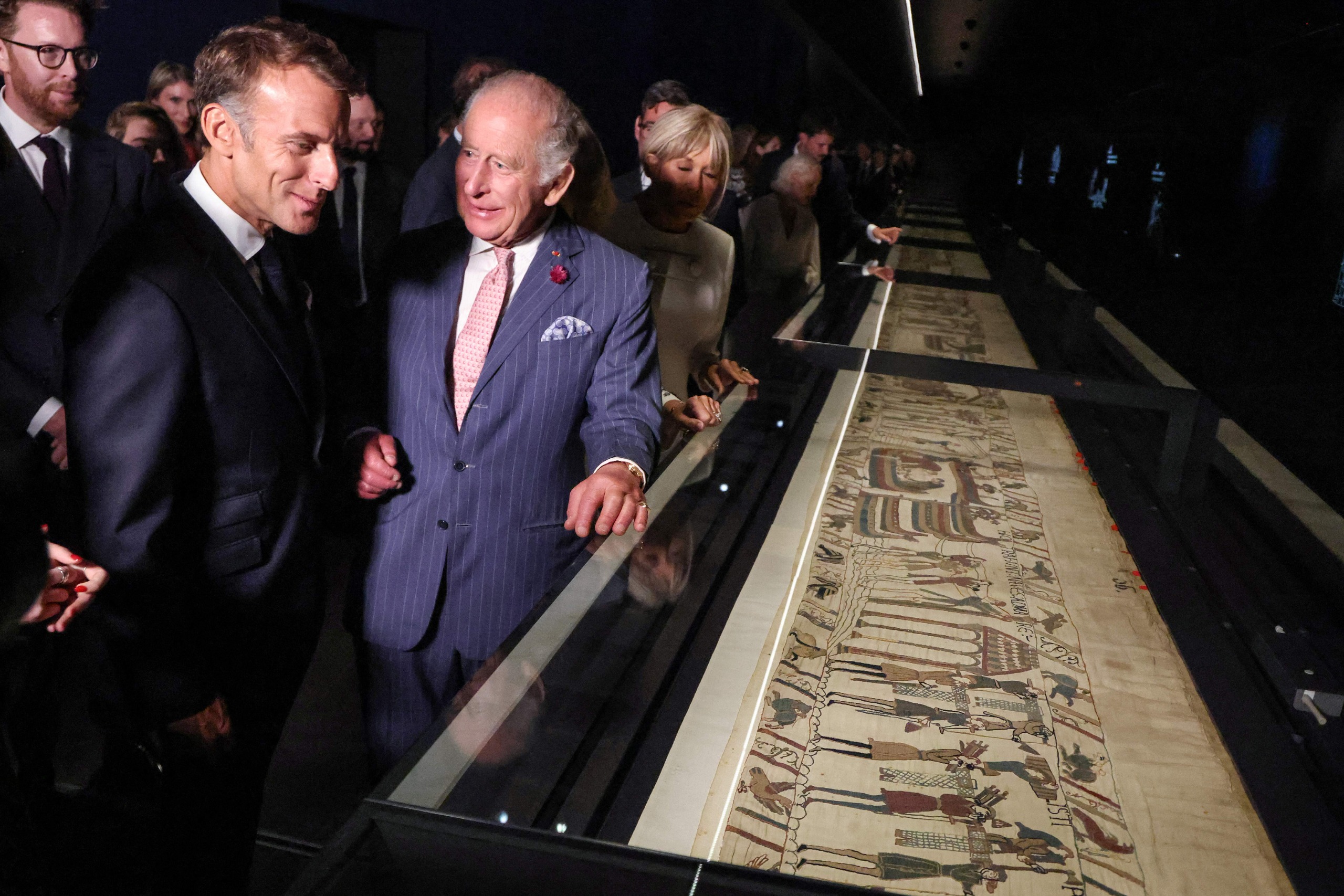
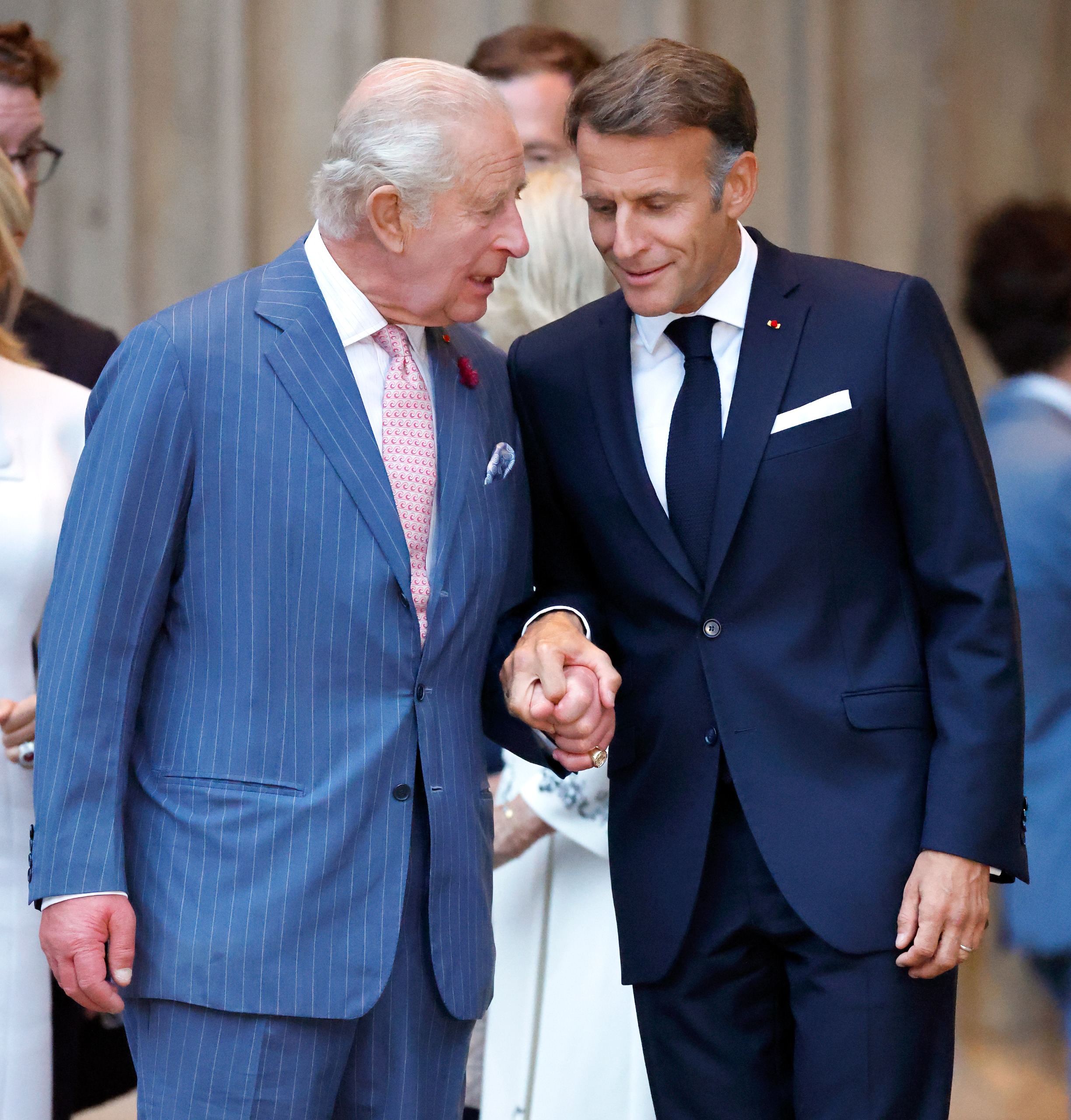
Speaking on behalf of Betfair Casino, Stanton shared, "I think the two men have got a real bromance. Even though they’re in this social situation, they’ve got this really obvious rapport. It’s almost like two old friends. They’re having a great time, and there’s a real sense of friendship between them."
The King even had the French president "in a proper fit of laughter" at one point, Stanton pointed out. "There are shots of Macron where he is crying with laughter," the body language expert said, adding, "So whatever Charles has said, it’s not just a social laugh or a social smile."
In addition to joking with Macron, The King honored their friendship by starting off his speech in French. "I cannot tell you how delighted my wife and I are to be with you this evening at the British Museum, having just admired the Bayeux Tapestry — here on display in the United Kingdom for the first time in its long and remarkable history," he said (translated from French).
He went on to call the tapestry "the best possible symbol of that 'entente amicale' of which we have both spoken so fondly," referring to the "friendly understanding" between Britain and France.
Read on the original site
Open the publisher's page for the full experience