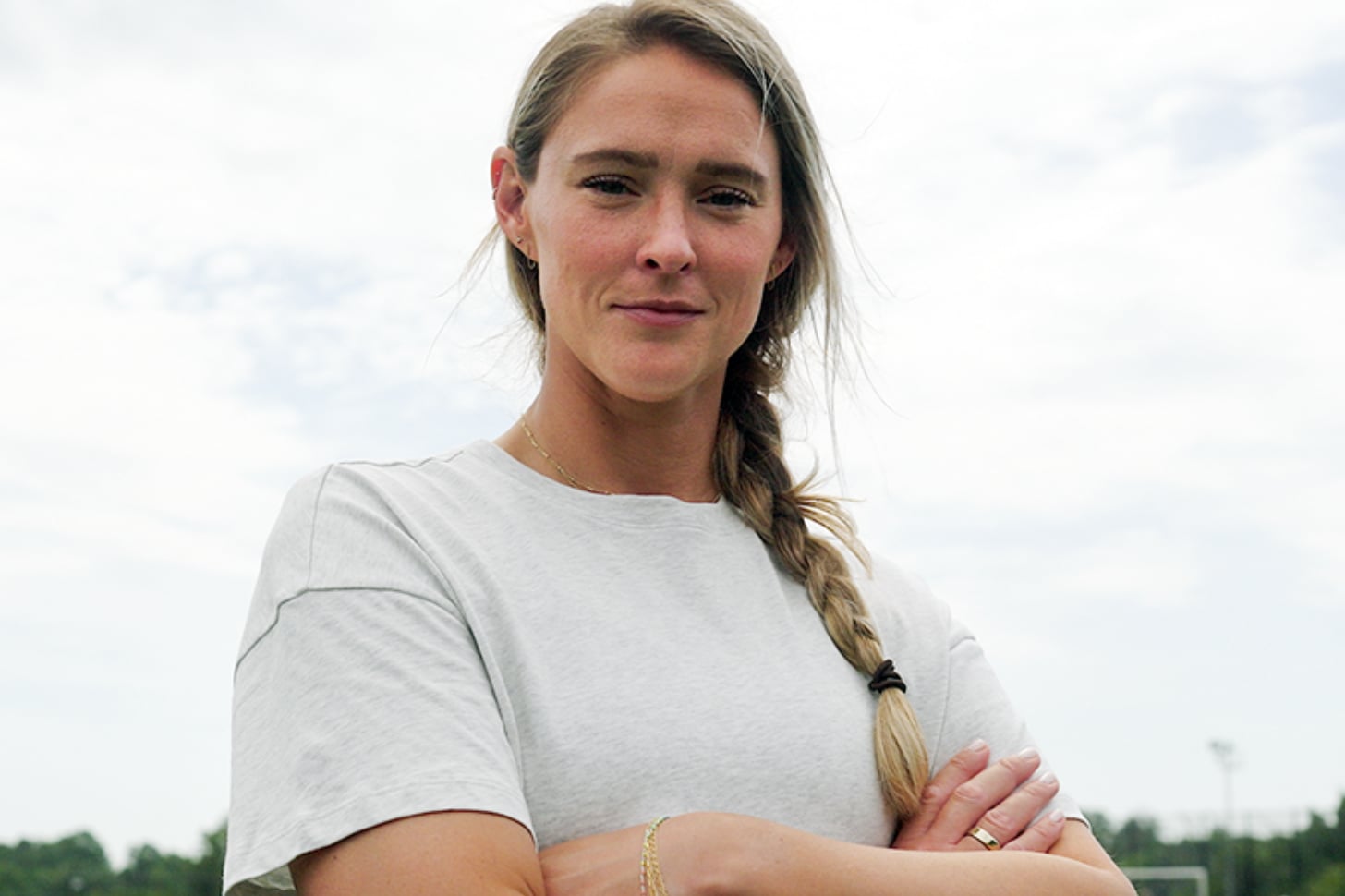
Kylie Kelce is the ultimate girl's girl. That phrase gets thrown around a lot, but she earns it in the quietest, most consistent way: she shows up. Between parenting four daughters and coaching high school field hockey, she uses her podcast to give women their flowers, no strings attached. What reads as effortless is actually a discipline. She doesn't need to announce her values; she lives them, and that restraint is exactly why her voice lands with such force. It's the same energy we see in Finding Yourself in Style: Beyond Costume, Toward Authentic Expression and Chiara Bransi: Crafting a World Where Femininity Meets Unwavering Purpose, identity isn't performed, it's practiced.
The World Cup dream trip is more than a vacation; it's a statement about where she chooses to invest her attention. Women's sports have long been treated as a secondary plot, something to support once the men's season ends. Kelce flips that script by making it the main event, not just for her daughters, but for herself. She doesn't frame it as activism or a grand gesture. She frames it as the obvious choice, the same way you'd take a child to a museum or a concert. That's the part that matters most: she normalizes the extraordinary by treating it as ordinary. And in doing so, she invites other women to do the same without needing permission or a platform.
For our readers, the takeaway isn't about booking a flight to the next tournament. It's about noticing where you already show up and asking if that's where you want to be. Kelce's version of confidence isn't loud; it's a quiet recalibration of priorities. She's not asking anyone to agree with her. She's simply demonstrating that supporting women doesn't require a spotlight, just a presence. That aligns with the momentum we're tracking in NFL Stars Bet on the Rising Momentum of Women’s Flag Football, where the game is changing because enough people decided to take it seriously. Kelce is part of that undercurrent, not because she's loud, but because she's consistent.
What we'd tell the reader who asks about this story is simple: watch what she does, not what she says. The trip is lovely, but the real signal is in the follow-through. She's building a legacy for her daughters that says: you belong in the stands, on the field, and everywhere else you want to be. The question she leaves us with is not whether women's sports will get their due, but whether we'll be the ones making space for it when it does. That's the quiet dare she's putting out there, and it's one worth accepting.