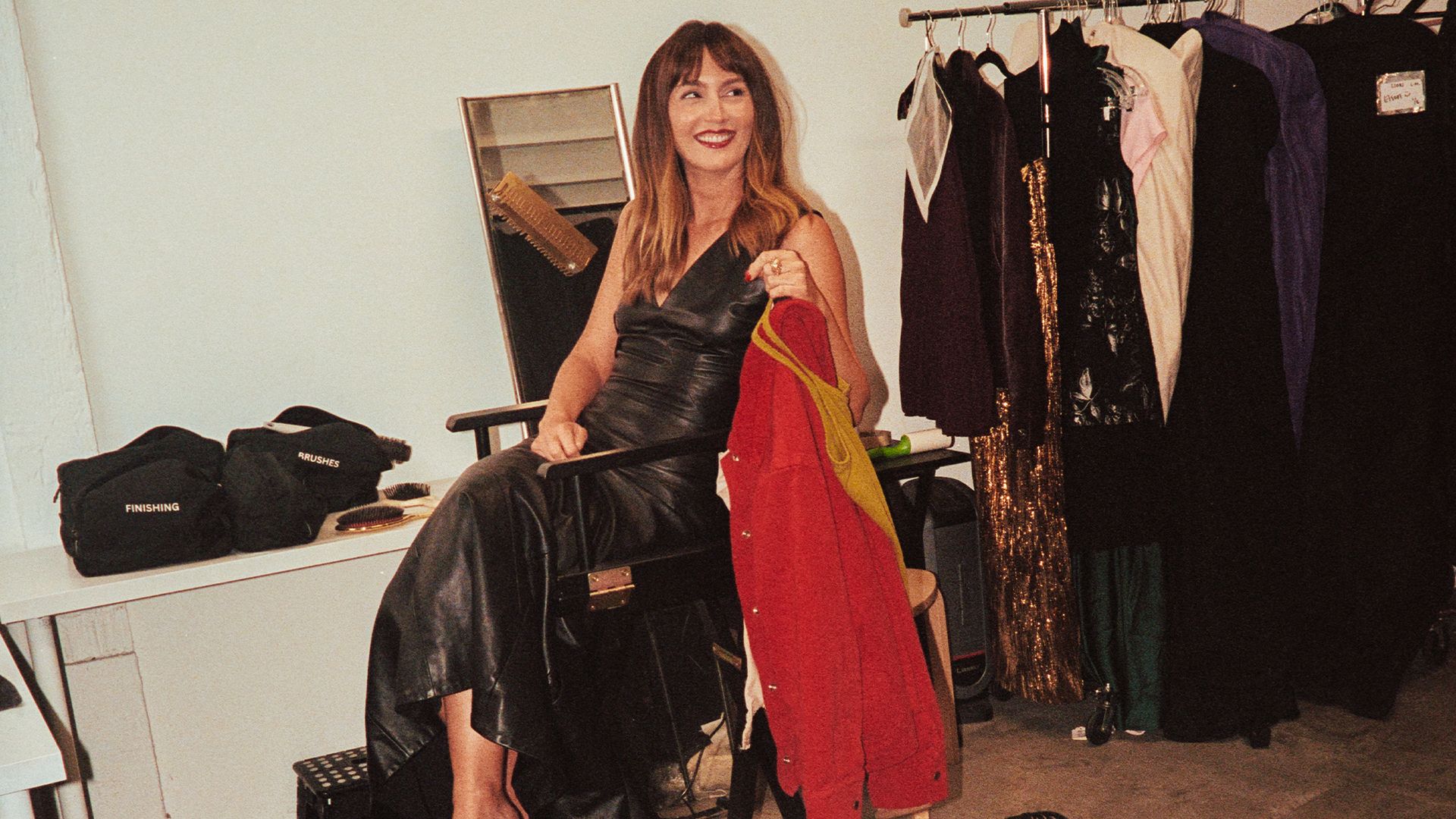
There is something quietly radical about a woman who chooses comfort over performance, especially during a season that often demands both. Leighton Meester's recent conversation about *Guarding Stars* and her holiday viewing habits offers a refreshing counterpoint to the usual press-cycle frenzy, a reminder that true confidence doesn't need to announce itself. She learned to flip a stuntman, ride a horse, and jump over an exploding prop, yet speaks about it with the same grounded ease she brings to admitting she talks to horses like puppies. This is not a woman trying to prove anything. She is simply showing us what it looks like to move through the world on her own terms, and that quiet self-possession is precisely what makes her compelling.
Her approach mirrors something we have been observing across culture lately: the return to intentionality over excess. Just as The Return to Bell Bottoms: A Quiet Style Verdict questioned whether wide-leg denim signals nostalgia or genuine reinvention, Meester's filmography choices suggest a similar recalibration. She is not chasing the loudest role; she is drawn to the one that asks something of her physically and emotionally. *Guarding Stars* blends action, romance, and comedy into what she calls "a mixture of genres," but the throughline is her willingness to be uncomfortable, on horseback, in a makeover montage, at a family dinner pretending to be someone she is not. That willingness to sit in discomfort without losing composure is, we think, the very definition of modern femininity: strong without confrontation, sensual without spectacle.
What struck us most was her confession that she only watched *The Holiday* for the first time last year. It is a small detail, but it speaks to something larger about how we curate our traditions versus inheriting them. In an era where cultural touchstones are often prescribed, Meester's admission feels like permission, to discover a classic late, to rewatch *Home Alone* with your children, to keep *The Nightmare Before Christmas* in rotation from September onward. She is not performing holiday nostalgia; she is living it, messily and personally. This is the same energy we admired in Florence Pugh channels quiet drama in a sculptural ode to power, where the actress used clothing to communicate interior strength rather than external demand. Both women understand that presence matters more than proclamation.
For our readers, the takeaway is this: the most magnetic people are not the ones who dominate the room, but the ones who do not need to. Meester's version of holiday comfort, action sequences, horse whispering, and all, invites us to consider what we actually want from the season, not what we are told to want. And if a cardigan fit for Blair Waldorf happens to arrive from Target for $45, well, that is just the universe meeting intention halfway. The question worth sitting with is not whether *Guarding Stars* will become a new classic, but whether we are brave enough to let our own comfort define the season, rather than the other way around.