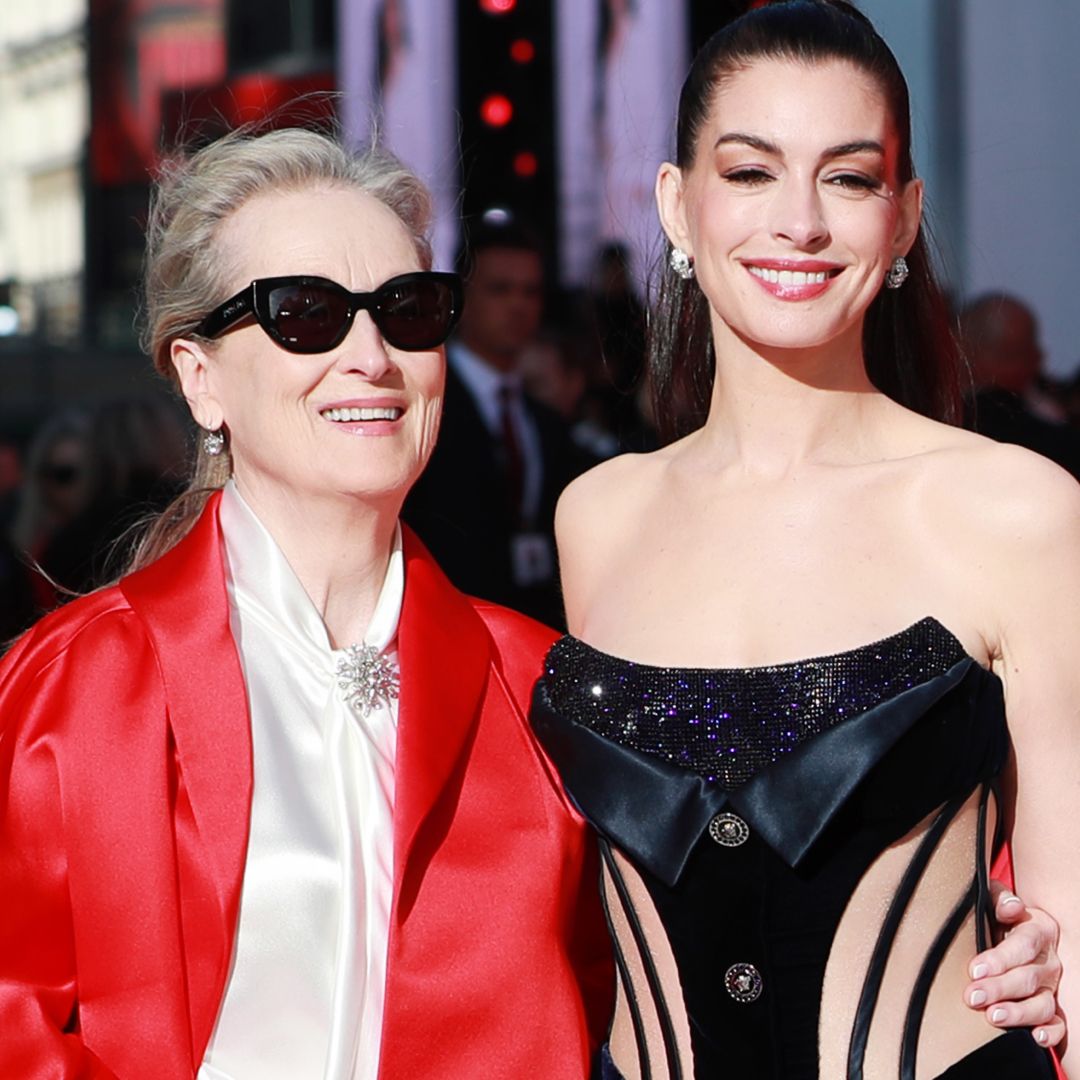
The recent red carpet event for 'The Devil Wears Prada 2' in London has proven to be a beacon of fashion enthusiasm, drawing the elite names of the industry including Versace, Balenciaga, and, of course, Prada. The film’s long-awaited sequel is not just a continuation of a beloved story; it is a cultural moment that reignites discussions about fashion's role in identity and self-expression. As we witness this event unfold, it invites us to reflect on the intersection of cinema and fashion, particularly in a world where style is a potent form of personal narrative.
The film's influence is palpable, as evidenced by the choices made by attendees on the red carpet. Each ensemble tells a story, a reflection of the wearer's individuality, and their connection to the broader themes of the film. This connection is particularly relevant in an era where fashion is increasingly seen as an extension of one’s identity rather than mere adornment. In our recent piece, Discover All the Best 2026 Cannes Film Festival Red Carpet Fashion, we explored how similar events cultivate a shared language of aesthetic aspiration. The red carpet serves as a canvas, showcasing not only the latest trends but also the personal narratives that accompany them.
Moreover, the anticipation surrounding 'The Devil Wears Prada 2' reflects a broader cultural moment where fashion films are gaining renewed interest. The excitement is not just for the plot or the nostalgia but for how these films encapsulate the power dynamics of fashion. As we saw in the original film, clothing is a character in its own right, shaping perceptions and dictating social interactions. This sentiment resonates with the themes explored in our article on sustainable fashion, is there any sustainable cute dresses that aren’t ugly?, where we question the relationship between ethical fashion and personal style. The dialogue surrounding sustainability is becoming increasingly vital, especially as consumers demand more from the brands they support. The red carpet event serves as a reminder that fashion can be both aspirational and responsible.
As we look ahead, the question remains: how will 'The Devil Wears Prada 2' influence not only the fashion industry but also the way we perceive our own styles? The film’s ability to merge high fashion with relatable narratives encourages viewers to engage with their identities in new ways. In the age of social media, where every outfit can be documented and shared, there is a palpable pressure to curate a personal aesthetic that resonates with others. The challenge lies in finding balance — embracing the empowering aspects of fashion without succumbing to the superficiality often associated with it.
In conclusion, the London red carpet for 'The Devil Wears Prada 2' is more than just an exhibition of glamorous attire; it is a reflection of our cultural moment, where fashion serves as both art and expression. As we engage with these narratives, we must also consider our own values and the stories we wish to tell through our clothing. The film, much like the red carpet event itself, beckons us into a dialogue about authenticity, identity, and the transformative power of style. As we ponder the legacy of 'The Devil Wears Prada', we are invited to ask ourselves: what does our personal style say about us in this ever-evolving narrative of fashion?