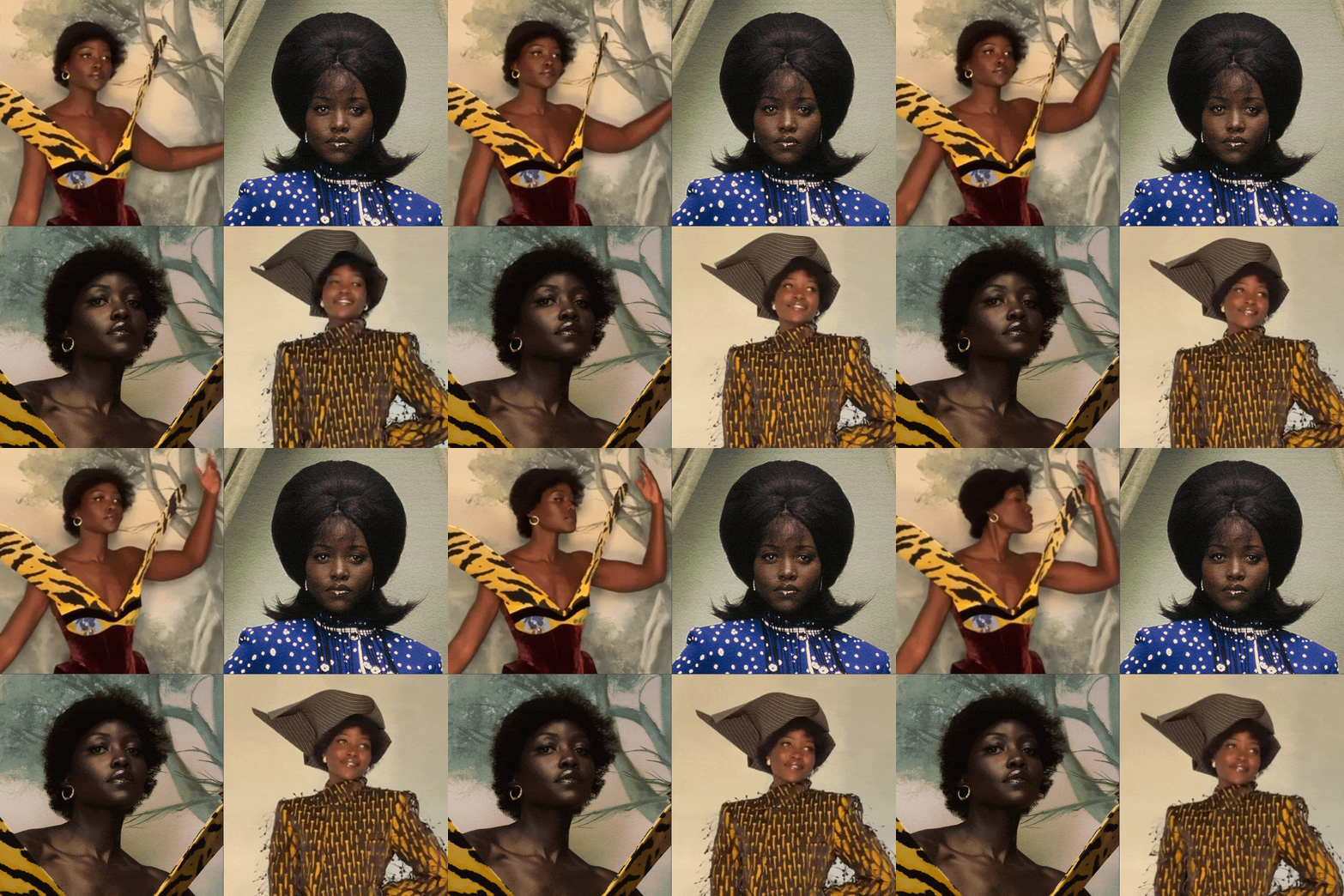
The recent *Who What Wear* cover shoot celebrating Lupita Nyong'o, and the subsequent reveals of its beauty details, resonate deeply with the current shift in luxury aesthetics – a move away from overt displays of wealth and toward a more considered, nuanced approach to style. The article’s focus on the collaborative spirit between Nyong'o, her hairstylist, and makeup artist highlights a crucial element often overlooked: the artistry and intention behind creating a truly impactful image. We’re seeing a broader cultural understanding that true elegance isn't about the price tag of the garment, but rather the thoughtful curation of an entire look, the way textures and colors play together, and the confidence with which it's worn. This aligns beautifully with the quiet luxury ethos we champion – a world where understated sophistication speaks volumes. It’s a sensibility that's also reflected in the rising popularity of trends like bold summer prints, moving away from the predictable French Women Are Skipping Dainty Florals for This Bold Summer Print Trend , and even a playful embrace of unexpected footwear, as seen with fashion’s shift away from basic sandals toward more vibrant and expressive choices Fashion People Are Skipping Basic Sandals for This Fun Shoe Trend This Summer .
What’s particularly compelling about this cover shoot isn’t just the final result, but the process described. The emphasis on layering, draping, and creating a sense of regal atmosphere speaks to a deliberate construction of a mood. It’s a move away from simply showcasing clothing and towards building an entire visual narrative. The article’s mention of Nyong’o's engagement in the creative process further reinforces this idea – she’s not merely a model, but a collaborator, actively shaping the image and contributing to its overall impact. This echoes the founder-as-muse energy we often see in successful brands, where the individual’s personality and perspective are intrinsically linked to the brand’s identity. It’s a rejection of the traditional, impersonal approach to fashion imagery and a move toward something more authentic and emotionally resonant. The described use of rich drapery and outdoor-printed scenery evokes a sense of timelessness and connection to nature, qualities increasingly valued in a world saturated with fleeting trends.
The choice of Chanel and Luar, two brands representing distinct yet complementary aesthetics, further demonstrates this versatility. Chanel embodies classic luxury, while Luar injects a contemporary edge with its bold designs. Nyong’o's ability to effortlessly navigate both styles underscores her inherent confidence and understanding of personal style – a key element of the aspirational yet grounded lifestyle we promote. This isn’t about blindly following trends; it’s about adapting them to suit one’s own unique sensibility. The article implicitly reminds us that true style isn't about adhering to rigid rules, but about experimenting, expressing oneself, and embracing individuality. Even the consideration of how this look might translate to different body types, as hinted at by the related piece on petite women Who Likes Short-Shorts? 5 Trends Petite Women Should Have on Their Radar This Summer , signals a growing desire for inclusivity and representation within the fashion world.
Ultimately, Lupita Nyong'o’s *Who What Wear* cover shoot serves as a powerful reminder that beauty and style are about more than just appearances. They are about self-expression, confidence, collaboration, and the creation of a compelling narrative. The focus on the artistry and intentionality behind the image elevates it beyond a simple fashion editorial and transforms it into a celebration of creativity and individuality. As we move forward, it will be fascinating to see how this shift towards a more considered and emotionally intelligent approach to fashion imagery continues to shape the industry and how brands leverage this evolving understanding of luxury to connect with their audiences on a deeper level. Are we entering an era where the *making* of the image becomes as important as the image itself?