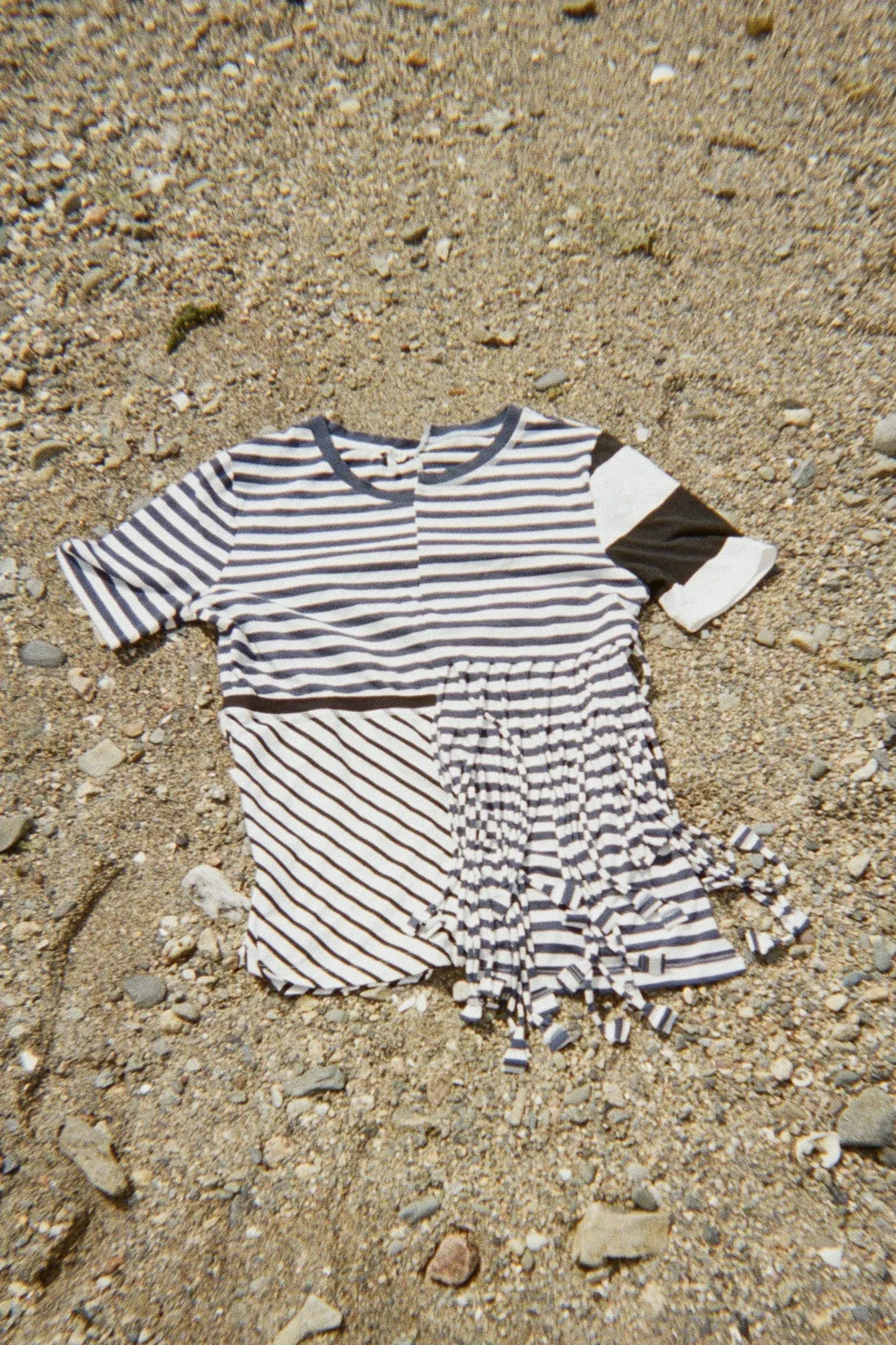
There is a particular honesty in admitting that a family vacation is relocation, not relaxation. The piece on Maine layers captures that truth with a lightness that feels earned, especially for anyone who has traveled with small children and learned that the real vacation begins when you stop pretending otherwise. What resonates here is not the itinerary or the destination, but the quiet recalibration that happens when cool mornings force you back into familiar fabrics. Sweatshirts and pants become a form of emotional armor, a way of easing back into your own rhythm while the world outside slows its humidity and sharpens its edges. It is not about escaping; it is about settling into a different kind of presence.
Graphic tees, cargo pants, fisherman sandals, and layers are not a trend report but a study in deliberate comfort. This is where the story connects to a broader editorial conversation we have been having, particularly in Elevated Fall Style: Subtle Shifts for Lasting Impact, where the emphasis falls on low effort with high reward. There is a through line here that feels essential: style is not about proving anything to anyone, least of all yourself. It is about moving through a day, a week, a season, with enough ease that your clothes never interrupt your attention. For our readers, the takeaway is practical: do not overhaul your wardrobe when the temperature drops. Look at what already works and ask what layer adds function without friction. That is the whole assignment.
What makes this piece feel particularly aligned with our perspective is its refusal to romanticize the chaos. Traveling with children is messy, loud, and unpredictable. The style that survives it is not the kind that demands constant adjustment. It is the kind that absorbs the day's small disasters and still lets you feel like yourself by dinner. This echoes the sentiment in Short nails, elevated style: Fall's manicure mood, where polish is found in restraint rather than ornament. The same logic applies to clothing: the most elegant version of a look is often the one that requires the least thought. Cargo pants do not need to be styled into submission. They need to have good pockets and a forgiving waistband. That is it.
The deeper pleasure here is the permission to be comfortable with your own preferences, even when they are not glamorous. Graphic tees are not revolutionary. It simply suggests they have a place, and that place is often exactly where you are. We would tell any reader who asks about this piece that the real insight is not about Maine or even about autumn. It is about noticing what your body needs on a given day and trusting that instinct. The question worth holding onto as the season shifts is not *what should I wear* but *what will let me forget I am wearing anything at all*. That is the quiet confidence we keep returning to, and it looks good on everyone.