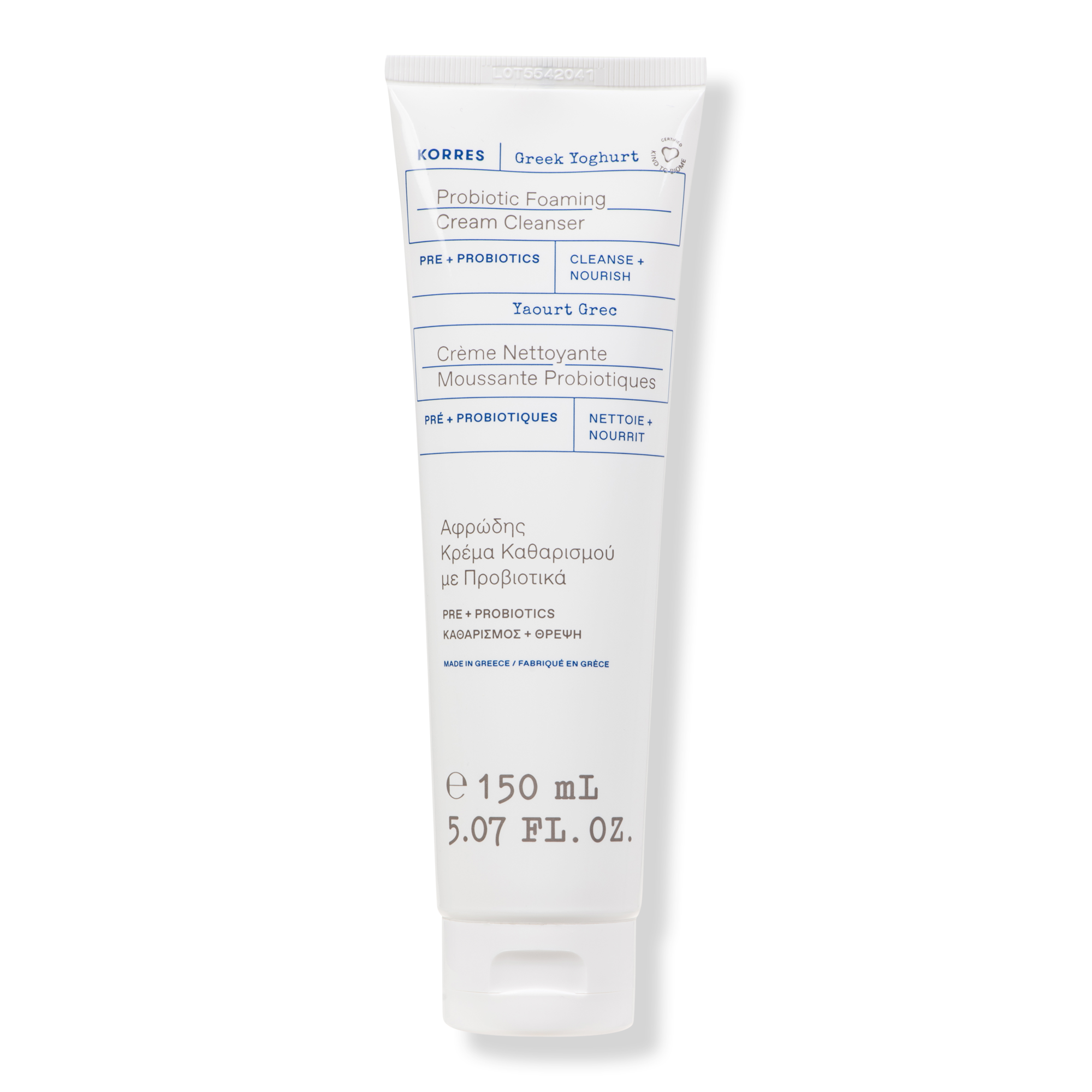
The burgeoning interest in Mediterranean skincare is more than a passing trend; it’s a reflection of a wider cultural shift toward holistic wellness and a rejection of the often-aggressive, results-driven approach that has dominated Western beauty standards. The article's focus on regional ingredients and "maximum efficiency" speaks to a desire for simplicity and authenticity—qualities increasingly valued by consumers seeking a more mindful relationship with their routines. We’ve seen this ethos emerge in other areas of fashion, with a growing appreciation for timeless pieces like Not Trainers: The Elegant Anti-Trend Flats Fashion People at the Airport Are Wearing With Drawstring Trousers demonstrating how understated elegance resonates with a desire to move away from fleeting trends. This aligns perfectly with the current mood; a quiet confidence built on quality and intention, rather than constant reinvention. Simultaneously, the popularity of trends, as seen with Sofia Richie’s revival of a “dated” trainer style Sofia Richie Just Wore the “Dated” Trainer Trend That’s Actually +209% In Sales Right Now, highlights the cyclical nature of fashion and beauty, but the Mediterranean skincare movement feels qualitatively different—rooted in a deeper philosophy rather than mere aesthetic revival.
The analogy to the Mediterranean diet is particularly insightful. It frames skincare not as a temporary fix, but as a sustainable, integral part of a larger lifestyle choice. The conscious selection of regional ingredients—olive oil, honey, citrus extracts—echoes the principles of mindful eating, emphasizing provenance, seasonality, and the inherent benefits of natural resources. This resonates with a broader cultural reckoning around “wellness culture,” moving away from restrictive practices and towards a more balanced, nourishing approach to self-care. It's about supporting the body's natural processes rather than battling against them with harsh chemicals and aggressive treatments. The rejection of the "Western terms" of dieting—calorie counting and restrictive eating—is a powerful statement, underscoring the need for a gentler, more intuitive approach to beauty as well. The minimalist ethos inherent in this movement is appealing; fewer, more potent ingredients that work in harmony with the skin’s natural microbiome.
This shift also speaks to a growing awareness of the environmental impact of the beauty industry. Mass-produced skincare often relies on complex supply chains and environmentally damaging practices. Regional skincare, by definition, prioritizes local sourcing and reduces transportation emissions. It aligns with a broader trend toward conscious consumerism and a desire to support sustainable businesses. Furthermore, the emphasis on simplicity and natural ingredients can be seen as a reaction against the overwhelming complexity of many modern skincare routines, which often involve a dizzying array of products and conflicting advice. The beauty of the Mediterranean approach lies in its clarity—a focus on fundamental principles and a reverence for the power of nature. It’s a return to a more elemental understanding of beauty, one that prioritizes health and well-being over fleeting trends. Even the suggestion of "maximum efficiency" moves beyond the constant pursuit of anti-aging, leaning instead toward optimizing skin health for a vibrant, natural glow.
Looking ahead, it’s likely we’ll see a continued blurring of the lines between skincare, nutrition, and lifestyle. The Mediterranean model offers a compelling blueprint for a more holistic and sustainable approach to beauty—one that celebrates the inherent radiance of healthy skin and aligns with a broader ethos of mindful living. Will this movement inspire a similar shift within the broader cosmetic industry, prompting brands to prioritize sustainability, transparency, and a deeper understanding of the skin’s natural biology, or will it remain a niche offering for a discerning consumer base? The answer likely rests on the ability of these regional skincare brands to communicate their values authentically and to demonstrate the tangible benefits of their approach—without resorting to the very tactics they seek to transcend.