Millennials Will Be Shocked: Gen Z Is Saying These 2016 Brands Are Relevant Again
Our take
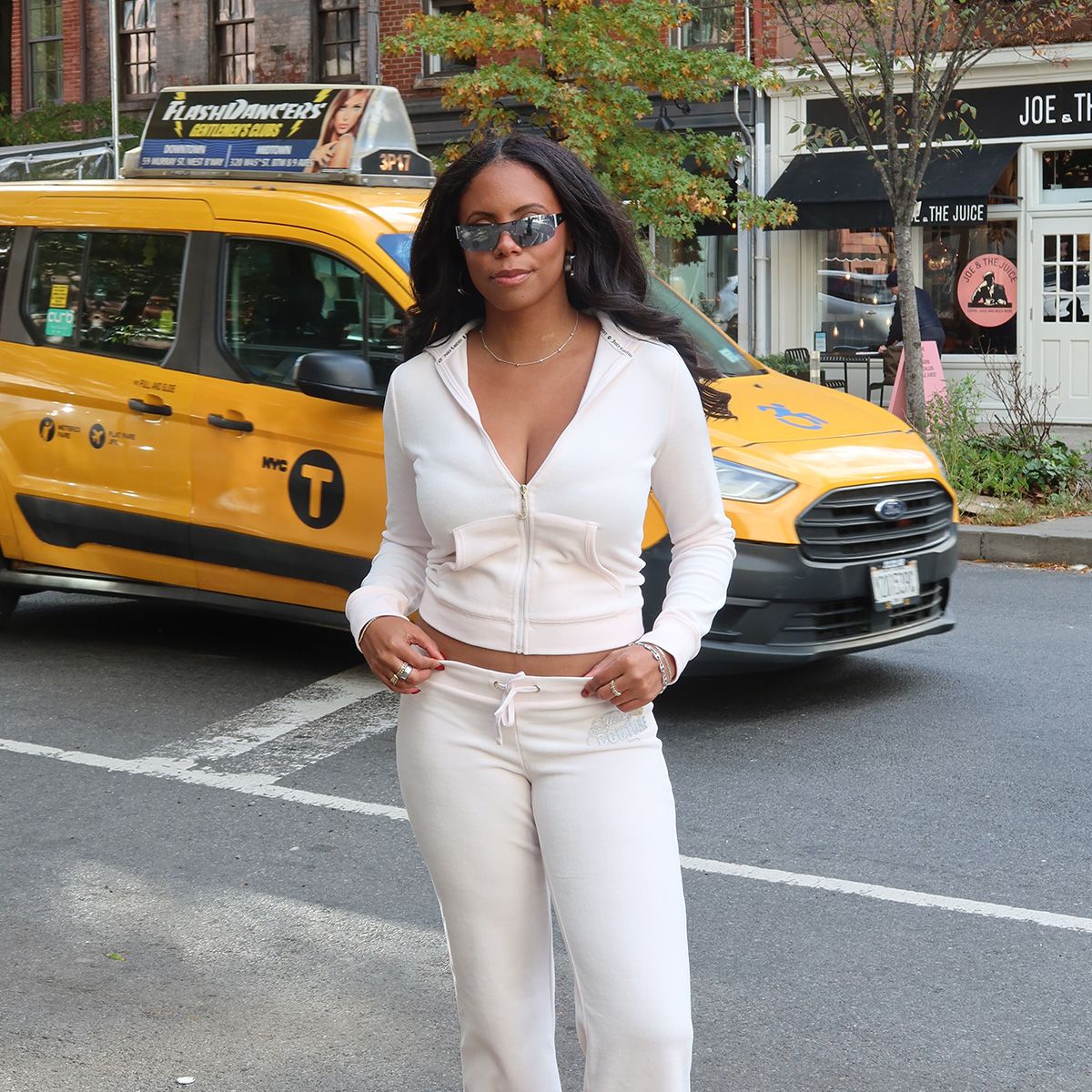
The resurgence of 2016 brands among Gen Z is more than just a nostalgic trend; it's a fascinating commentary on evolving style cycles and the shifting definition of luxury. Seeing Brandy Melville and Juicy Couture, once staples of the millennial Tumblr aesthetic, gaining traction again highlights a desire for a certain unpretentious, almost playful, femininity that feels distinct from the hyper-polished influencer culture that dominated the late 2010s. This echoes a broader shift we’ve observed, as evidenced by the recent Once Fashion’s Most Divisive Shoe, Tabis Are Suddenly Everywhere—17 Split-Toe Flats to Shop Now, demonstrating a willingness to embrace quirky, sometimes polarizing, silhouettes. The return isn't necessarily about replicating the exact looks of 2016, but rather reinterpreting them through a contemporary lens, stripping away some of the overt branding and embracing a more individualistic approach to styling. It’s about finding comfort and self-expression in pieces that carry a certain history, a feeling of familiarity, but aren't necessarily tied to current trends.
The appeal of these brands likely stems from a reaction against the relentless pace of fast fashion and the pressure to constantly acquire the "newest" thing. Gen Z, arguably more conscious of sustainability and ethical consumption than previous generations, may be drawn to the perceived authenticity and slightly worn-in quality of these revived styles. Furthermore, the ease and accessibility of these brands—often found at lower price points—contrast with the increasingly exclusive and often unattainable world of high-end fashion. Consider, too, the recent article Fact: If a French Girl Walked Into Zara Today, She'd Walk Out With This, This, and This, which underscores the desire for understated elegance and timeless pieces – a sensibility that can easily be integrated with the revived 2016 aesthetics. This isn't about chasing fleeting trends, but about curating a personal style rooted in enduring values and a sense of ease.
This cyclical return also speaks to the inherent nature of fashion; what was once considered "out" inevitably finds its way back in, albeit often transformed. The mid-2010s aesthetic, characterized by a blend of California cool, a touch of irony, and a DIY sensibility, is ripe for reinterpretation. The key difference now is the context. In 2016, these brands were often associated with a particular type of social media presence and a curated online persona. Today, Gen Z is approaching fashion with a greater sense of self-awareness and a desire to move beyond the performative aspects of online style. They're less interested in mimicking influencers and more focused on expressing their individuality through clothing. The current revival isn't about recreating the past exactly; it’s about drawing inspiration from it and reimagining it in a way that feels authentic and relevant to their own experiences. As we saw with the exploration of capsule wardrobes It's Early, But It's Here: The Summer-to-Fall Capsule Wardrobe 2 Style Experts Swear By, there’s a growing emphasis on intentionality and mindful consumption.
Ultimately, the resurgence of 2016 brands underscores a broader shift in the fashion landscape – a move away from fleeting trends and towards a more sustainable, individualistic, and emotionally resonant approach to style. It invites us to consider how nostalgia functions in a digital age and how younger generations are redefining the meaning of luxury and cool. The question now is: will this revival extend beyond just a few key brands, and will it reshape the entire fashion ecosystem, encouraging a greater focus on timelessness and personal expression over constant novelty?
If you were old enough in 2016 to have a Tumblr account, stream Lana Del Rey, ask for a Brandy Melville gift card on your birthday, or beg your parents for a Juicy Couture tracksuit come Christmastime, you might want to look away. Some of the fashion brands that defined the mid-2010s are having a very unexpected second act in 2026, and this time, a new generation is leading the charge.
It's funny seeing many of the trendy It items that I tossed by 2020 at the helm of this resurgence, but here they are. Early on, 2026 was marked as the new 2016. People posted photo dumps using retro Instagram filters of the past, took pictures at the pink wall in L.A., and ordered colorful drinks, but we need to talk about the brands that are at the center of this cultural renaissance. Below, find the 2016 brands to be seen in while the iconic year is back around.
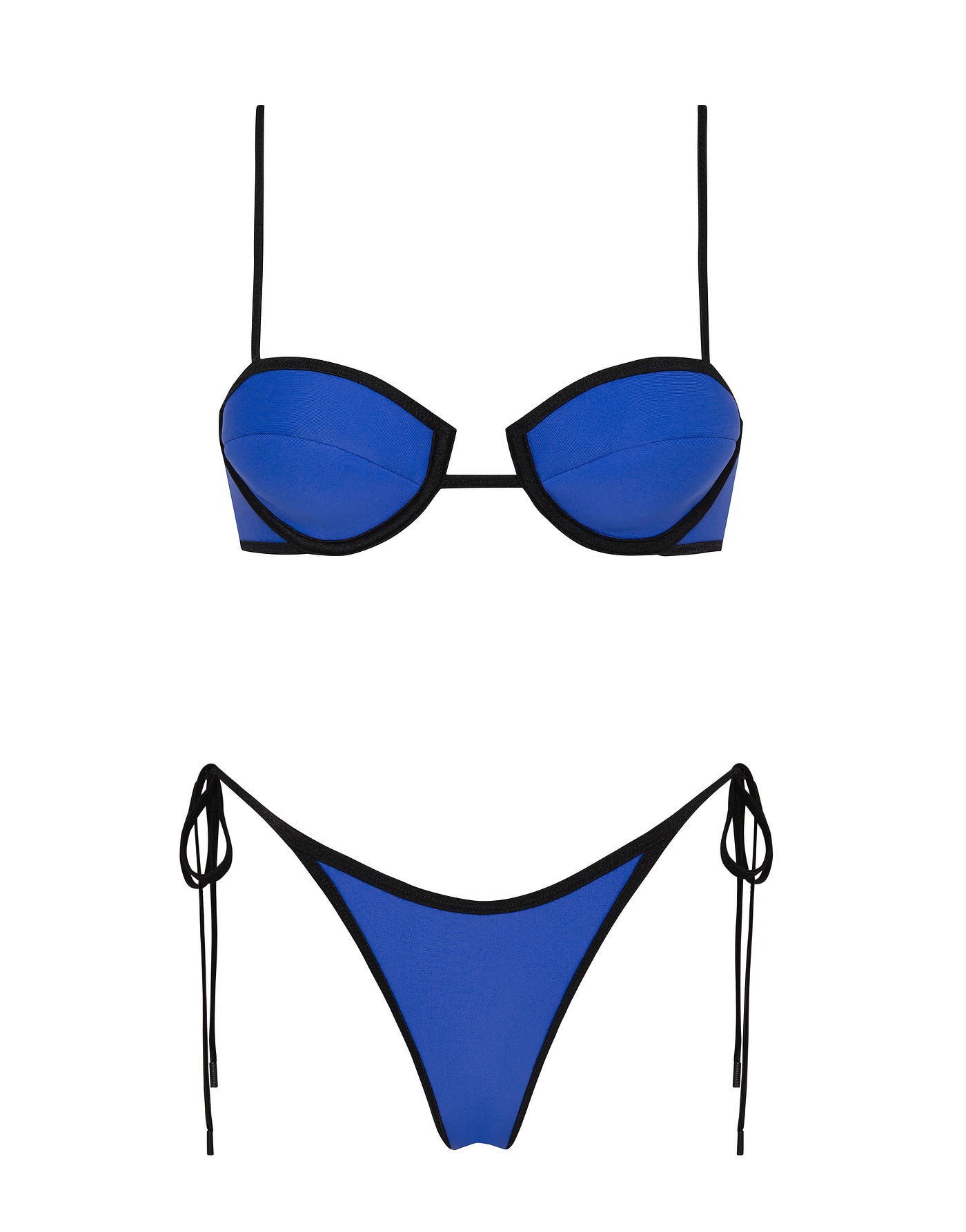
Triangl
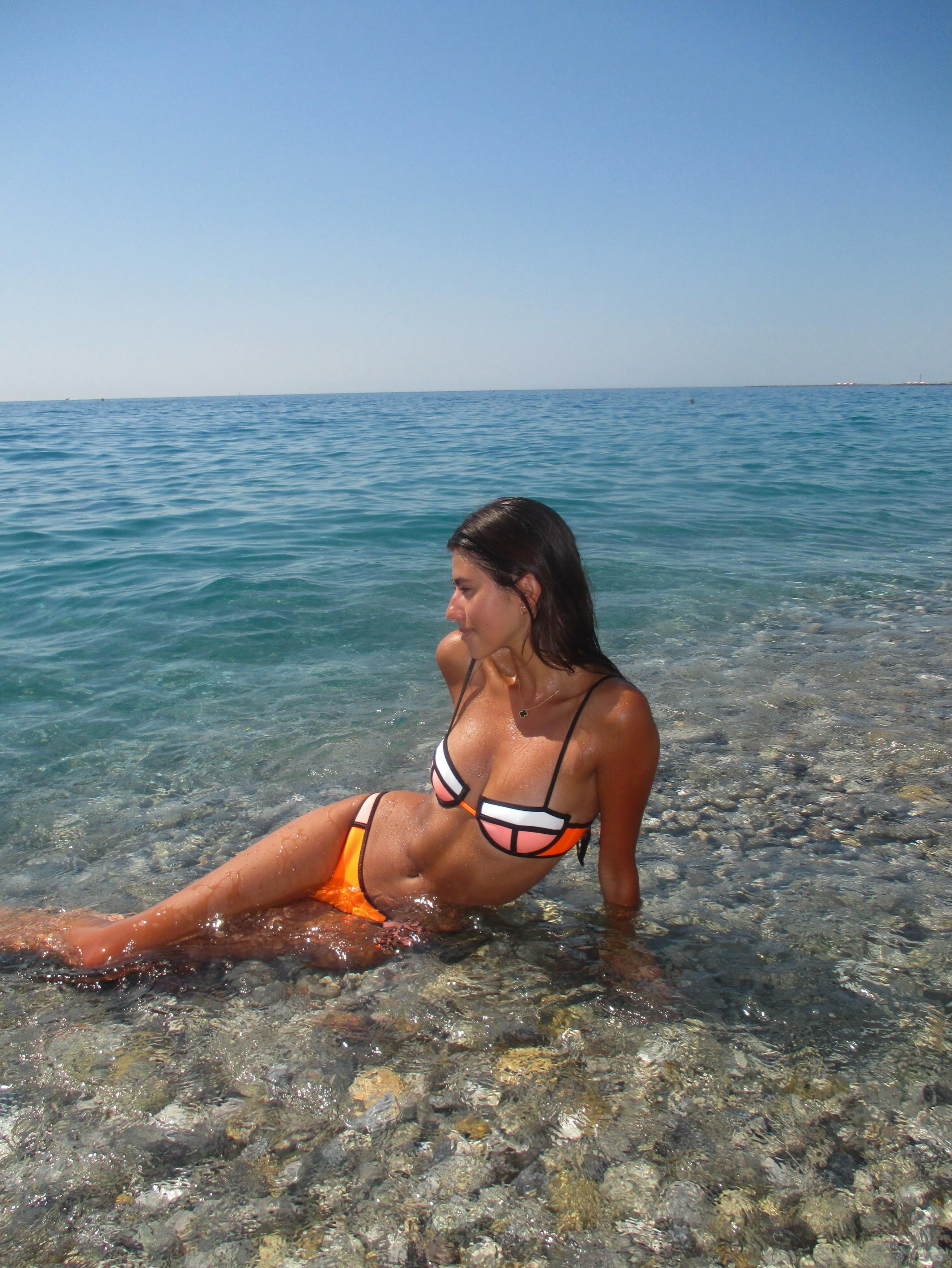
Remember when a Triangl bikini was the unofficial uniform for every beach vacation in 2015 and 2016? I had to have one back then even though the shipping from Australia took weeks. The brand's colorful, sporty bikinis are popping back up in the fashion conversation, proving that the swimwear millennials thought they'd left behind might actually have another summer in it. Consider this your warning before your old vacation photos start feeling aspirational again.
Brandy Melville
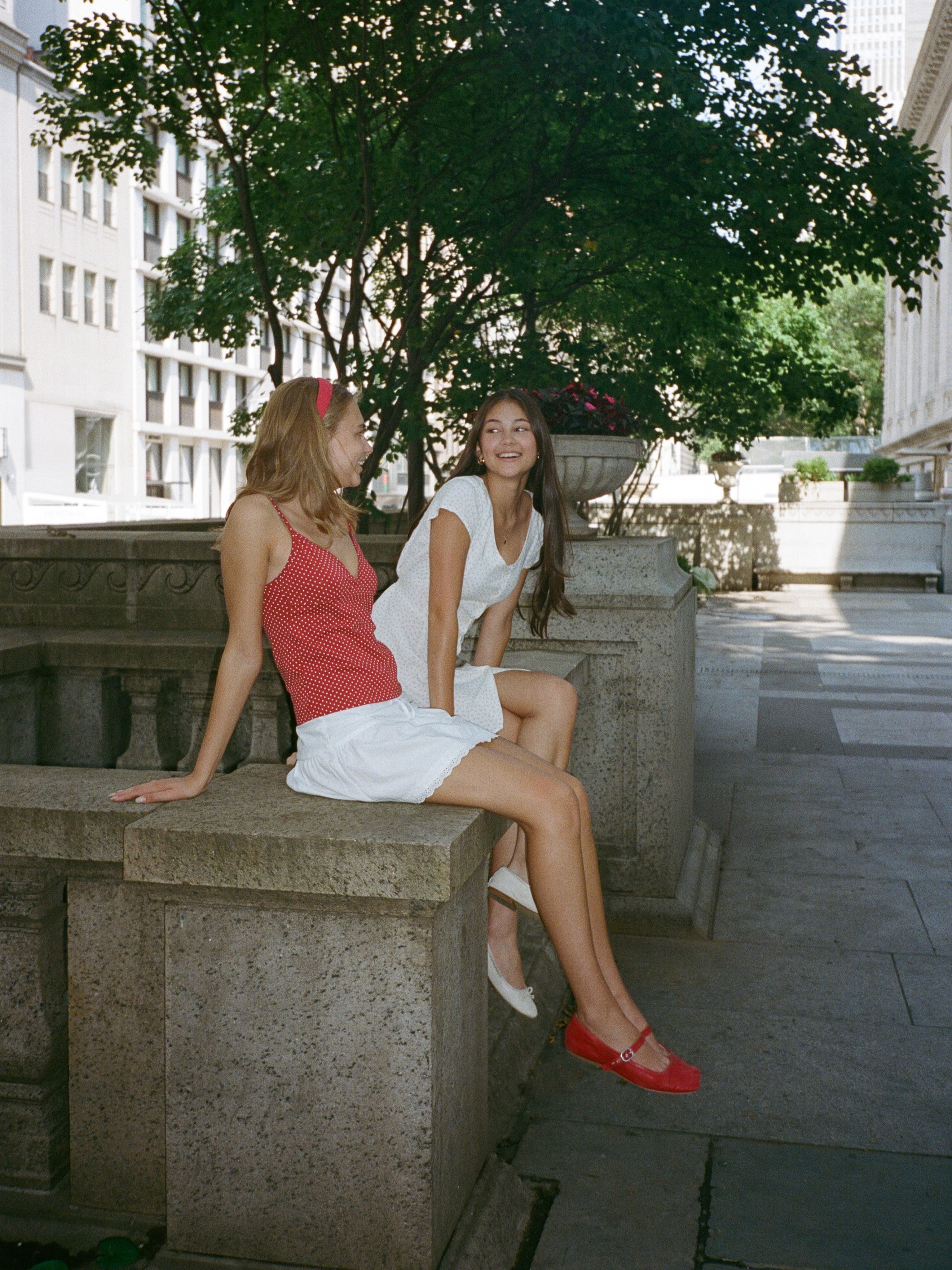
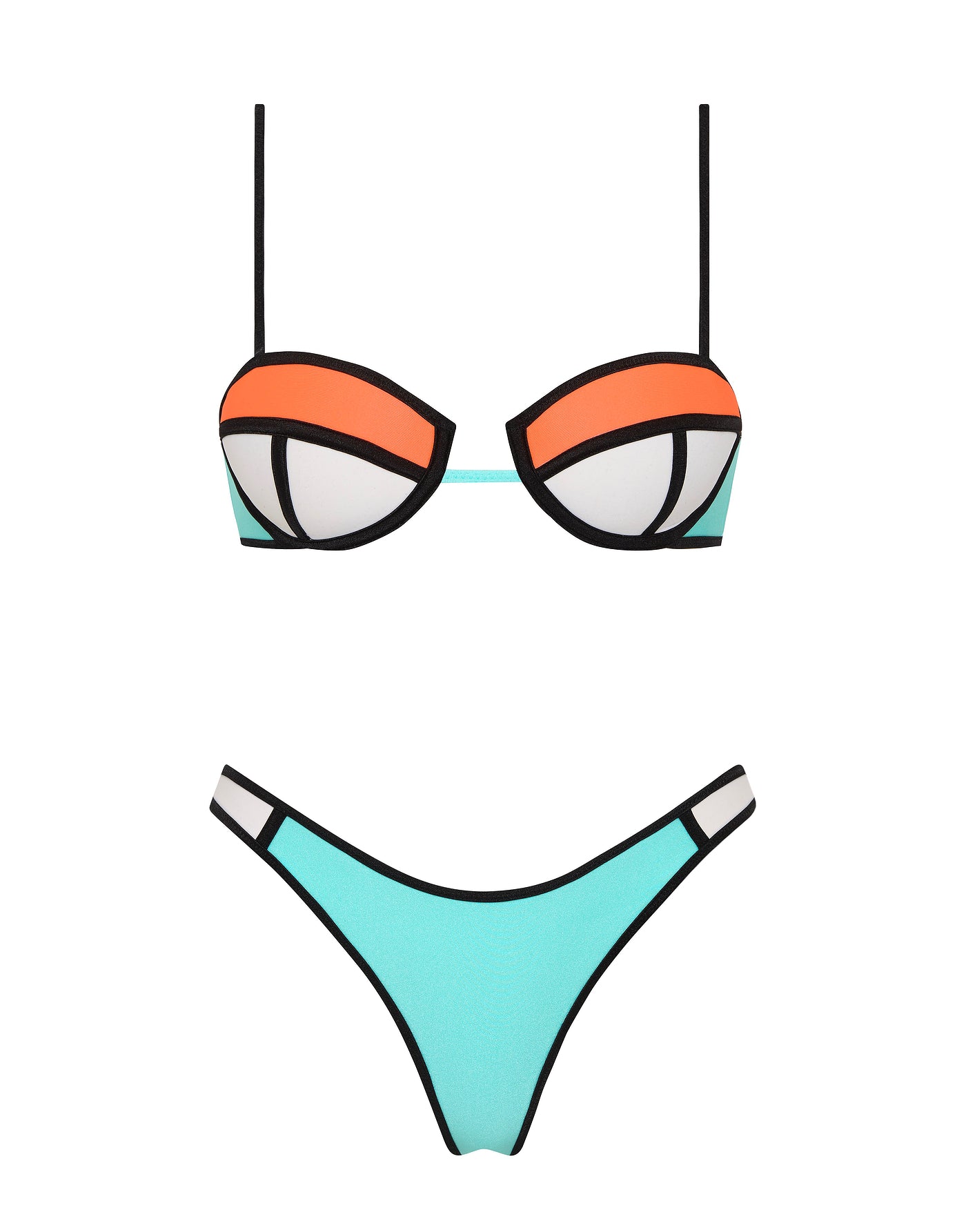
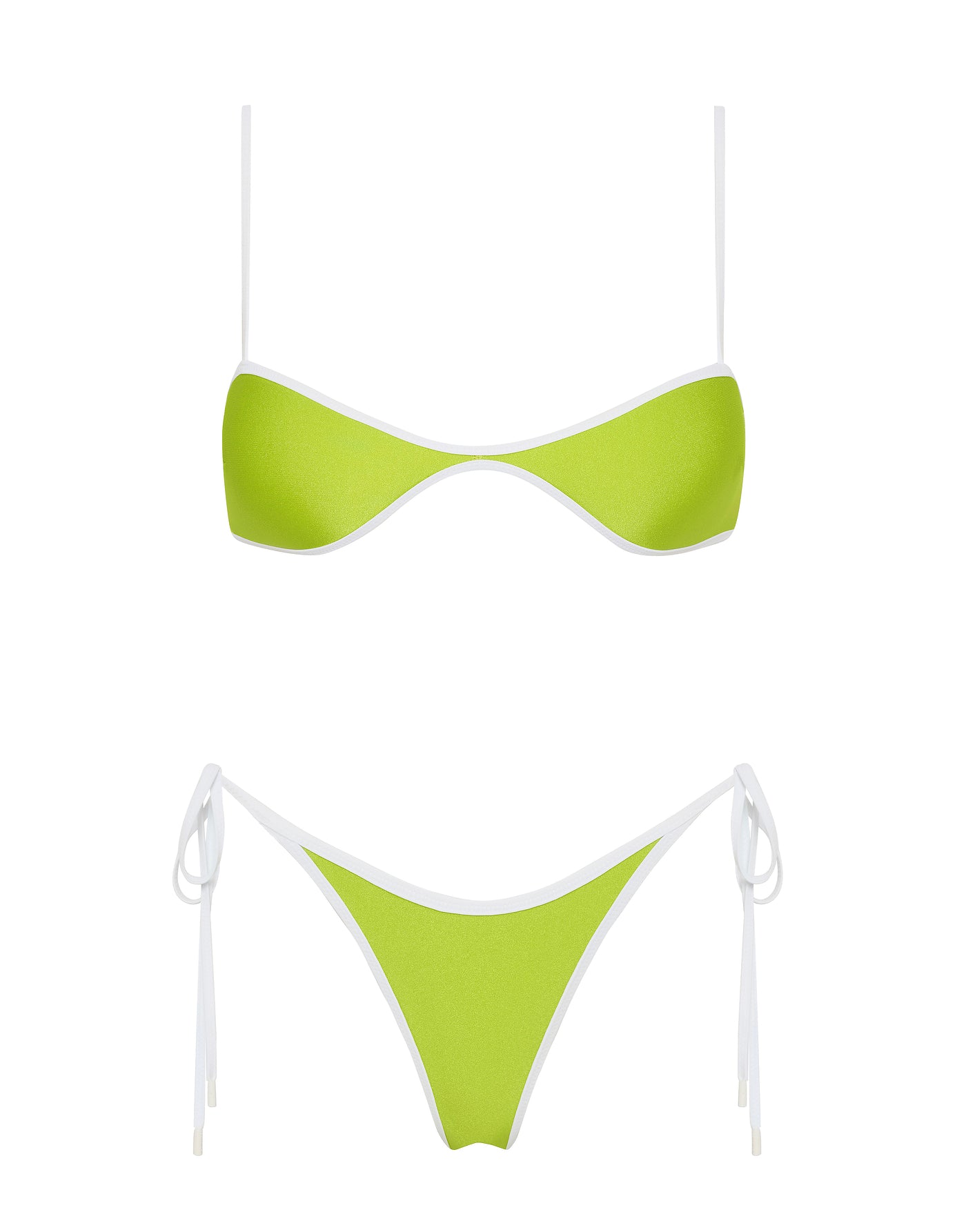
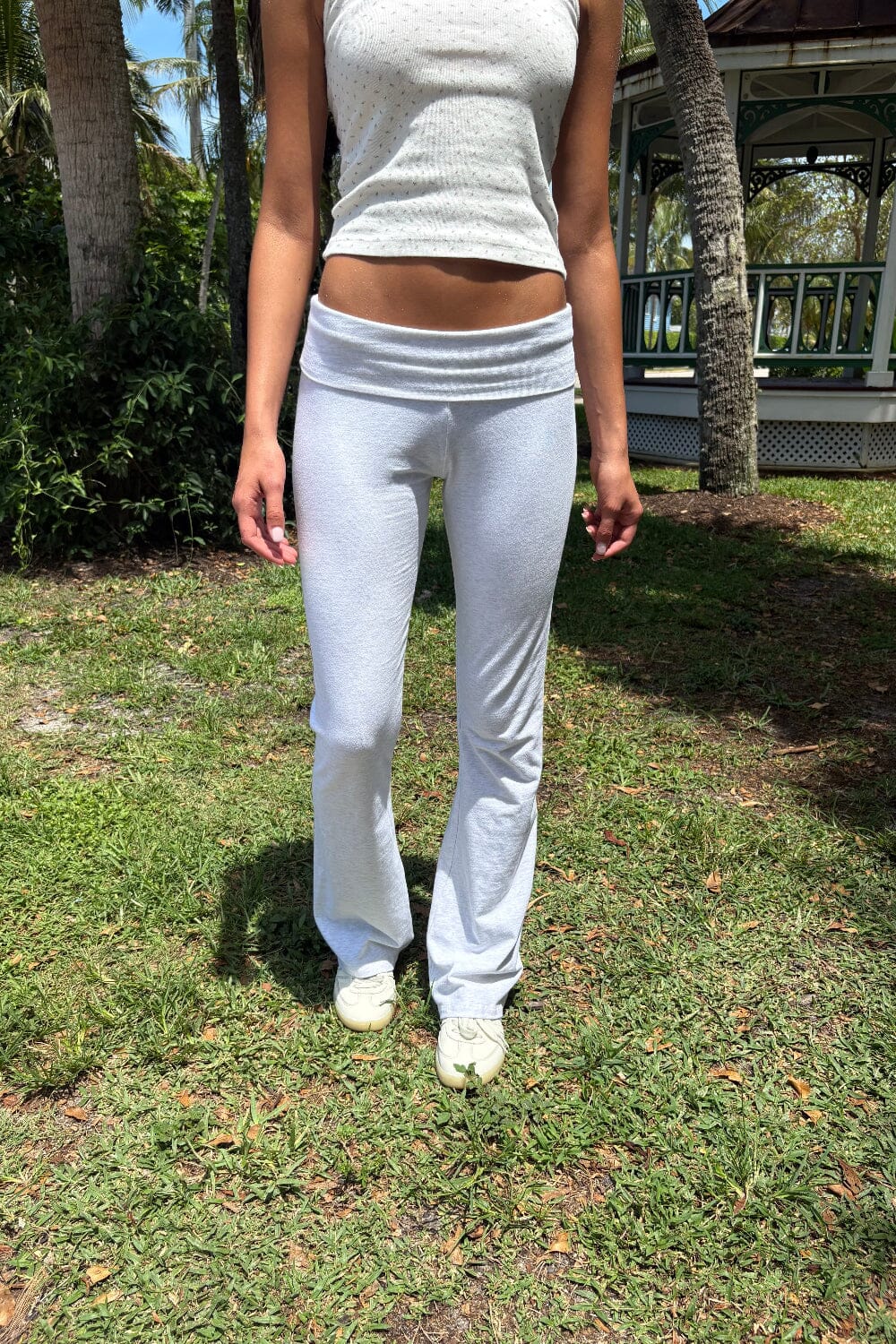
Brandy Melville defined a certain corner of teenage fashion in the mid-2010s, so seeing it resurface feels especially nostalgic. Gen Z's affinity for the brand is less about re-creating the exact outfits of 2016 and more about tapping into its ultra-casual, off-duty aesthetic. The tiny tees, relaxed sweats, and effortless basics suddenly feel very of-the-moment.
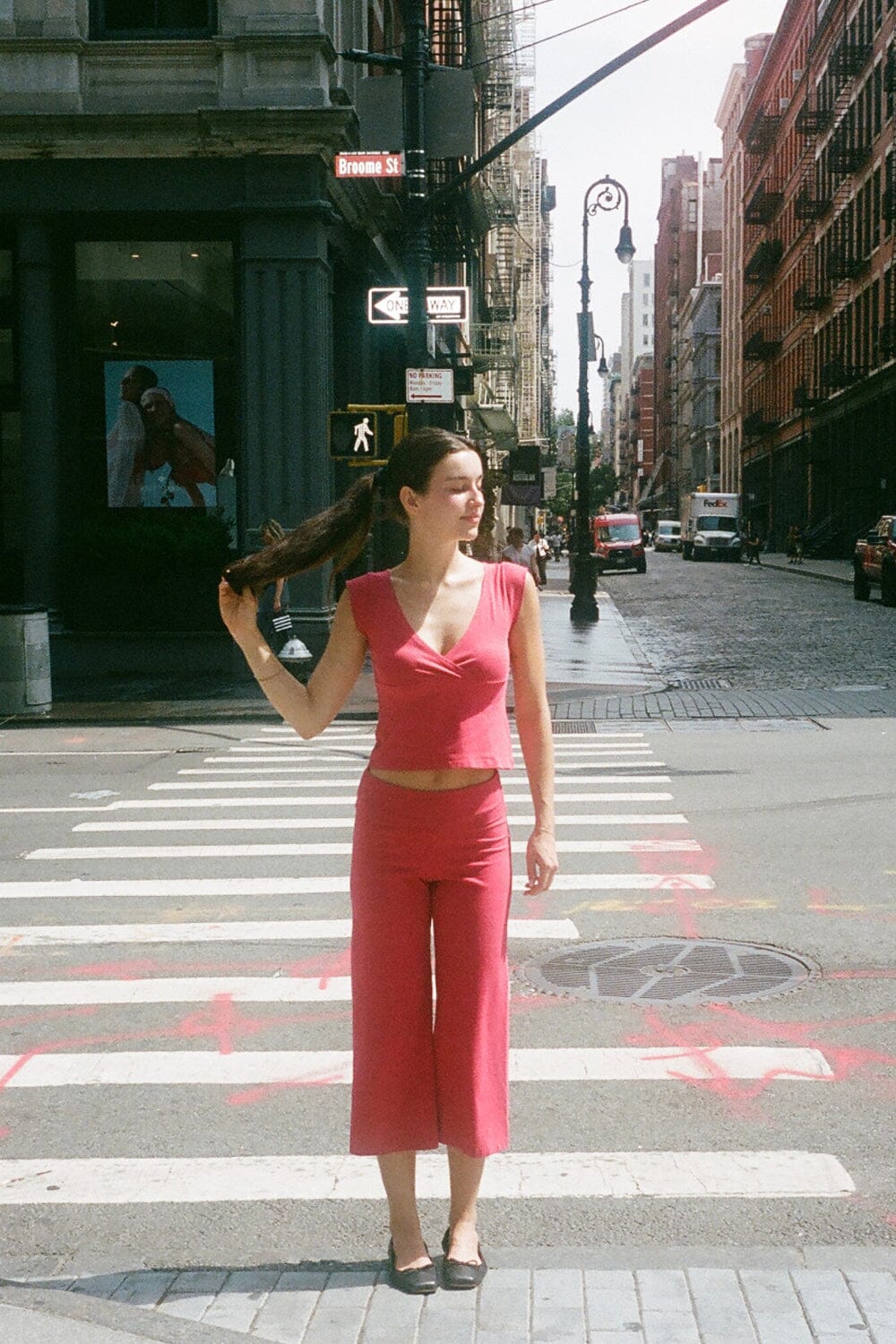
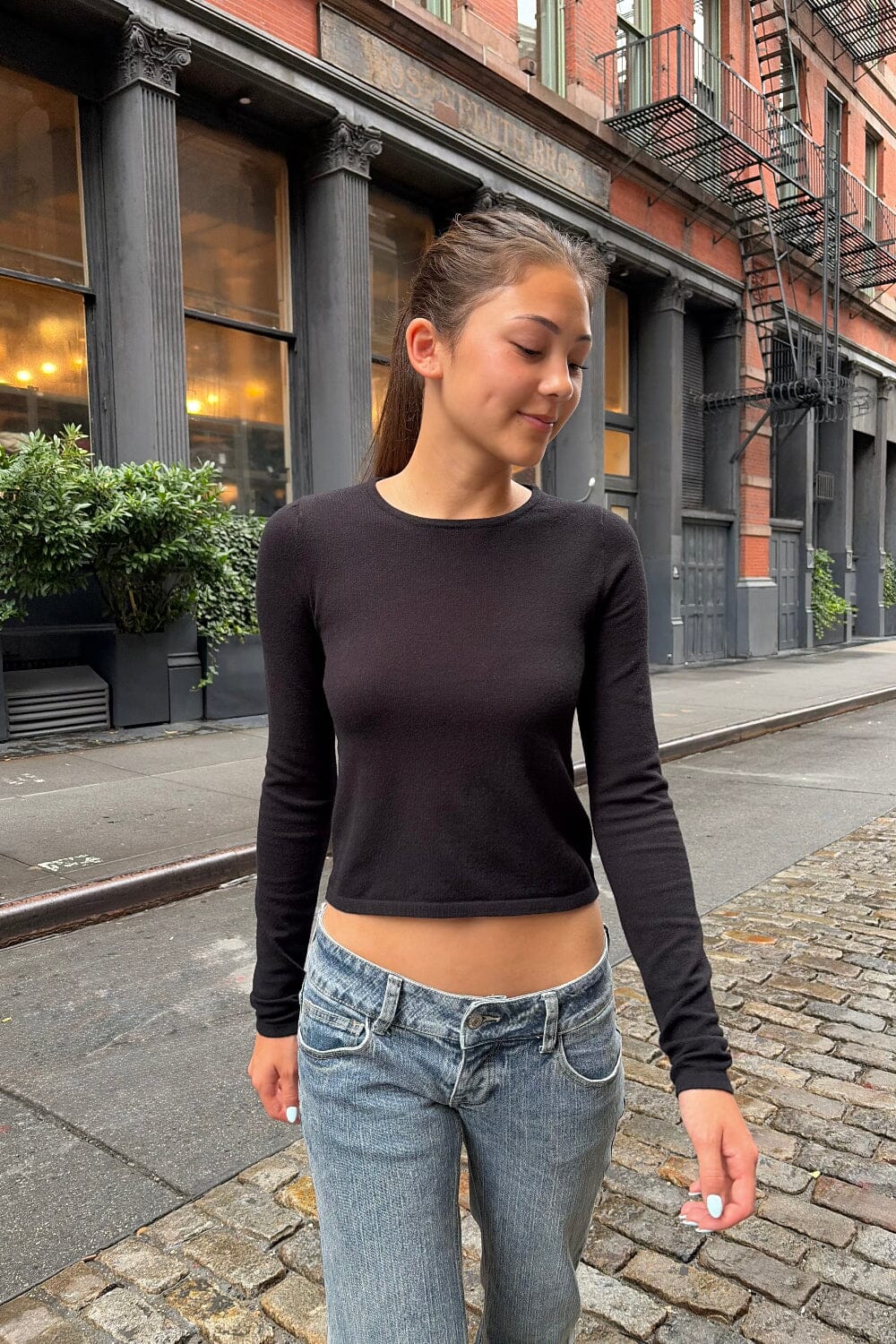
FreeCity
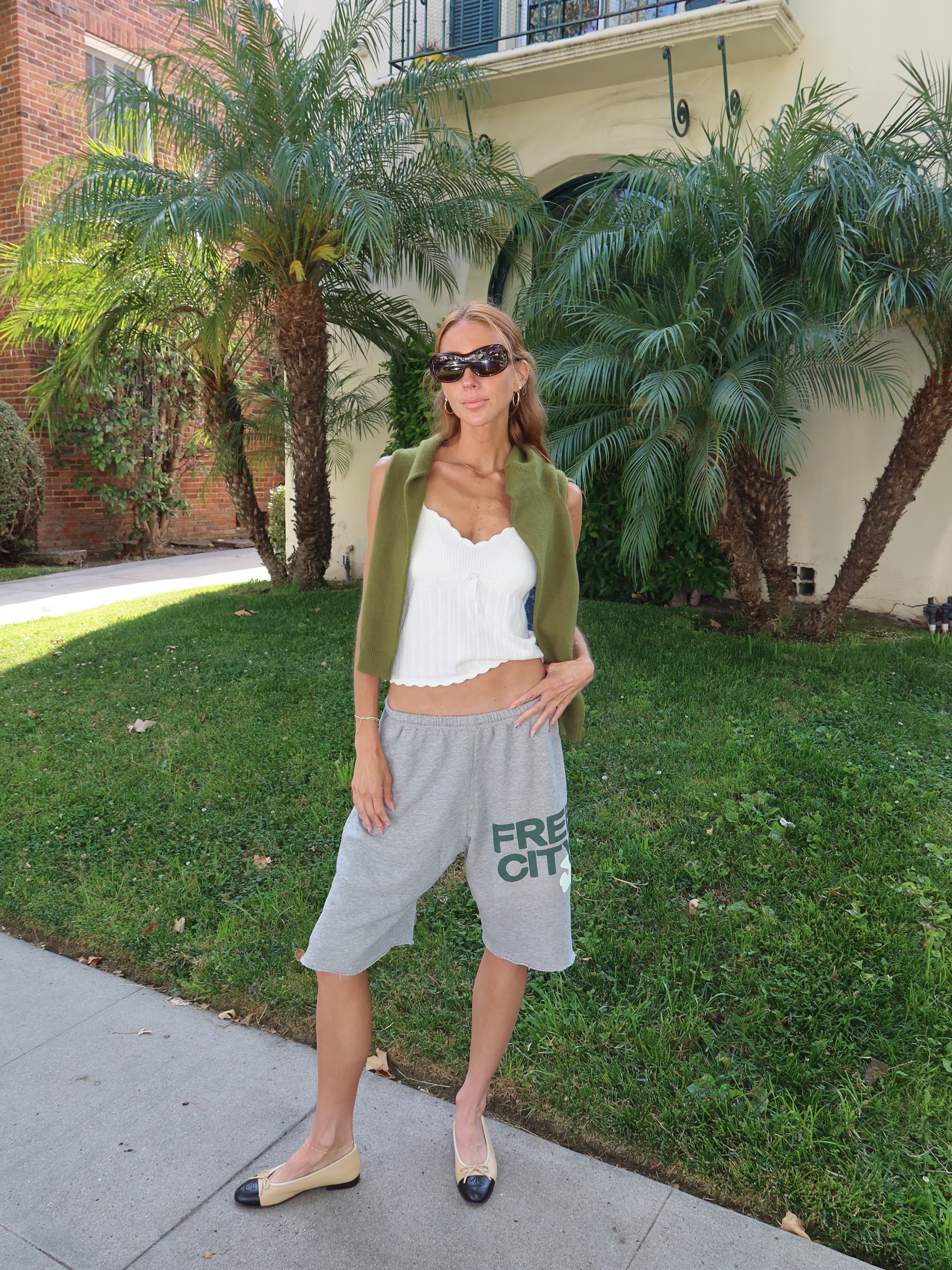
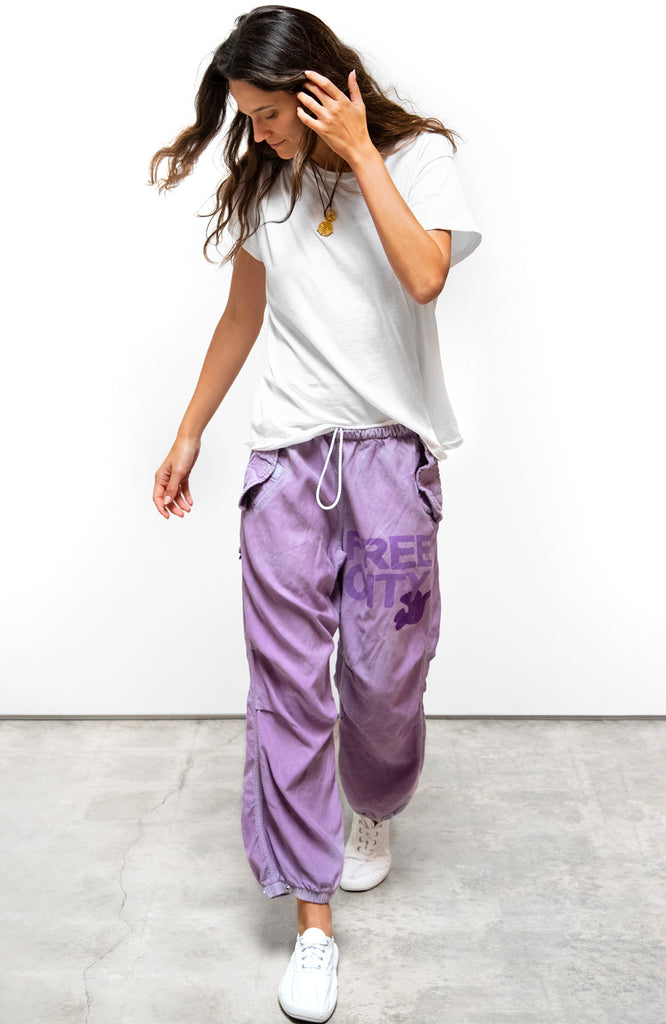
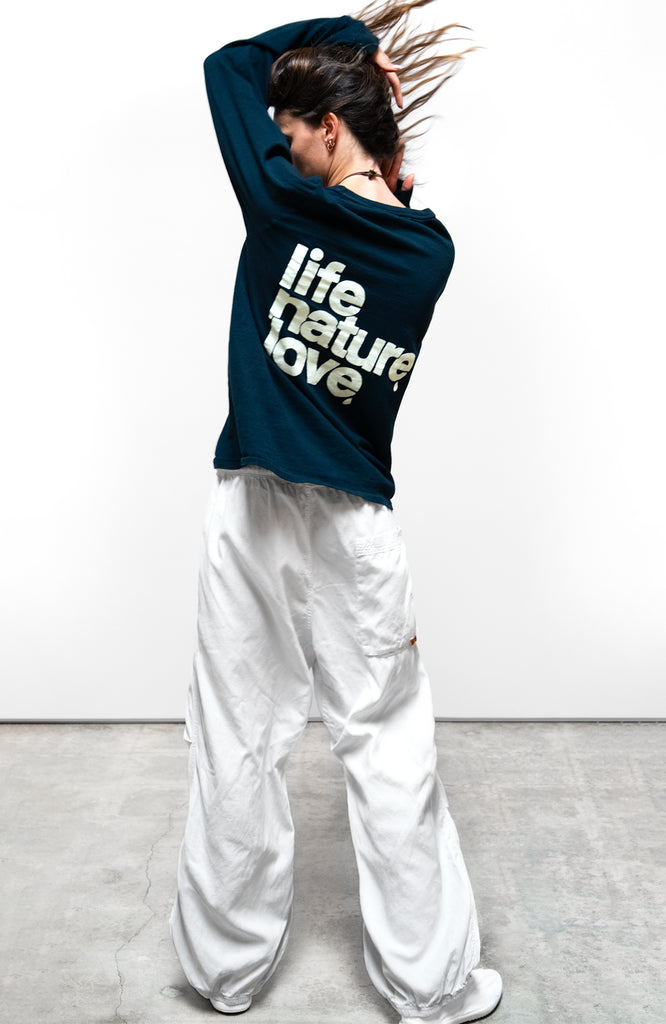
Before quiet luxury and minimalist basics took over, FreeCity was the label that made casual clothes feel like a fashion statement. Its graphic sweatshirts, oversize silhouettes, and distinctly L.A. aesthetic are getting a second look as fashion's pendulum swings back toward more expressive, nostalgic dressing. In other words, the sweatshirt you thought was permanently trapped in your 2010s wardrobe might be worth digging out.
Juicy Couture
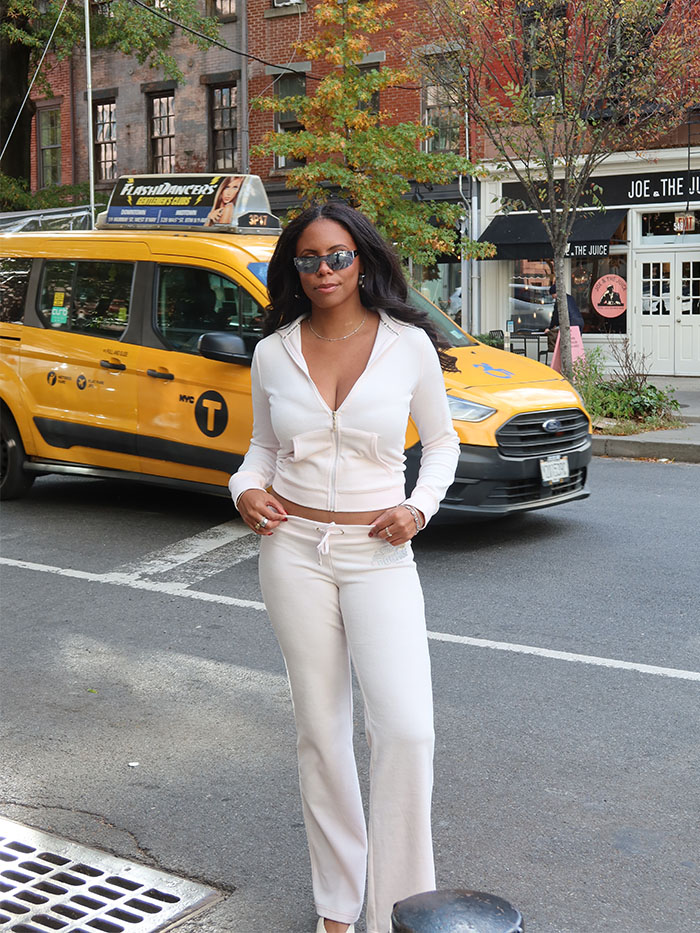
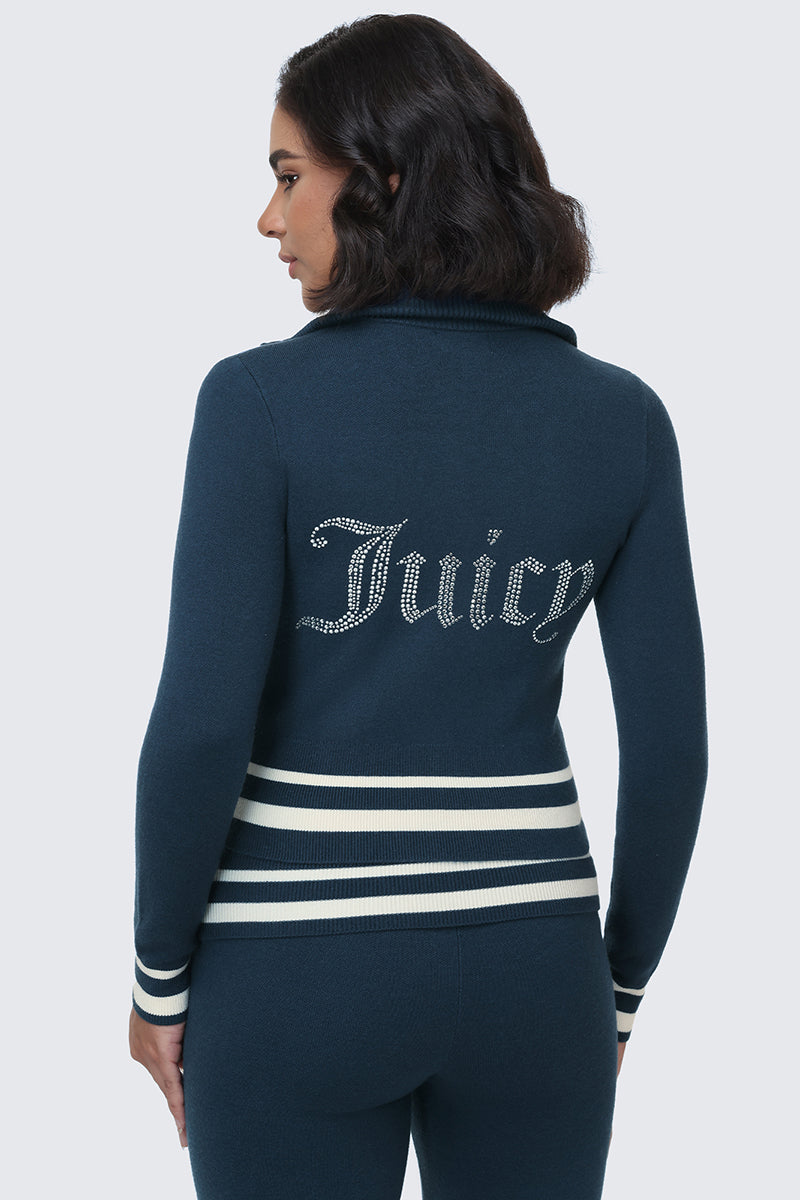
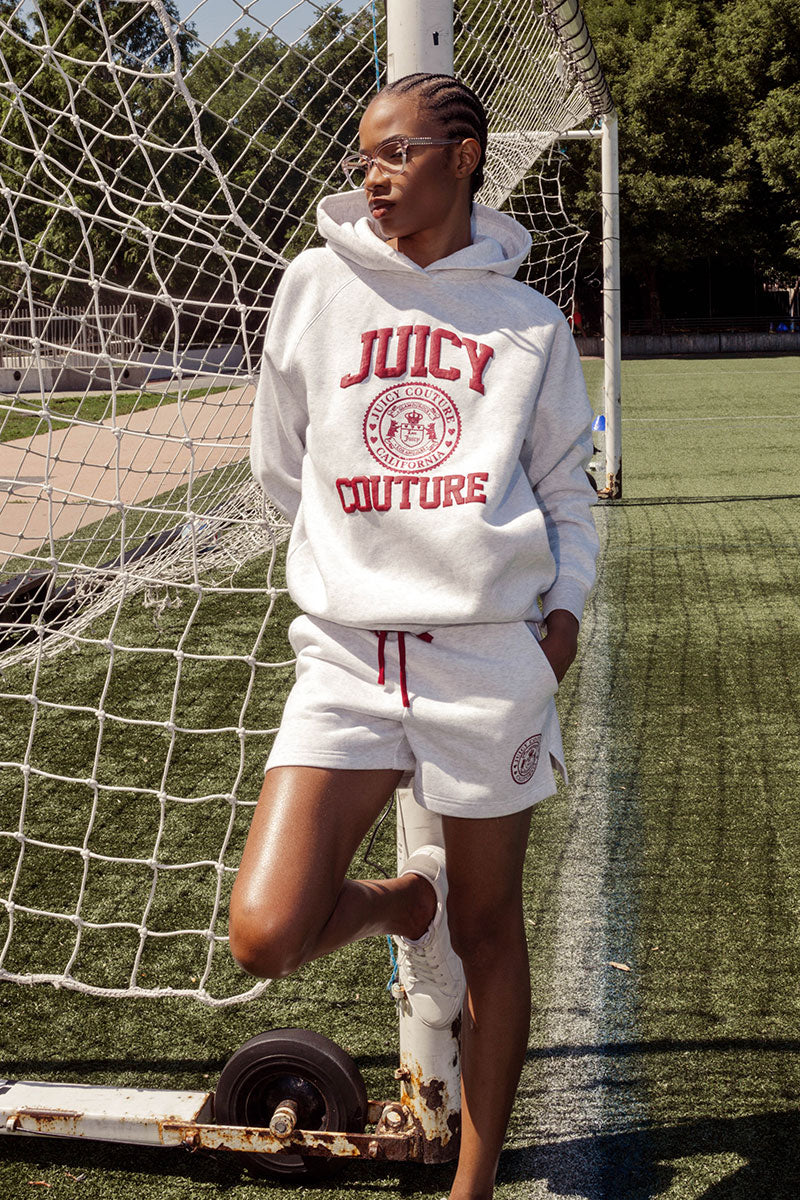
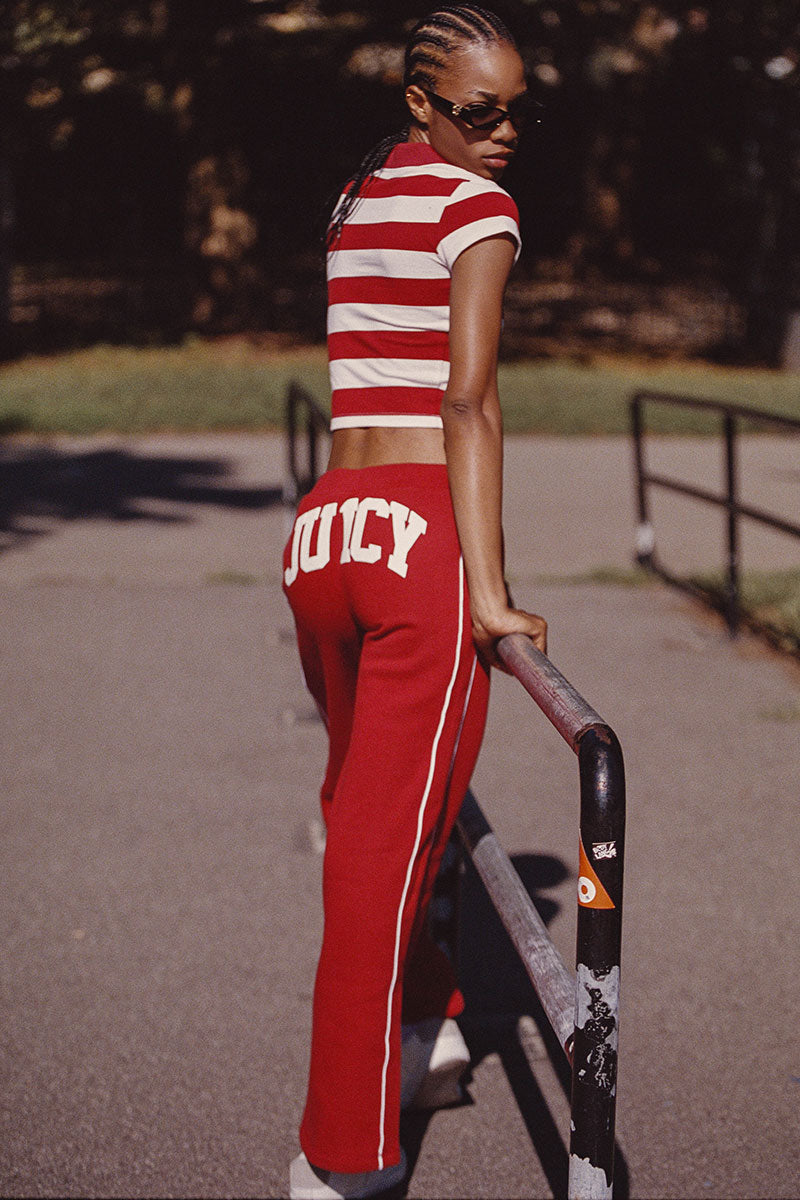
If there is one brand that instantly transports millennials back to 2016—or even further into the 2000s—it's Juicy Couture. The velour tracksuit has already gone through one major revival, but Gen Z's continued infatuation with nostalgic dressing has kept the brand firmly in the conversation. This time around, the Juicy look feels less like a costume and more like part of a broader appetite for Y2K and early-2010s fashion.
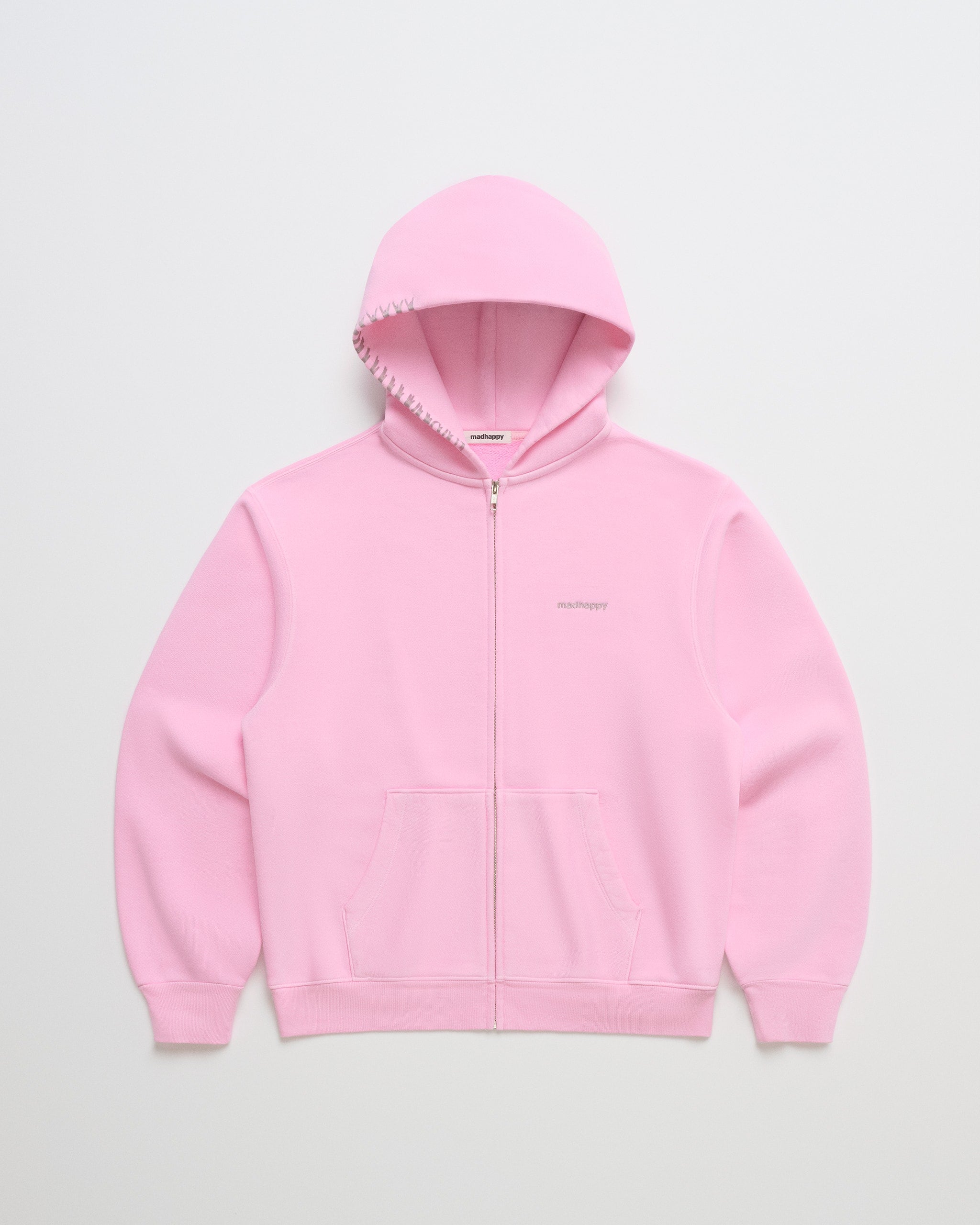
Madhappy
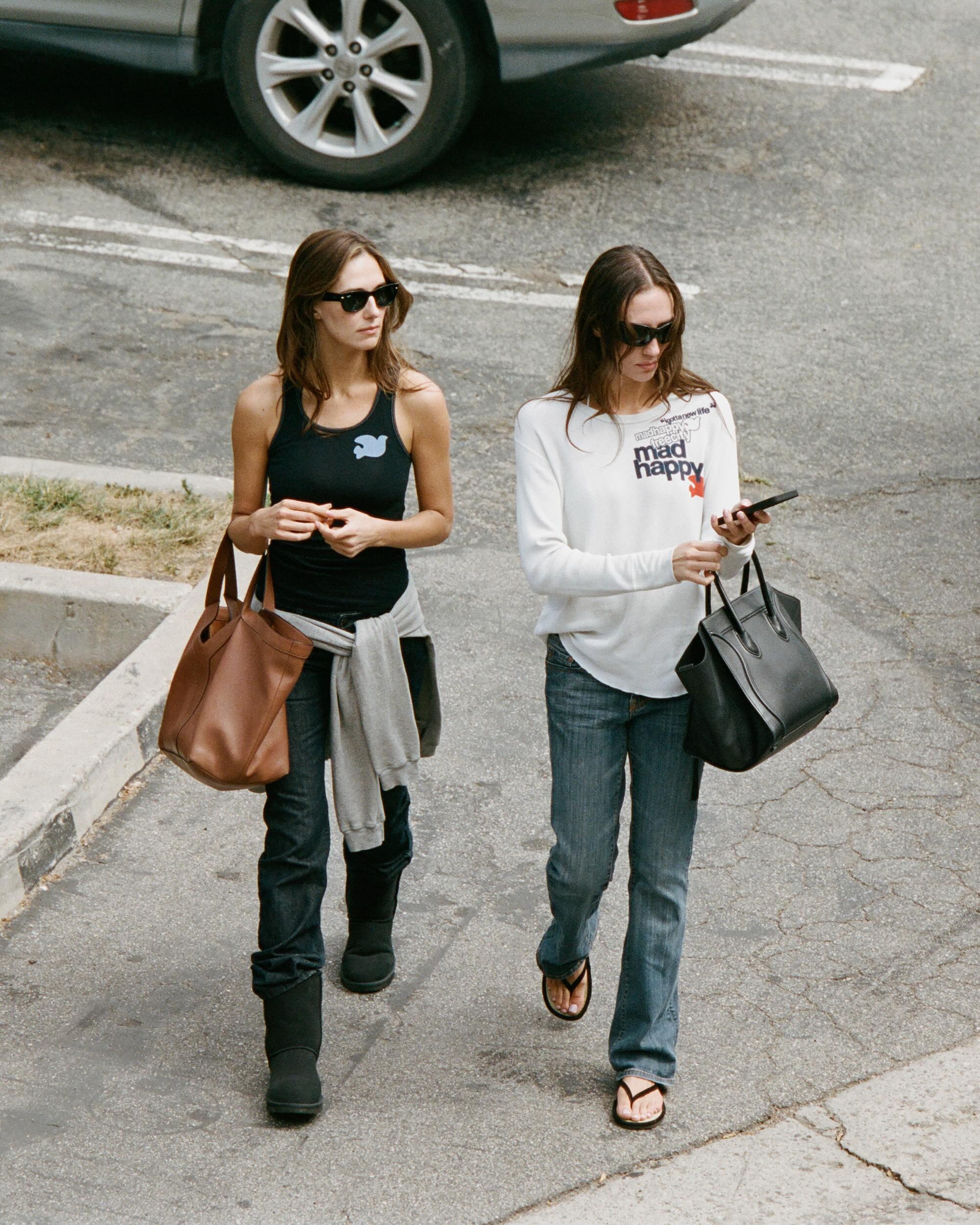
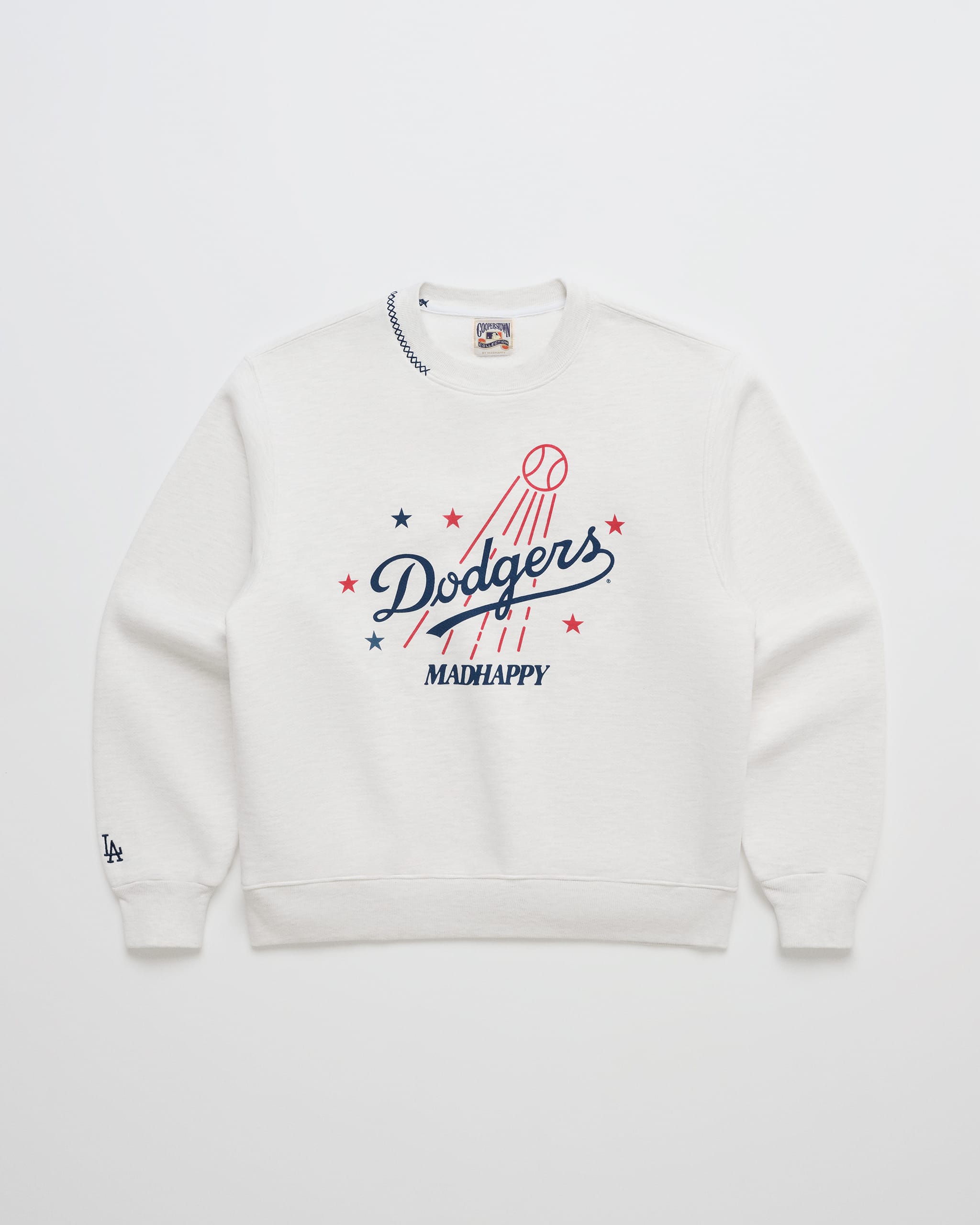
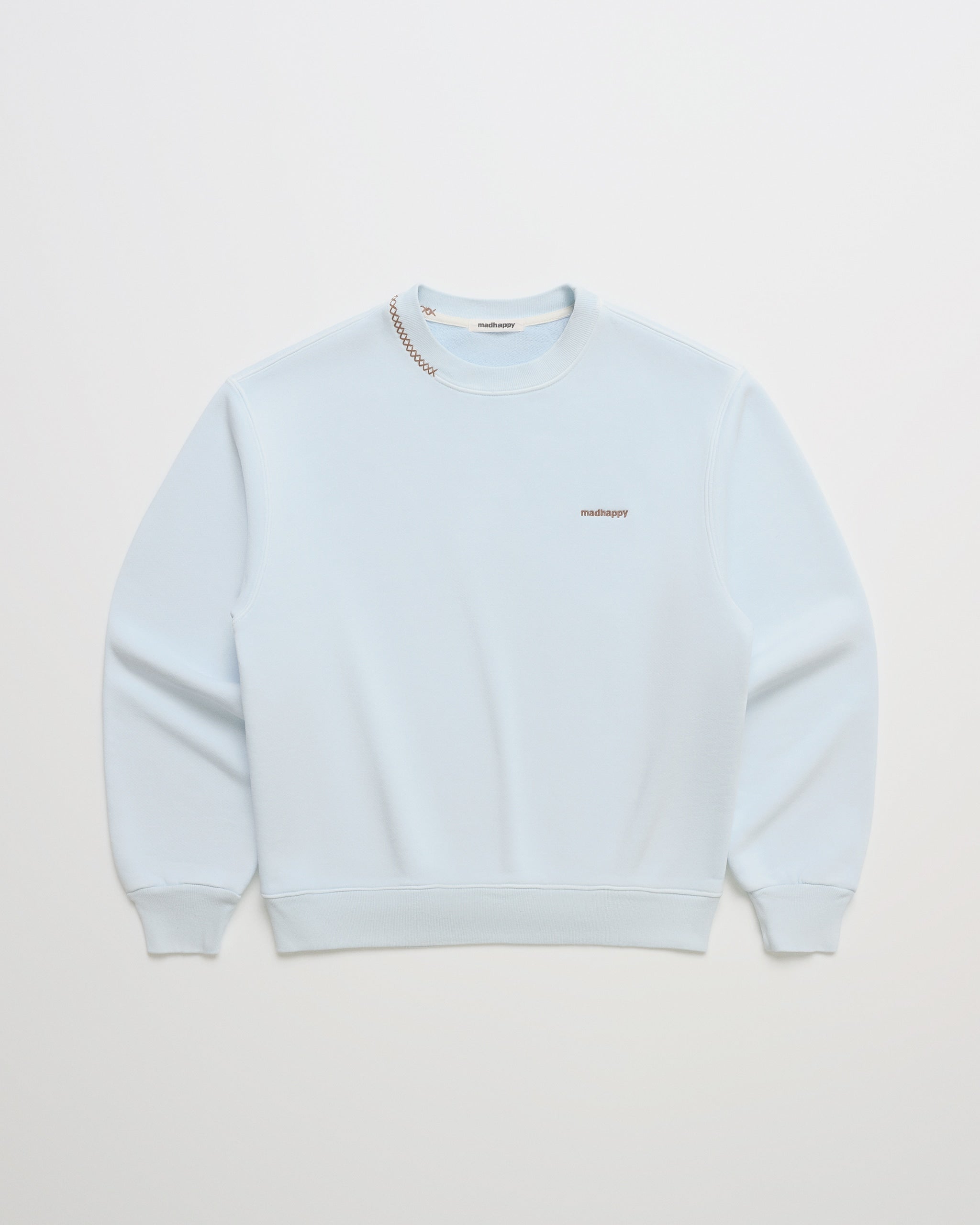
Madhappy was everywhere in the late 2010s, especially among celebrities and the Instagram set, thanks to its colorful sweats and optimistic branding. Now, as Gen Z continues to embrace elevated loungewear and streetwear, the brand's signature pieces feel surprisingly relevant. The lesson? A good sweatshirt with a fun logo really can survive a few fashion cycles.
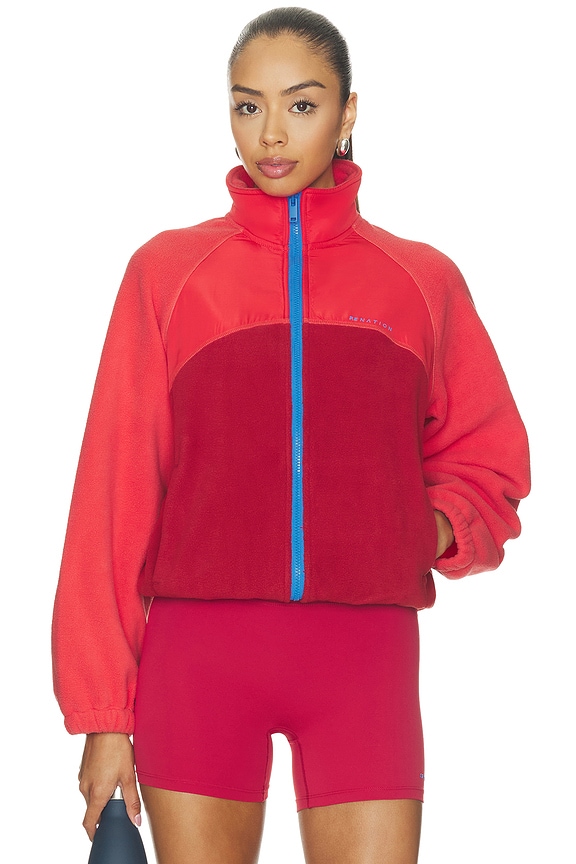
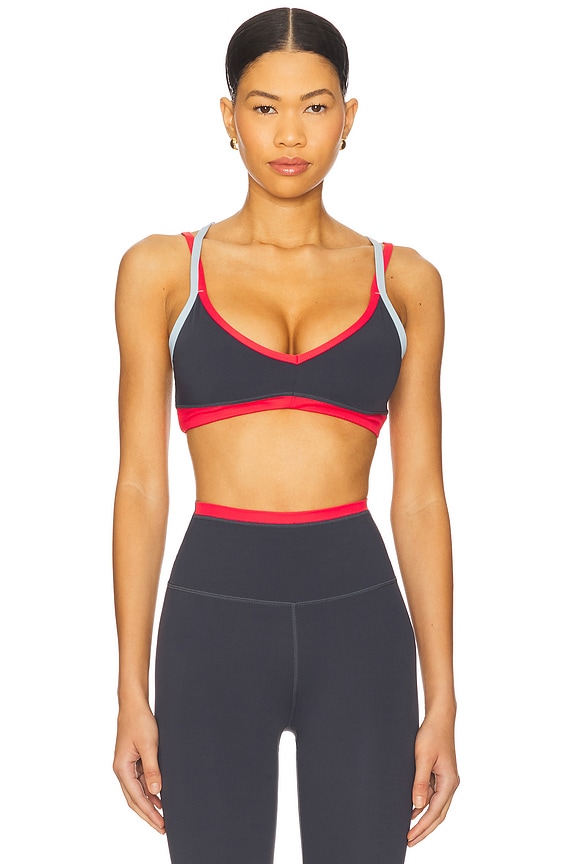
P.E Nation
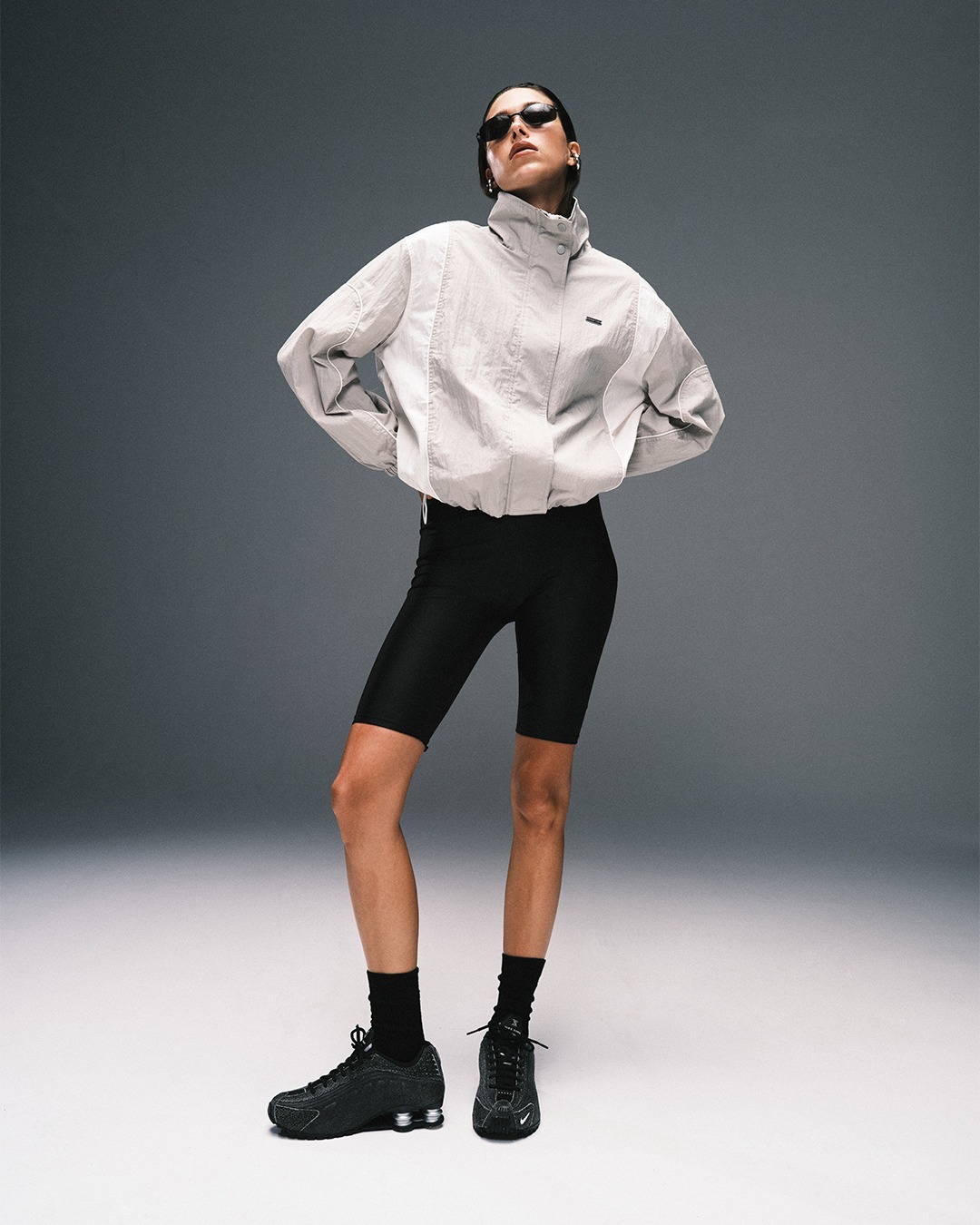
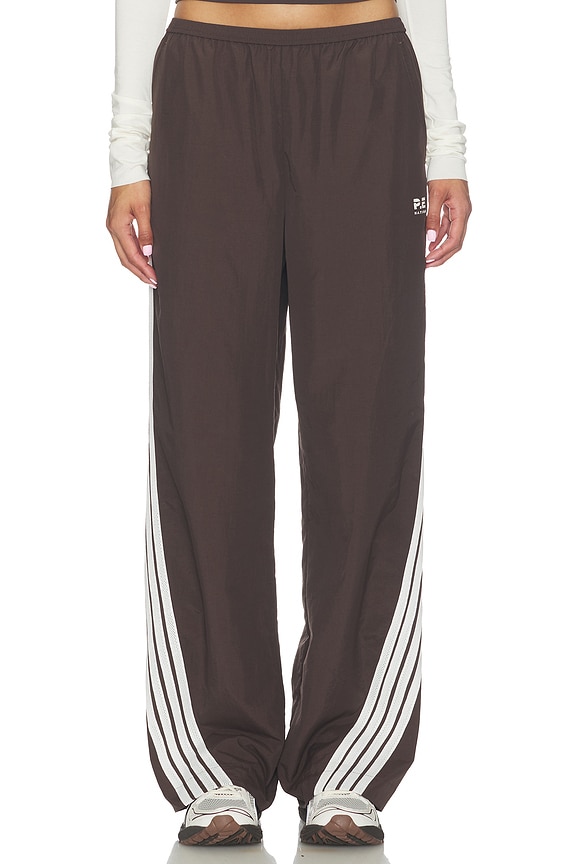
P.E Nation's bold, sporty pieces were tailor-made for the athleisure boom of the mid-2010s, when leggings and sneakers were acceptable pretty much everywhere. Now that sporty dressing is having another major moment, the brand's color-blocking, technical fabrics, and retro-inspired silhouettes feel right on time. Gen Z is proving that athleisure may never actually go away. It just gets reinvented every few years.
Read on the original site
Open the publisher's page for the full experience