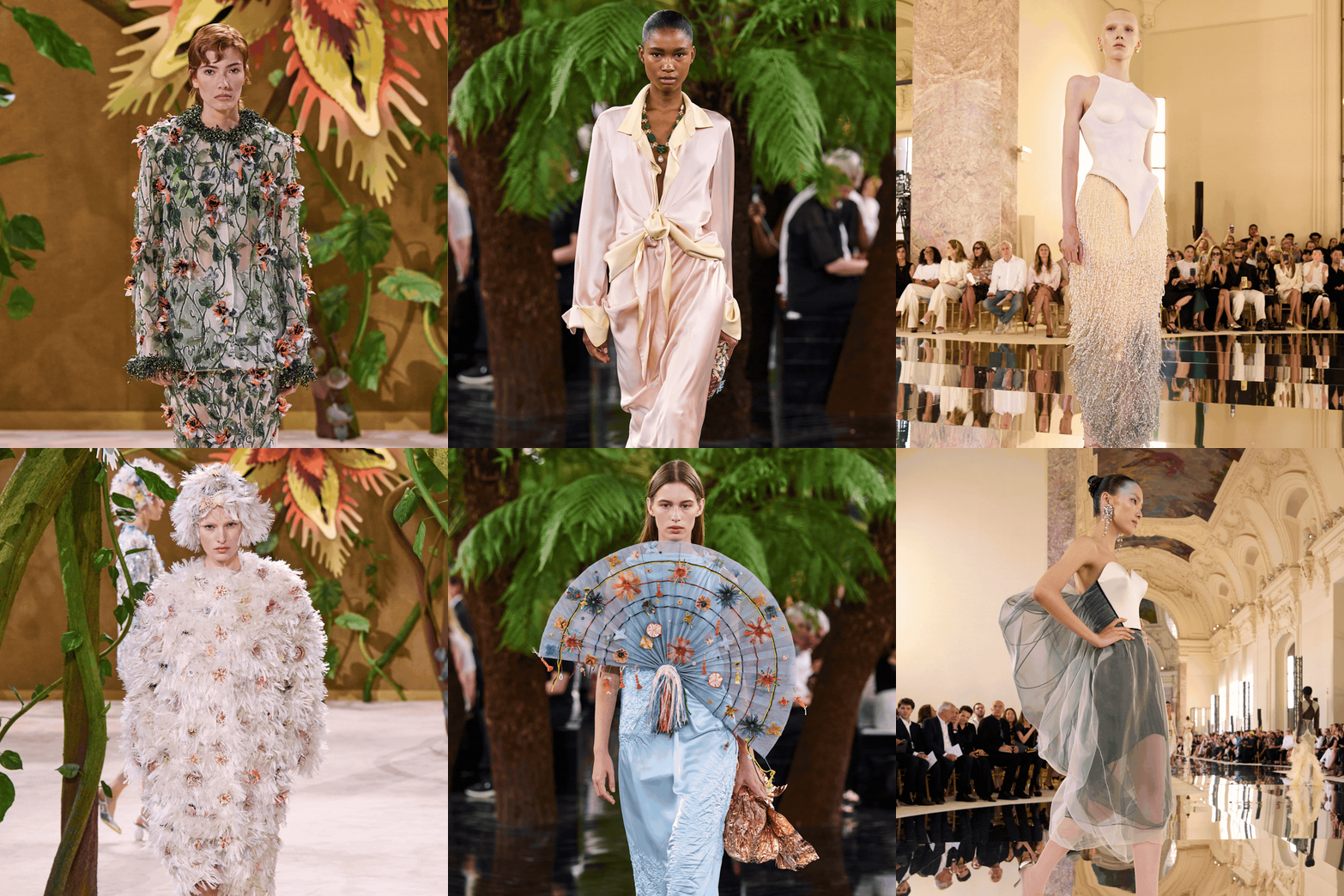
Paris Couture Week has always held a rarefied position within the fashion calendar, but this season’s displays feel particularly resonant, a potent antidote to the relentless churn of fast fashion and the often-overwhelming nature of mainstream trends. The images flooding social media – those moulded corsets, beanstalk heels, and knotted satin dresses – represent more than just garments; they are demonstrations of unparalleled craftsmanship, a celebration of artistry, and a tangible link to a legacy of innovation. It’s a world of wearable artistry, distinct from the everyday, and one that increasingly speaks to a desire for enduring style. Our readers, who appreciate the quiet confidence of effortless elegance, as highlighted in I Know You've Got Good Taste if Any of These 11 Brands are in Your Summer Wardrobe, understand this intrinsic value. The enduring appeal of a perfectly cut dress, as seen in Suddenly, The Chicest Women in London All Seem to Own This Elegant High-Street Dress—But It’s Selling Fast, echoes the sentiment: enduring style transcends fleeting trends.
The current climate within the fashion industry, grappling with sustainability concerns and a growing awareness of ethical production, further elevates the significance of Haute Couture. Unlike the rapid production cycles of ready-to-wear, Couture houses prioritize meticulous construction, often employing time-honored techniques passed down through generations. This slower pace inherently contributes to a more sustainable model, not just in terms of material usage but also in the longevity of the pieces themselves. These aren't garments intended for a single season; they're investments, heirlooms, and embodiments of enduring design principles. The focus on bespoke tailoring and personalized service also underscores a shift away from mass consumption, embracing a more intimate and considered relationship between the client and the creation. It’s a deliberate move toward quality over quantity, a philosophy increasingly sought after by discerning consumers.
Beyond the artisanal aspect, Paris Couture Week serves as a crucial incubator for creativity and innovation. The boundary-pushing designs showcased often trickle down into ready-to-wear collections, influencing broader trends and inspiring new silhouettes. While the direct consumer base for Couture is undeniably small, its impact on the wider fashion landscape is substantial. This season’s explorations – the unexpected textures, the reimagined classic forms, the bold use of color and embellishment – will undoubtedly shape the direction of fashion for seasons to come. And while some may see the intricate details and extreme silhouettes as impractical for everyday life, their purpose transcends mere wearability; they are statements of artistic vision, pushing the boundaries of what’s possible within the realm of fashion. The subtle influence of Parisian style, even in its most extravagant forms, can be seen in the way individuals curate their wardrobes, as highlighted by the footwear choices of J.Lo, captured in You Could Wear Black Heels, But J.Lo Is Proof That This Shoe Color Looks Better With Ivory Dresses.
Looking ahead, the evolution of Couture will likely be defined by its relationship with technology and the changing expectations of a digitally native audience. How will these hallowed houses balance the preservation of traditional craftsmanship with the integration of innovative materials and digital design processes? Will the exclusivity of Couture be redefined, perhaps through virtual experiences or limited-edition collaborations? The answer to these questions will determine whether Couture can maintain its relevance in an increasingly democratized and digitally-driven fashion world, or if it remains a beautiful, albeit increasingly distant, echo of a bygone era.