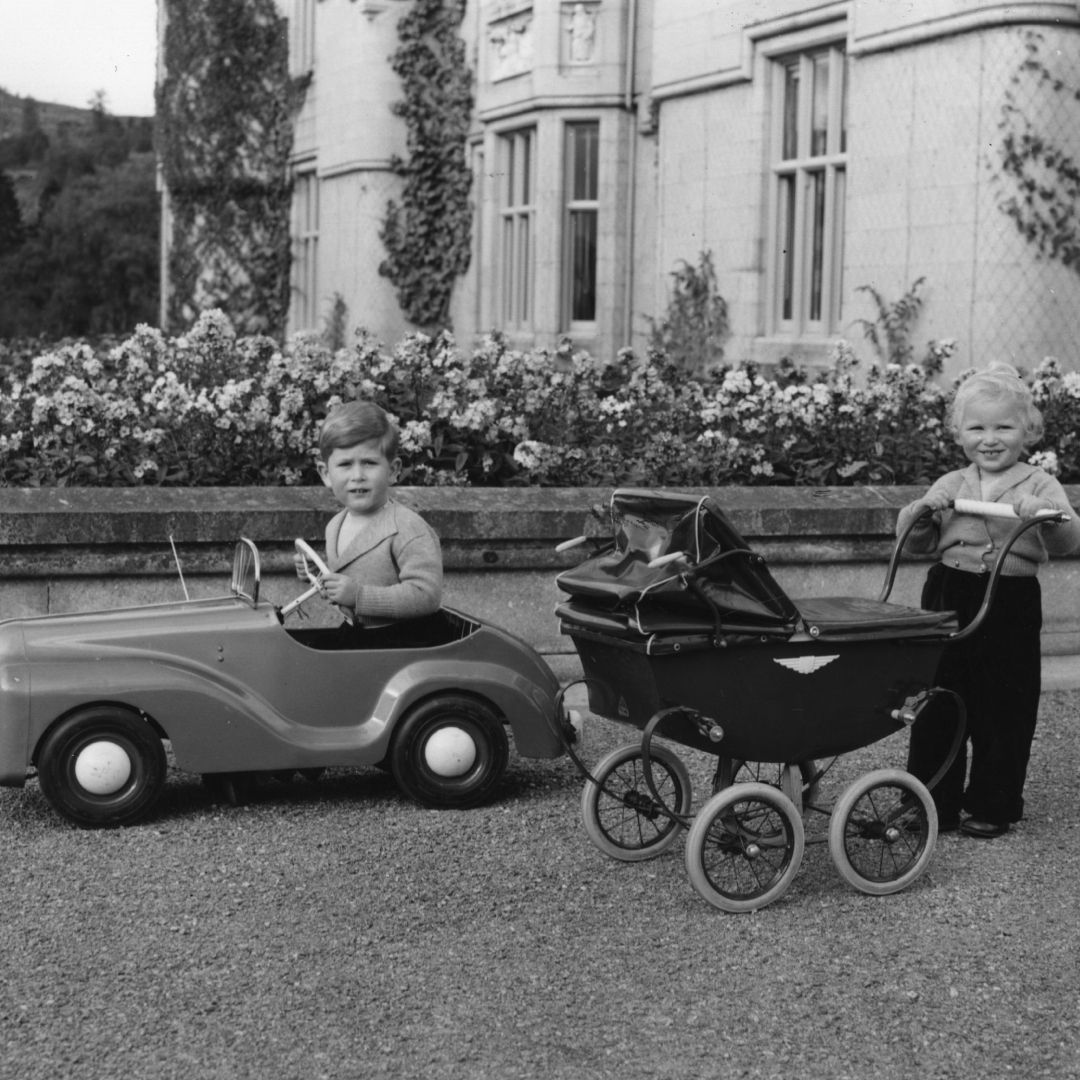
There is a particular kind of luxury found in the absence of spectacle. While the world often equates royalty with grandeur, with state banquets and glittering tiaras, the most resonant truth often lives in the quiet corners. The recent reflection from a former royal gardener reminds us that for the young royals, the magic was never in the orchestrated event, but in the unforced rhythm of daily life. It was about the feeling of coming home, a sensation so deeply personal it transcends the stone walls of any palace. This sentiment echoes a philosophy we hold dear: that true refinement is not about what you add, but what you have the confidence to strip away. It aligns with the quiet ritual of resourcefulness seen in The Sovereign's Quiet Ritual of Resourceful Royal Soaks, where a simple act carries a dignified weight.
We often look at figures like the Princess of Wales or the late Princess Diana and project onto them a life of constant motion. Yet, this glimpse behind the hedgerows suggests a different reality. The children of the monarchy, much like Diana herself, were drawn to a certain reinvention of the everyday. She possessed a "mischievous attraction to reinventing herself," as her brother noted, and perhaps that began in the simple, unstructured moments of childhood. The gardener's memory suggests that the true inheritance for these children was not a title, but a sense of place and presence. It is a lesson in grounding. For our readers, this is a powerful reminder that the atmosphere we cultivate at home, the feeling of safety and ease we create for our families, is the most profound legacy we can offer. It is not about the scale of the garden, but the care taken within it.
This perspective feels particularly poignant when we consider the weight of expectation that rests on the shoulders of any royal. There is an ongoing, Lingering Wish: Exploring King Charles’ Enduring Hope for a simpler connection, a desire that burns still. The anecdote from Highgrove is not just a piece of nostalgic trivia; it is a quiet manifesto. It tells us that the greatest gift of a refined life is the ability to be fully present in a single moment. The gardener's observation that it was "never about grand entertainment" is a masterclass in intentional living. It suggests that confidence, even for a future king, is cultivated in the mundane, in the familiarity of a place that feels like a warm embrace. It is a soft confidence, a feminine power even, to find strength in stillness rather than noise.
So, what is our take? It is this: we should all be so bold as to curate our lives with less noise. The takeaway here is that we should audit our own environments. What is the feeling we want our homes to evoke? Is it one of performance, or one of peace? The most aspirational thing we can do is to build a life that offers us that same "overwhelming feeling of coming home," whether that means a vase of fresh flowers on a kitchen counter or a silent morning ritual before the world wakes up. This is the quiet authority we can all claim. The specific detail to watch is how this philosophy of simplicity will continue to shape the public-facing image of the monarchy, and whether the next generation will carry this unassuming grace forward, proving that true elegance is always found in the substance of the soul, not the spectacle.