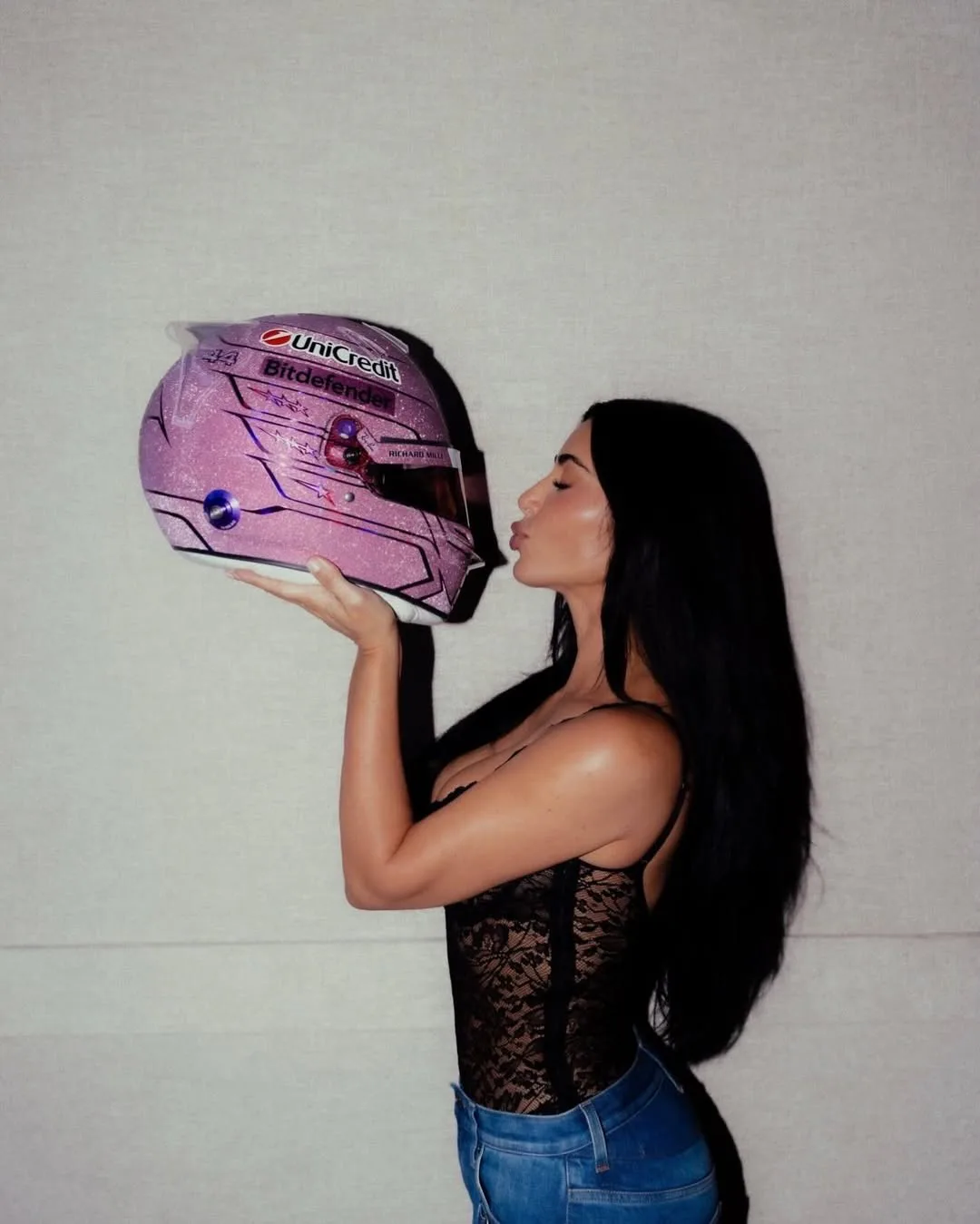
The recent buzz surrounding Kim Kardashian’s debut at the 2026 Monaco Grand Prix, and the subsequent assessment of her “WAG style,” speaks volumes about the evolving landscape of celebrity influence and the subtle power dynamics within high-profile sporting events. It's more than just a discussion of fashion; it's a reflection of how celebrity appearances are curated and perceived within a world traditionally defined by a more understated elegance. The inherent tension between Kardashian's established maximalist aesthetic and the typically more restrained style favored by Formula One’s established WAGs created an interesting moment of cultural collision. This conversation aligns with our recent exploration of fashion nostalgia through collaborations like RE/DONE’s New Disney Collaboration Nails The Fashion Nostalgia Trend, demonstrating a broader cultural yearning for both timelessness and a touch of playful self-awareness, a quality Kardashian often embodies. Even the concept of achieving a desired aesthetic, as explored in Can Ultherapy Prime Make Your Upper Arms Firmer? An Honest Review, hints at the lengths to which individuals will go to project a specific image, a principle certainly at play in Kardashian's Monaco appearance.
The “WAG” designation itself is worth unpacking. Historically, the term carried connotations of a certain type – often conventionally attractive, supportive, and discreet – a silent partner to a male athlete’s success. Kardashian’s presence disrupts that archetype, bringing her considerable brand power and a global audience to the traditionally exclusive world of Formula One. The media's immediate focus on assessing her “WAG style” suggests a desire to either categorize her within existing norms or to highlight her deviation from them. The imagery, a sleek lace catsuit, leaned into a sensual yet undeniably powerful aesthetic, a deliberate choice that positions her not as a mere accessory but as a significant presence in her own right. It’s a fascinating contrast to the more spontaneous, almost effortless beauty showcased in articles like Taylor Swift’s Fishtail Braid Is The Peppiest Courtside ‘Do, which highlights a more relaxed, personal approach to style. Kardashian’s calculated appearance, however, signals a conscious effort at brand integration and a strategic expansion of her cultural footprint.
Ultimately, Kardashian’s Monaco appearance isn't simply about whether her outfit “passed the WAG test.” It’s about the increasing blurring of lines between celebrity, sport, and high fashion. The traditional power structures within Formula One – the teams, the drivers, and the established WAG community – are navigating the impact of a global superstar’s entry into their space. Kardashian’s presence elevates the event’s visibility, but it also necessitates a re-evaluation of the aesthetic expectations associated with it. The subtle shift in power dynamics is evident in the media’s scrutiny, forcing a conversation about what it means to be a “WAG” in the age of social media and global celebrity. It’s a move that reflects a larger trend of women leveraging their influence across multiple platforms, redefining traditional roles and challenging established norms.
Looking ahead, it will be interesting to observe how Formula One and other elite sporting organizations adapt to the increasing involvement of high-profile celebrities. Will we see more significant shifts in the aesthetic expectations for partners and influencers? Or will this serve as a catalyst for a broader embrace of diverse styles and personalities? The intersection of celebrity culture and high-stakes competition is undeniably evolving, and Kardashian’s Monaco debut is a significant marker in that ongoing transformation – a quiet revolution in the way we perceive both style and power.