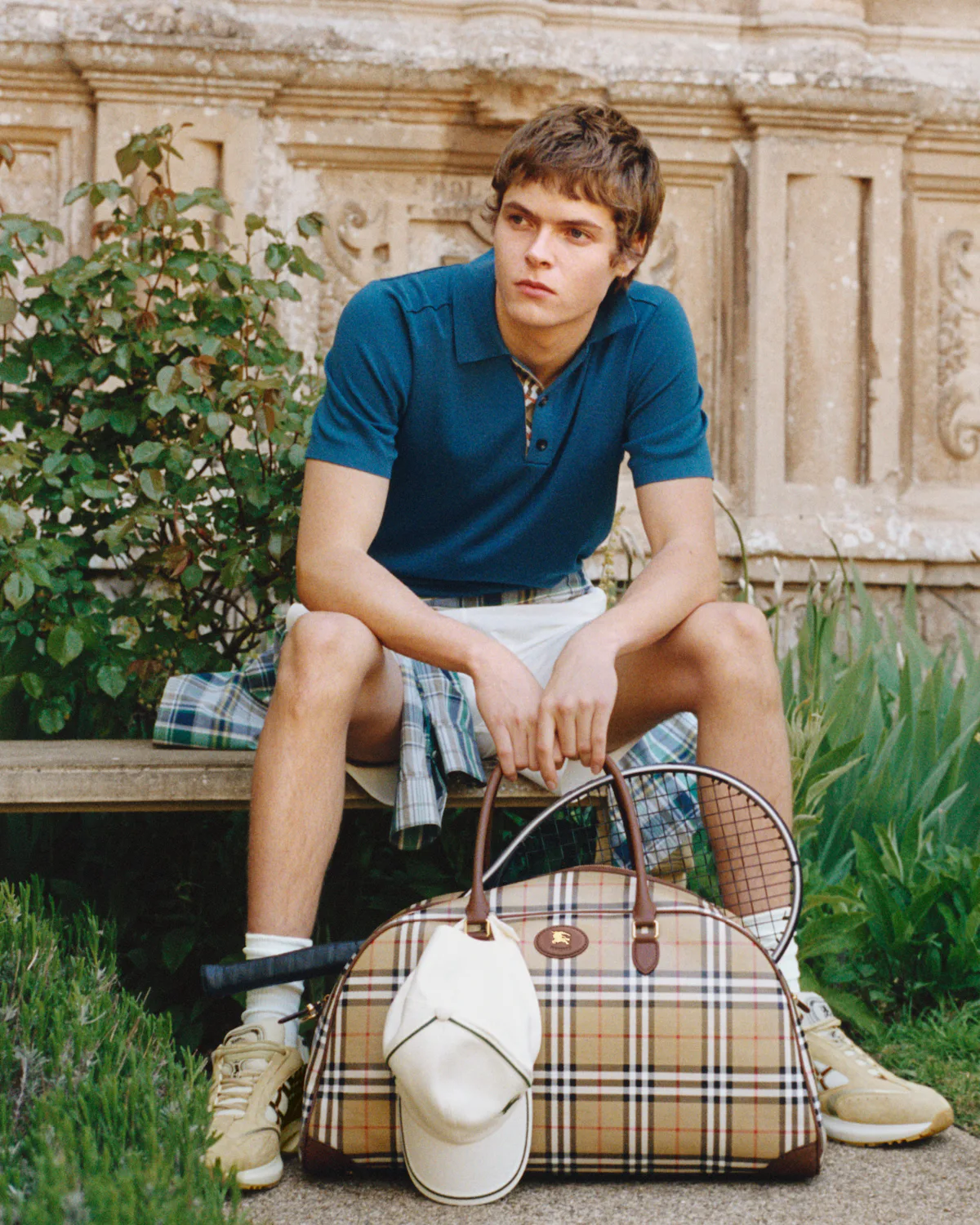
The Burberry summer campaign featuring Moses Martin marks a subtle but significant shift in luxury branding – a move towards embracing emerging talent and blurring the lines between entertainment and high fashion. Burberry’s decision to cast a rising musician, rather than a seasoned model, for the face of their campaign speaks volumes about the evolving consumer landscape. We’ve seen similar shifts before, though often with a more overt celebrity focus; this feels different, more grounded. It's a deliberate echo of the quiet luxury ethos we champion, a feeling that resonates deeply with our audience. While the campaign evokes a nostalgic longing for an idyllic English countryside escape – a visual language Burberry has mastered – the choice of Martin injects a fresh, youthful energy. The move aligns with a broader trend of brands seeking authenticity and relatability, a desire to connect with consumers beyond purely aspirational imagery. Consider the immersive experience detailed in I Checked Into Nobu Ryokan Malibu For 24 Hours — And Left Feeling Completely Reset, where the focus is on a cultivated sense of wellbeing and genuine connection, rather than overt displays of wealth.
The casting also positions Burberry within a cultural conversation about the intersection of music and fashion, a space where creatives are increasingly redefining luxury. We've watched similar collaborations flourish, even within the playful world of collectible dolls, as demonstrated by the buzz around the Bratz and Rodarte Collab Dolls. The strategy subtly acknowledges the power of cultural influencers, particularly those operating outside of traditional modeling circuits. Martin’s musical background gives him an inherent authenticity that resonates with a younger demographic, one that values self-expression and individuality over conventional beauty standards. Burberry isn’t just selling clothing; they’re selling a lifestyle – a curated experience that includes artistic appreciation and a sense of belonging. The campaign’s understated elegance, the natural light, and the quiet confidence of the models all contribute to this atmosphere. This feels less like a commercial and more like a glimpse into a world of refined taste and effortless style, a feeling that strongly mirrors our own brand ethos. And it’s important to note that the campaign’s focus on understated beauty is a welcome antidote to the often-overwhelming maximalism that currently dominates social media.
This move also signals a broader shift in the bridal space, where consumers are increasingly prioritizing personalized experiences and authentic connections over traditional, ostentatious displays. As Anny Choi notes in The Bridal Shopping Trends Defining 2026, According To Anny Choi, “the modern bride is seeking something that truly reflects her individual style and values.” Burberry’s willingness to embrace a less conventional face aligns perfectly with this desire for authenticity, demonstrating a commitment to representing a diverse range of perspectives and aesthetics. It’s about creating a sense of aspiration that feels accessible and relatable, rather than intimidating or unattainable. The campaign’s success will hinge on its ability to capture this nuanced sense of longing and belonging – a quiet invitation to step into a world of understated luxury and effortless style.
Ultimately, Burberry’s choice of Moses Martin is more than just casting news; it’s a reflection of a larger cultural evolution. It points to a future where luxury brands will increasingly prioritize authenticity, inclusivity, and emotional connection over traditional notions of celebrity endorsement. The question now becomes: will other luxury brands follow suit, embracing emerging talent and blurring the lines between entertainment and fashion in a more meaningful way? Or will this remain a singular moment, a fleeting glimpse into a more nuanced and relatable vision of luxury? The coming seasons will undoubtedly reveal the answer, and it’s a development we’ll be watching with keen interest.