My Metastatic Breast Cancer Diagnosis Inspired Me to Get Outside Even on Bad Days
Our take
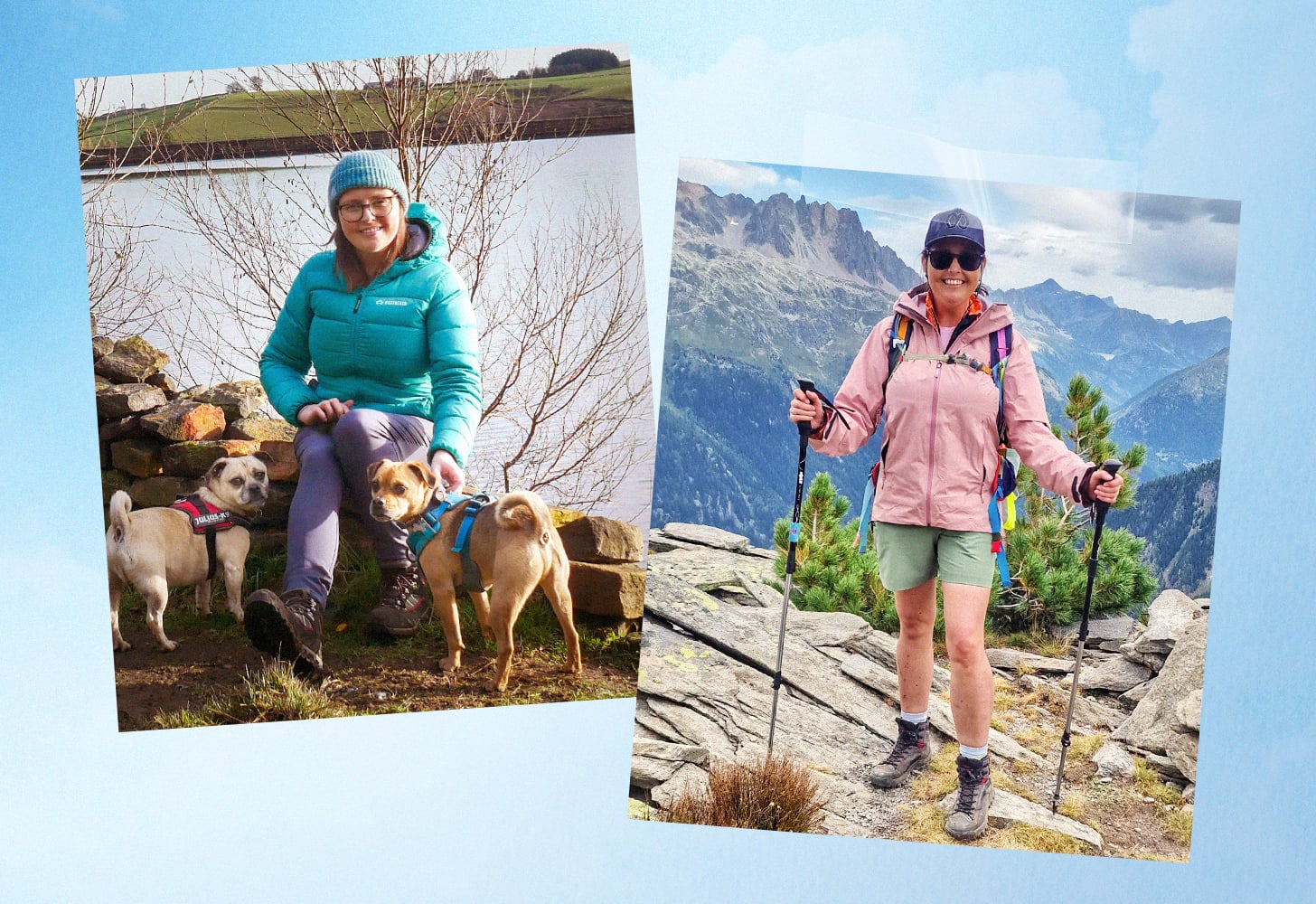
The resilience of the human spirit continues to inspire, and this recent piece detailing a journey with metastatic breast cancer is a poignant testament to that. It’s a story that resonates deeply, not just for those directly impacted by cancer, but for anyone navigating challenging circumstances. The author’s decision to prioritize outdoor activity, even on difficult days, speaks to a profound understanding of self-care and the restorative power of nature. This aligns with a growing awareness within the wellness space – and increasingly, within mainstream culture – that healing isn’t solely about medical interventions; it’s about cultivating inner strength and finding moments of peace amidst adversity. We've seen similar explorations of finding solace and confronting difficult realities, such as in “Mastectomy Moons” Are Helping Patients Find Peace Before Surgery, which highlights the power of ritual and community in preparing for major medical events. Similarly, the complexities of navigating unexpected life events alongside serious illness are explored in “A Surprise Pregnancy, a Metastatic Breast Cancer Diagnosis, and the Long Journey Ahead,” reminding us that life rarely unfolds as planned.
The act of connecting with nature—hiking, breathing fresh air, experiencing the quiet beauty of the outdoors—becomes a form of active agency for the author. It’s a deliberate choice to reclaim control and find joy even when facing a formidable diagnosis. This isn't about denying the seriousness of the situation, but rather about integrating it into a broader, more holistic understanding of well-being. It subtly shifts the narrative away from solely focusing on illness and towards celebrating life’s enduring capacity for beauty and connection. The emphasis on *feeling* rather than achievement is key here. It mirrors a broader cultural trend away from relentless productivity and towards a more intentional and mindful way of living. This resonates with the quiet luxury ethos; it’s not about expensive gear or grand adventures, but about finding profound meaning in simple, accessible experiences. It’s a reclaiming of the self, a quiet declaration of autonomy in the face of a challenging reality.
The significance of this piece extends beyond the individual story; it contributes to a crucial conversation about redefining strength and resilience. It challenges the traditional, often performative, notions of “fighting” cancer and instead offers a more nuanced perspective—one that acknowledges vulnerability, embraces self-compassion, and prioritizes mental and emotional well-being. It’s a reminder that strength isn't about invincibility, but about navigating challenges with grace and finding moments of joy and connection along the way. The author’s story, while deeply personal, has the potential to inspire others to prioritize self-care and seek solace in the natural world, regardless of their own circumstances. This aligns with the growing trend of celebrating authentic, unfiltered experiences, moving away from the curated perfection often presented on social media.
Ultimately, the author’s journey compels us to consider the intersection of illness, nature, and self-discovery. It's a call to prioritize presence, freedom, and self-connection—themes central to the ethos we champion. The broader implication is that cultivating inner peace and finding moments of joy are not luxuries, but essential components of a meaningful and resilient life, particularly when faced with adversity. What will be the long-term impact of prioritizing these mindful practices on the collective understanding of healing and well-being, and how can we further integrate these principles into our daily lives to foster greater resilience in the face of life's inevitable challenges?
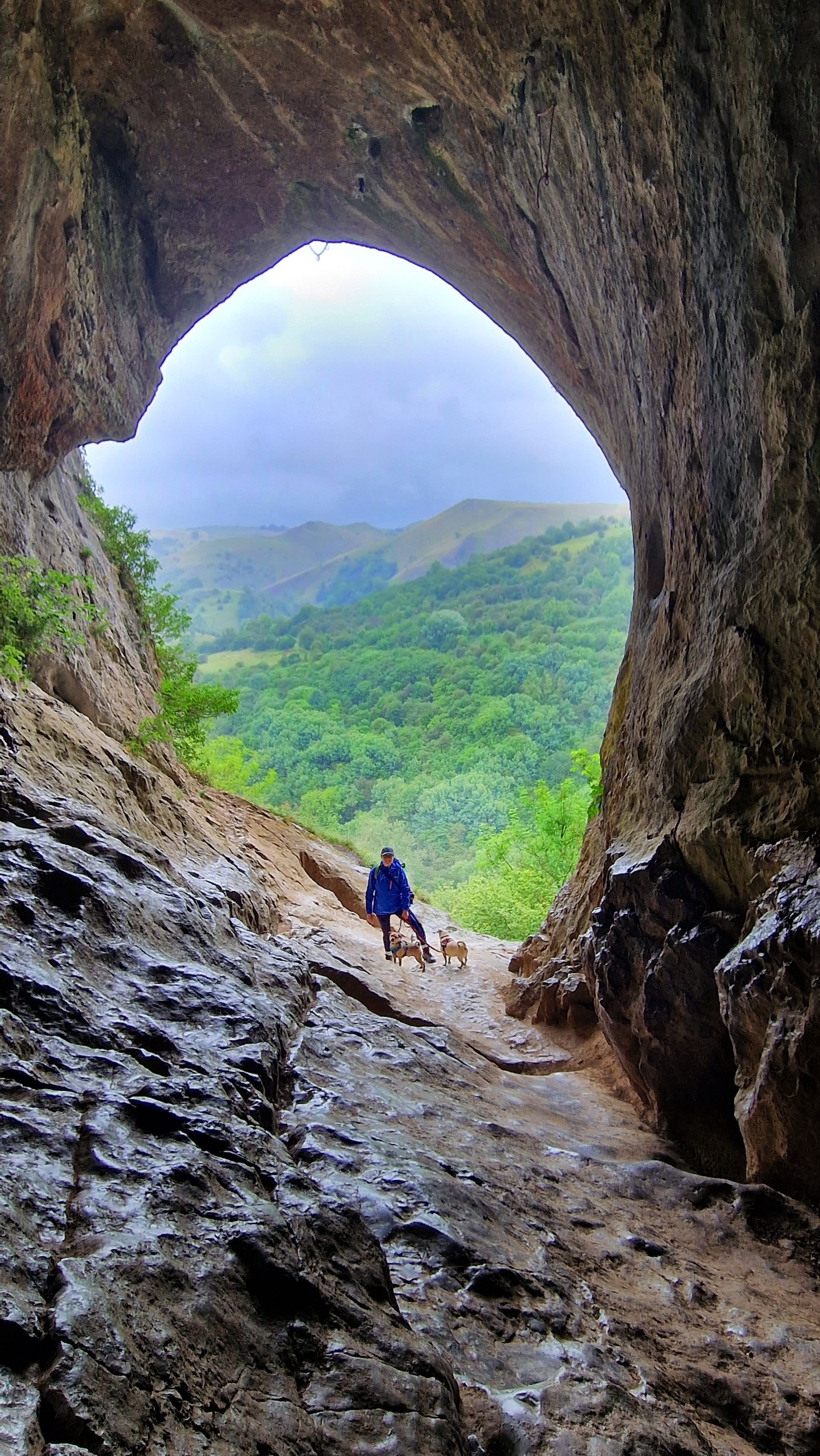 Image Source: Emma Fisher
I've also snowboarded nearly every year since I was 14, and I didn't want my diagnosis to put an end to that. I find that I'm at peace when I'm in the mountains. And although I'm getting worse as my cancer progresses and my energy levels deplete — plus, there's the fear of falling over and breaking something else only to find out it's cancerous again — snowboarding brings me so much joy. I go slower and admire the scenery, and I stop more, especially as my chemotherapy regimen progresses.
I have a bucket-list goal to go snowboarding in Japan, which I'm finally going to do with my boyfriend this winter at the encouragement of my oncologist because it might not be something I can do next year. Earlier this year, I was snowboarding in France when my cancer caused my kidneys to fail, and I found myself struggling to breathe. One friend had to carry my snowboard, another gave me her poles to get to ski lifts, and eventually I wound up having surgery and needing nephrostomy tubes to drain my kidney. Still, I didn't let that stop me from being active.
Days later, I checked off another bucket-list goal to hike 100 kilometers of Mont Blanc in Chamonix, France. I did this tour through CoppaFeel!, a UK-based charity created by a woman who also has metastatic breast cancer that aims to increase breast cancer awareness and plans an endurance trek like this every year. There were 120 of us on the trek, all with a connection to cancer, whether with our own diagnosis or having lost a friend or family member to cancer. The trek was incredibly eye-opening for me in showing how powerful it can be when there's a bunch of people in the same situation as you and you're all just getting on with it, walking up a mountain together, chatting and singing songs.
I went with my nephrostomy tubes and bags in (the snowboarding incident happened days earlier), and one of the doctors on the trek was in awe since many patients who experience this type of procedure can't leave the house. But honestly, I felt pretty good, and I was determined to make the trip. I was somewhat nervous about my fitness levels, given that I'd also been in and out of the hospital in April and June, dealing with infections and other cancer side effects. But luckily, the training I had done was enough, and I ended up doing five consecutive days of trekking.
One of the things that I started to say very early on in my metastatic diagnosis was that it's treatment for life, but not a life sentence. I refuse to let my diagnosis fully dictate my activity. Even if I only walk three kilometers around the streets locally, I want to know that my body is still capable of doing these things, and I would really encourage anyone facing a similar diagnosis to continue doing the activities they enjoy in whatever capacity they can.
If we don't give our bodies the opportunity to prove what they're capable of, then we never know, or we lose the ability entirely.
Image Source: Emma Fisher
I've also snowboarded nearly every year since I was 14, and I didn't want my diagnosis to put an end to that. I find that I'm at peace when I'm in the mountains. And although I'm getting worse as my cancer progresses and my energy levels deplete — plus, there's the fear of falling over and breaking something else only to find out it's cancerous again — snowboarding brings me so much joy. I go slower and admire the scenery, and I stop more, especially as my chemotherapy regimen progresses.
I have a bucket-list goal to go snowboarding in Japan, which I'm finally going to do with my boyfriend this winter at the encouragement of my oncologist because it might not be something I can do next year. Earlier this year, I was snowboarding in France when my cancer caused my kidneys to fail, and I found myself struggling to breathe. One friend had to carry my snowboard, another gave me her poles to get to ski lifts, and eventually I wound up having surgery and needing nephrostomy tubes to drain my kidney. Still, I didn't let that stop me from being active.
Days later, I checked off another bucket-list goal to hike 100 kilometers of Mont Blanc in Chamonix, France. I did this tour through CoppaFeel!, a UK-based charity created by a woman who also has metastatic breast cancer that aims to increase breast cancer awareness and plans an endurance trek like this every year. There were 120 of us on the trek, all with a connection to cancer, whether with our own diagnosis or having lost a friend or family member to cancer. The trek was incredibly eye-opening for me in showing how powerful it can be when there's a bunch of people in the same situation as you and you're all just getting on with it, walking up a mountain together, chatting and singing songs.
I went with my nephrostomy tubes and bags in (the snowboarding incident happened days earlier), and one of the doctors on the trek was in awe since many patients who experience this type of procedure can't leave the house. But honestly, I felt pretty good, and I was determined to make the trip. I was somewhat nervous about my fitness levels, given that I'd also been in and out of the hospital in April and June, dealing with infections and other cancer side effects. But luckily, the training I had done was enough, and I ended up doing five consecutive days of trekking.
One of the things that I started to say very early on in my metastatic diagnosis was that it's treatment for life, but not a life sentence. I refuse to let my diagnosis fully dictate my activity. Even if I only walk three kilometers around the streets locally, I want to know that my body is still capable of doing these things, and I would really encourage anyone facing a similar diagnosis to continue doing the activities they enjoy in whatever capacity they can.
If we don't give our bodies the opportunity to prove what they're capable of, then we never know, or we lose the ability entirely.
— As told to Emilia Benton
Emilia Benton is a freelance health and wellness journalist who is particularly passionate about sharing diverse stories and elevating underrepresented voices. In addition to PS, her work has been published by Runner's World, Women's Health, Self, Outside, and the Houston Chronicle, among others. Emilia is also a 13-time marathoner and a USATF Level 1-certified run coach.Read on the original site
Open the publisher's page for the full experience