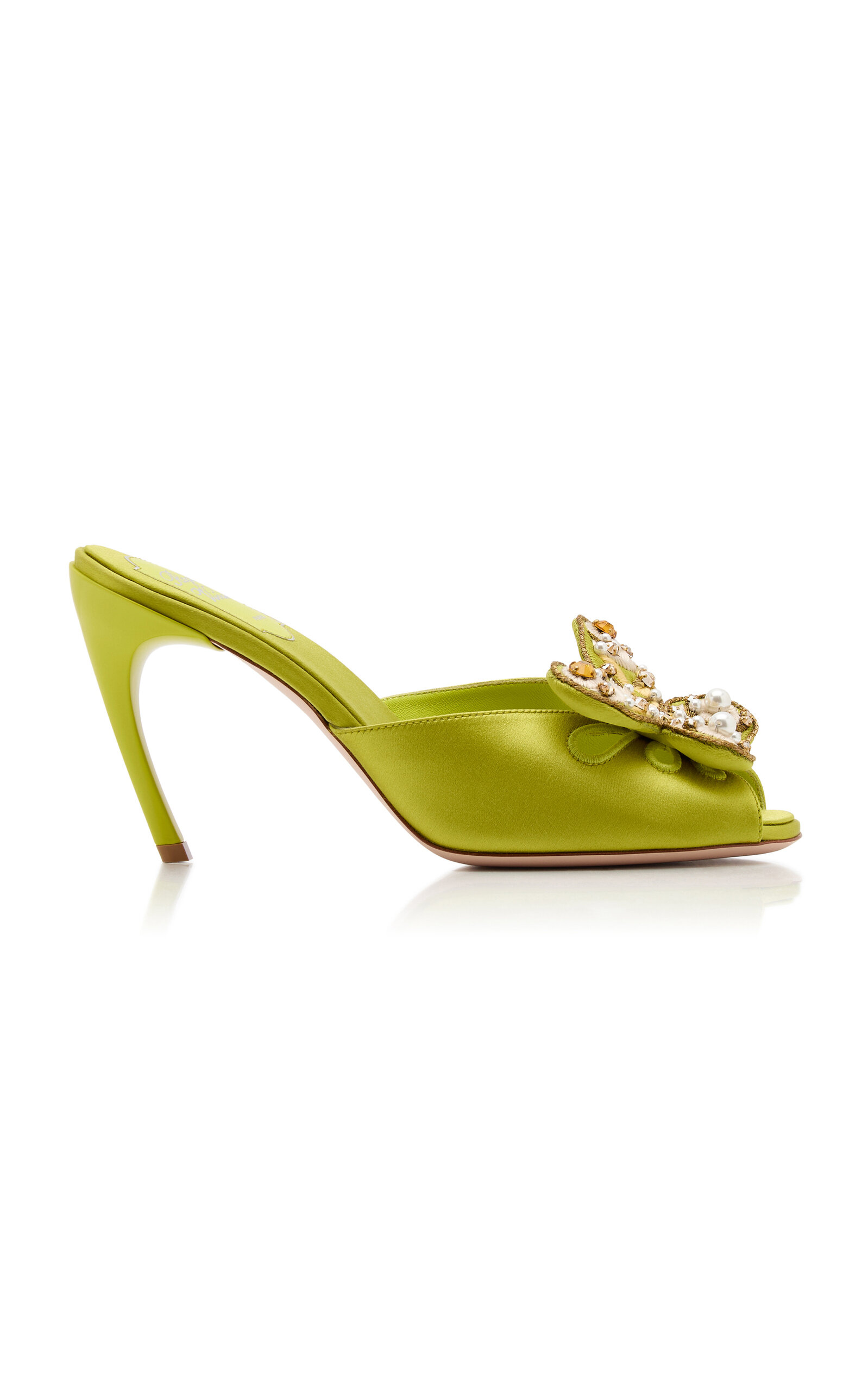
Nature has never needed fashion, yet fashion has always needed nature. It is the quietest collaborator, the one that asks for nothing in return but offers everything: the architecture of a petal, the iridescence of a wing, the precise geometry of a leopard's spot. What we are witnessing in the current moment is not a trend toward botanical prints or animal motifs, but something far more intentional. Designers are no longer simply borrowing from nature; they are learning from its restraint. This shift mirrors the same quiet authority we recently observed in Martine Rose writes Balenciaga's next chapter with quiet authority, where power is expressed not through volume but through precision. The natural world has always understood this: a butterfly does not announce its transformation.
For the woman who dresses with intention, this evolution matters deeply. It means that the floral dress you reach for is no longer a cliché but a study in form. Christian Dior understood this in 1947 when he named his debut collection after the arrangement of petals around a flower's center, and Alexander McQueen understood it decades later when he sent a gown covered in fresh blooms down the runway. The most compelling designers today are following the same instinct: the flower is not a pattern to be printed but a structure to be built. Similarly, the return of animal prints in recent seasons, from Khaite's zebra ballerina flats to Alaïa's tiger calf-hair bags, carries a different weight than the leopard-print excess of past decades. These are not statements of flash; they are statements of texture, of pattern as architecture rather than decoration. It is the difference between wearing a print and inhabiting a form.
What makes this moment particularly resonant is how nature's influence has moved from the obvious to the almost imperceptible. The overlapping folds of a skirt that recall a seashell's spiral, the organic curve of a sleeve that mirrors a flower stem, the iridescence of a textile that catches light like a beetle's shell, these are the details that reward a second look. They align with the same understated sensibility that has brought Black nails return as the quiet power move of refined style back into focus. Both gestures share a refusal to shout, a confidence in subtlety. The woman who chooses a gown with petal-like panels over one covered in floral embroidery is making a choice about how she wants to be seen: not as someone wearing a reference, but as someone who understands the reference so deeply she no longer needs to announce it.
The most telling detail may be the one that remains hardest to name. In Alexander McQueen's Plato's Atlantis collection, reptilian scales and natural camouflage did not decorate the garments so much as merge with them, blurring the line between human and animal form. That radical instinct, to dissolve rather than adorn, is the quiet revolution happening across fashion right now. Nature is not being quoted; it is being channeled. The question worth watching is whether this approach will remain the domain of couture experimentation or whether it will filter into the everyday wardrobe. For those who dress with intention, the answer may already be forming in the way a sleeve falls or a fabric catches the light. Nature does not explain itself. It simply appears, and fashion is finally learning to do the same.