No Suitcase, No Trainers—This is the Bag and Shoe Trend Stylish Dressers Are Wearing to the Airport Instead
Our take
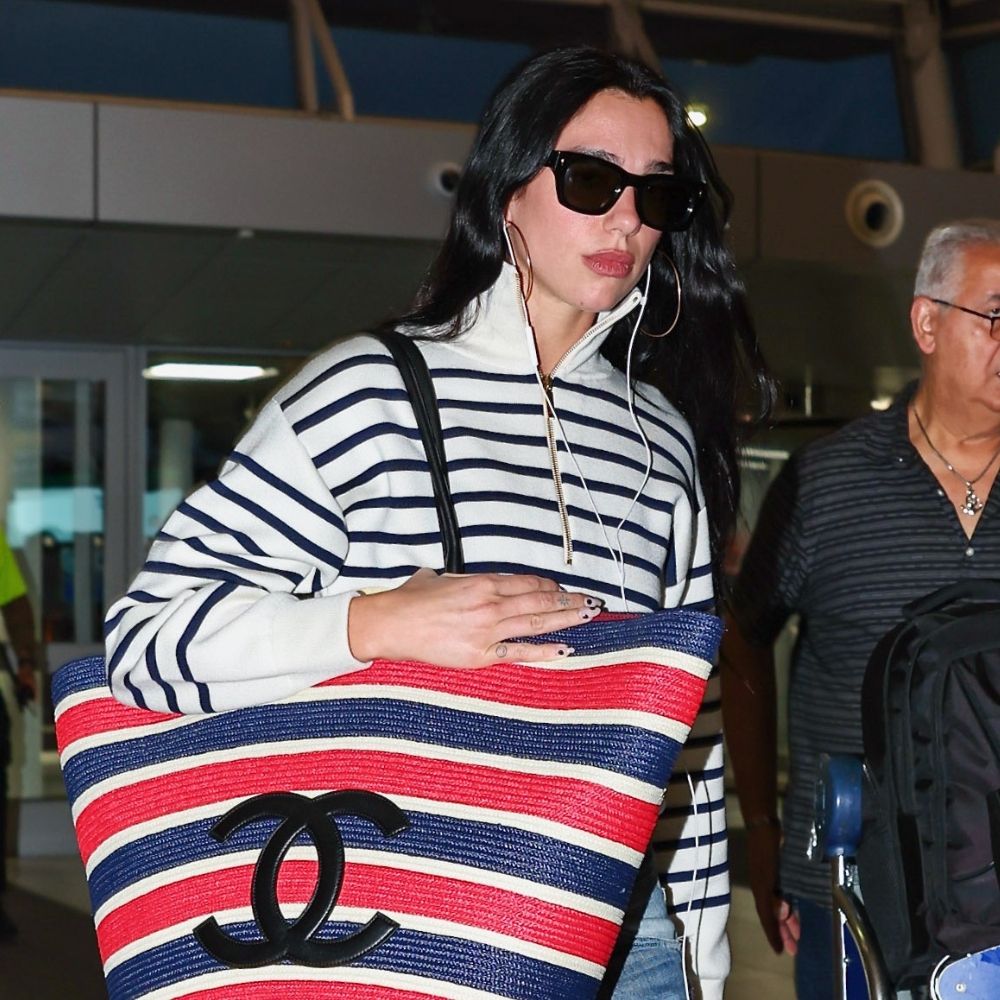
The recent shift in airport style, away from the predictable suitcase and athletic shoe pairing, signals a fascinating evolution in how we project ourselves even during travel. What was once purely about functionality – a durable bag to carry essentials and comfortable footwear for navigating terminals – is now being reimagined as an extension of personal style, a quiet statement of intention. The move towards more refined luggage and elevated footwear, as highlighted in the recent piece, reflects a broader cultural trend toward "calm luxury" – a desire for understated elegance and quality over ostentatious displays. It's a subtle but significant departure, demonstrating that even the most utilitarian aspects of our lives can be infused with considered aesthetics. This aligns perfectly with the ethos of intentionality we champion; travel isn’t merely about getting from point A to point B, but about *how* we experience the journey, and the image we present along the way. It mirrors the broader conversation around mindful dressing, as explored in [If You Want Your Trench Coat to Look French in Autumn, Wear Them With This Shoe Trend, Not Trainers], where comfort and style aren't mutually exclusive, but rather complementary elements.
This isn't just about swapping sneakers for loafers; it's a commentary on the evolving nature of travel itself. Air travel, once primarily a means of efficient transportation, has become increasingly intertwined with leisure and self-expression. We document our journeys, curate our travel wardrobes, and share our experiences online. The airport, therefore, transforms from a transit hub into a stage, albeit a low-key one. The demand for elegant travel accessories and sophisticated footwear directly responds to this shift. Consider, too, the parallel with workwear trends; the desire for polished and versatile pieces that seamlessly transition between settings, like those showcased in [6 Easy and Elegant, Transitional Workwear Looks to See You Through Autumn Too], is mirrored in the traveler's wardrobe. The emphasis is on effortless sophistication, pieces that elevate the everyday without demanding excessive effort. The very act of choosing a beautiful leather tote over a bulky duffel and a pair of refined ankle boots over trainers becomes a small act of self-care and a quiet declaration of personal style.
The significance extends beyond individual style choices; it speaks to a broader cultural recalibration. We've moved past the era of maximalism and overt branding, embracing instead a more nuanced and thoughtful approach to consumption. This trend reflects a desire for quality over quantity, timelessness over fleeting trends. It’s about investing in pieces that will last, both physically and aesthetically, and that reflect a deep understanding of personal style. The rise of "quiet luxury" as a dominant aesthetic is not simply a passing fad; it’s a response to a collective fatigue with the performative aspects of modern life. The airport, traditionally a space of hurried transit and anonymous blending, is now becoming a canvas for subtle self-expression. Even the seemingly mundane act of packing a suitcase can be imbued with intention and style. We've seen this sentiment echoed in the growing demand for products that prioritize both functionality and enduring beauty, even in categories like hair care, where protection from environmental factors is paramount, as discussed in [The 10 Best Summer Hair Repair Products for Sun, Salt and Chlorine Damage].
Looking ahead, it will be interesting to observe how this trend evolves. Will we see further experimentation with textures, colors, and silhouettes in airport attire? Will airlines begin to cater to this shift by offering more luxurious travel amenities and curated shopping experiences within airports? Perhaps the ultimate question is: how far will we go to elevate even the most routine aspects of our lives, and what does this say about our evolving relationship with travel, identity, and self-expression in the digital age? The quiet revolution in airport style suggests that the journey itself is becoming as important as the destination.
Everything I've ever known and believed about airport dressing has boiled down to two things: a reliable suitcase and a comfortable pair of shoes. From there, a neck pillow, a good book and a phone stocked with downloaded films are all take-it-or-leave-it, but a dependable travel bag and comfortable shoes? Those are non-negotiable. Well, at least in my world.
According to Dua Lipa, however, there are no hard-and-fast rules when it comes to jet-setting. This week, the singer took to the skies without a four-wheel suitcase or pair of trainers in sight. Instead, slung over her shoulder was an oversized Chanel tote, the sheer size of which could easily have housed a suitcase's worth of belongings, but whose distinctly wheel-less design makes navigating an airport considerably less effortless.
In another questionable, but undeniably chic, move, Dua also swapped the predictable pair of trainers—or even slip-on Uggs—for a pair of tall leather heeled boots. Worn with denim, the trouser-and-shoe combination flies in the face of traditional airport-dressing guidelines, prioritising in-flight chic over practicality.
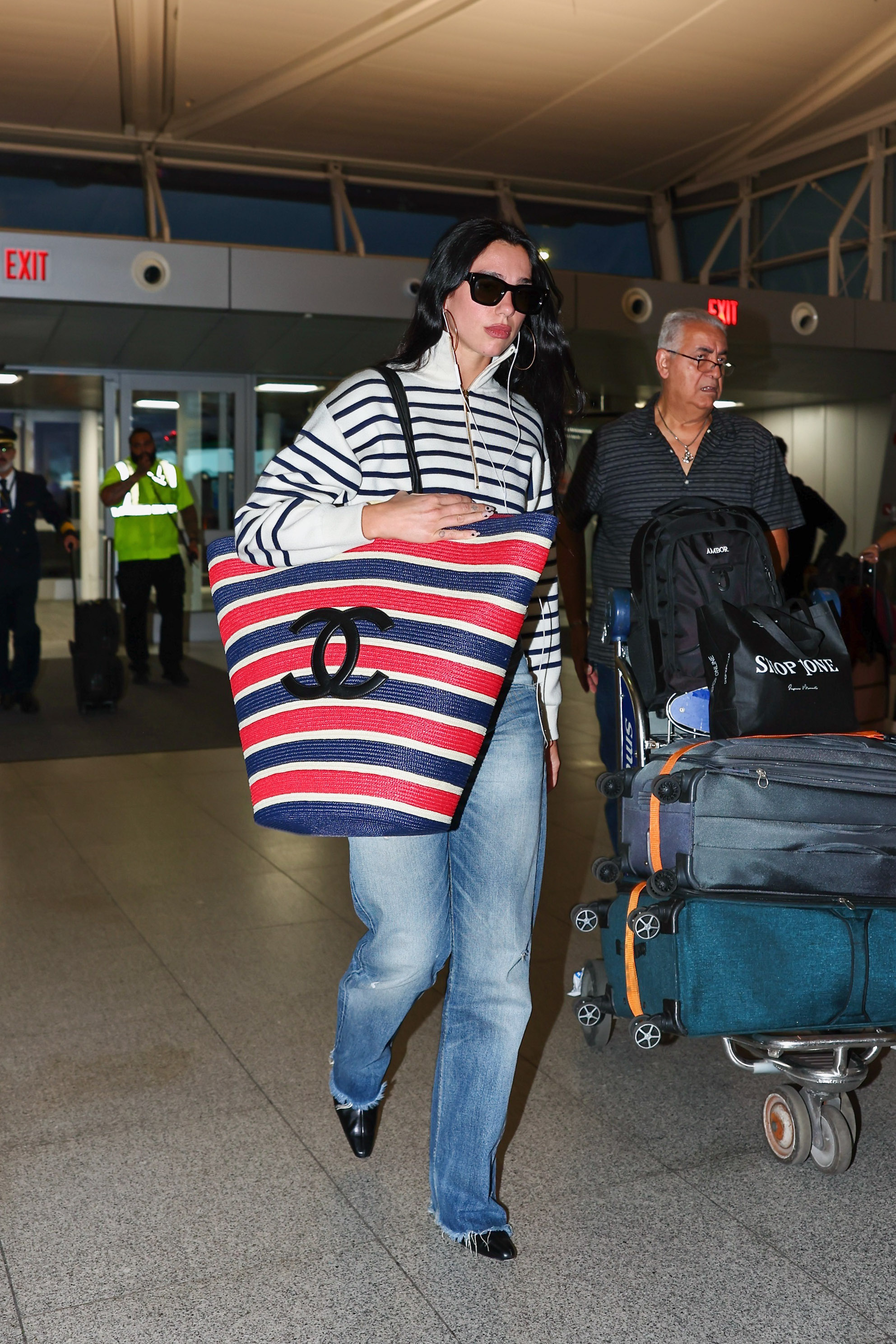
That said, her outfit isn't without merit. I've always considered jeans one of the smartest choices for airport dressing, as a well-worn pair of denim can be just as comfortable as softer trousers and considerably more polished. Meanwhile, her oversized Chanel tote offers enough room to rival a small suitcase, even if it does require a little more effort to carry.
Undoubtedly one of the coolest takes on airport dressing I've seen in some time, Dua's look has me questioning whether trainers and wheeled luggage really are the only sensible options. I'm not sure I'll be attempting a long-haul flight in heels anytime soon, but when it comes to in-flight styling inspiration, I'll happily be taking my cues from Dua going forward.
Read on the original site
Open the publisher's page for the full experience