The internet’s current obsession with sea moss feels, at first glance, like just another iteration of the wellness trend cycle. We’ve seen it all before – the acai bowl craze, the activated charcoal everything, the endless parade of superfoods promising miraculous transformations. And just as we questioned the validity of those earlier fads, the sudden ubiquity of sea moss—being touted as a nutritional powerhouse—demands a measured perspective. The popularity mirrors a broader cultural shift documented in our piece Have We Finally Outgrown "What I Eat in a Day" Videos?, where the relentless documentation of dietary habits is beginning to feel performative rather than genuinely informative. It's easy to get swept up in trends, but discerning genuine benefit requires a deeper look than just scrolling through Instagram reels. This isn’t to dismiss sea moss entirely; rather, it's an invitation to approach it with the thoughtful discernment we apply to all wellness claims. The surge in interest also reflects a growing consumer desire for natural and holistic remedies, a desire that often gets conflated with the promise of quick fixes.
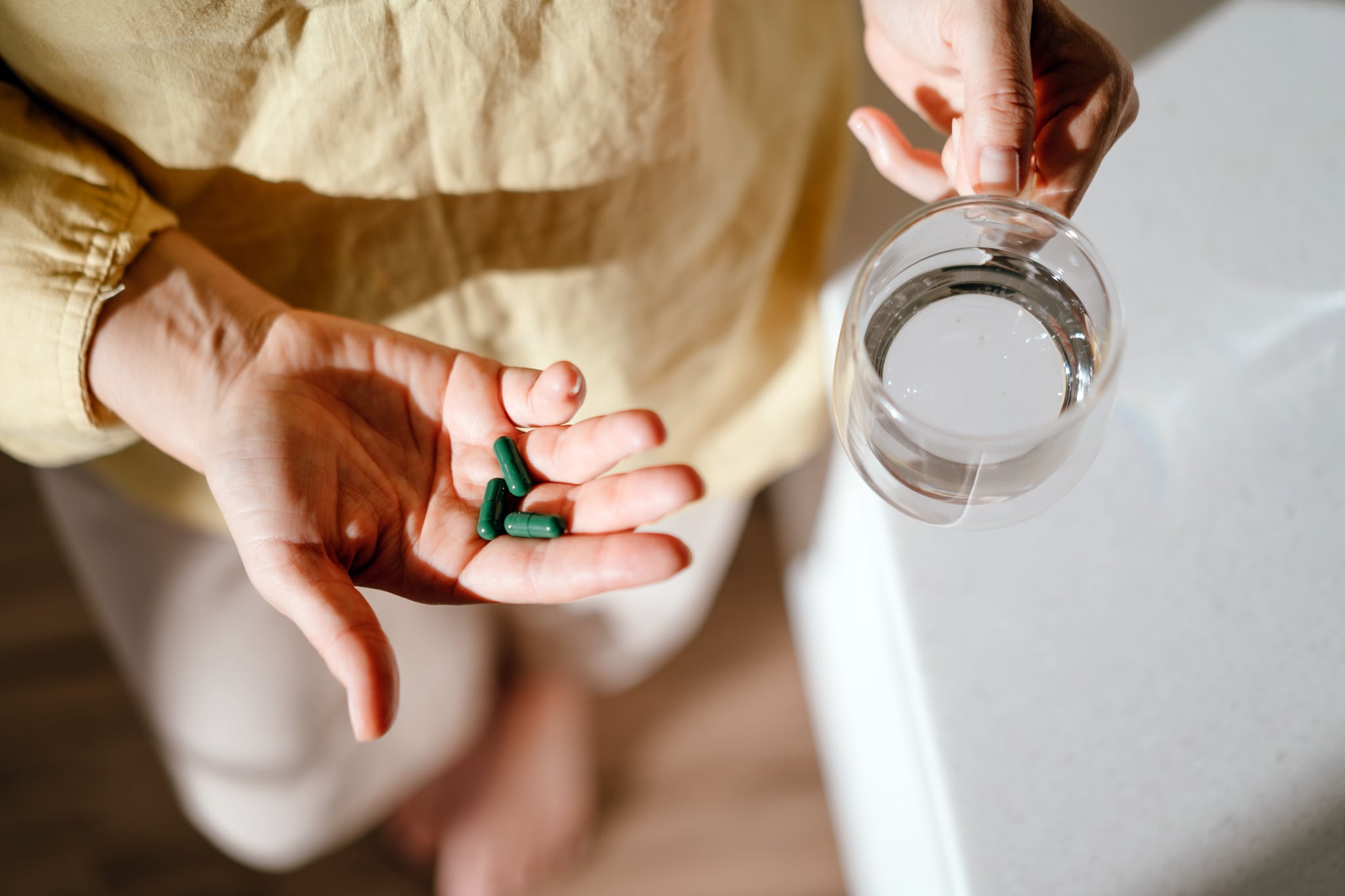
The core appeal of sea moss, scientifically known as *Chondrus crispus*, lies in its purported mineral content – containing over 90 trace minerals, it’s marketed as a way to address deficiencies and support overall health. Proponents claim it can improve digestion, boost immunity, and even enhance skin health. However, it’s crucial to temper these claims with scientific rigor. While preliminary research suggests potential benefits, much of the evidence remains anecdotal or based on small-scale studies. The narrative of the "miracle cure" is a familiar one, and it’s important to remember that true wellness is rarely achieved through a single supplement. Consider, too, the stories of individuals navigating complex health conditions, such as those detailed in Celiac and Crohn's Made Every Meal Feel Like a Risk. Here's How She Healed.—sea moss may offer support for some, but it’s hardly a universal solution, and could even interact negatively with certain medications or pre-existing conditions. Responsible consumption demands a personalized approach, ideally guided by professional medical advice.
Beyond the scientific debate, the sudden explosion of sea moss products—from powders and capsules to gels and even skincare—raises questions about sustainability and ethical sourcing. The increasing demand could put pressure on marine ecosystems, particularly if harvesting practices are not carefully managed. It’s a familiar echo of other natural resource booms, where consumer desire outpaces responsible stewardship. We've witnessed, in our own coverage of inclusive representation, a parallel shift in consumer values—the push for brands to reflect and celebrate diverse narratives, as seen in Popsugar Pulse's "Elle" Cover Is For the Girls—and this principle of ethical consideration should extend to the origins of the products we consume. Transparency in sourcing and sustainable harvesting methods are critical to ensuring that the pursuit of personal wellness doesn’t inadvertently contribute to environmental degradation.
Ultimately, the sea moss phenomenon reflects a broader cultural hunger for accessible wellness solutions in a world increasingly defined by complexity. While the potential benefits warrant further investigation, a grounded and informed perspective is essential. The key isn't to embrace sea moss blindly as a panacea, but to consider it as one potential element within a holistic approach to well-being—one that prioritizes sustainability, ethical sourcing, and personalized, professional guidance. As the sea moss trend continues to evolve, the question remains: will we learn to harness its potential responsibly, or will it become just another fleeting fad, leaving behind a legacy of unsustainable practices and unfulfilled promises?