Olivia Rodrigo's Babydoll Dresses Have a Rebellious Fashion History
Our take
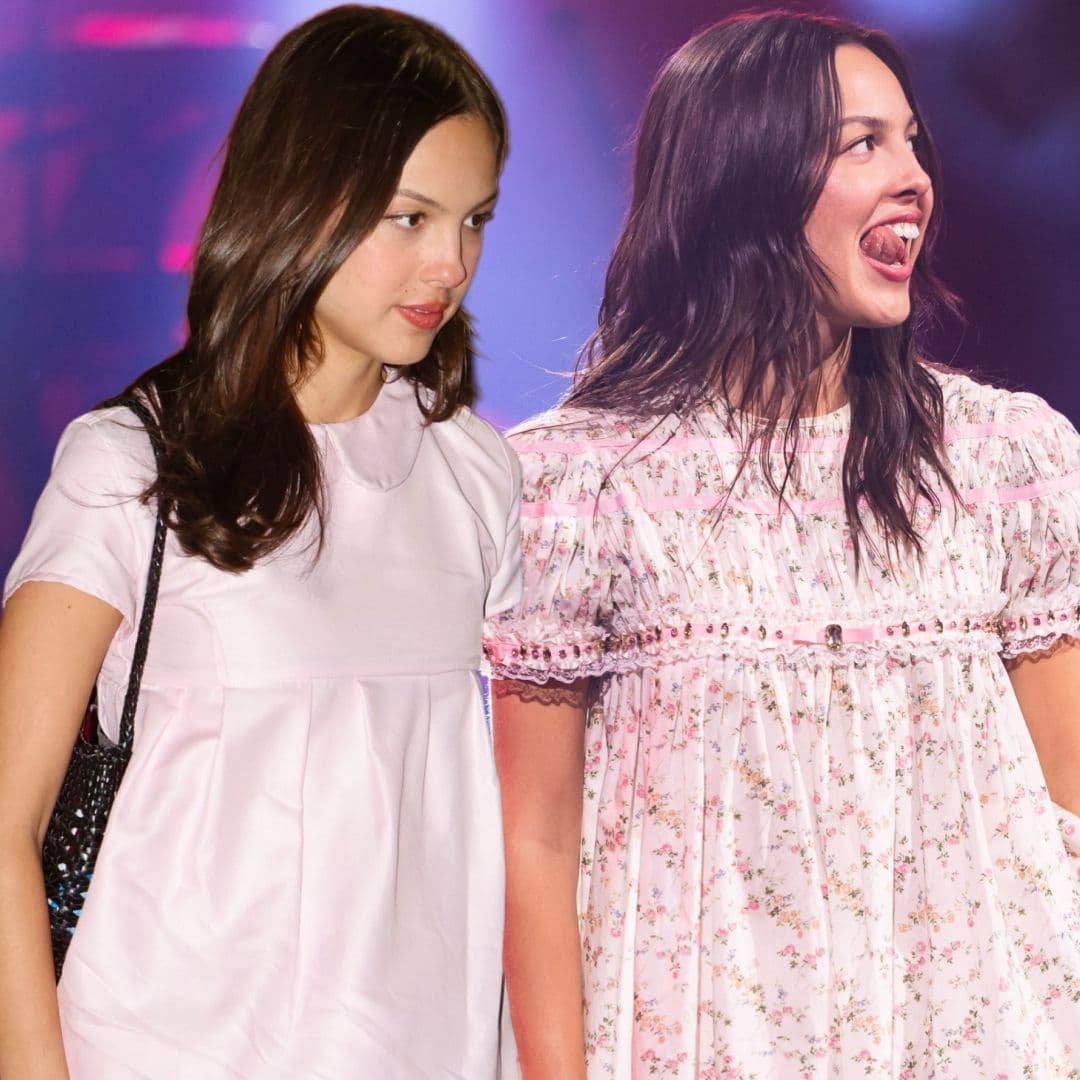
Olivia Rodrigo's affinity for babydoll dresses transcends mere fashion, embodying a rebellious spirit rooted in history. This iconic silhouette, marked by its playful innocence, has long been associated with youthful defiance and empowerment. From its origins in the 1960s to its modern interpretations, the babydoll dress has continually evolved, reflecting societal shifts and the complexities of femininity.
There's something quietly powerful about the way a babydoll dress can carry so much history in its silhouette. Olivia Rodrigo's recent embrace of this style feels less like a trend chase and more like a thoughtful conversation with fashion's past. As we explored in Are We Over-Sexualizing Olivia Rodrigo's Style?, the 23-year-old pop star has consistently approached her fashion choices with intention, transforming what could be merely aesthetic decisions into statements of authentic self-expression. The babydoll dress, with its origins in 1940s lingerie and its evolution through punk rebellion and contemporary femininity, represents something deeper than surface-level style—it's about finding strength in softness, power in vulnerability.
The garment's rebellious pedigree traces back through decades of women claiming their own definitions of appropriateness. From its inception as undergarment to its transformation into outerwear during the feminist movements of the 1960s and 70s, the babydoll dress has consistently challenged boundaries around what women can wear without sacrificing their agency. This isn't fashion for fashion's sake—it's clothing that carries emotional weight, that speaks to the ongoing dialogue between societal expectations and personal freedom. When Rodrigo steps onto red carpets or casual streets in these silhouettes, she's participating in a lineage of women who understand that true rebellion often comes from choosing authenticity over conformity.
What makes this particularly compelling in our current moment is how it reflects a broader shift toward more nuanced conversations about femininity in public spaces. We're moving away from binary interpretations of women's style choices toward a more complex appreciation for the layers of meaning that clothing can hold. A babydoll dress isn't inherently subversive or conservative—it becomes so through context, through the wearer's relationship with it, and through the stories we choose to tell about it. This evolution suggests that our cultural appetite for genuine self-expression is growing stronger than our tendency to categorize and judge.
The real question isn't whether babydoll dresses are appropriate or inappropriate, but rather what they allow us to feel and become when we wear them. In choosing these silhouettes, Rodrigo and others are essentially saying: I can be delicate and fierce simultaneously, vulnerable and strong, playful and profound. This multiplicity feels increasingly important as we navigate a world that still tries to box women into singular definitions of power and beauty.
As fashion continues to evolve beyond mere trend cycles toward more meaningful forms of expression, we might ask ourselves: What stories do our clothes tell about who we are versus who we're becoming?
Read on the original site
Open the publisher's page for the full experience