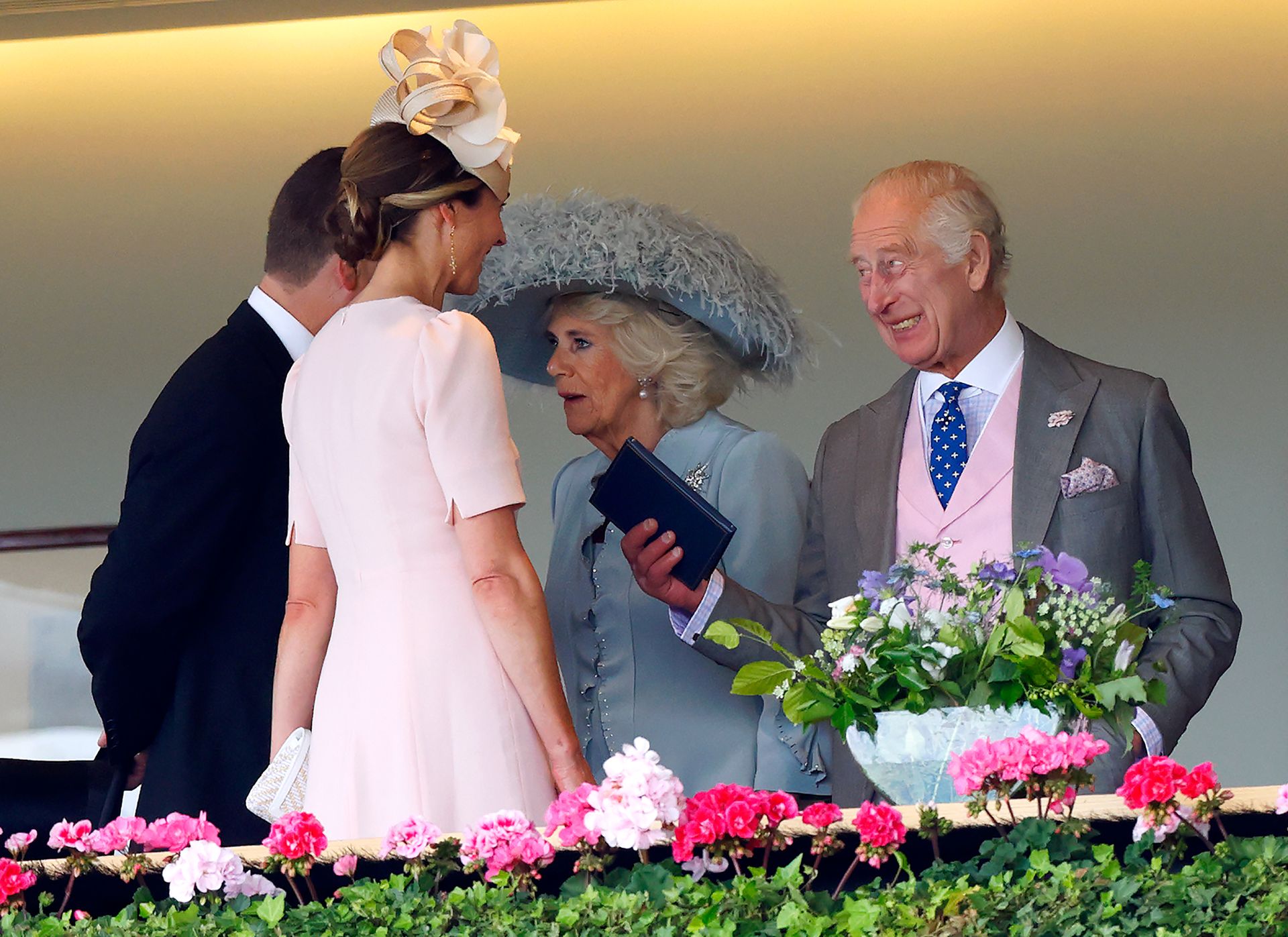
There is a particular kind of authority that does not demand the spotlight, and Peter Phillips embodies it with a quiet grace that feels increasingly rare. While the monarchy often pivots around its most visible figures, the body language analysis of this royal family member reveals something more instructive: influence is not always tied to title. Peter's ability to bridge generations, from sharing a mischievous grin with King Charles to drawing out a softer, laughing side of his famously no-nonsense mother, Princess Anne, speaks to a form of power that is relational rather than ceremonial. In a world obsessed with loud declarations of status, his calm presence reminds us that the most magnetic people are often the ones who do not need to perform.
This consistency is not accidental. Darren Stanton's observations point to a man who has cultivated genuine rapport through presence rather than position. We see this reflected in our own coverage of quiet devotion, whether in A Quiet Legacy of Devotion or the unguarded joy observed in Young London greets the King with quiet devotion and unguarded joy. There is a through-line here: the moments that resonate most are rarely the loudest. Peter's wedding to Harriet Sperling this summer, which brought a new blended family into the fold, was not a state affair but a personal one, and yet King Charles and Queen Camilla rearranged their schedules to attend. That choice, a small logistical shift for a busy sovereign, says everything about the quiet esteem in which Peter is held.
For our readers, there is a practical takeaway here that extends beyond royal fascination. Peter Phillips models a kind of confidence that is entirely self-contained: he is an integral part of his family's gatherings without needing a formal role, and he is described as a "comfortable fit" for future public engagements precisely because of his natural consistency. This is the difference between seeking validation and emitting it. His example suggests that the most enduring influence is built not on what you demand, but on the steadiness you offer others. It is a lesson in soft power, one that applies as easily to a family dinner table as it does to a royal balcony.
What we will watch closely is how this role evolves. Stanton suggests that when Prince William eventually becomes king, cousins like Peter may be asked to undertake more public duties. If that day comes, the question will not be whether Peter can handle the visibility, but whether the institution can learn from his method. He has already proven that you do not need a crown to command respect. The real test is whether the monarchy, in its next chapter, will value the same quiet strength he has always shown.