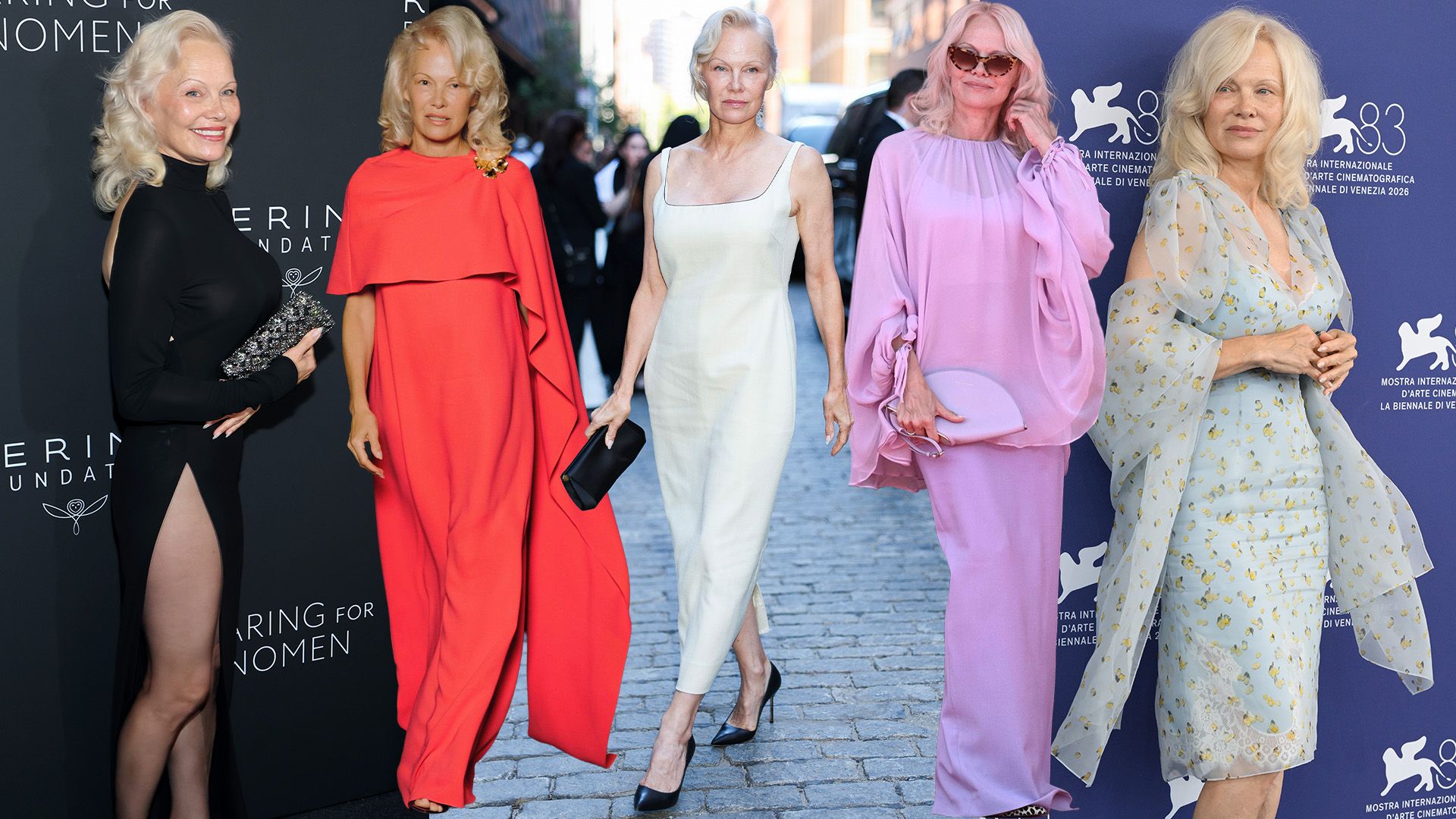
The resurgence of Pamela Anderson’s cultural relevance this September, punctuated by a whirlwind of Venetian appearances and a striking Vogue cover, isn’t simply a nostalgic echo; it’s a fascinating realignment of celebrity, style, and the very definition of iconicity. The initial question posed in the article – *Is Pamela Anderson the Marilyn Monroe of our time?* – is provocative, but not entirely unfounded. Both women embody a specific brand of unapologetic femininity, a sensuality that has been both celebrated and scrutinized. Monroe's image was inextricably linked to a manufactured persona, a tragic narrative often overshadowing her talent. Anderson, however, seems to be actively reclaiming her narrative, presenting a more self-aware and deliberately curated image. This feels particularly pertinent in a cultural landscape increasingly skeptical of manufactured celebrity, a space where authenticity, or at least the *appearance* of it, is highly valued. It’s a shift we’ve seen reflected in other areas of style, as explored in [Lingerie as Layers: Daisy Edgar-Jones Redefines Modern Sensuality], where the boundaries between suggestion and overt display are being thoughtfully blurred.
The choices Anderson is making – the quiet elegance of her Venetian wardrobe, the deliberate embrace of vintage and understated luxury – speak volumes about a conscious rejection of the hyper-glamorous, often performative, aesthetics that have dominated celebrity style for years. This aligns with a broader trend towards “quiet luxury,” a style ethos that prioritizes quality, craftsmanship, and subtle sophistication over ostentatious branding. Milan’s runways recently showcased a similar sensibility, as detailed in [Milan's Runway Moments: A Quietly Elevated Style Edit], with a focus on timeless silhouettes and understated details. It’s a move away from the fleeting trends and logo-mania that characterized much of the 2010s, and towards a more enduring, considered approach to style. Anderson’s embrace of this aesthetic feels particularly potent given her history; she’s not simply adopting a new look, she’s reframing her entire legacy.
The impact of Anderson's current moment extends beyond fashion, however. It’s a commentary on the evolving perception of female sexuality and aging in the public eye. Where Monroe’s image was often frozen in time, defined by a narrow and arguably limiting standard of beauty, Anderson is presenting a more nuanced and complex portrayal of womanhood. She's demonstrating that confidence and allure can deepen with age, and that a woman can be both sensual and self-assured without sacrificing her agency. Sloane Stephens’s recent appearance at Cavalli’s show, as documented in [Sloane Stephens Channels Quiet Confidence at Cavalli's Spring Show], further underscores this idea – the power of understated elegance and self-assuredness across different spheres of influence. Anderson’s visibility feels like a powerful statement about reclaiming one's narrative and redefining what it means to be an icon in the 21st century.
Ultimately, Anderson’s September is more than just a series of stylish appearances; it’s a subtle revolution in how we perceive celebrity and femininity. She’s demonstrating the enduring power of self-awareness, intentionality, and a quiet confidence that resonates far more profoundly than any fleeting trend. The question now is: will this renewed appreciation for Anderson’s influence inspire a wider cultural shift towards valuing substance and authenticity over superficiality in the realm of celebrity, and will other figures follow suit in embracing a more nuanced and enduring expression of style and self?