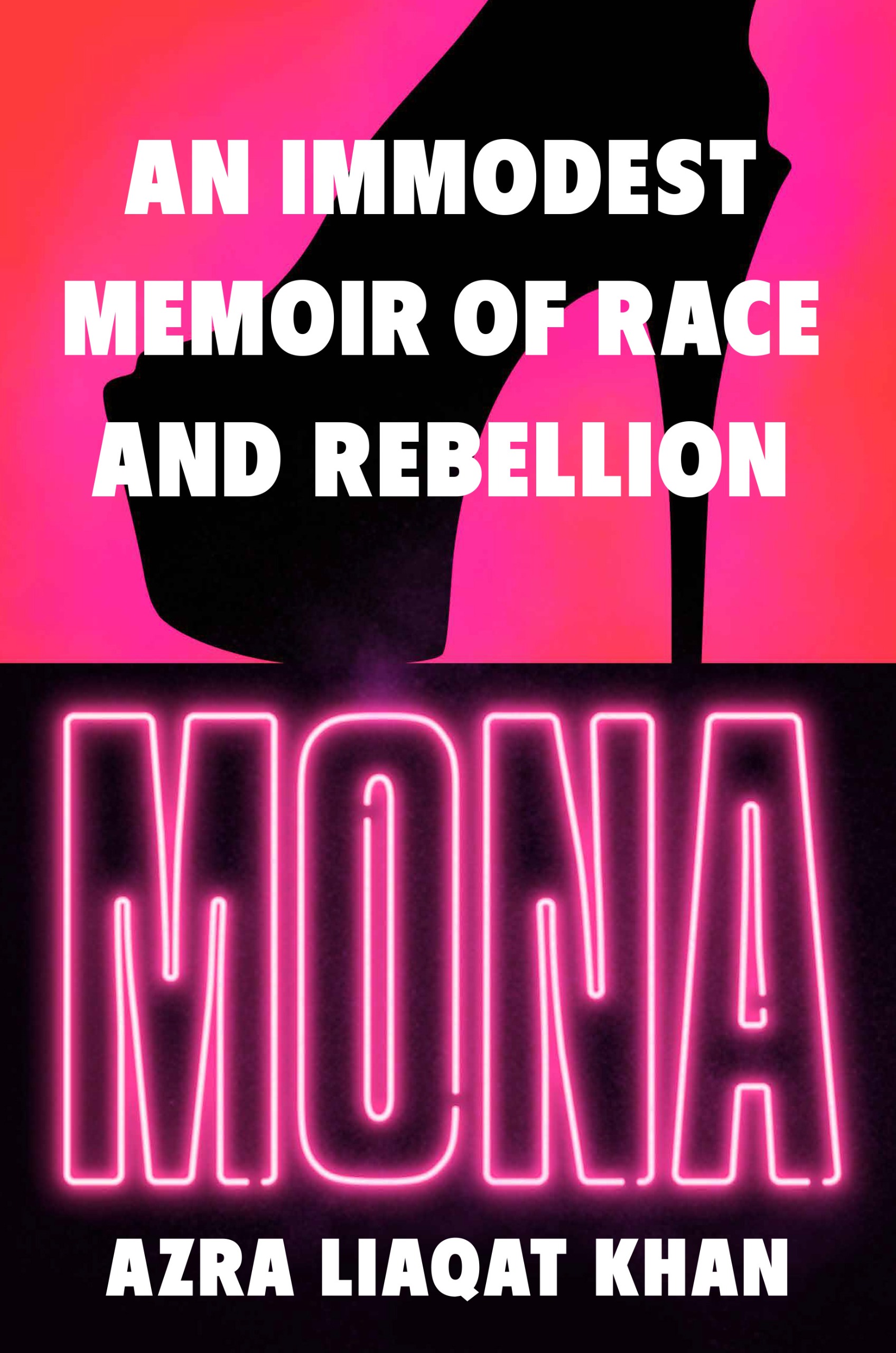
There is a particular kind of quiet power that comes from knowing exactly what your identity is worth in a room that has assigned it a price. Azra Liaqat Khan's memoir *Mona* understands this with a clarity that is both uncomfortable and exhilarating. In her excerpt, she recounts performing race as currency on a Manhattan strip club floor in the aftermath of 9/11, transforming the very Islamophobia meant to marginalize her into a tool of economic survival. It is a sharp, unflinching look at how we are forced to package ourselves for consumption, and it asks a question that lingers long after reading: what parts of ourselves are we willing to perform, and at what cost? This is the kind of layered self-examination that feels rare, an invitation to sit with contradiction rather than resolution, much like the quiet defiance Princess Diana's Quiet Defiance Over Her Signature Haircut that Arthur Edwards captures, or the emotional reckoning Sofia Franklyn on the art of letting a friendship go traces in her own memoir.
What makes Khan's voice so compelling is her refusal to simplify. She is not a victim, nor is she a triumphant heroine. She is a PhD student who skims Peter Singer to keep a customer engaged, a daughter navigating her mother's marriage anxiety while tucking cash into her ankle strap, a Muslim woman who tells a man she is Indian because that version of her sells better. There is no false empowerment here, only the raw mechanics of survival in a system that demands you make yourself legible, and desirable, on its terms. When she writes, "Race, you see, wasn't just assigned at the club; it was performed," she is not lamenting. She is naming a truth many of us live but rarely articulate: that identity is often a negotiation between who we are and what the world will pay for. This is a memoir that understands the difference between performing for an audience and living for yourself, and it does not pretend the line is always clear.
The practical takeaway for the reader is this: *Mona* forces you to sit with the discomfort of your own complicity. Khan does not let us off the hook as passive consumers of her story. Every time we watch a film, swipe a profile, or read a headline that reduces a person to a single story, we are participating in the same economy of performance she describes. Her memoir is not a call to action in the traditional sense, it is a mirror. It asks us to notice the moments we smile at a version of ourselves that feels slightly off, the times we let someone else's fantasy dictate our truth. That is the consequence worth watching: not just the book's release on November 17, but what it stirs in the reader who recognizes the quiet negotiation of self in every room they enter.