Pregnant Women Are Almost Never Runway Models—Except at Chanel
Our take
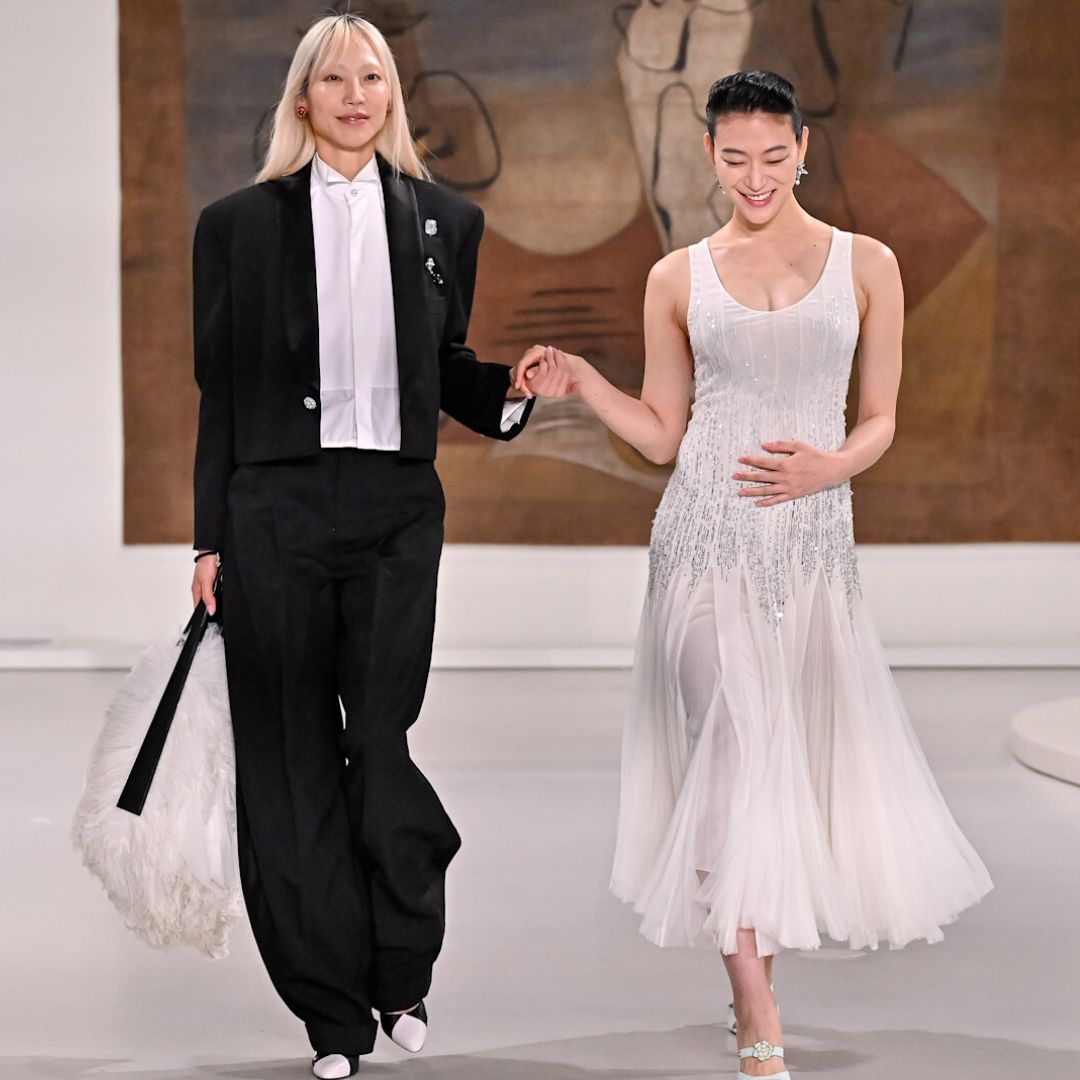
The fashion industry has long been criticized for its narrow definitions of beauty and representation, particularly on the runway. However, the recent decision by Chanel to cast pregnant women in back-to-back shows marks a significant shift in a landscape often resistant to change. This move not only highlights a growing acknowledgment of the diverse experiences of womanhood but also serves as a potential catalyst for other luxury brands to reevaluate their standards of representation. In an industry that has often sidelined the realities of motherhood, Chanel’s bold step invites a broader conversation about inclusion and the evolving nature of femininity in fashion. As we reflect on this change, we can’t help but connect it with other recent discussions in the industry, such as our exploration of mismatched black -- business formal attire? and the rise of emerging styles, which suggest a growing appetite for individuality and authenticity in personal expression.
Chanel’s commitment to featuring expecting mothers speaks volumes about the changing narratives in luxury fashion. This move challenges the longstanding notion that models must conform to a specific, often unrealistic, body type to grace the runway. It highlights an important shift towards inclusivity, demonstrating that the luxury market can embrace a more holistic view of femininity—one that includes the beauty of pregnancy. This decision not only celebrates the strength and resilience of women but also provides a platform for expecting mothers to see themselves represented in high fashion. The implications of this decision could ripple across the fashion world, encouraging brands that have historically overlooked this demographic to reconsider their casting choices.
Moreover, Chanel’s approach aligns with a broader cultural conversation about the celebration of women’s experiences and the normalization of motherhood in all its forms. Luxury fashion is often perceived as a realm of unattainable ideals, but by showcasing pregnant models, Chanel disrupts this narrative and invites consumers to engage with a more relatable and empowered image of femininity. It raises crucial questions about how brands can further integrate authentic representations of women into their campaigns. For instance, will other major labels follow Chanel’s lead, or will they remain hesitant to embrace this shift? This is especially relevant as we see emerging brands stepping into the spotlight, such as those highlighted in our article on The Emerging Sunglasses Brands To Know Ahead Of Summer, which often prioritize authenticity and representation in their marketing strategies.
As we look to the future, it’s essential to consider what Chanel’s groundbreaking decision means for the evolving landscape of fashion. With consumer demand for inclusivity on the rise, brands will need to adapt or risk losing relevance. The conversation initiated by Chanel’s runway shows is an important one, as it opens the door for further exploration of what it means to be a woman in today’s society—both in terms of aesthetic and lived experience. Will other luxury brands take note and begin to reflect the diverse experiences of their clientele, or will they continue to cling to outdated ideals? The answers to these questions will not only shape the future of fashion but also resonate deeply with consumers who seek connection and representation in the brands they support.
Read on the original site
Open the publisher's page for the full experience