Prince Edward's School Friend Unpacks the "Terrifying" Sandringham Dress Code and What "Divine" Queen Elizabeth Did to Calm Her Nerves
Our take

The recent recounting of Tanya Rose’s experience at Sandringham, navigating the notoriously strict royal dress code, offers a surprisingly relatable glimpse into a world often perceived as impenetrable. While the prospect of a stay at Balmoral or Sandringham evokes images of idyllic country estates and charming encounters, the reality, as Rose’s story reveals, can be fraught with anxiety, particularly for a young woman unprepared for the unspoken rules of royal protocol. It's fascinating to consider how these traditions, seemingly arbitrary to outsiders, represent a deeply ingrained system of signaling and maintaining a certain image – an image that, even in the modern era, holds considerable weight. The emphasis on formality and adherence to established norms speaks to a broader cultural fascination with heritage and tradition, a sentiment we explore further in [Not Black and White—The Coolest Dressers Are Opting For Bold Colour Combos This Season], where the shift towards unexpected color pairings challenges conventional style boundaries. And while the Sandringham dress code may seem rigid, it shares a common thread with our appreciation for deliberate choices in fashion, as illustrated in [Hold the Jeans—I Think Flip-Flops and Ballet Flats Look Chicest When Paired With This Summer Trend], where even seemingly casual pairings are approached with intention.
What’s particularly poignant about Rose’s narrative isn’t just the dress code itself – the ban on jeans, trainers, and anything too revealing – but the Queen’s intervention. Her quiet act of reassurance, offering a calming presence and ensuring Rose felt comfortable, speaks volumes about the late monarch’s emotional intelligence and ability to connect with individuals beyond her royal duties. It underscores a key aspect of her public persona: a sense of warmth and accessibility that belied the formality of her position. This contrasts sharply with the more performative aspects of royal life often scrutinized by the media, highlighting the importance of genuine human connection, even within the confines of such a structured environment. The story also echoes the broader cultural conversation around expectations and anxieties surrounding social situations, particularly for young women. The pressure to conform, to present a polished and perfect image, is a familiar burden, even if the stakes are considerably lower than a royal visit. The Queen’s response to Rose's nerves is a powerful reminder that empathy and understanding can transcend even the most rigid social hierarchies.
The enduring fascination with royal protocol and fashion choices—as evidenced by the recent attention surrounding Princess Catherine’s style—demonstrates a continued public interest in these seemingly minor details. These dress codes, while perhaps antiquated, function as symbolic representations of power, tradition, and national identity. They are not merely about clothing; they are about maintaining a carefully constructed image and upholding a sense of continuity. The strictures surrounding dress, and the potential for social faux pas, become a microcosm of larger societal expectations. Moreover, the story subtly underscores the evolution of the monarchy itself. While tradition remains important, there’s a growing recognition of the need for adaptability and a willingness to embrace a more modern approach, as reflected in the younger generation of royals and their efforts to connect with a broader audience. The legacy of Queen Elizabeth, in this context, is not just about upholding tradition, but about doing so with grace, empathy, and a quiet understanding of human nature. [Why Botanical Fashion Never Goes Out of Style] demonstrates a similar appreciation for timelessness and enduring beauty, finding inspiration in the natural world – a theme undeniably present in the stately settings of royal residences.
Looking ahead, it's worth considering how the monarchy will navigate the ongoing tension between preserving tradition and embracing modernity. Will future generations of royals continue to adhere to such strict dress codes, or will we see a gradual loosening of these rules to reflect changing social norms? The story of Tanya Rose’s Sandringham experience serves as a reminder that even within the most formal of settings, human connection and a touch of understanding can make all the difference. The question remains: can the monarchy successfully evolve while retaining the elements that have made it a symbol of stability and tradition for centuries?
Receiving an invitation to stay at Balmoral or Sandringham might be thrilling, but it also comes with a fair amount of stress. Sticking to the strict dress code (and the idea of making small talk with the Royal Family) has overwhelmed even the most seasoned of world leaders, but for a 14-year-old Tanya Rose, the experience felt absolutely “terrifying.”
PR guru Rose, who went to boarding school with Prince Edward at Gordonstoun, recently appeared on Amanda Wakeley’s “Style DNA” podcast, and she shared memories of her 1979 visit to Sandringham House.
“I was 14, and Edward invited me to Sandringham just after Christmas, so it was just me who was not family,” Rose said. After she was sent a detailed dress code ahead of the stay, Rose’s father exclaimed, “Oh my God, why did I send you to this school?”

The PR pro explained that the list included “four outfits for breakfast, four outfits for tea, shooting things, Barbours, Wellington boots” and evening wear. “I did not have that wardrobe, so we had to go out and buy everything,” Rose admitted.
“That first night, it was terrifying,” Rose recalled, explaining that the “ladies go into another room” after dinner. With the group including Queen Elizabeth, Princess Margaret, Princess Anne and the Queen Mother, Rose said she was “absolutely terrified,” but the late Queen stepped in to make her feel at ease.
“The Queen was so divine because she knew I was nervous,” Rose said. “So she started doing impressions of her groom and just being so sweet to me. She was lovely.”
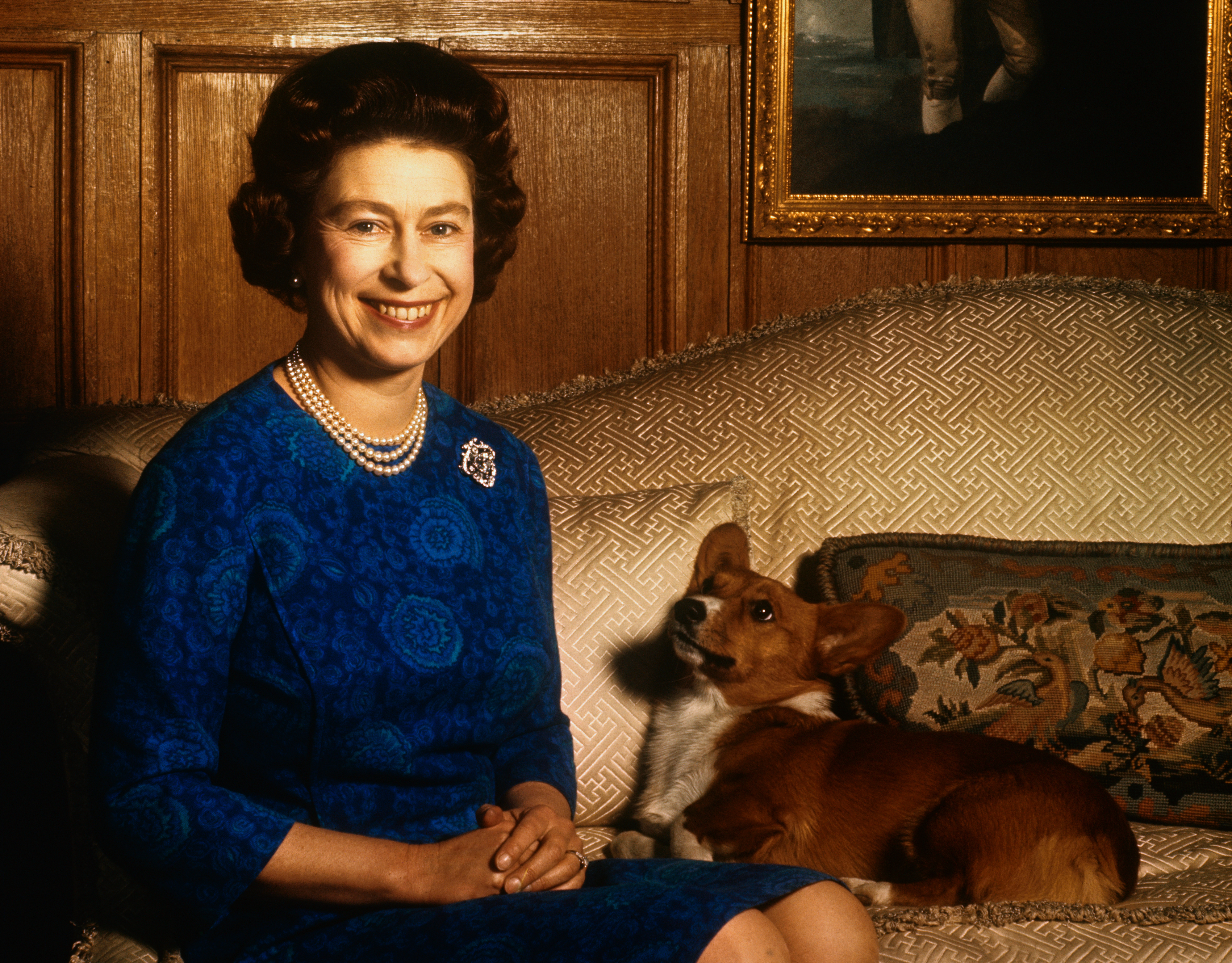
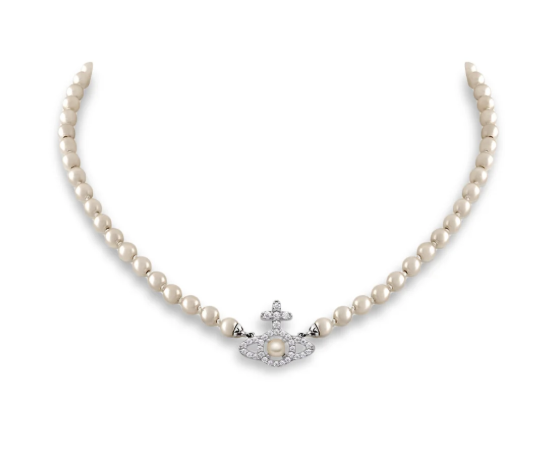
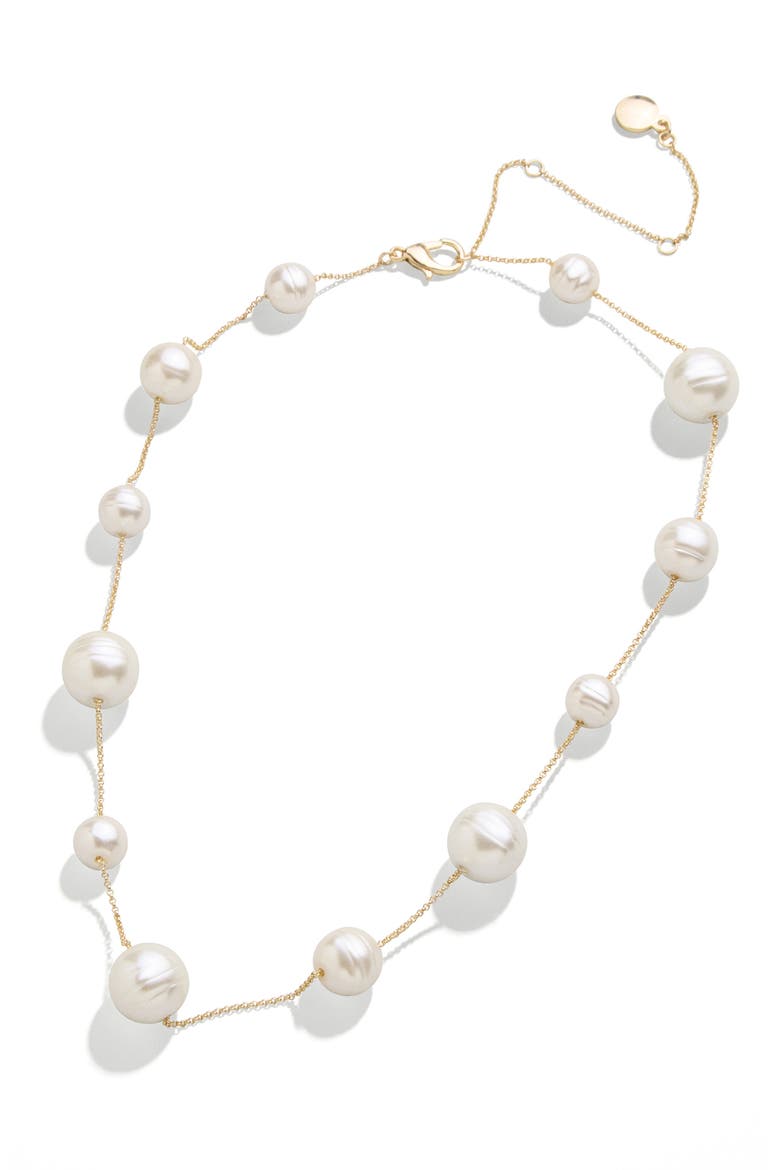
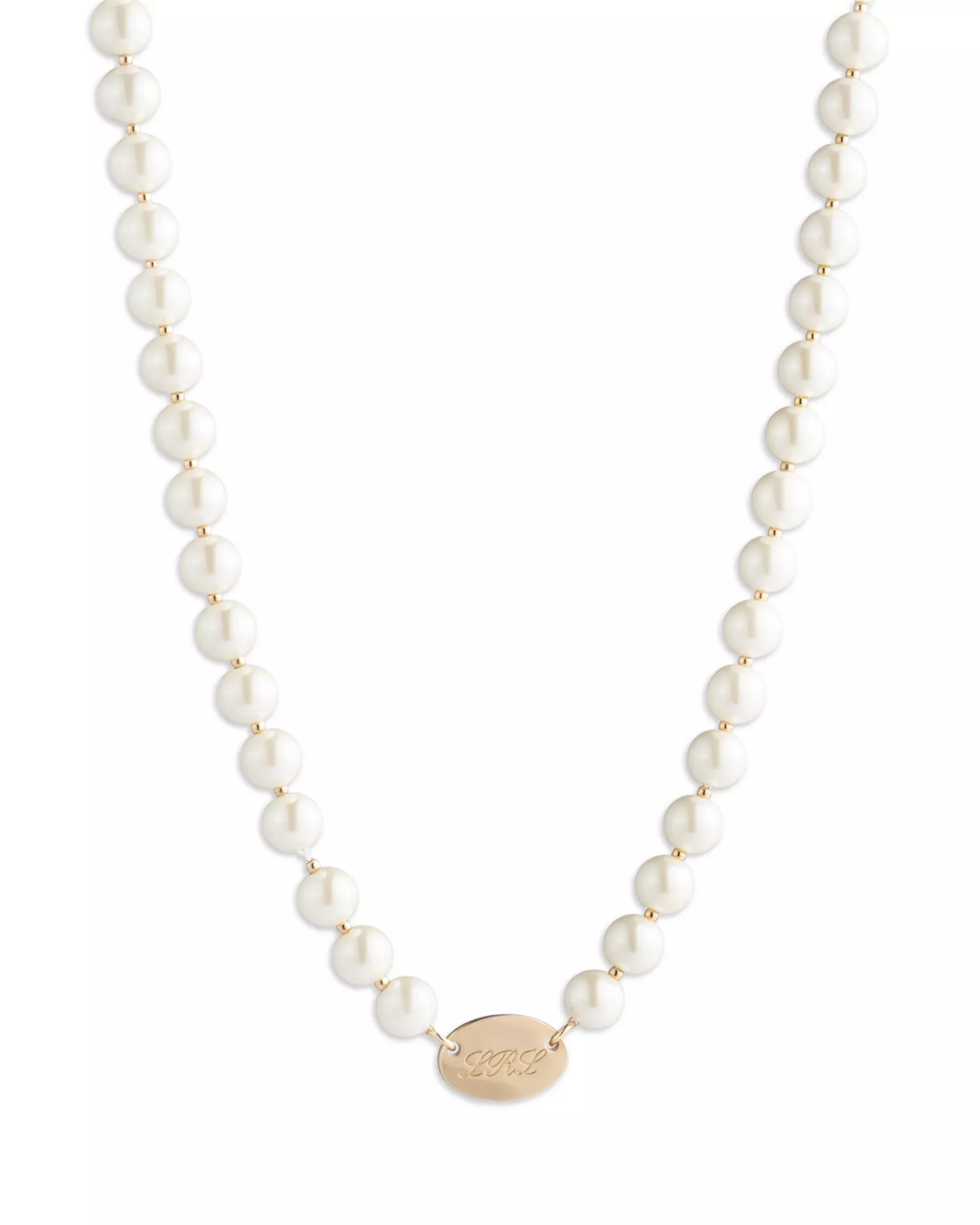
Although Rose said she wasn’t used to dressing for such an occasion, one of her affordable accessories seemed to dupe the Queen Mother. Rose shared that her mother let her borrow a faux pearl necklace she’d bought at London department store Fenwick, describing it as her mom’s “pride and joy.”
“The first night I remember the Queen Mother saying to me, ‘Is that a family heirloom?’ And I said, ‘Well, my Mummy did give it to me,' but I didn’t say it’s from Fenwicks,” Rose shared with a laugh.
Read on the original site
Open the publisher's page for the full experience