Prince Philip Told Royal Author It Was "Bloody Stupid" of Prince Charles to "Air His Grievances" About One Aspect of Royal Life
Our take
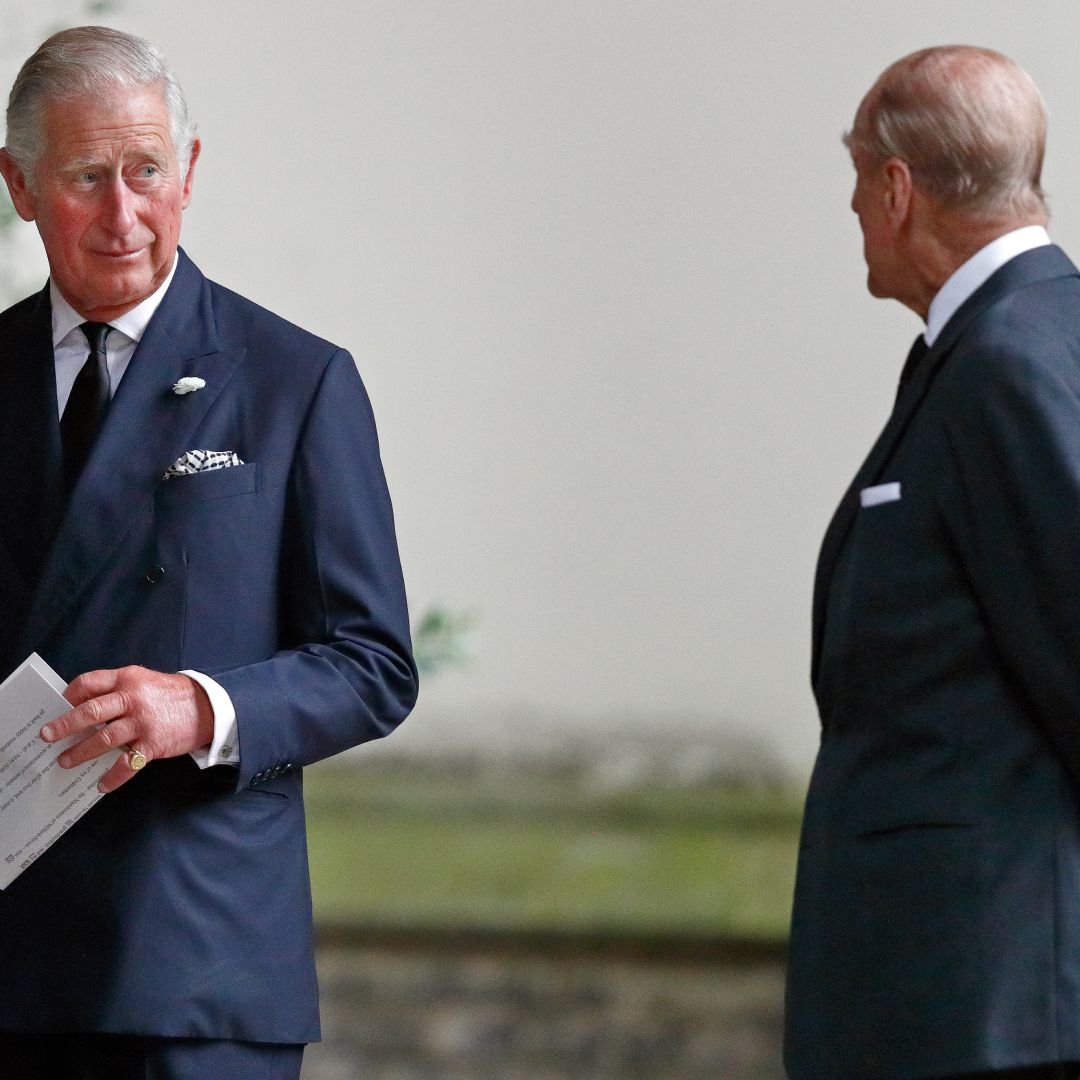
The revelation from Gyles Brandreth regarding Prince Philip’s reaction to Prince Charles’s televised interview with Jonathan Dimbleby is a fascinating, albeit unsurprising, glimpse into the dynamics of the Royal Family. It underscores a deeply ingrained principle within the institution: discretion. Philip’s blunt assessment – calling Charles’s airing of grievances “bloody stupid” – speaks to a generational difference in how the monarchy approaches public perception and, more importantly, internal conflict. The incident, which reportedly saddened Queen Elizabeth, highlights the delicate balance between transparency and preserving the mystique and stability of the Crown. We’ve seen echoes of this tension recently, as explored in [Queen Elizabeth’s Friend Shares the Key Marriage Strategy the Late Monarch Used With Prince Philip: “Worked So Well”], which details the Queen's own strategies for navigating marital complexities with a measured hand. It's clear that maintaining a unified front, even amidst personal challenges, has always been paramount. This isn't simply about avoiding scandal; it’s about projecting an image of unwavering strength and continuity to the nation.
The timing of Brandreth’s disclosure is also noteworthy, arriving as King Charles navigates his own reign and the ongoing scrutiny of the monarchy’s relevance in the 21st century. Charles’s willingness to engage in such a candid interview in the early 1990s, as recounted by Dimbleby, suggests a desire to shape his own narrative, perhaps in response to perceptions cultivated during his time as Prince of Wales. However, Philip’s reaction demonstrates the older guard’s adherence to a more traditional approach—one that prioritizes familial harmony and the preservation of the institution's reputation above individual expression. Interestingly, the Princess of Wales appears to be forging a different path, as noted in [Princess Kate "Melds More Easily" to Royal Life, Bringing Her "Quite Close" to Another Royal Family Member, Says Biographer], suggesting a more natural ease with public engagement and a subtle recalibration of royal protocols. This evolving landscape emphasizes the ongoing conversation about how the monarchy can adapt to modern expectations while retaining its core values. Even Duchess Sophie’s effortlessly chic style, highlighted in [Duchess Sophie’s Summer Style Formula Makes Late Summer Dressing a No-Brainer], contributes to the broader effort of presenting a relatable and accessible image.
What makes this particular anecdote so compelling is its directness. Philip, known for his forthrightness and no-nonsense attitude, didn't mince words. His disapproval wasn't a polite suggestion; it was a stark condemnation of what he perceived as a lapse in judgment. This kind of unfiltered commentary, even decades later, provides a rare window into the private world of the Royal Family and the unspoken rules that govern their interactions. It’s a reminder that even within the seemingly impenetrable walls of Buckingham Palace, human relationships—with all their complexities and vulnerabilities—prevail. The contrast between Charles's desire for self-expression and Philip's staunch belief in upholding the institution's decorum underscores a fundamental conflict that has likely shaped royal dynamics for generations. It speaks to the inherent tension between individual agency and the demands of a role steeped in tradition and public duty.
Ultimately, the story of Philip’s reaction to Charles's interview serves as a poignant reminder of the enduring power of tradition within the British monarchy. While the institution continues to evolve under Charles’s leadership, the echoes of past generations and their guiding principles—discretion, unity, and the preservation of the Crown—will undoubtedly continue to shape its trajectory. The question now is whether King Charles can successfully reconcile the desire for greater openness and transparency with the deeply ingrained values of his predecessors, ensuring the monarchy remains both relevant and resilient in an increasingly complex world. Will the younger generation of royals, like the Princess of Wales, continue to subtly reshape the institution's image, or will the weight of history and tradition ultimately prevail?
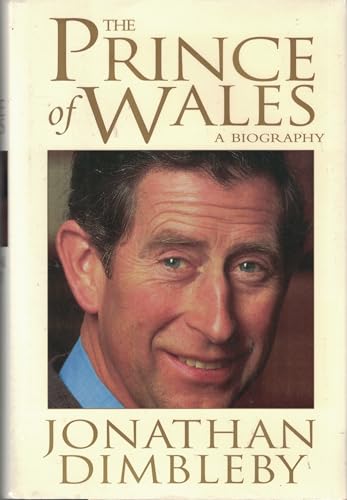
When King Charles sat down with his official biographer, Jonathan Dimbleby, in the early ‘90s, he divulged more than Prince Philip thought was appropriate, according to one royal author. Gyles Brandreth, who has been a friend of the Royal Family for decades, shared that the late Duke of Edinburgh wasn’t thrilled about some of the comments the then-Prince of Wales allowed Dimbleby to publish—specifically about Charles’s childhood.
Brandreth worked alongside Prince Philip for years at one of the royal’s first charities he took on, Fields in Trust, and wrote that the late duke found Charles to be “self-indulgent” and thought his eldest son complained too much. “He felt he spent too much time thinking about himself, feeling sorry for himself, brooding about how tough it was to be the Prince of Wales,” Brandreth added.
Discussing the Dimbleby biography, Philip thought Charles took his “brooding” too far. Brandreth wrote that Prince Charles allowed the biographer “to reveal that the Prince felt ‘emotionally estranged’ from his parents and, all his life, had yearned for the kind of affection that, in his view, they were ‘unable or unwilling to offer.’”
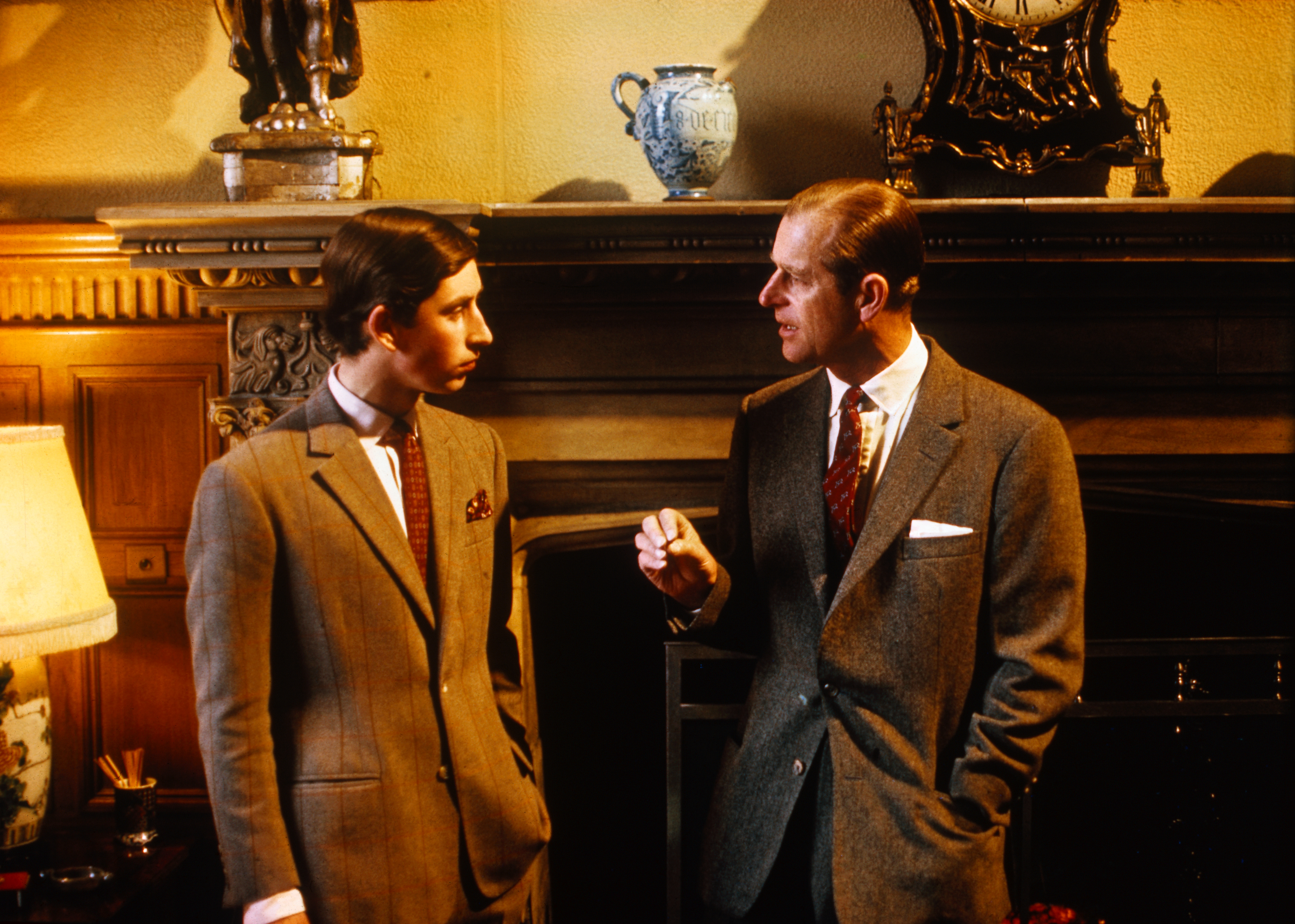
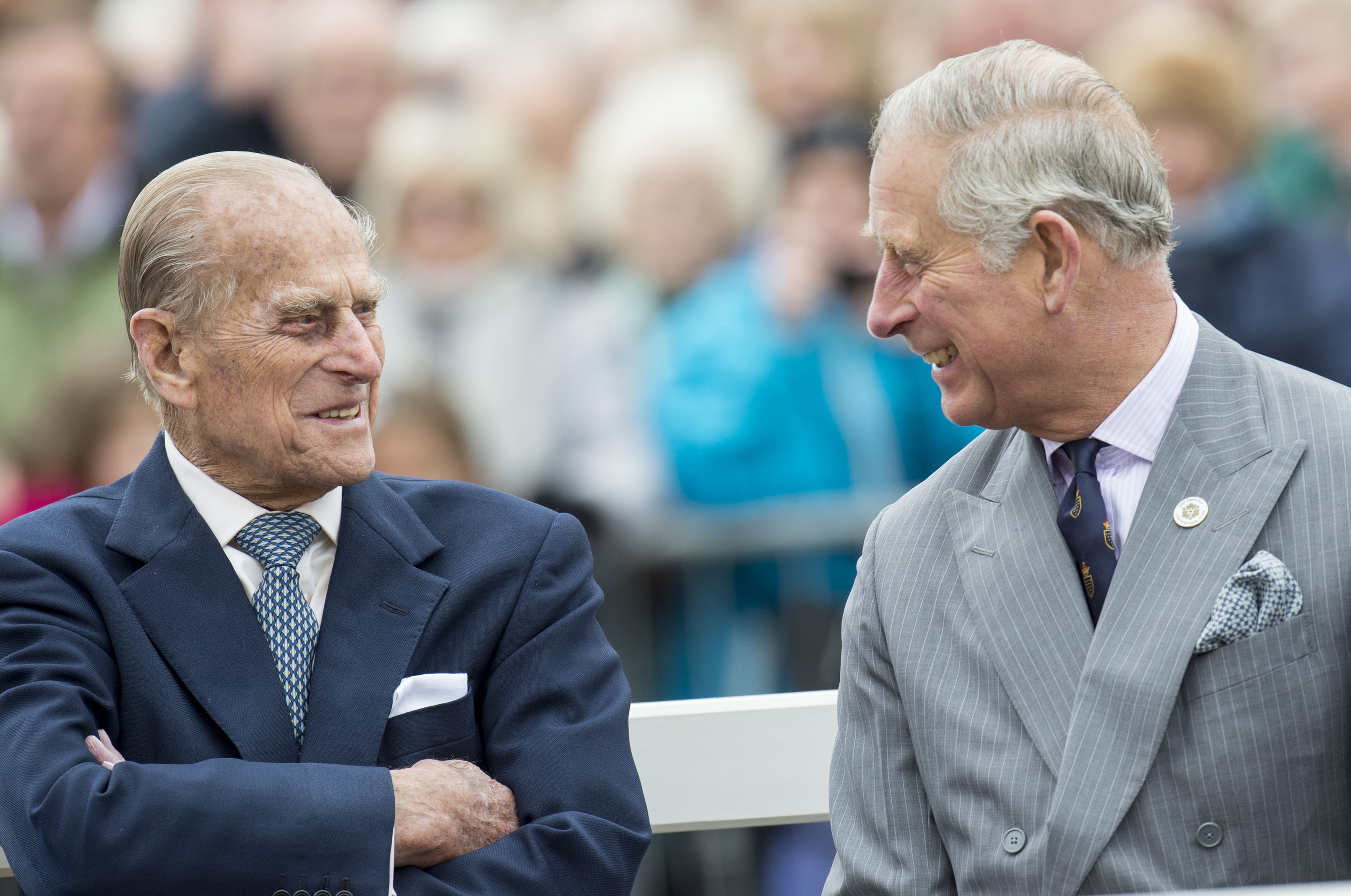
The comments “hurt his parents,” according to Brandreth. “The Queen, of course, said nothing, but I know—because Prince Philip told me—that it “saddened” her,” he added.
As for the duke, it made him “bloody angry,” the author wrote, explaining that Philip “reckoned it was unfair” and “thought it was ‘bloody stupid’ of the Prince of Wales to air his grievances in public.”
The late Queen and Prince Philip were busy working royals when their first two children were young, much like Prince William and Princess Kate. But when Elizabeth became Queen, their schedules became even more frenzied, and as Brandreth noted, the “standards of their class and generation” meant that children were generally raised by nannies, seeing their parents only a few hours per day.
“All that Prince Philip would say to be on the record about his and his wife’s parenting skills was, ‘We did our best,’” Brandreth wrote.
Read on the original site
Open the publisher's page for the full experience