Prince William Could Follow in One European Queen's Title-Stripping Footsteps When He Takes the Throne, Says Diana Biographer
Our take
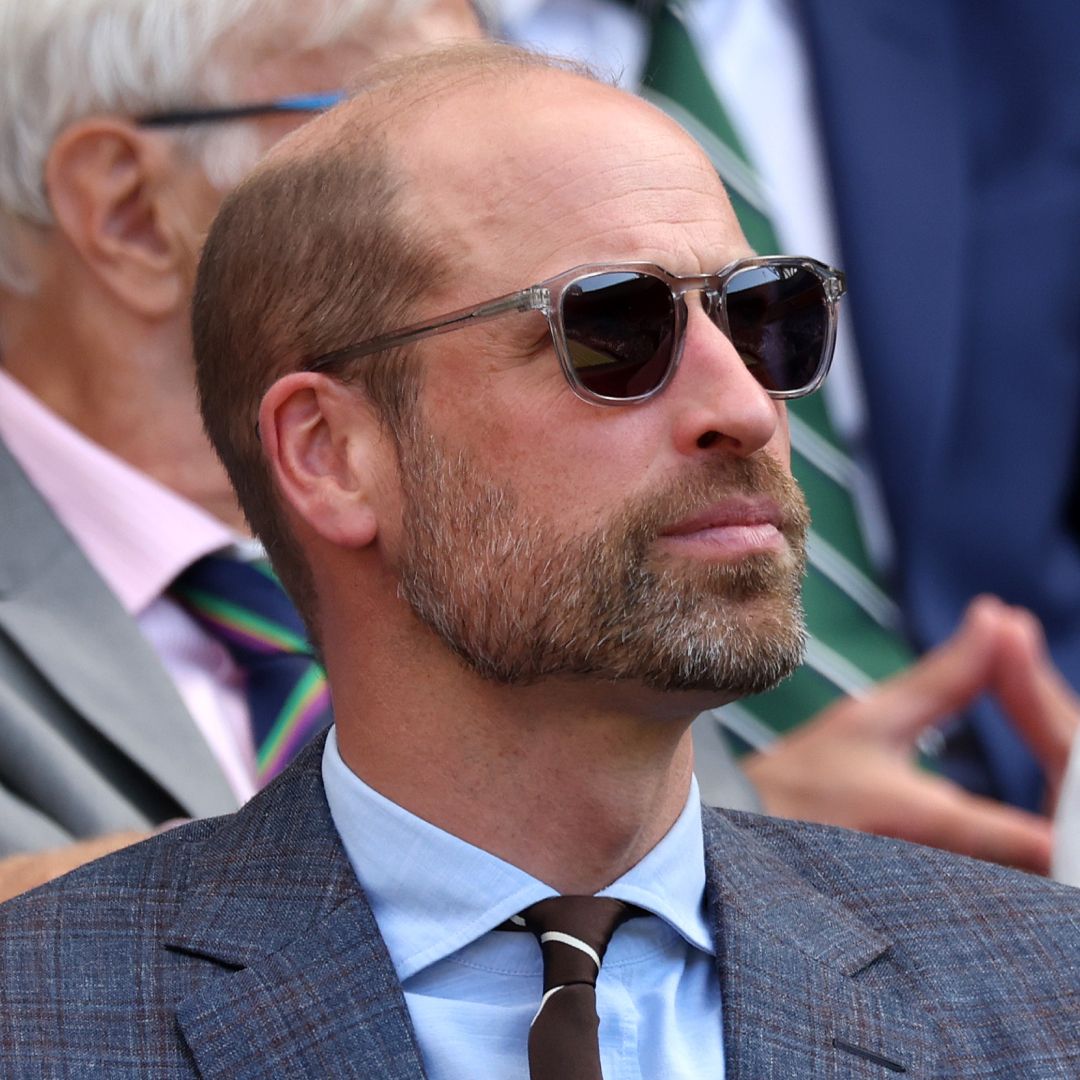
The swirling speculation surrounding Prince William’s future reign continues, and this latest development – the potential stripping of titles for certain family members – adds another layer of intrigue to the ongoing conversation about the monarchy's evolution. Author Andrew Morton's suggestion that William might emulate Queen Margrethe of Denmark, who recently relinquished royal titles from her grandchildren, is significant. It signals a potential shift away from the traditional, often unwieldy, structure of the British royal family. This echoes a broader movement towards streamlining and modernizing royal institutions, as we’ve seen discussed in articles like This Low-Key Young Royal Is Taking a Different Path Than William and Harry, Per Royal Experts, where royal experts highlight a more conservative approach within the family, suggesting a divergence in perspectives on the future. The idea of reducing the number of working royals, and therefore those entitled to titles and public funding, has been gaining traction as a means of demonstrating fiscal responsibility and relevance in a modern era.
The comparison to Queen Margrethe is particularly astute. Her decision, driven by a desire to ensure a more manageable and focused royal house, was widely praised for its pragmatism and forward-thinking approach. Applying a similar strategy to the British royal family, however, would be a far more complex undertaking. The weight of history, tradition, and public sentiment surrounding royal titles is considerably heavier in the UK. It’s a delicate balancing act between acknowledging the symbolic importance of these roles and adapting to contemporary expectations for efficiency and transparency. Consider, for example, the ongoing discussion around the Sussexes' place within the family, as detailed in It's "Unlikely" All of Meghan Markle and Prince Harry's Pets Will Move to the U.K. With Them, Which Might Leave Archie and Lilibet Devastated. Any decision regarding titles will inevitably be viewed through the lens of the ongoing relationship between William and Harry, and the broader narrative surrounding the family's public image. The potential fallout from such a move could be considerable, impacting not only the individuals affected but also the monarchy's standing with the public.
The move would also likely be viewed as a continuation of the modernization efforts initiated by King Charles III, who has already indicated a desire for a smaller, more focused monarchy. While Charles has demonstrated a willingness to adapt, William’s approach, as articulated in his comments to Eugene Levy, suggests an even more proactive and decisive vision. The current financial pressures facing the UK, coupled with a growing skepticism towards the cost of the monarchy, further amplify the need for strategic adjustments. Reducing the number of individuals drawing salaries and benefits from the Crown could be presented as a tangible demonstration of fiscal responsibility, a crucial message in a climate of economic uncertainty. Moreover, streamlining the royal family could allow the core working members to focus on their key roles – representing the nation, supporting charitable causes, and engaging with the Commonwealth – with greater effectiveness. The insights from Former Royal Chef Shares the "Biggest Misconception" About Cooking for King Charles and Family highlight even the seemingly mundane aspects of royal life are subject to scrutiny and efficiency considerations.
Ultimately, Prince William's choices regarding royal titles will be a defining moment for the monarchy. It’s a test of his ability to balance tradition with modernity, public expectations with familial considerations, and the symbolic weight of the Crown with the practical realities of governance. The question remains: will he be bold enough to reshape the royal family in a way that secures its relevance and longevity for generations to come, or will he tread more cautiously, preserving the established order while acknowledging the need for subtle adjustments? The coming years will reveal the extent of William’s vision and its impact on the future of the British monarchy.
Prince William hasn’t been shy about his plans to modernize the monarchy when he eventually takes the throne. In October 2025, the Prince of Wales told actor Eugene Levy that “change for good” was on his “agenda,” and in his recent Substack, royal biographer Andrew Morton wondered if that might include removing titles of some of William’s family members.
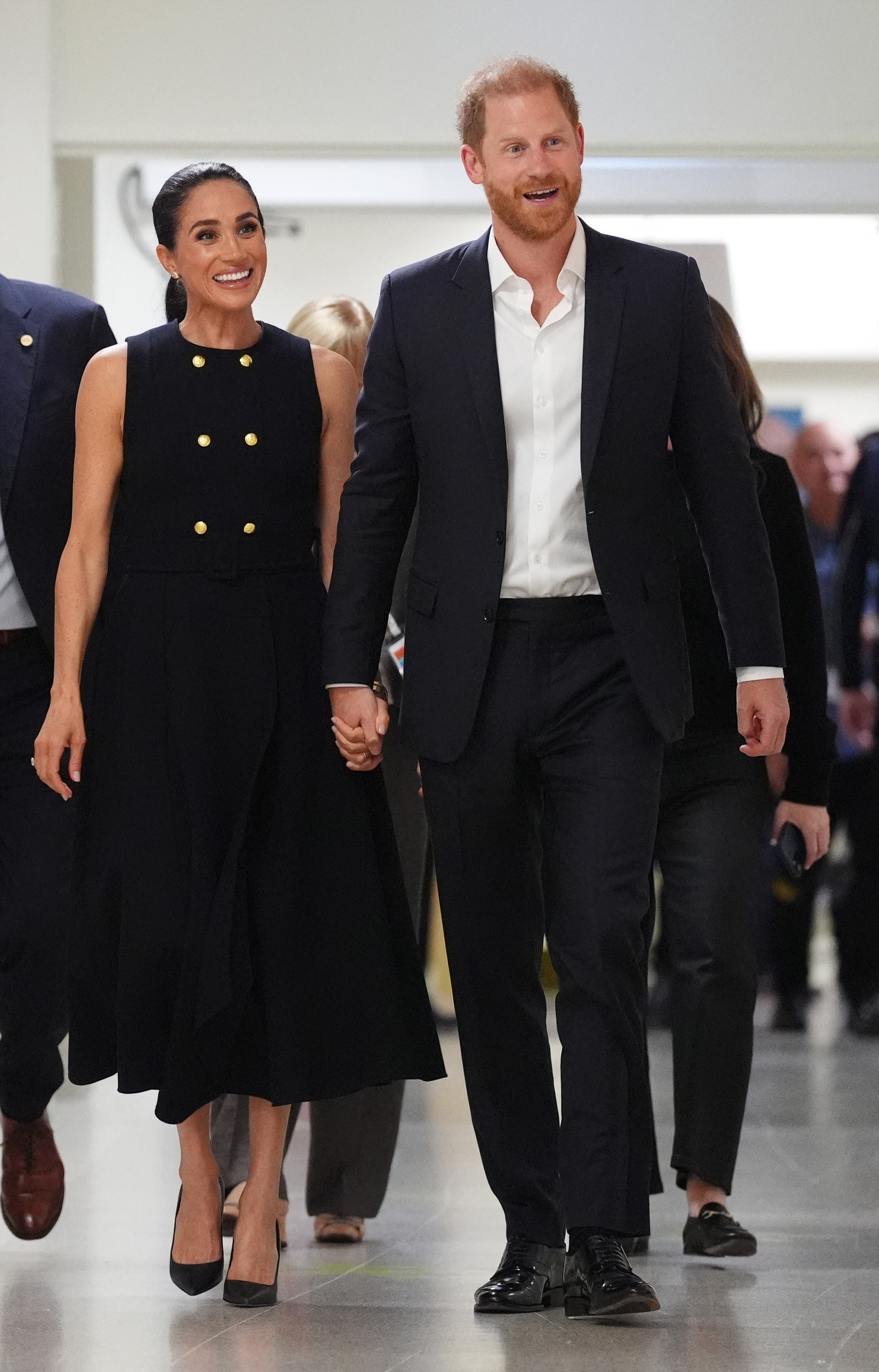
Now that Prince Harry and Meghan Markle will be moving back to the U.K.—at least for the current school year, it seems—Morton wrote that King Charles’s “cautious embrace of his returning prodigal son” will likely ruffle feathers with Prince William.
The brothers haven’t spoken in several years following Prince Harry’s move to America and bombshell memoir, Spare. And with tensions still running high, Morton wrote that the Duke and Duchess of Sussex are now “well on the way to getting what they wanted” of being “half-in, half-out” royals despite Queen Elizabeth’s wishes.
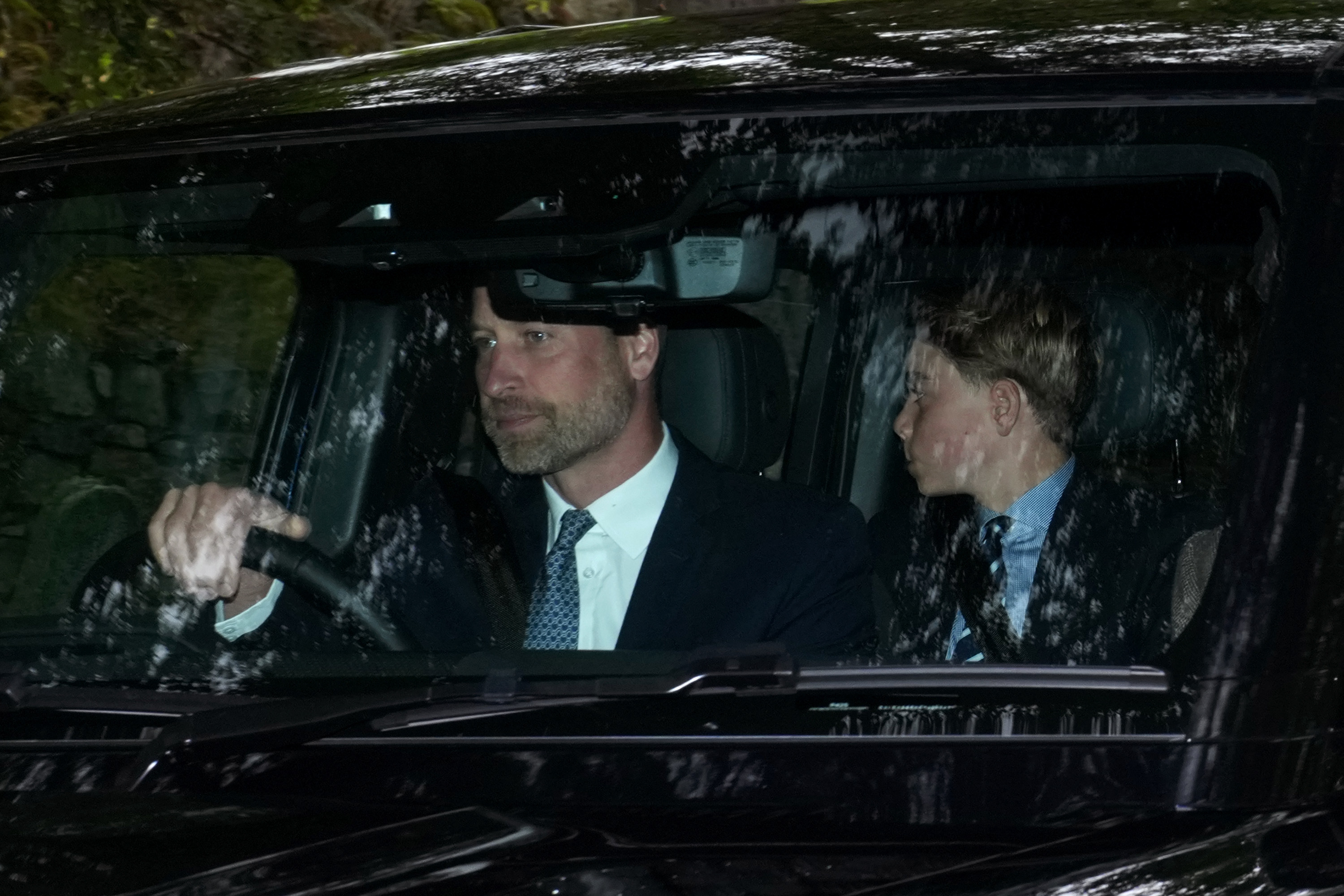
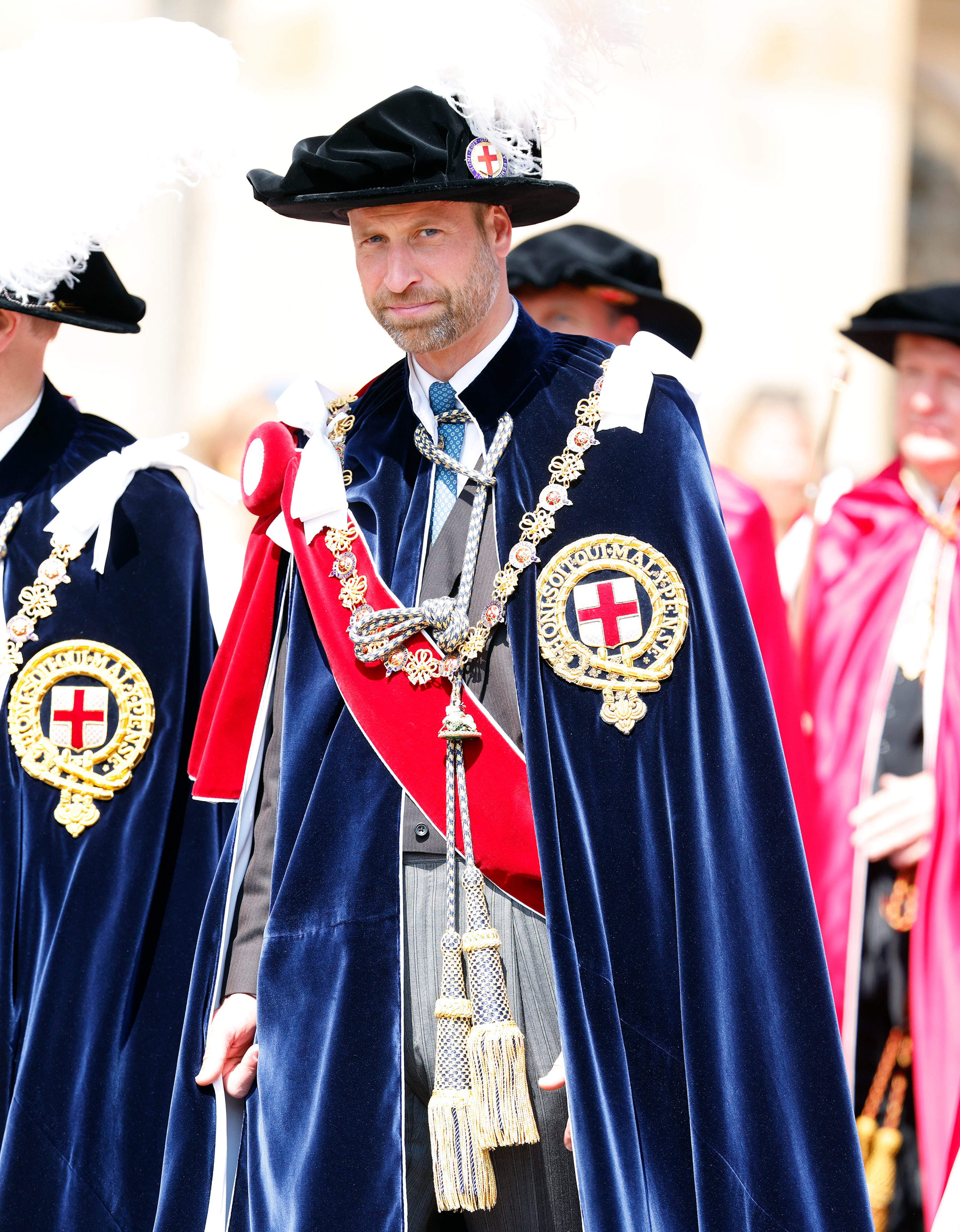
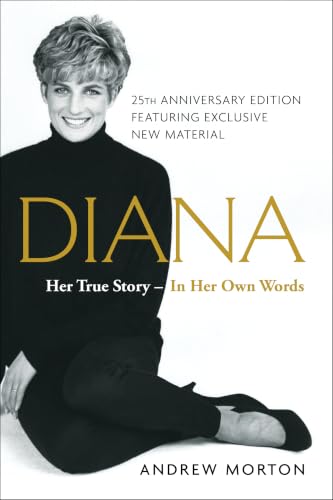
“The only way that Queen Elizabeth II’s decision can now be honoured is if their titles are stripped along with their children,” the Diana: Her True Story—In Her Own Words author wrote.
“Otherwise, they are working royals by proxy with all the freedom and earning power they wanted in the first place,” he added, referencing the couple’s commercial work that they plan to continue while living in the U.K. while also carrying out their private charity work.
Morton pointed to a controversial decision made by Denmark’s former monarch, Queen Margrethe, as an example of the path William might choose to take when he becomes King.
“It’s clear an ailing King Charles will not resolve this irreconcilable tension, but a future King William V may very well follow Queen Margrethe of Denmark, who stripped four of her grandchildren of their royal titles, and remove those of his brother and his cousins Beatrice and Eugenie,” Morton wrote.

Queen Margrethe has two sons, King Frederik and Prince Joachim, and in 2022, she announced that the titles of Joachim’s four children would be discontinued in an attempt to streamline the monarchy.
If Prince William took the same step and removed the titles of Prince Harry and Meghan, along with those of non-working royals Princess Beatrice and Princess Eugenie, Morton says that he’d likely “find a public broadly supportive of such a measure.”
No matter what the Prince of Wales chooses to do in regards to his brother is anyone’s guess. But as Morton noted, “What happens next may surprise us, and it’s quite possible King William V will be all the better for a bit of sibling rivalry as he prepares for the job of a lifetime.”
Read on the original site
Open the publisher's page for the full experience