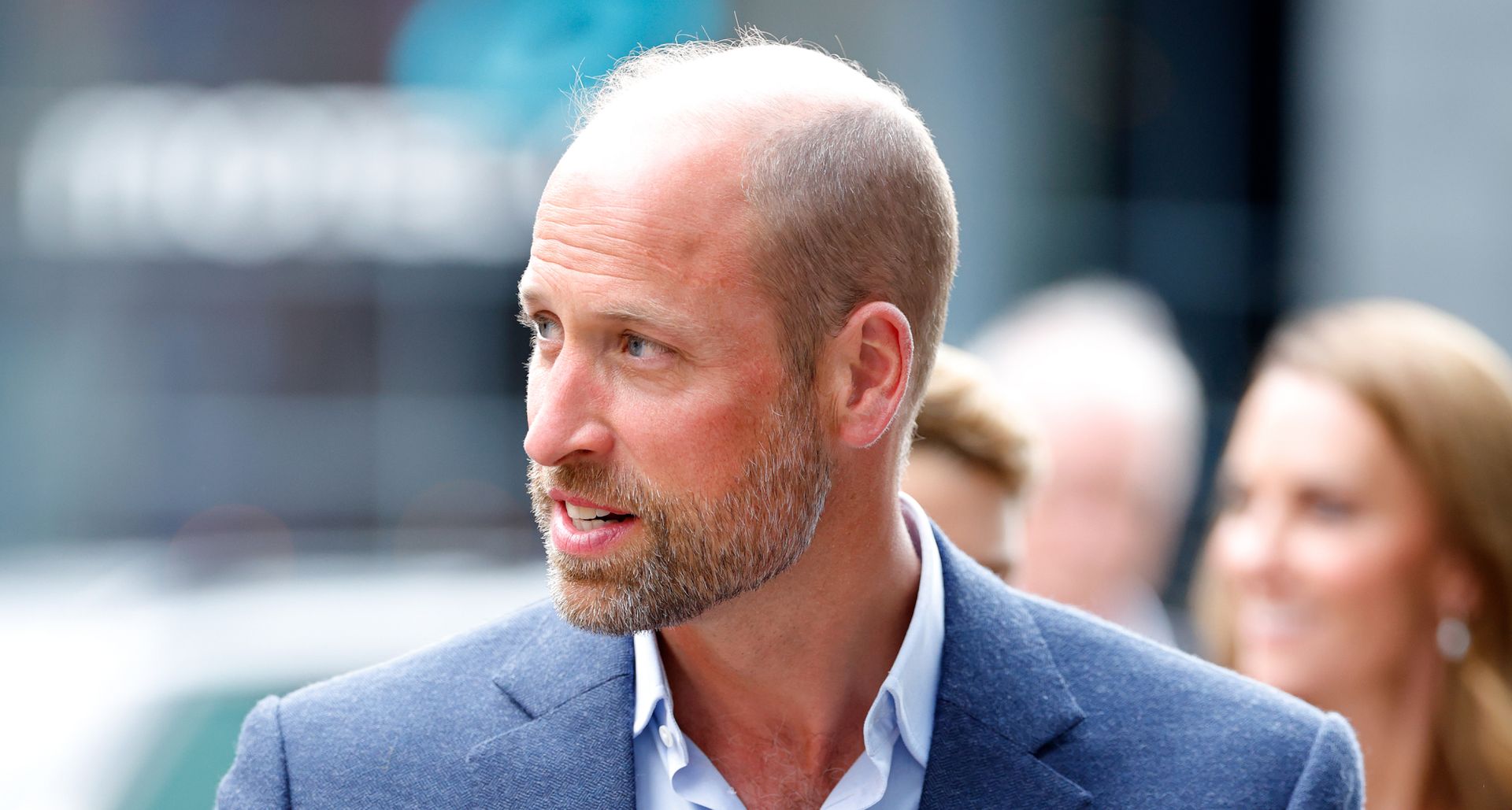
There is something quietly radical about a future king who refuses to assume his inheritance. When Prince William stated in 2022 that he did not automatically expect to become head of the Commonwealth, it was easy to dismiss as diplomatic modesty. But as King Charles embarks on his nine-day Caribbean tour, described by the Times as "almost certainly" the last royal head of the Commonwealth, the Prince of Wales's position carries new weight. Insiders confirm William's stance has not changed. In a world that equates power with grasping, he is choosing restraint. In a monarchy built on continuity, he is leaving room for the Commonwealth to decide its own future. This is not abdication. It is the quietest form of confidence: the willingness to let go of what was never yours to keep.
We have seen this before in William's public life. In our recent piece on Prince William on Grief: Presence Over Silence in Loss, he spoke about the importance of saying something rather than retreating into silence. His Commonwealth position mirrors that same instinct, not to fill every space with inherited authority, but to allow the moment to breathe. And there is a parallel to be drawn with A Quiet Recollection, No Hard Edges, where we explored the grace of holding one's ground without force. William is not fighting to keep a title. He is standing still while the institution around him decides what it wants to become.
For our readers, the takeaway is not about royal protocol. It is about the kind of leadership that does not need to announce itself. King Charles is navigating a difficult tour, facing calls for reparations and apologies, a "safe pair of hands," as his aides describe him, but he is also carrying a legacy that may end with him. William's quiet stance suggests he understands something his predecessors did not: that the Commonwealth's relevance depends on its freedom to choose, not on the weight of a crown. This is not a weakness. It is the self-awareness of a man who knows that influence, unlike inheritance, must be earned.
The question that lingers is not whether William will become head of the Commonwealth. It is whether the institution will want him to. And whether he will still want it when the time comes. We will be watching how the King's tour reshapes the conversation, not for the headlines, but for the signal it sends about what royal leadership means in a world that no longer bows by default.