Princess Diana’s Former Bodyguard Compares the Royal Family to "Traveling Theater" and Shares How She Coped With Her "Performance"
Our take
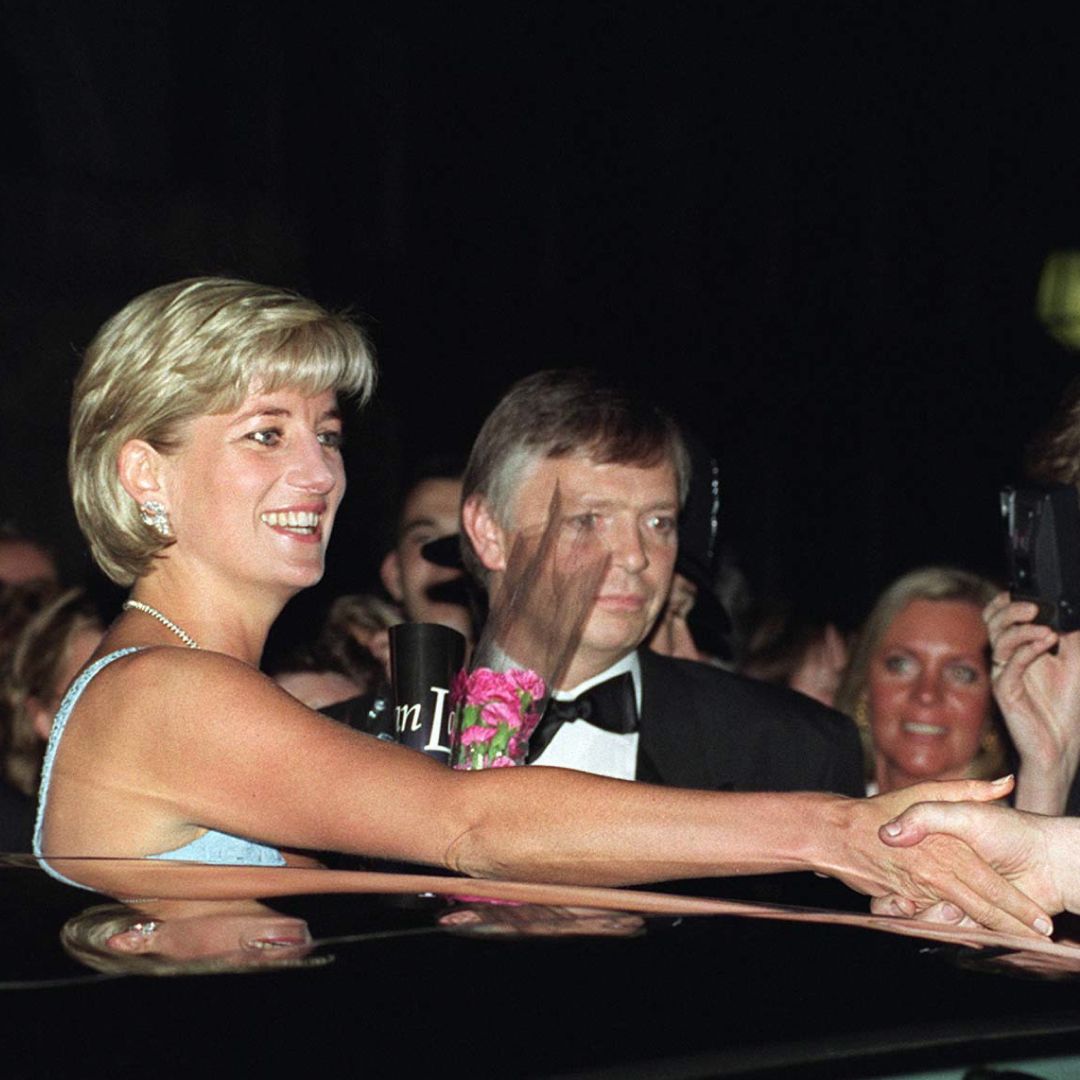
The recent comments from Ken Wharfe, Princess Diana’s former bodyguard, comparing the Royal Family to a “traveling theater” resonate with a deeper understanding of the institution's carefully constructed image and the immense pressure its members face. Wharfe’s observation, that the entire operation hinges on the "performance" of its key figures, feels less like a cynical critique and more like a starkly honest assessment of a system built on tradition and public perception. It's a world where authenticity is often secondary to maintaining an illusion of stability and regal composure. The relentless scrutiny Diana faced, as detailed in Princess Diana’s Edited Stories About Herself, Piers Morgan, highlights the deliberate shaping of narratives, a practice seemingly ingrained within the monarchy. And while public fascination remains high – as evidenced by the continued interest in figures like Sarah Ferguson’s summer retreats, likely funded by her ex-boyfriend Sarah Ferguson's Luxurious Summer Hideaway Was Likely Funded by Her Late Ex-Boyfriend, Says Royal Expert – Wharfe’s words force us to consider the human cost of that spectacle.
The “traveling theater” analogy is particularly apt in an era of unprecedented media saturation. Where once newspapers dictated the royal narrative, now social media offers a constant stream of unfiltered observations, opinions, and, increasingly, criticism. While the Royal Family has attempted to adapt, engaging in carefully orchestrated social media appearances, the inherent artifice remains. Consider the meticulous planning required to achieve the "Balmoral Look," as discussed by a fashion expert in Fashion Expert Shares How to Master Princess Kate and Queen Elizabeth’s Country Chic “Balmoral Look” This Fall. Every element, from the tweed to the wellington boots, is a carefully considered performance designed to project a specific image of rural authenticity and understated elegance. This level of curation, multiplied across every public appearance, underscores Wharfe’s point about the demands of the role. The emotional toll of perpetually “being on,” of suppressing personal feelings and adhering to rigid protocols, must be considerable.
What’s truly striking about Wharfe’s comments is the quiet empathy they convey. He’s not disparaging the Royal Family; rather, he’s illuminating the challenging reality of living within its confines. His mention of Diana’s coping mechanisms speaks to the psychological strategies individuals develop to navigate high-pressure environments where privacy is a luxury and emotional vulnerability is perceived as weakness. The echoes of this resonate beyond the Royal Family, touching on the expectations placed on public figures in any field – from CEOs to influencers – who are often compelled to project an image of unwavering confidence and success. It’s a reminder that even behind the most polished facades, there exists a human being striving to maintain equilibrium in a world of constant scrutiny.
Ultimately, Wharfe’s observation compels us to reconsider our relationship with the Royal Family and the narratives we consume. Are we drawn to the spectacle itself, the carefully crafted illusion of a timeless institution? Or do we yearn for a glimpse of genuine humanity, a recognition that even royalty are subject to the complexities and vulnerabilities of the human experience? As the monarchy continues to evolve in the 21st century, the question remains: can it successfully balance the demands of its “performance” with a growing public desire for authenticity and emotional transparency, or will the weight of tradition ultimately prove too heavy to bear?
Before Instagram and TikTok analyzed every detail of the Royal Family’s lives, the public had to rely on daily newspapers to get their royal fix. For Princess Diana, the news coverage was “relentless,” per her former bodyguard Ken Wharfe, and he tells Marie Claire how the late royal was able to handle the level of interest in her life.
Wharfe, who protected Prince William and Prince Harry before becoming Diana’s protection officer in 1987, shares that the princess “was constantly pursued by the media.”
“I always remember Diana would go down to the kitchens at Kensington Palace, where the chef would lay out the morning's newspapers across the deep freezer,” he says, speaking on behalf of Casino.org. “Inevitably, if she wasn't on the front page, she'd be on pages three, four or five. There would always be a story about Diana—hopefully, and thankfully, about her work—but just as often about the state of her marriage, what her children were doing, and so forth.”
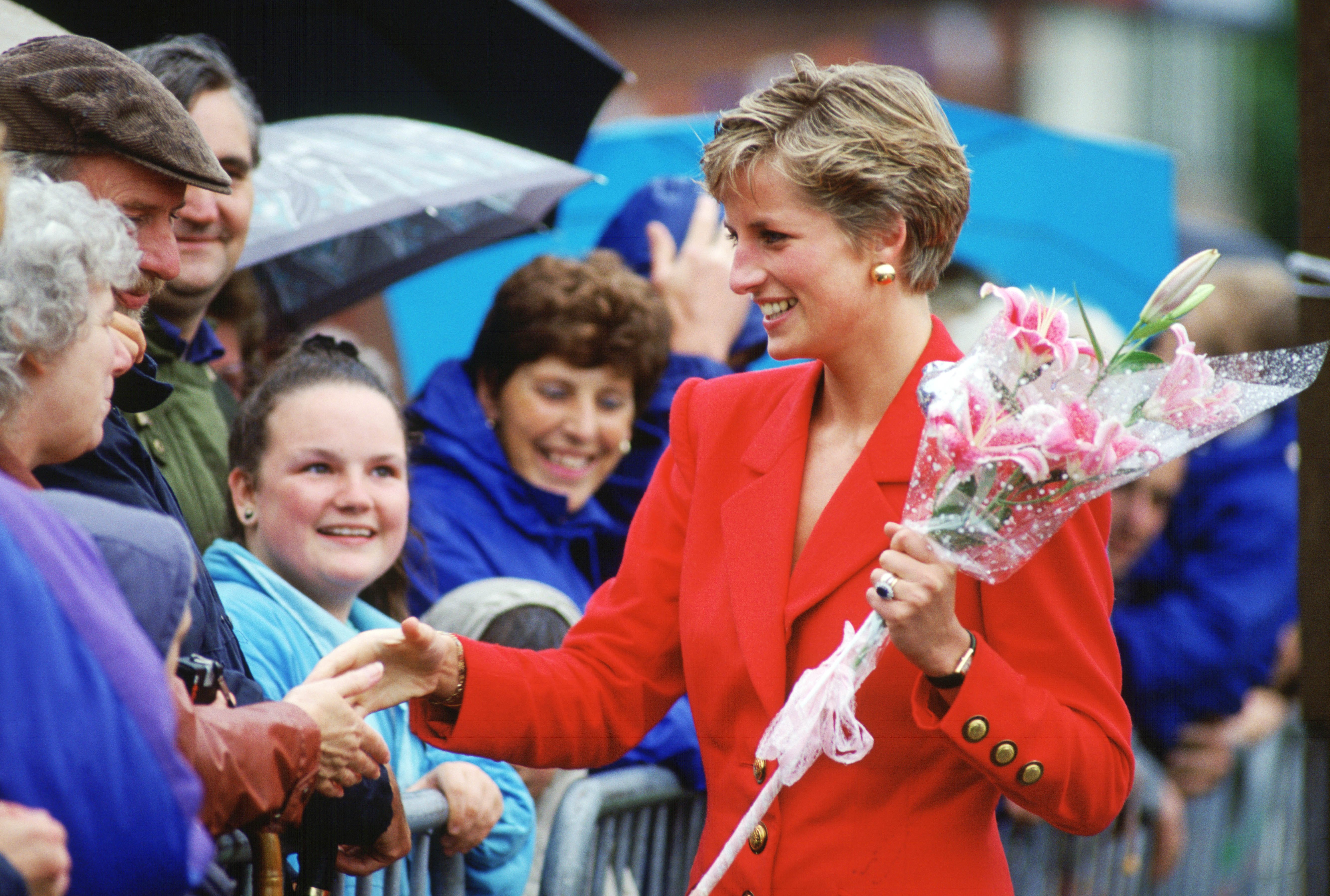
Wharfe shares that even though Diana read all of the stories about her deteriorating marriage, “she lived with it” and “understood it was part and parcel of her job.”
“To read those headlines first thing in the morning, then get into a car or a helicopter, fly somewhere like Manchester, Nottingham, or anywhere else in the world, and immediately perform, that takes a remarkable level of professionalism,” he adds.
Diana kept up a steady stream of royal engagements every week when she was married to Prince Charles, and Wharfe says he “often wondered” about the “toll that constant barrage of newspaper coverage took on her.”
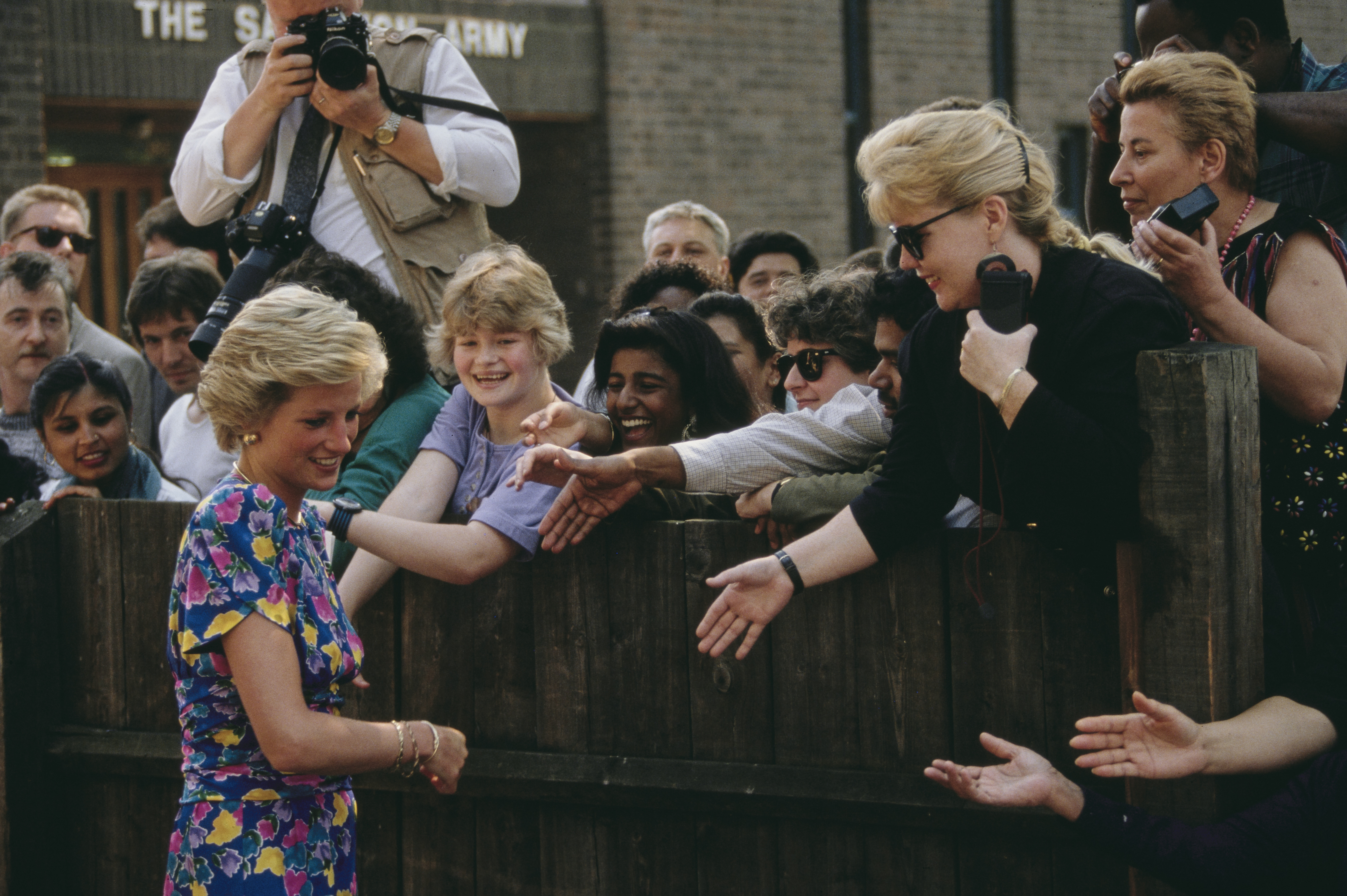
Wharfe recalls traveling with the late princess and wondering if she was “really going to be able to pull this off?” when Diana was going through a tough time, noting that officials “all want their part in the occasion, and if the star of the show isn't performing, the whole thing falls apart.”
However, for Princess Diana, the show needed to go on, even after a tough day.
“The Royal Family is a bit like a traveling theater,” Wharfe shares. “You move from one place to the next, and the moment that door opens, you're on stage. You're only as good as your performance. The more professional your performance, the more popular you become. And in that respect, Diana was exceptional.”
One driving motivation for Diana was not disappointing Queen Elizabeth. “At that particular time, despite the unhappiness of her marriage, her commitment was to Her Majesty the Queen,” Wharfe shares, adding that Diana “was loyal to the workings of the British Royal Family and would never let them down, despite her personal unhappiness.”
Read on the original site
Open the publisher's page for the full experience