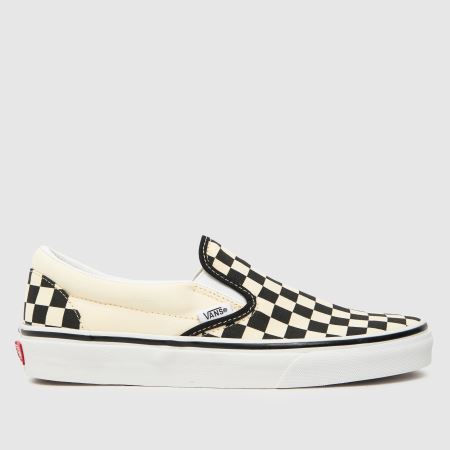
The cyclical nature of fashion is a well-worn truth, but the resurgence of the Vans trainer, as highlighted by the reported 209% sales increase on StockX and Sofia Richie-Grainge’s recent embrace of the trend, feels particularly resonant. It’s a fascinating example of how a style once deemed “dated” can be resurrected, not just by runway designers, but by the cultural zeitgeist and the power of strategic celebrity endorsement. This isn’t simply about a shoe returning; it’s about a feeling – a certain nonchalant cool that aligns with the current shift towards understated luxury and a rejection of overtly flashy trends. We've seen this before, of course; remember the return of low-rise jeans? – though perhaps not with quite this dramatic a sales spike. The broader context is also important: consumers are increasingly drawn to vintage and pre-owned items, a mindset that naturally lends itself to appreciating classic, enduring pieces like the Vans Old Skool or Authentics. It’s a move away from the relentless churn of fast fashion and a greater emphasis on quality and timelessness, echoing the sentiments explored in "I'm a Fashion Editor—These Are the Outfits I'd Wear If I Thought I Was About to Get Engaged," which similarly champions chic, enduring styles over fleeting trends.
The influence of figures like Sofia Richie-Grainge is undeniable. Her carefully curated style, often described as quiet luxury, carries significant weight, particularly amongst a demographic seeking a sophisticated, understated aesthetic. Seeing her adopt what was previously considered a more casual or even youthful trend elevates it, imbuing it with a sense of effortless cool. This is a subtle but powerful form of endorsement; it doesn’t scream "buy this," but rather whispers, "this is part of my world." The trend’s revival also speaks to a broader cultural shift in appreciating authenticity and individuality. The hyper-polished, aggressively branded looks of the early 2010s are giving way to a desire for something more real, more grounded. This aligns with the increasing popularity of brands like The Row, exemplified by Zoë Kravitz's recent choice of their bag at Taylor Swift's wedding, as detailed in “Forget Harry—Zoë Kravitz Brought The Row's Latest It Bag as Her Plus-One to Taylor Swift's Wedding.” Both instances represent a move towards brands that prioritize quality, craftsmanship, and timeless design over fleeting trends and overt branding.
What's particularly interesting is the way this resurgence feels intrinsically linked to a broader rejection of performative trends. The early 2010s were defined by maximalism and a relentless pursuit of the “new.” Now, there’s a sense of fatigue with that constant cycle. Consumers are seeking pieces that feel authentic, comfortable, and versatile – items that can seamlessly integrate into their lives. The Vans trainer, with its roots in skateboarding and casual culture, represents this shift perfectly. It’s not a statement piece designed to draw attention; it’s a reliable, comfortable shoe that can be styled in countless ways. This echoes the more relaxed and effortless approach to dressing explored in “This Controversial Pant Style Is Quietly Taking Over—Here's How We'll Be Wearing It This Summer,” which spotlights the rise of loose and baggy pants as a rejection of overly structured and fitted silhouettes. The emphasis is on comfort, ease, and a sense of personal style.
Ultimately, the Vans trainer revival is more than just a fleeting trend; it’s a reflection of a deeper cultural shift towards understated luxury, authenticity, and a rejection of performative fashion. The 209% sales increase is a compelling indicator of this change, and Sofia Richie-Grainge's endorsement solidifies its place in the current fashion landscape. The question now is: will this resurgence last, and how will other brands adapt to this growing demand for timeless, versatile pieces that prioritize quality and comfort over fleeting trends? The enduring appeal of a classic, well-made shoe suggests that this shift may be more than just a passing phase.