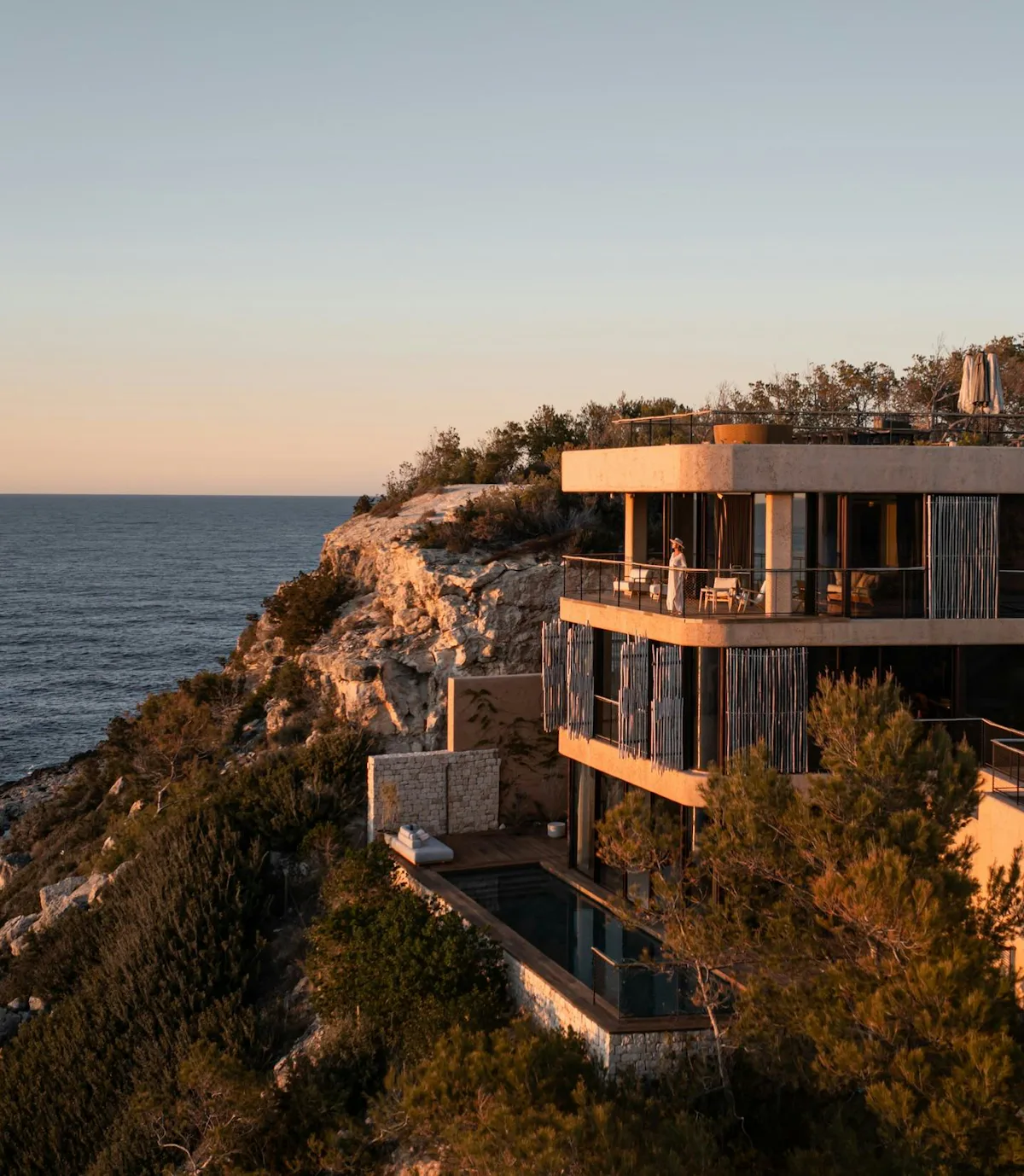
The travel landscape is perpetually shifting, and the emergence of "hushpitality" as a defining luxury trend feels particularly resonant in our current moment. After years of relentless hustle and the performative travel narratives often dominating social media, a collective desire for quietude and restoration is undeniably growing. Hotels are responding, and rightfully so. This isn't merely a fleeting fad; it speaks to a deeper cultural yearning for intentional disconnection and mindful experiences, a desire that aligns perfectly with the growing appreciation for "quiet luxury" aesthetics, much like the timeless hair color trends highlighted in 6 Timeless Hair Color Trends That Suit Everyone—From Cowboy Copper to Quiet Luxury Brunette. The shift away from jam-packed itineraries and towards restorative retreats represents a profound recalibration of what luxury truly means. It’s less about displaying wealth through conspicuous consumption and more about investing in personal well-being and cultivating a sense of serenity. This echoes a broader movement towards prioritizing inner peace and authenticity, a concept explored in greater detail within the fashion sphere, as showcased in The June Fashion News You’ll Want To Bookmark.
The core concept of hushpitality—prioritizing rest, recovery, and quietude—is particularly compelling because it subverts the traditional travel narrative. For too long, the expectation has been to maximize every moment with activities, excursions, and the constant documentation of experiences for social media. This constant stimulation can be exhausting, and the resulting burnout is palpable. Hushpitality offers a counterpoint: a space to simply *be*, to disconnect from the digital world and reconnect with oneself. The design and programming philosophies behind these hotels are therefore crucial. They extend beyond minimalist aesthetics – although that’s certainly a component – to encompass sensory experiences that promote calmness: soundproofing, curated lighting, nature-inspired elements, and programming centered around mindfulness and wellness. It’s a holistic approach that recognizes the profound impact of environment on mental and emotional state. Furthermore, the rise of hushpitality demonstrates a sophisticated understanding of the modern traveler’s needs; it acknowledges that true luxury isn't just about opulent amenities, but about providing a sanctuary from the stresses of daily life. The emphasis on well-being is also mirroring a wider cultural conversation around self-care, as evidenced by the surprisingly practical advice found in The Internet Is Full of Hickey Hacks—Experts Say These Tips Actually Help, demonstrating a broader interest in mindful practices, even in unexpected areas.
The implications of this trend extend beyond the hospitality industry itself. Hushpitality signals a broader shift in consumer values, a move away from superficial displays of wealth and towards experiences that nourish the soul. It's a reflection of a generation that is increasingly attuned to the importance of mental health and well-being, and that is actively seeking ways to prioritize self-care. This also presents a significant opportunity for brands across various sectors – from wellness and beauty to fashion and design – to align with this emerging ethos. The aesthetic associated with hushpitality—minimalist, refined, and understated—is inherently luxurious, but it’s a luxury that is rooted in authenticity and intention. It’s a far cry from the ostentatious displays of wealth that have historically defined the luxury market. It also allows for a deeper level of personalization, as hotels can tailor their offerings to meet the specific needs and preferences of their guests, fostering a sense of genuine connection and belonging.
Looking ahead, it will be fascinating to observe how hushpitality evolves and adapts. Will it become a permanent fixture in the luxury travel landscape, or will it eventually fade as another fleeting trend? Perhaps the most compelling question is whether this focus on quietude will inspire a broader cultural shift towards prioritizing inner peace and mindful living, even beyond the realm of travel. The demand for restorative experiences is unlikely to diminish anytime soon; the way hotels respond—and the extent to which they genuinely embrace the principles of hushpitality beyond surface-level aesthetics—will ultimately determine its long-term success and its impact on the future of luxury.