There is something quietly subversive about finding a $98 Le Creuset tea kettle or a Byredo candle at a price that doesn't make you wince, and this holiday edit understands that the best gifts feel like a secret you're letting someone in on. The premise is refreshingly direct: you do not need to abandon taste to stay within a budget, and you certainly do not need to apologize for wanting both. This is not about settling for less; it is about knowing exactly where to look. The writer keeps a running list on her phone all year, watches for what people actually need, a Barbour scarf for a cousin adjusting to an East Coast winter, a weighted sleep mask for the wellness devotee who already owns the blanket, and then executes with the quiet precision of someone who treats gift-giving as a form of care, not obligation. That kind of intentionality is its own luxury, and it costs nothing. We have seen this philosophy echoed in The season's most intentional gifts, chosen by the quietly chic and explored through a more elevated lens in The Beauty Editor's Edit: Hermès, Victoria Beckham & Kurkdjian Gift Sets, where the price point climbs but the same logic applies: the gift reveals how well you listen.
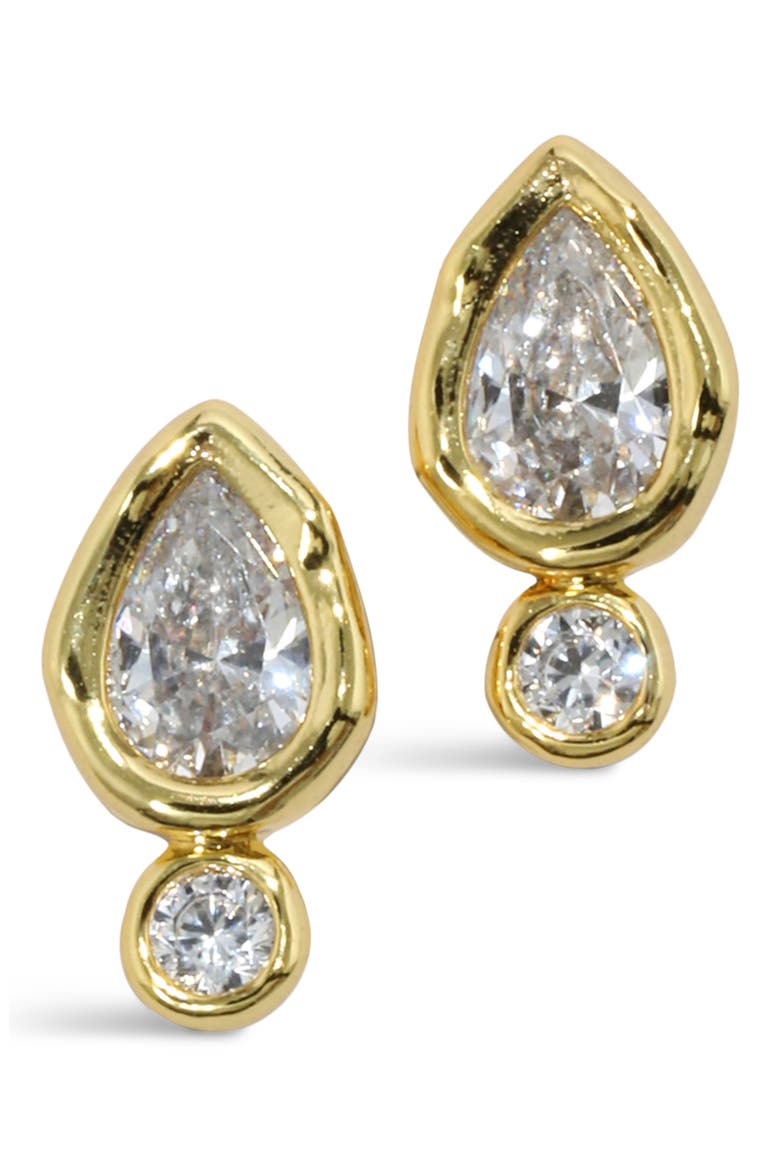
What makes this list feel genuinely useful rather than performative is the restraint. Twenty items, each under $100, and not a single one reads as a compromise. The Alexis Bittar teardrop studs are plated in 14-karat gold, not gold-toned metal; the Nadri hoop climbers have a sculptural quality that would not look out of place next to fine jewelry; the Le Specs sunglasses solve a specific problem, a mother-in-law squinting while driving, without announcing themselves as a problem-solving gift. The writer refuses to buy her friends fake gold, and that small insistence on integrity runs through every choice. She is not hunting for dupes. She is hunting for the real thing at a fair price, and Nordstrom becomes the quiet enabler of that hunt, not because of a sale, but because the pricing is already reasonable. That distinction matters. It shifts the narrative from bargain-hunting to value-seeking, which is a far more refined posture. There is also a lovely honesty in the admission that the Addison Ross salt and pepper grinder may be a gift for herself, self-awareness is part of the charm, and it invites the reader to be equally honest about their own motivations.
The practical takeaway is this: a great gift does not announce its price tag. The Le Creuset mini cocottes with the matching cookbook feel like two presents, not one budget-friendly bundle. The Salt & Stone fragrance mist layers like a second skin and moisturizes, so it does not read as a cheaper alternative to a perfume, it reads as a considered choice. For anyone who has ever felt the pressure to overspend in December, this edit offers permission to do the opposite. The question it leaves us with is not whether luxury can exist under $100, but whether we have been looking in the wrong places all along.