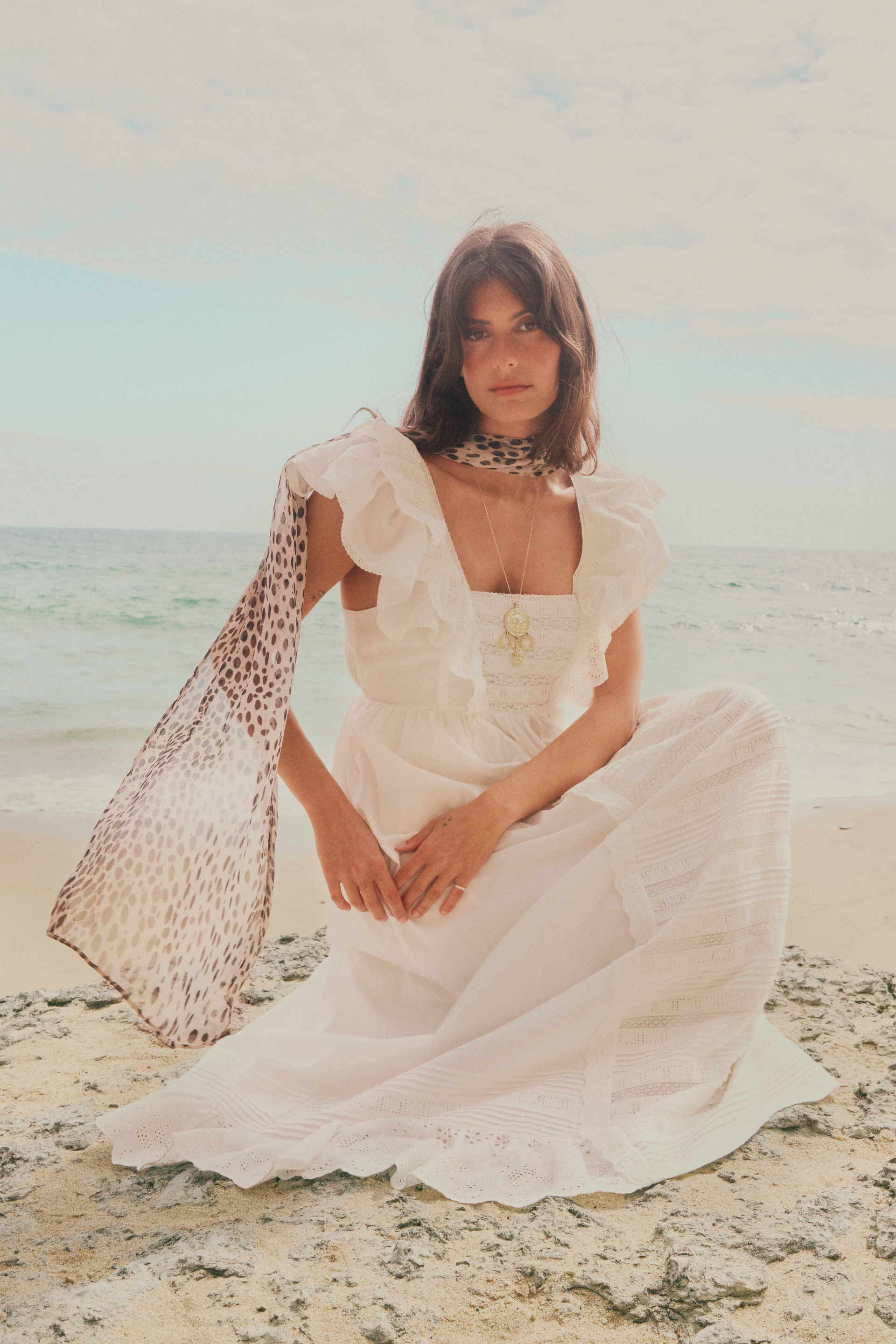
The shift towards minimalist holiday dressing, as highlighted in "Calling All Minimalists! These 5 Classic Holiday Outfit Formulas Scream Pared-Back Chic," feels remarkably aligned with a broader cultural recalibration. For years, the holiday season has been synonymous with maximalism – glittering sequins, bold prints, and an overall sense of opulent excess. Yet, we're witnessing a quiet counter-movement, a desire for intentionality and ease even amidst celebrations. This isn't a rejection of joy, but rather a refinement of how we express it. It speaks to a growing appreciation for timelessness over trend-driven spectacle, and a recognition that true elegance often lies in understated sophistication. The article’s premise – that even a self-professed maximalist can embrace a pared-down aesthetic when traveling – is particularly resonant, acknowledging the practical benefits of streamlined packing while simultaneously tapping into a yearning for mindful consumption. It’s a compelling argument for curating a capsule wardrobe, especially when considering the ease of travel it affords, something we explored further in [Going On a Last-Minute Vacation? These Chic Finds Will Arrive In Time].
The rise of this minimalist aesthetic isn’t occurring in a vacuum. It’s interwoven with the larger trends of quiet luxury, conscious consumerism, and a desire to move away from the performative aspects of social media. The relentless pressure to showcase extravagant lifestyles has, for many, lost its appeal. Instead, there's a growing value placed on authenticity, experiences, and personal style rather than conspicuous consumption. This translates directly into wardrobe choices, favoring versatile pieces over fleeting fads. It’s a move away from chasing the latest micro-trend, and towards building a foundation of classic, high-quality garments that can be mixed and matched for various occasions. Furthermore, the emphasis on “formulas” – the five classic outfit combinations detailed in the article – provides a sense of structure and predictability, which is particularly appealing during a season often characterized by chaos and overwhelm. This approach to dressing also aligns with the sentiment found in [30 Top-Tier Zara, J.Crew, and Aritzia Finds That'll Make Your Life Easier This Summer], demonstrating a desire for practical, well-made pieces that simplify daily life.
The enduring appeal of minimalism, particularly within the fashion space, rests on its inherent versatility and longevity. A well-edited wardrobe, comprised of neutral colors, timeless silhouettes, and high-quality fabrics, transcends seasonal trends and offers a sense of enduring style. This isn’t about sacrificing personal expression; it’s about refining it. It’s about choosing pieces that truly resonate with your individual aesthetic and that can be styled in countless ways. The article’s focus on classic holiday outfits—think tailored trousers, cashmere sweaters, and simple slip dresses—exemplifies this principle. They’re pieces that can be dressed up or down, layered or worn alone, and that will remain stylish for years to come. Moreover, this approach allows for a deeper appreciation of craftsmanship and design, encouraging consumers to invest in items that are not only beautiful but also ethically and sustainably produced. It’s a subtle but significant shift in perspective, moving away from the disposable nature of fast fashion and towards a more considered and curated approach to style. Even petite women are embracing this shift, as illustrated by the curated essentials in [Skirts! Shorts! Stripes! 6 Essentials Petite Women Should Add to Their Holiday Packing List This Summer].
Ultimately, the embrace of minimalist holiday dressing represents a larger cultural shift towards mindful living and intentional style. It’s a rejection of excess in favor of quality, a move away from performance and towards authenticity, and a celebration of timeless elegance. As we move forward, it will be interesting to observe how this trend evolves—will it remain a niche aesthetic, or will it continue to gain mainstream traction? Will brands adapt to this demand for pared-down luxury, or will they continue to prioritize maximalist trends? The answer likely lies in the ongoing conversation between consumers and the fashion industry, a dialogue increasingly shaped by a desire for both style and substance.