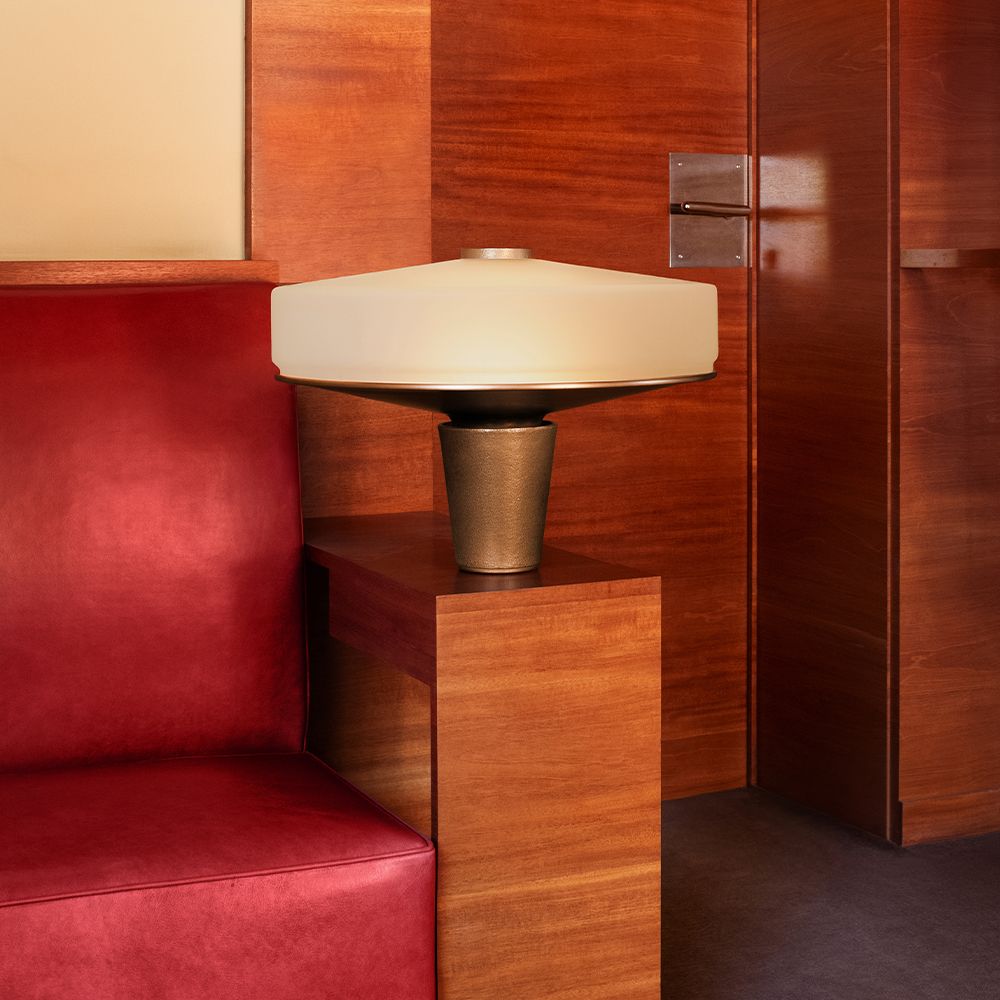
As we move further into 2026, Milan Design Week has once again set the stage for the evolution of interior aesthetics, offering a glimpse into the styles and trends poised to shape our living spaces. The chic updates highlighted in the latest trends reflect a collective desire for spaces that speak to both comfort and sophistication. This year, the focus on integrating nature, embracing sustainable materials, and utilizing innovative design techniques is not just about beautifying our homes; it’s about creating environments that nurture our well-being and resonate with our evolving lifestyles. This sentiment is parallel to the insights found in our recent coverage of fashion, such as 5 Runway Trends From Milan Fashion Week You Need to Know About Now, where we see a similar intertwining of aesthetics and identity.
One of the most prominent trends this year is the incorporation of biophilic design, which emphasizes harmony with nature. This approach is not merely a visual preference; it reflects a deeper understanding of our need for connection to the natural world, especially in urban settings. By integrating organic shapes, natural materials, and greenery into interior spaces, designers are curating environments that foster a sense of tranquility and presence. This trend echoes a broader cultural shift towards mindfulness and sustainability, capturing the essence of living intentionally. Just as in fashion, where the focus shifts towards pieces that tell a story and resonate with one’s identity, the interior design landscape is evolving to prioritize emotional connection and self-expression.
Another striking theme emerging from Milan is the resurgence of artisanal craftsmanship. In a world increasingly dominated by mass production, the desire for unique, hand-crafted pieces is a refreshing counterpoint. This trend not only adds character to spaces but also supports local artisans and sustainable practices. As we curate our living environments, the emphasis on thoughtfully sourced and crafted items invites us to slow down and appreciate the artistry behind each piece. This aligns beautifully with our ongoing exploration of identity in fashion, as articulated in 5 Runway Trends From Milan Fashion Week You Need to Know About Now, where the focus on individuality and craftsmanship is equally paramount.
Moreover, the trend of minimalism continues to evolve, moving towards a more layered and textural approach. This year’s designs embrace an eclectic mix of styles while maintaining a sense of cohesion through color palettes and materials. The idea is not to strip away personality but to celebrate it, inviting us to create spaces that are a true reflection of who we are. This mirrors the ethos of modern femininity, where strength lies in subtlety and intention, and resonates deeply with those seeking to curate a lifestyle that feels both aspirational and attainable.
As we immerse ourselves in these trends, it’s clear that the future of interior design invites us to rethink the spaces we inhabit. The evolution is not just about aesthetics; it’s about crafting environments that enhance our well-being and reflect our values. As we look ahead, one must ponder how these interior trends will continue to influence our sense of self and the way we connect with our surroundings. How will we embrace these updates to not only beautify our homes but also enrich our daily lives? The intersection of comfort, artistry, and sustainability in our spaces promises to be a compelling narrative in the years to come.