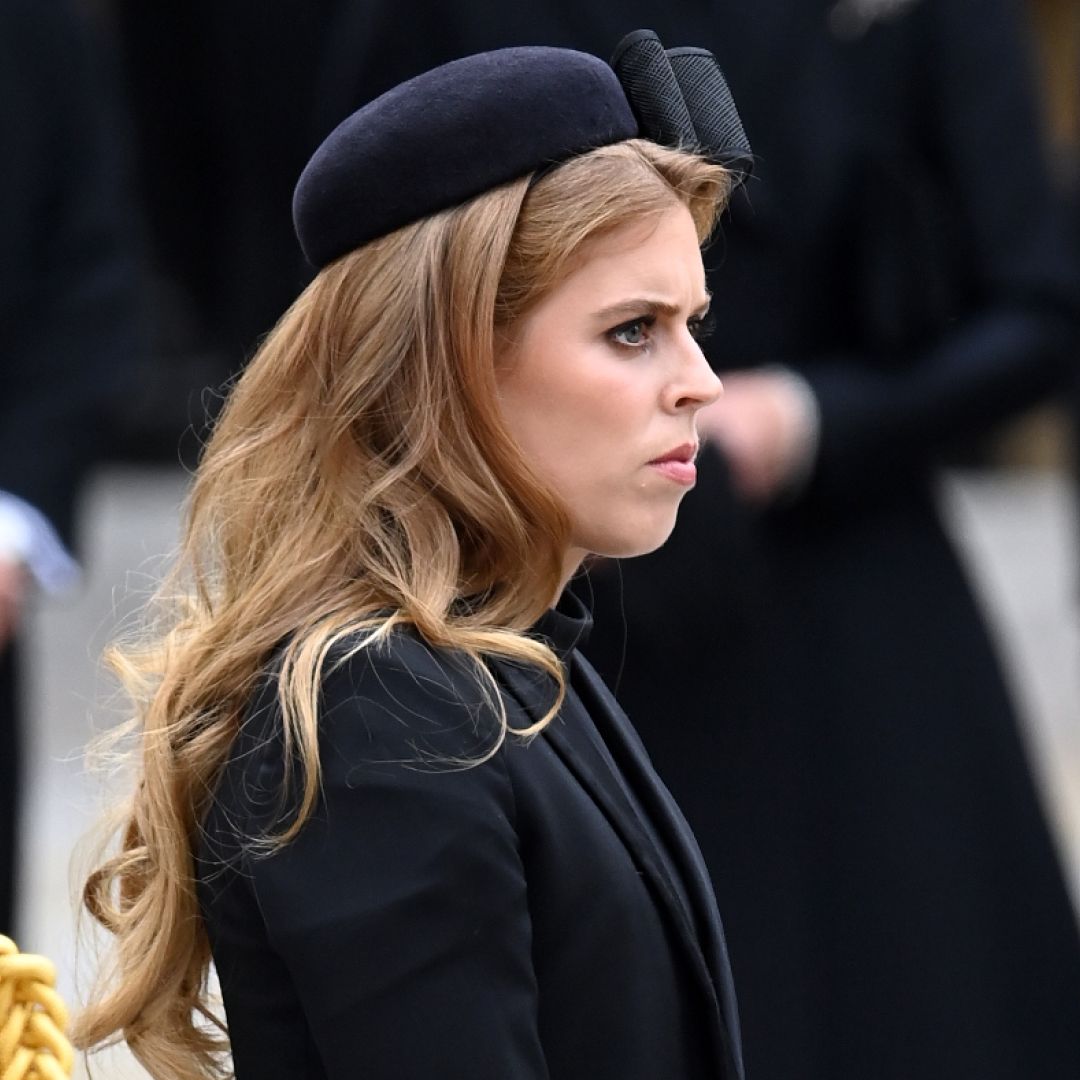
There is a particular power in not showing up, and Sarah Ferguson, the former Duchess of York, understands this implicitly. Her absence from the funeral of her close friend Paddy McNally, following her last public appearance at the Duchess of Kent's funeral in September 2025, is not a lapse in duty or a sign of social retreat. It is a deliberate, quiet statement. In a world that equates visibility with loyalty, her choice to grieve away from the cameras reframes our understanding of presence. It suggests that the deepest forms of respect are often paid in private, away from the transactional nature of public mourning. This is the quiet luxury of emotional integrity: the refusal to perform sorrow for an audience.
We often mistake attendance for devotion, but true connection rarely requires an audience. The same thread runs through the The Sovereign's Quiet Ritual of Resourceful Royal Soaks, where the monarchy's private frugality speaks louder than any public display of wealth. It is a reminder that character is revealed in the small, unseen choices we make, not in the grand spectacles we stage. For our readers, this is a quiet permission slip. You do not have to perform your grief, your joy, or your loyalty to prove it is real. The people who matter to you already know. The most powerful thing you can say is often nothing at all, and the most powerful thing you can do is simply be absent when the world expects you to perform.
This is not a retreat from life but a deeper engagement with it. Consider how Diana, Drawn to Reinvention, Received a Proposal from Across the Atlantic was defined by a "mischievous attraction to reinventing herself." Reinvention is not about changing who you are, but about shedding the versions of yourself that others have imposed. For Sarah, stepping back from the public eye is its own form of reinvention, one where she reclaims her narrative from the headlines. It is a lesson in self-containment. When we stop measuring ourselves against the expectations of others, we create space for genuine connection. A Lingering Wish: Exploring King Charles’ Enduring Hope speaks to a desire that "burns still," a reminder that our private hopes often outlive our public duties. Sarah's absence is not a void; it is a space filled with memory, respect, and a love that does not need to be seen to be felt.
What we would tell a reader who asks us about this is simple: pay attention to what is not being shown. The next time you feel the pressure to show up and perform, ask yourself who you are really serving. Is it the person you are honouring, or your own need to be seen as good? Sarah's choice is a masterclass in boundary-setting, a reminder that you can honour a relationship without sacrificing your own peace. The takeaway here is not about royal protocol; it is about personal sovereignty. The question to watch is not when Sarah will reappear, but rather what she will do with the silence once she returns. That answer will tell us more about her character than any public appearance ever could.