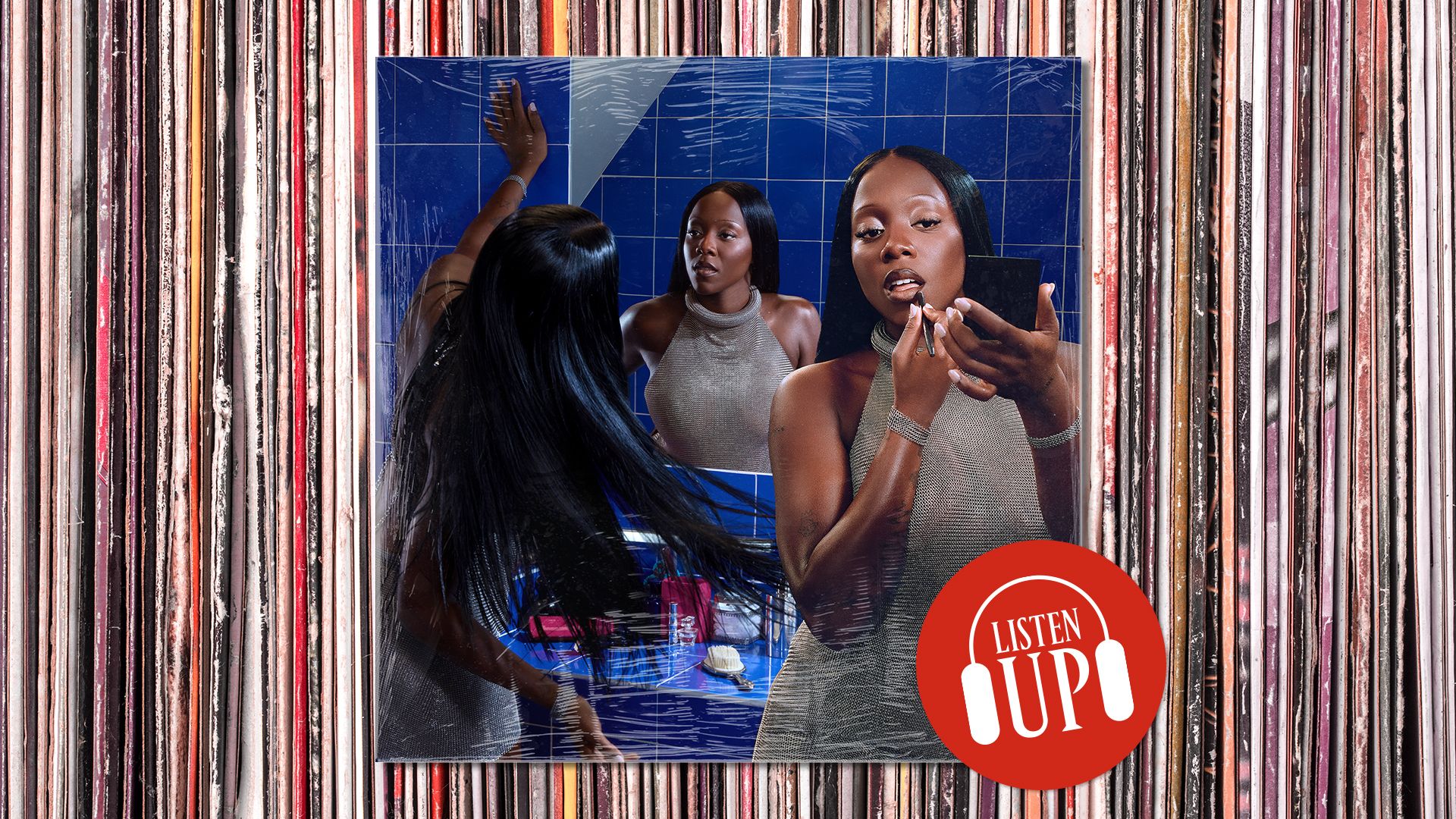
There is something quietly radical about a young woman who admits she may have spoken too soon. Rachel Chinouriri's sophomore album, *I think I spoke too soon*, is not a collection of polished anthems designed to prove her growth; it is a deliberate unraveling of the self she thought she understood. We find this kind of emotional honesty more compelling than any perfectly curated narrative, and it is precisely why her work resonates beyond the charts. In an era where we are constantly told to project confidence, Chinouriri offers something rarer: the courage to say, "I was wrong about who I am." This is not a confession of failure but an act of reclamation, one that feels as intentional as the quiet shift from a classic black coat to something more personal, like the Five coat alternatives that feel more intentional than black we recently explored, where the choice is about mood, not uniformity.
What makes Chinouriri's journey so arresting is the alchemy she performs on stage, transforming what she calls a "group of traumatized people" into a community searching for happiness within the mess. Her music does not pretend the mess is gone; it dances through it, alternating between disco, shoegaze, and indie-rock as she spirals through realizations about cycles she cannot break. This is the same sensibility that makes a 23 Fresh French Manicures for a Quietly Chic Winter feel quietly powerful, it is not about erasing imperfection but about finding a refined expression for it. Chinouriri's admission that she is now sober, and that she returns to the stage to share the lesson that harmful cycles can be broken, lands not as a pronouncement but as a soft invitation. She is not selling redemption; she is modeling presence.
The specific textures of her inspiration, from the aching strings of Nicholas Britell's "Agape" to the raw energy of Bloc Party, reveal a woman who curates her inner world with the same care she applies to her sound. She speaks of wanting to have experienced the indie sleaze of the 2000s or the '90s as a preteen, yet she does not dwell in nostalgia. Instead, she channels that longing into a present-tense relationship with her audience, especially the Black teenage girls she hopes see themselves in her. "Oh, she's cool," she prays they think. That is the quiet luxury of her brand of artistry: it is not about being the loudest voice in the room but about being the one that feels true. She is a taste-maker in the same way a Duchess’s Loafers from Boden’s Quiet Cyber Week Edit are, elegant, understated, and chosen because they fit the life you are actually living, not the one you are performing.
The most concrete takeaway from Chinouriri's evolution is this: we do not have to be the person we announced ourselves to be. Her album title is not a defeat; it is a permission slip to revise our own narrative. As she prepares to open for Gracie Abrams's U.S. tour, the question she leaves us with is not whether she has figured it out, but whether we can forgive ourselves enough to begin again. That is the point worth watching, not the next single, but the quiet, ongoing act of becoming.