Rachel Zoe On Life As A Housewife, Aging, & The Art Of Reading A Room
Our take
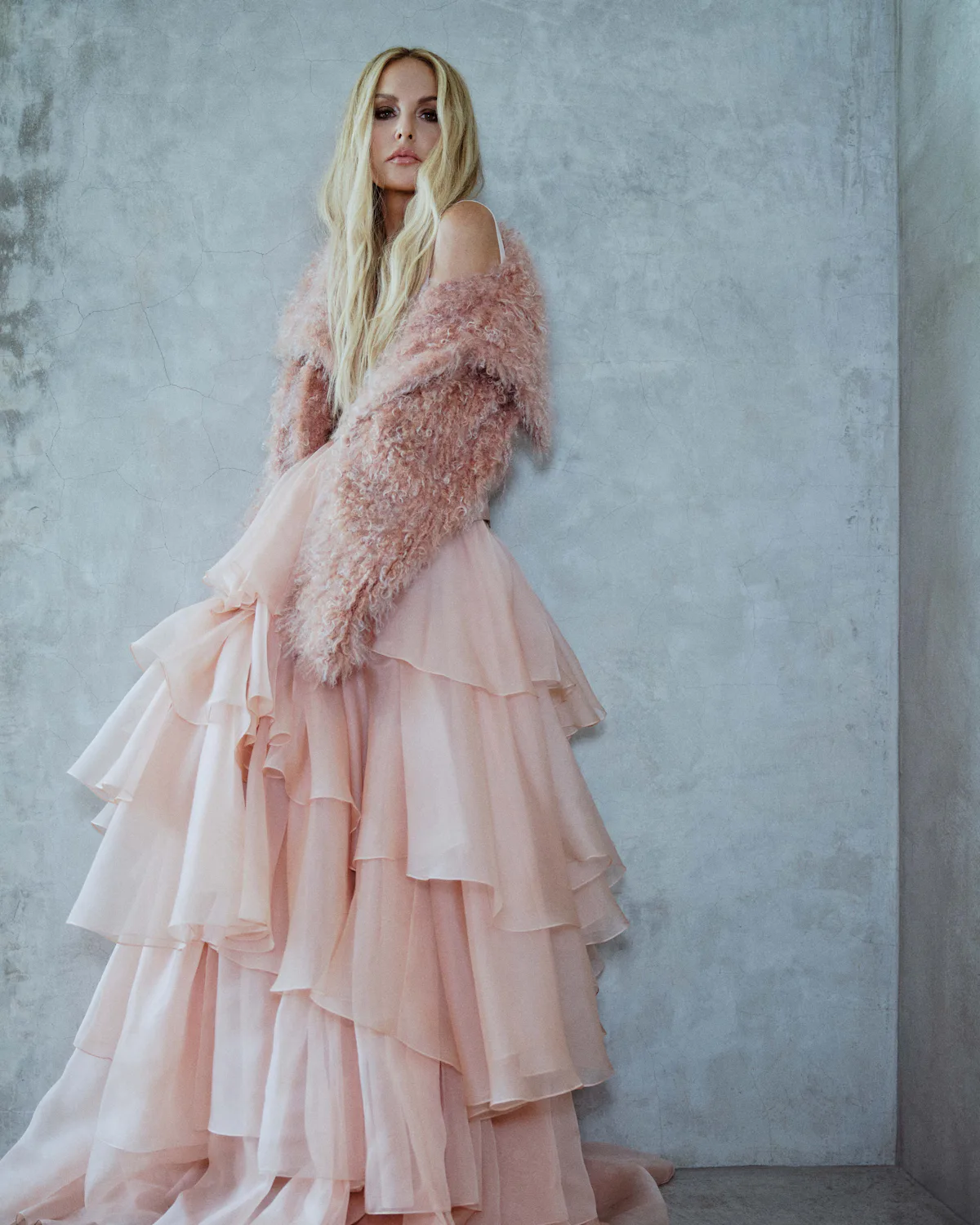
Rachel Zoe’s transition from influential stylist and founder of The Zoe Report to Bravo Housewife is, on the surface, a curious evolution. For years, she cultivated an image of refined elegance and impeccable taste, a purveyor of classic Hollywood glamour. The Zoe Report itself became a trusted source for discerning readers seeking elevated style advice and curated trends – a space where confidence was built through thoughtful choices, as explored in How 6 Women Inject Personal Style Into Their Office Uniform. Zoe’s brand, and the publication she built, championed a quiet authority, a sense of knowing how to dress and live well without needing to shout about it. This shift into the often-chaotic world of reality television, with its inherent need for drama and spectacle, feels like a deliberate recalibration of her public persona, one that invites a deeper examination of her brand and its continued relevance. It's a fascinating parallel to how Betsey Johnson, whose influence on joyful self-expression we recently celebrated in How Betsey Johnson Influenced Generations Of Women To Dress For Joy, demonstrated that personal style can exist across vastly different platforms.
Zoe's comments regarding aging, particularly her emphasis on “agelessness” and a refusal to embrace the natural progression of time, are noteworthy within the context of the fashion industry. While the desire to maintain a youthful appearance is understandable, her stance risks reinforcing unrealistic beauty standards and contributing to the pressure women feel to defy aging. This conversation is particularly poignant given the industry’s ongoing need to re-evaluate its inclusivity practices, a topic we recently explored with a panel of disability advocates in The Fashion Industry Has A Lot To Learn From Disabled People. The conversation surrounding age and beauty is intrinsically linked to broader discussions of representation and acceptance – and Zoe's perspective, while perhaps stemming from a place of personal experience, warrants a critical lens. Her willingness to discuss it, however, is a step towards acknowledging the complexities of navigating the fashion landscape as a woman of a certain age. It's a moment of self-awareness, albeit one delivered with her signature dramatic flair.
The revelation that she'd return to styling for one particular celebrity – described only as “the ultimate icon” – speaks to the enduring power of her creative vision. It's a subtle reminder that despite her foray into reality television, her core identity remains that of a stylist, a curator of image, and an arbiter of taste. This hints at a potential strategy: to use the platform of Bravo to re-establish her authority in the fashion world, to demonstrate that her eye for style remains sharp and relevant, even amidst the manufactured drama of a reality show. The reality television format, for all its drawbacks, offers a unique opportunity for exposure and visibility, and Zoe seems to be leveraging it to her advantage, albeit in a way that remains consistent with her brand of understated elegance. It’s a gamble, of course; the inherent performativity of reality television could dilute the carefully cultivated aura of effortless sophistication she’s spent years building.
Ultimately, Rachel Zoe’s move to Bravo represents a fascinating experiment in brand evolution. It’s a test of whether an image built on quiet luxury and refined taste can successfully translate to the world of reality television. The success of this venture will depend on her ability to maintain a sense of authenticity and self-awareness, to navigate the demands of the format without sacrificing the core values that have defined her brand. Will she be able to retain her position as a style icon while simultaneously embracing the chaos of reality television? And more importantly, will her audience – those who have long admired her for her quiet confidence and discerning taste – follow her on this unexpected journey? The next season of Bravo’s newest housewife promises to offer some illuminating answers.
I have a clear memory of my first day at The Zoe Report. It was a particularly warm LA day in May some 10 years ago, and I was in the midst of an onboarding session at the Rachel Zoe offices on Melrose Avenue with my then-boss Nicky Deam. We were chatting workflow and style guides in the office’s kitchen — which often served as a makeshift workspace if the conference rooms were taken — when Rachel Zoe herself strutted in, a flurry of signature faux fur, layered necklaces, bell-bottomed trousers, platform heels, and tumbling blonde waves. She clearly wasn’t going to let a little weather get in the way of the retro-bohemian uniform that fans had come to know and love from her pioneering Bravo reality show, The Rachel Zoe Project. In fact, it’s this unapologetic commitment to personal style — as well as her fast-moving fashion career as a celebrity stylist — that first drew me in as a 20-something journalist. I knew I wanted to work for someone who didn’t just dress for the moment but owned it. I knew I wanted to work for Rachel Zoe.
When I mention this core memory to Zoe a decade later, she admits to looking back on the woman she was then with both warmth and disbelief. Some things are very much the same: “I mean, listen, I think my uniform is never going to change, right? It’s how I’m most comfortable,” she tells me. “I’m always going to grab a pair of flared pants, throw on some kind of camisole, and faux fur. I think I literally wore that last night or yesterday.”
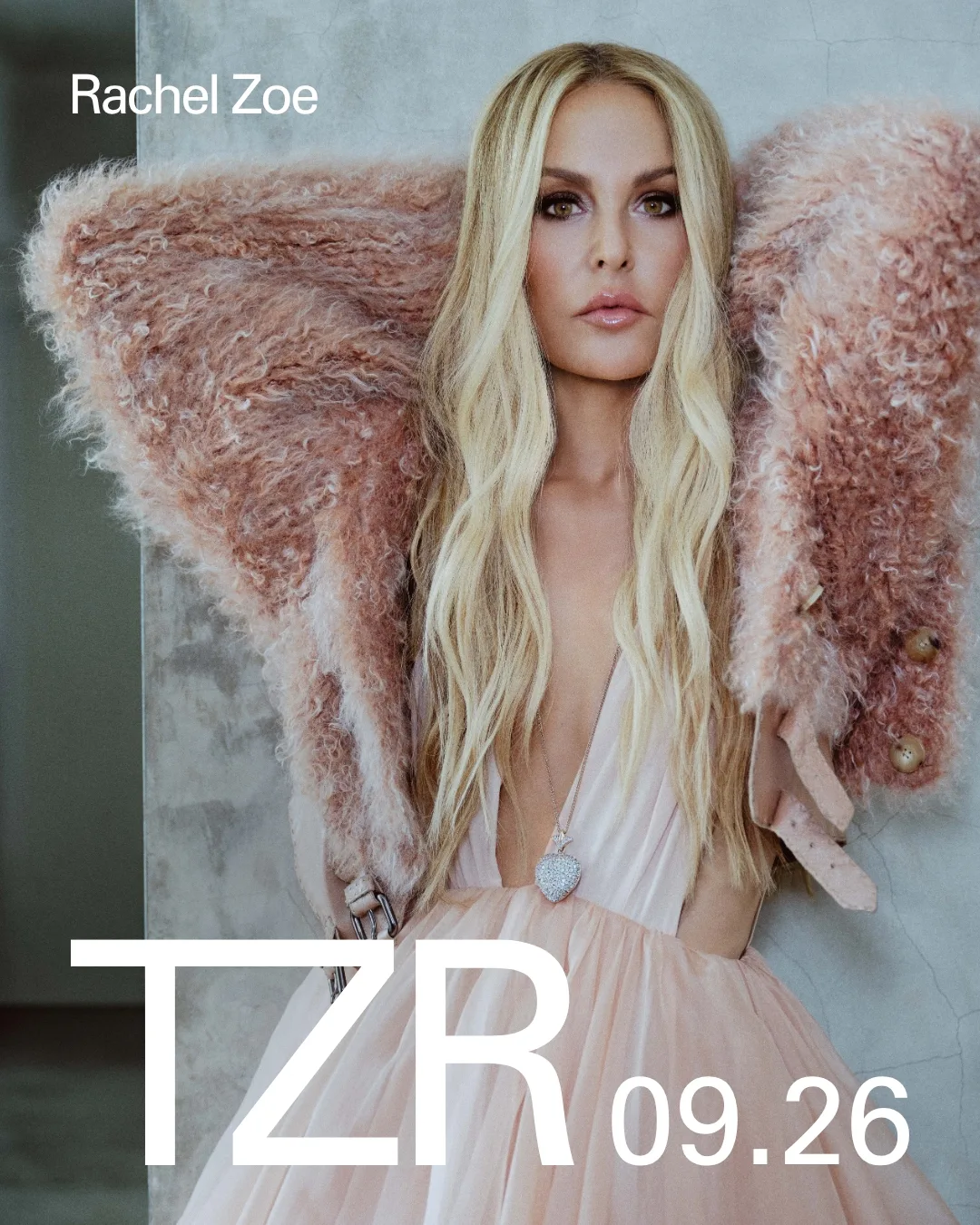
But of course others have very much changed. Work looks different: Zoe largely stepped away from celebrity styling in 2015 and sold The Zoe Report to BDG in 2018 (although she remains involved as founder and editor-at-large, and — this season — our cover girl); last year, the investment group Gordon Brothers took a majority stake in her namesake lifestyle brand (she now serves on the board and as chief creative officer). Home looks different, too: In 2024, she split from her husband of 26 years and business partner, Rodger Berman, with whom she has two children, Skyler, 15, and Kaius, 12. “I think I’m a little more comfortable in my own skin and my own body right now — just meaning I care less, if that makes sense,” she says. “I care less about people’s judgment. And that I think comes with age and experience.”
Zoe is embracing her new normal by doing what she’s always done best: work. She’s currently juggling “about 20 jobs” — chair of VC firm Rachel Zoe Ventures and chief color director of nail brand Essie among them — and style director for luxury vintage retailer What Goes Around Comes Around. Last summer, she also rekindled her relationship with Bravo as a new cast member of The Real Housewives of Beverly Hills.
Her deadpan honesty about her life post-divorce — not to mention a fresh slew of Zoe-isms (“like f*cking basta!”) — have won the style expert a new fanbase in the reality TV universe. “So many people are like, ‘I feel like you’re just yourself on the show,’” she says. “I’m like, ‘Well, it’s literally all I know how to be, and I can’t really fight that.’ I’m not an actor, and I am who I am for better or for worse. Ultimately I think you just get to a point in your life where you don’t dress for other people — you dress for how you feel when you walk out the door.”
Ahead, I sit down with Zoe for a candid discussion about her reentry into TV stardom, life as the mom of teenage boys, and the state of celebrity styling.
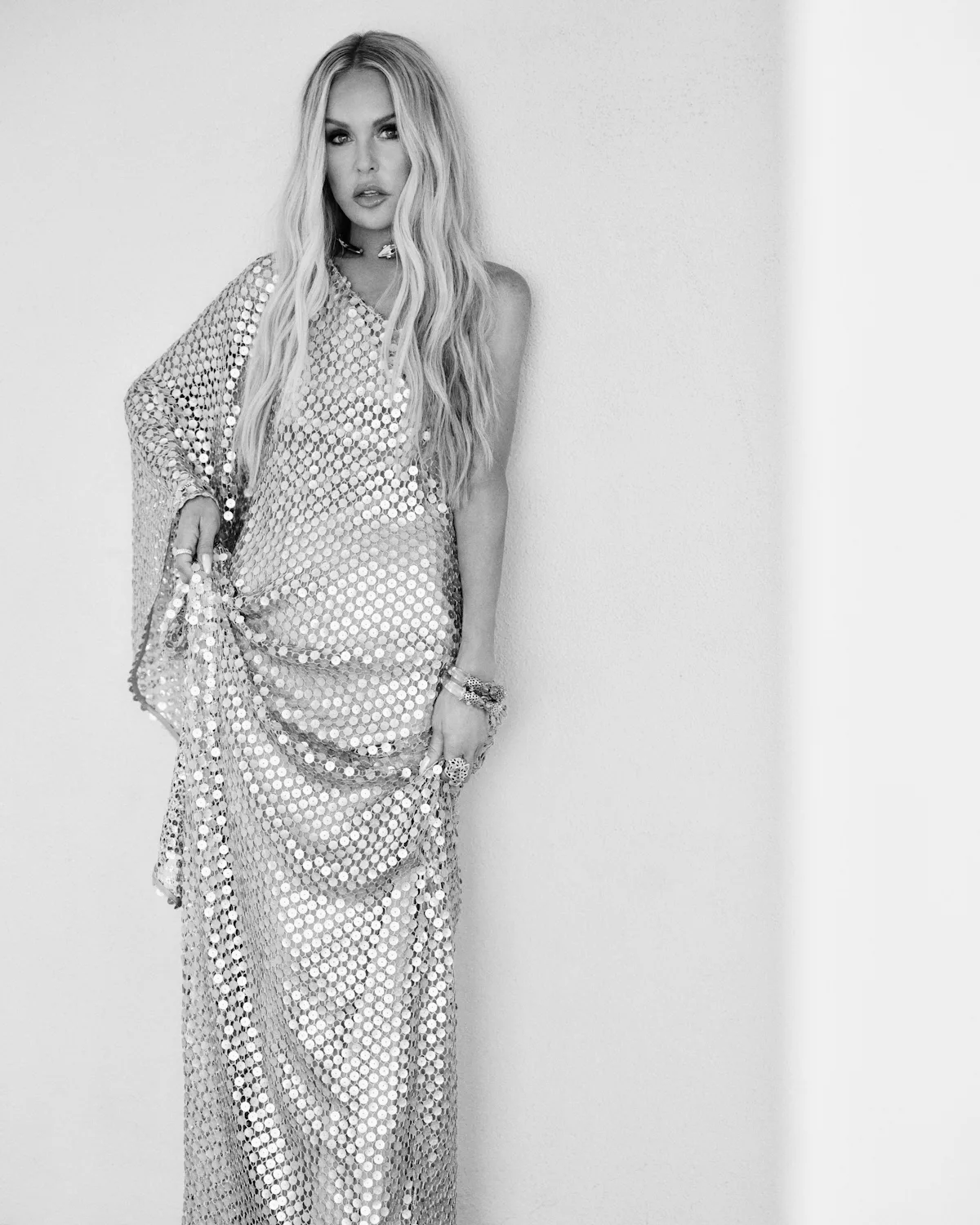
You were obviously a pioneer in the reality TV space with The Rachel Zoe Project. What’s it like to be part of an ensemble?
I actually really like being in an ensemble because it’s not always on me, which is great because I do have another 20 jobs right now, and I’m a single mom to two kids. Doing The Rachel Zoe Project right now would be unfathomable in many ways. [My first season on RHOBH] was different because it was shot during the summer, my kids were at camp, and in terms of events and work, it was much quieter. And now I’m in the thick of it filming and it is, like, wow. It is a lot. Emotionally and physically, being in an ensemble is right at this moment.
Is there any world in which you would reboot The Rachel Zoe Project?
Oh my goodness, can you even imagine that right now? I’m going to New York for fashion week, and every time I’m at fashion week, I think about my show — about surviving those five years of being on camera five days a week during production. It’s wild. I think the greatest lesson I’ve learned in my life is to never say never to pretty much anything. So I think TBD. Let’s see. Should I say anything’s possible?
I’m secretly hoping for it.
What I am so incredibly grateful for is how many times people are like, “I became a stylist because of your show. I didn’t even know what this job was, but I did because of your show.” The impact astounds me. I don’t think I could go a few days without someone, either on social or when I’m traveling, telling me how much they miss the show and what effect it had on their lives. Just as mothers or as working women who were going through a time in their life — whether chemotherapy or depression — and what it did for them. Or even just running into guys that are investment bankers who are like, “I loved your management style.”
And then I also think about how [the show] highlighted so many of my design heroes — the moments I had with Oscar de la Renta, Karl Lagerfeld, Donatella Versace. Those were obviously my favorite moments. But what I don’t want to look back on is the drama with old assistants and people that just were so toxic in my life.
Whether on The Rachel Zoe Project or RHOBH, you’ve always been very honest about what’s happening in your life, which I think people respect you for. And with RHOBH, viewers were particularly moved by how you talked about navigating your divorce and the big, painful life changes that come with that. How did you approach talking about those things on camera?
You probably know me well enough to know I wing almost everything in my life. When I joined RHOBH, I went in blind and didn’t know half the women, really, at all. I had never seen the show, so I didn’t really understand how it worked. I signed my contract and started shooting the next day. The truth of it is not one thing you saw was scripted. What I was speaking about was what I was living in the moment — with a mic on.
And there were things that I said openly that I don’t regret because, honestly, the overall message that I’ve gotten is that it helped so many women feel less alone and also inspired a lot of women to leave bad situations. It’s the same way I feel about The Rachel Zoe Project. The goal is helping as many women as possible — always has been. That, to be honest, more than even being a stylist, was my actual dream. Now it’s taken on a new iteration, right? You have to do what you want and what makes you happy because time is very precious. Like, “What am I holding this back for?” It was never to try and hurt my ex or try and make a scene of his life. My kids were not scripted, I was not scripted, and it was just like, how do we feel about what’s happening? It was brutal. There are still days that are brutal. It’s almost like I couldn’t not speak because it’s what I was living.
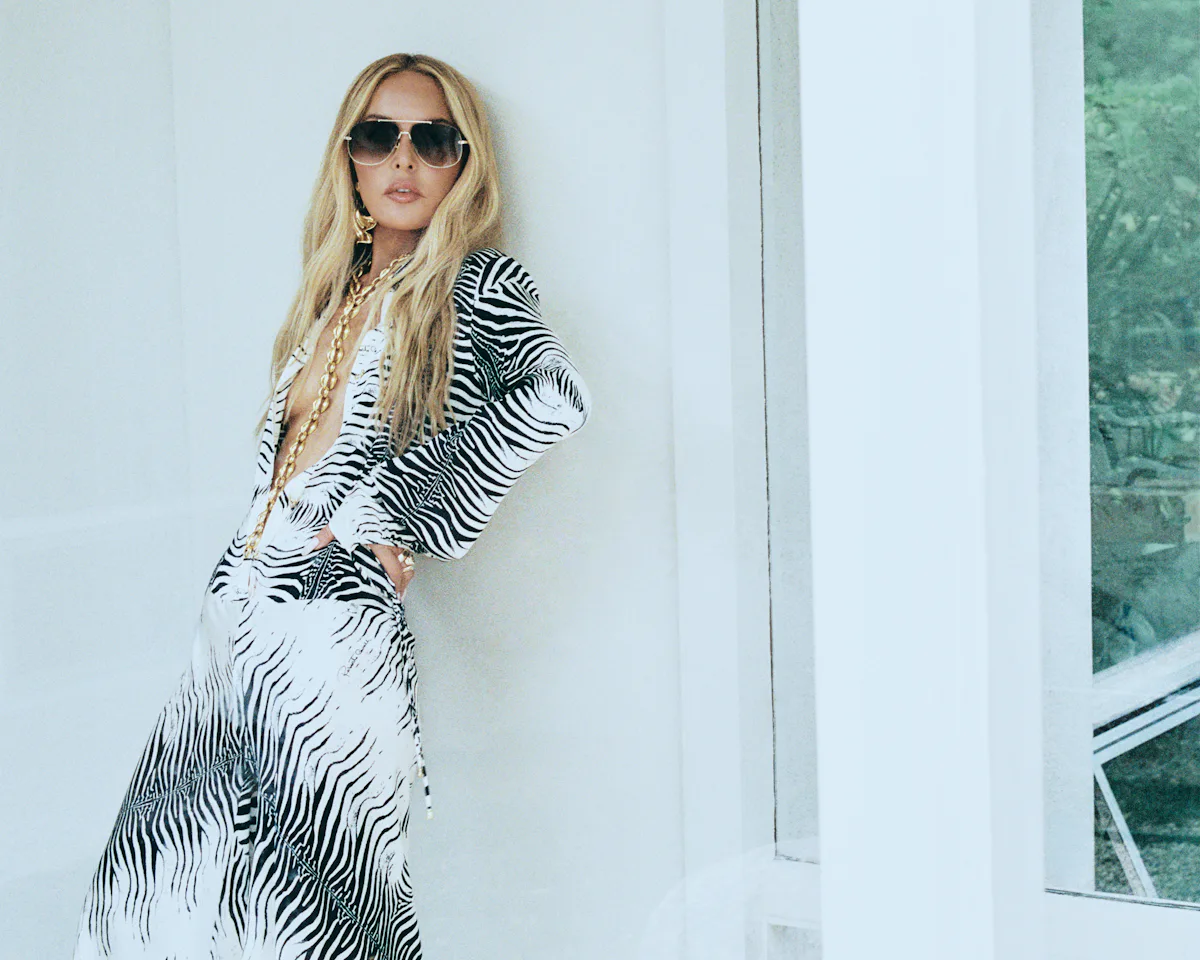
Reality TV is a different beast than it was when you got started — there’s the show itself, and now there’s the whole social media world around it. Do you engage with it? How do you protect your peace and your confidence?
I typically [don’t read] headlines about me. I will glance if it comes across my social feed or my team tells me about it, but I don’t typically let it bother me because 99.9% of the time there’s no truth to it. I know everything they’ve said about my divorce so far has been not true. I think 10, 15 years ago, it would’ve taken me down. In the tabloid era, I would hide behind closed doors and just sob. It was hard because you had no control over changing the narrative. Now you can tell your own truth. That’s the positive side of social media — you can control your own voice. You can’t control the narrative, but you at least have the opportunity to speak your mind.
Let’s talk about your boys. Motherhood has been such a turning point in your life. What have your children taught you?
Honestly, they say that you kind of relearn life through your kids’ eyes. I have kids with very old souls, especially my little one. He’s just so wise. They both are. Skyler was saying these things at my birthday dinner the other night, and I just sat there frozen. I was like, “Where are these children coming from?” They’re so perceptive.
The funny thing about boys — and I have a tween and a teen — is they’re not as verbal sometimes about their feelings and their thoughts. They don’t always feel the need to say things so descriptively. But when they do, you’re just like, “Wow — so that’s what you’re thinking. That’s what you’re feeling.” And it’s been such a lesson in strength and resilience because sometimes Sky will just be like, “Yeah, mom, but you don’t need to worry about that.”
There’s just so many things they teach me every day. I mean, Kaius just comes out with these profound quotes. Literally, he'll just come downstairs and be like, “Mom, comparison is the thief of joy.” He told me on my birthday that I protect them like a soldier does his comrades. Like, “Right, yes, because I would take a bullet for you guys.” I wouldn’t have done the show, I wouldn’t have done half the things I do without meeting with them. I always call family meetings when we have to make plans or decisions. I just think it’s important with this generation to involve your children in decision-making because the way we grew up, our parents made the decisions and we just did whatever.
I just approach parenting very differently — not to say my parents aren’t the best parents on planet Earth, but it’s just a different time. I dance that line: My children are my best friends, but there’s also a definite respect for the authority that I have as their mother. Thankfully, they haven’t abused that, but if they do, then that shifts, right?
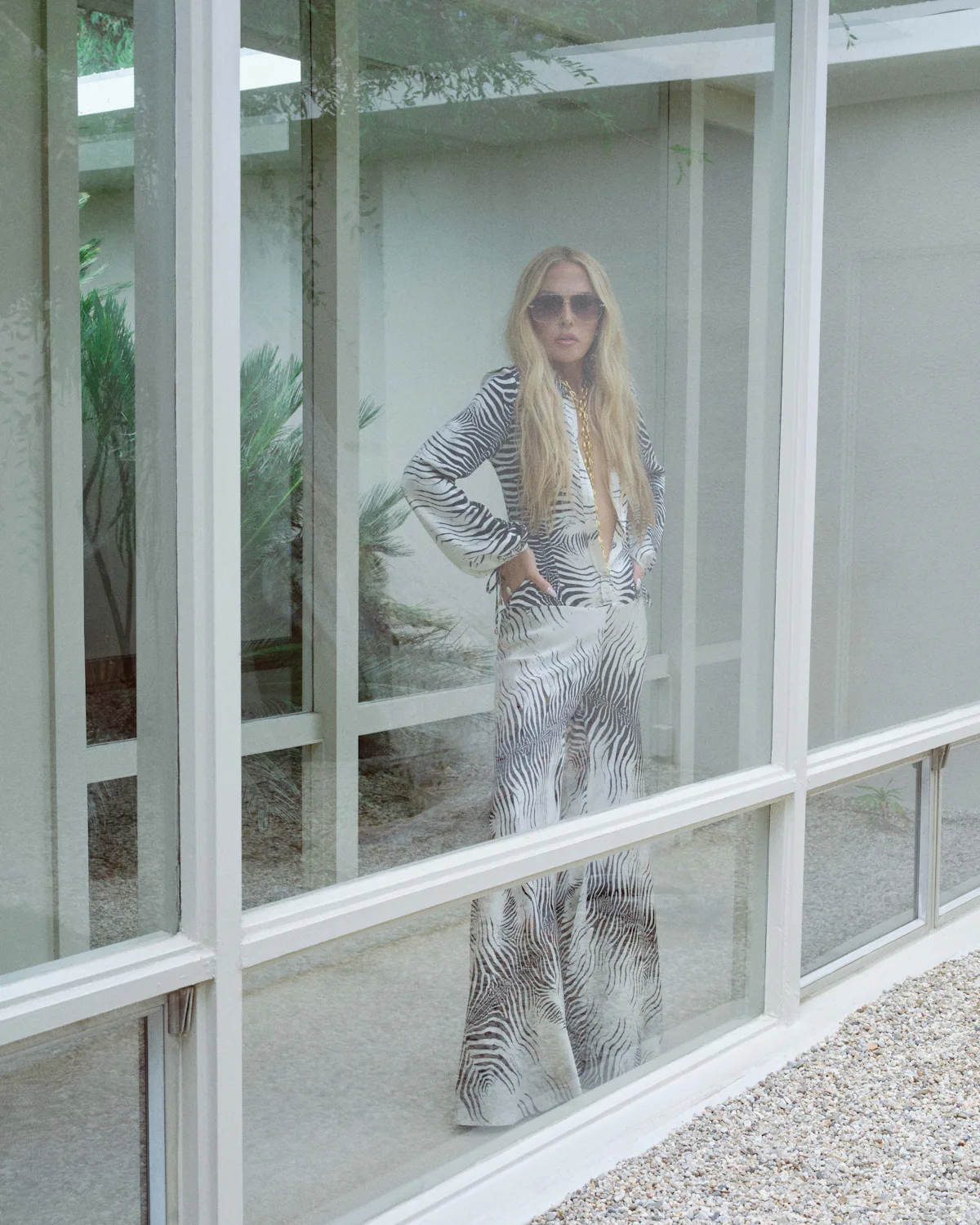
It seems like you’re their safe space. At the photo shoot, you were talking about how your boys sometimes just want you in the room with them. They’ll call you upstairs and be like, “Mom, come up here.”
It’s true. A friend of mine with teen boys told me a couple of years ago, “Sometimes they just want to know you’re there.” I know exactly what she means. That’s their love language. That’s their way of being like, “I need you.”
When I was first hired at The Zoe Report, Kaius was a baby, so seeing him on the show with you is wild. He’s having these very intelligent conversations with your castmates, and I’m like, “I remember when you were being potty trained and running up and down the halls.”
Quite literally running up and down the halls. He’s 12 now. That is absolutely wild. I forgot that Sky was on the last season of my first show. He reminded me because his friends are watching The Rachel Zoe Project now, which is also bizarre. I’m like, “Oh God, don’t let them do that.” He’s like, “Mom, they love it.”
It's very strange to me now that this teen generation is binge-watching The Rachel Zoe Project. Recently at a vintage show, this girl who was 17 came up to me and was like, “You have a very young audience.” I was like, “What are you talking about?” She’s like, “Yeah, we all watch the show over and over and talk about it. We look at outfits and go to fashion week.” I was like, “Oh my God, I can’t even believe you relate to this at this age. It's wild.” Everything is a bit surreal right now.
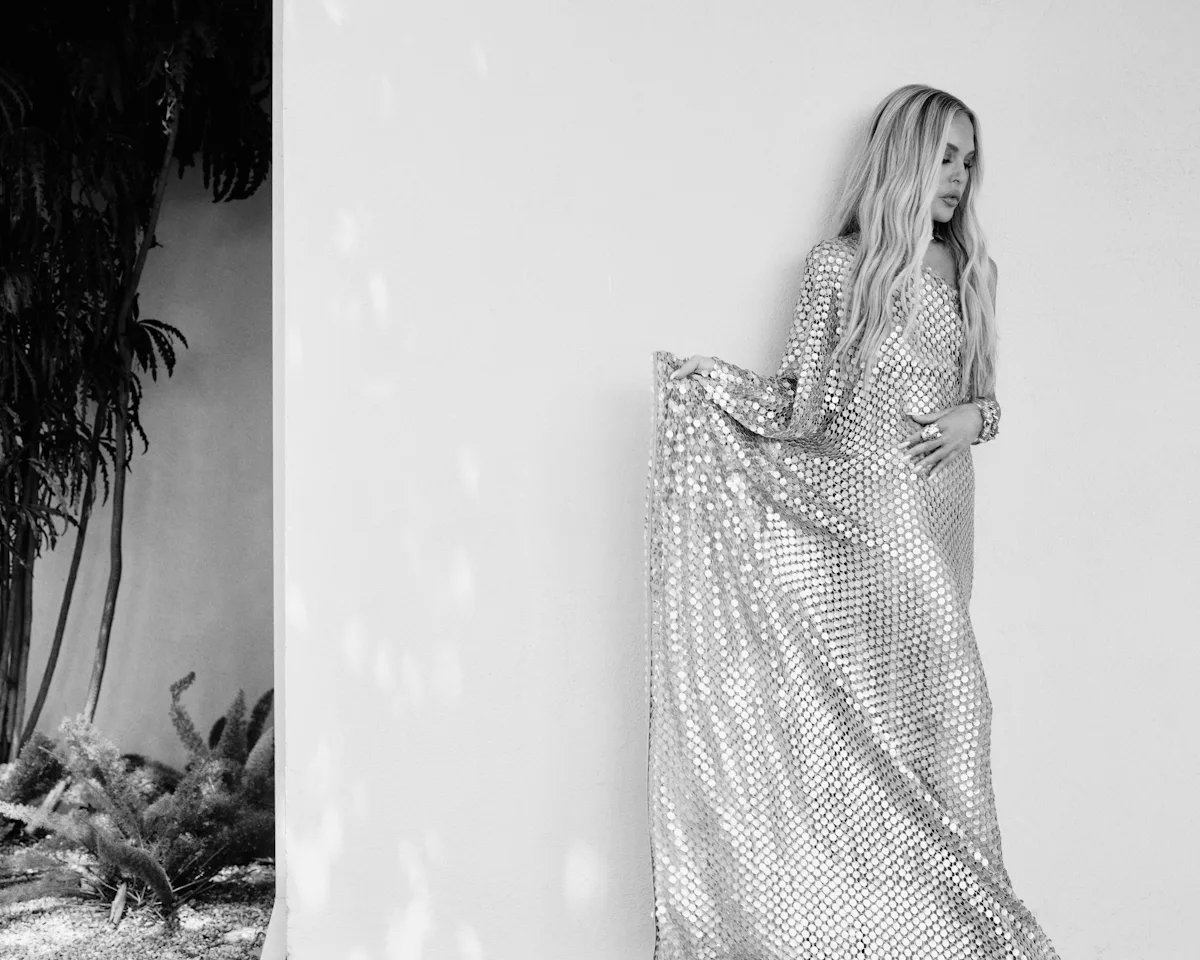
What did confidence look like when you were first starting your career, and how has that changed?
It’s so funny because people, even my closest friends, describe me as confident. And what is always fascinating to me is the perception you have of yourself versus how others perceive you, right? I would never describe myself as confident. But I don’t know that I’ve ever once walked onto a job with an “I got this” attitude. I’m over-pulled and over-prepped, and I still approach [every job] like it’s my first. I don’t know if that’s the same for everybody. I still always walk onto a job like this could be my last. If I f*ck this up, I don’t work again. You know what I mean? That was my approach to styling: giving this 2,000%. If they ask for five white T-shirt options, I’m probably going to have 50. It created so much more work, but feeling prepared to me is what brings confidence, and that applies to all aspects [of life].
But there are also things where I walk in [knowing] I’m better off winging — so maybe there is confidence in that? Like, knowing how to answer things because it’s the life I’ve lived. Even the photo shoot we did the other day: I know what I’m getting when I walk in. I can read that room. If I know that I’m going to be my authentic self in any situation, then I know I don’t have to prepare that much because it’s like, “OK, I’m me — so that’s going to be my answer. You may not like it.”
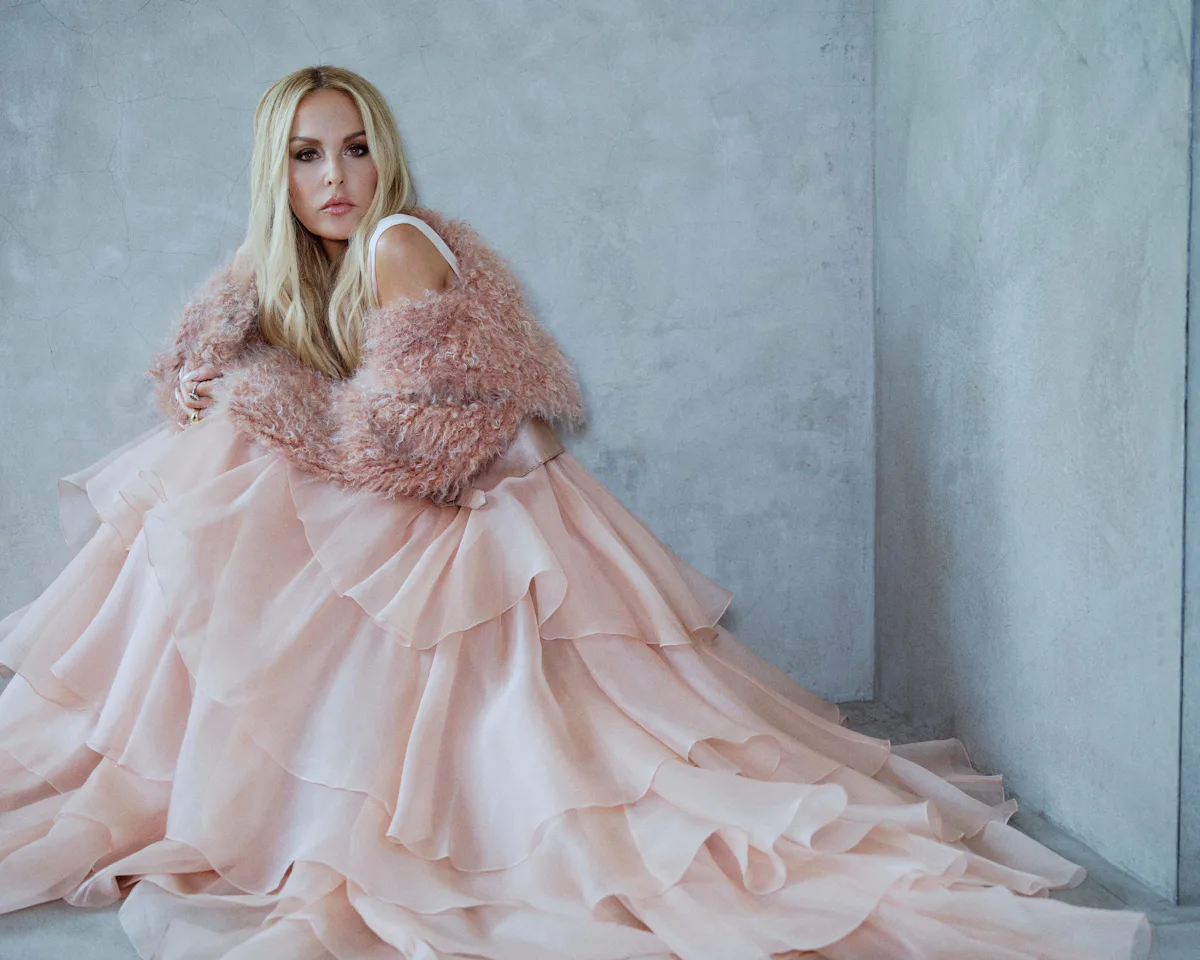
Do you think of yourself as a risk-taker?
I think it goes back to having so much experience in so many different areas in this industry. I have a lot of knowledge of a lot of things, and I have been burned so many times by toxic people on all sides. Some that have worked for me, some that have represented me, some that I’ve done partnerships with, some that I’ve done huge business deals with. But that’s life. And I think going through so much adversity toughens you and prepares you to walk in any room.
I definitely did not have that much confidence in the beginning, and now I walk in with this armor, like an emotional defense mechanism. You watch what you say around certain people. You know that if there’s a new person you're dealing with in your inner circle to be mindful of that. Do not assume the best of everyone because that’s how I entered my career — very naive. I’m definitely less naive.
And as Gwyneth Paltrow says, you give less of a f*ck. Sorry to say that, but you just do. You’re just like, I know who loves me. I know who I love. I know who has my back. I know whose backs I have. And I think on top of that, becoming a mother, you’re just like, what matters more than my children? And that approach has gotten me through so many hard times.
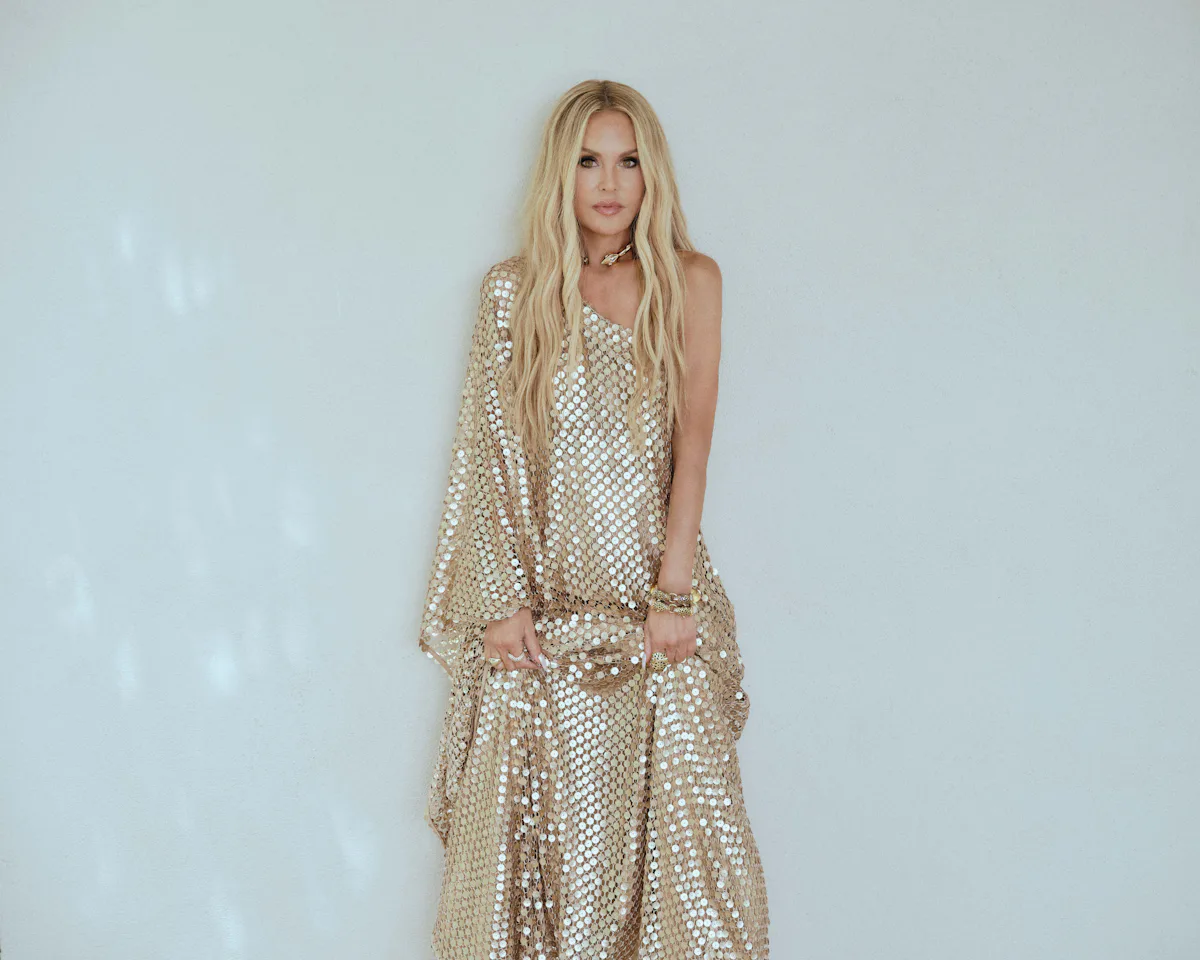
In that vein, I know and love your stance on age — not speaking to it or letting a number define you — but do you feel a responsibility to talk about aging?
I feel that age can be controlling if you let it be. And I think if you start to obsess over your age, then you start to make excuses for things in your life and how you choose to live it. I feel like the minute you start to go, “Oh, I’m so hormonal” or “I’m this or that,” then your body starts to react to that, and so does your mind.
But there’s another way to look at it where you say, “OK, this is my age, but I’ve never felt stronger. I’ve never felt better. I’ve never felt happier. I’ve never had more energy. I’ve never been more confident in my own body and in my own mind.” Because I have more energy and passion and drive and fire now than I did 10, 12 years ago. The first 20 years of my career, I was moving like a speed train. People would be like, “Oh my God, you did this with Britney Spears or you did this with Cameron Diaz. That moment was so iconic.” And I’ll be like, “Wait, what?” And then I go back, like, “Oh my God, I totally remember that.” But it all happened fast, and a lot of sacrifice went with that.
Society assigns very specific definitions and expectations to each decade, especially for women. I just don’t want to subscribe to any of that.
Same. And that’s my thing. I think we all have to talk as girlfriends and be here for one another. But I don’t want to define my life, what I talk about, what I think about because of my age. And I mean, in my mind, I’m 37 forever. So that’s where I’m staying.
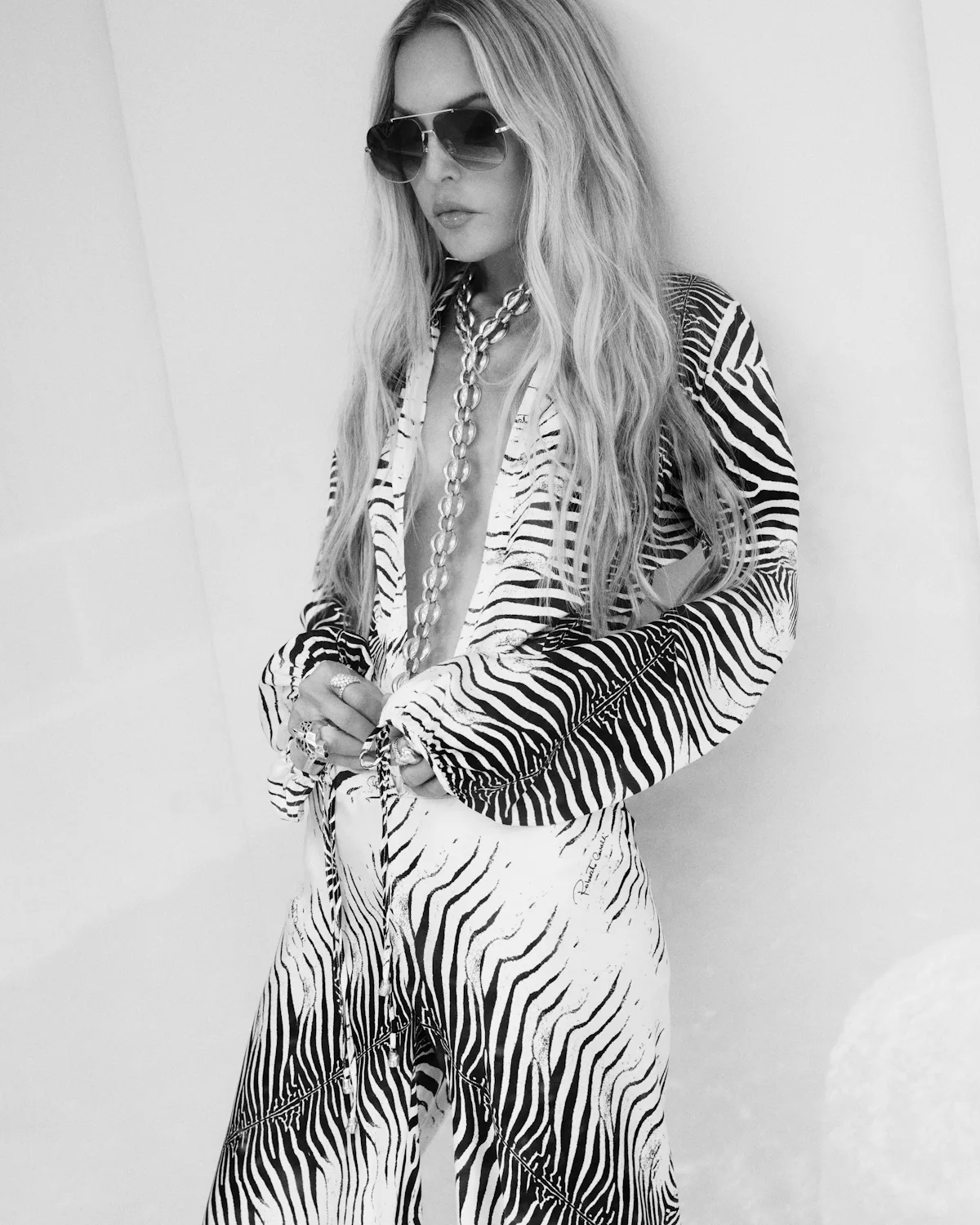
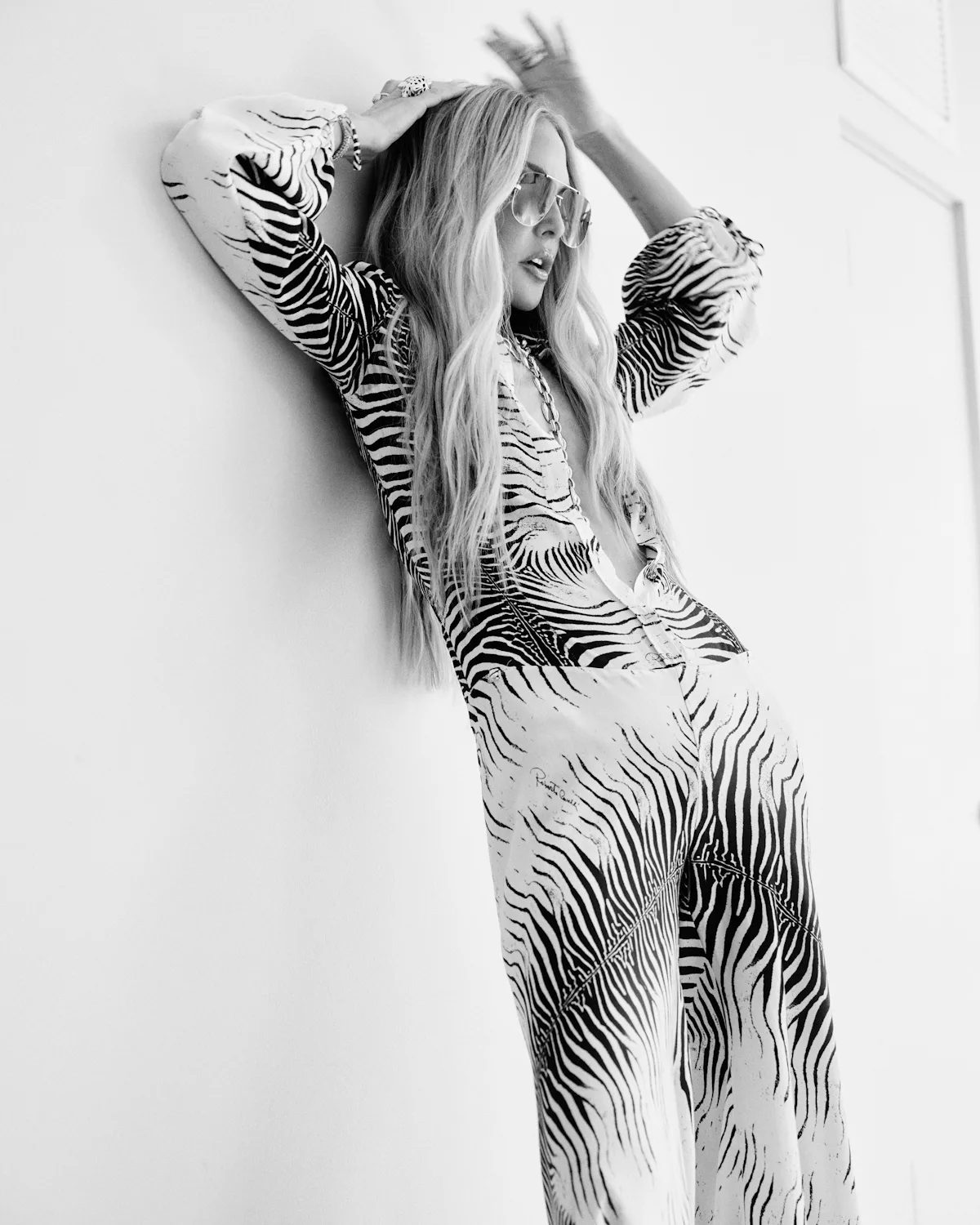
I want to know your thoughts on the new world of celebrity stylists. This career path was not something a lot people knew was even possible prior to The Rachel Zoe Project, and now stylists are stars in their own right.
It has changed so much, right? I obviously never intended to be famous because I became a stylist. If I intended to be famous, I would have been an actor or a singer. But to your point earlier about social media, anybody can have a platform, a voice, and a public persona now. Everyone — maybe not everyone, but I think most — has the overall mission of becoming a brand.
And it’s for many reasons. One, social media is the portfolio: So now you have a social media following that you can build, and you could potentially have millions of people that see your work. Some clearly want to be famous even more than they want to be an artist. And I think you can see who’s who in that, right? But I think that a lot of these artists and stylists — specifically hair, makeup, estheticians — are coming out with products because they realize that if, God forbid, they can’t do their job anymore, that they have a product that backs them up. But I mean, look at Gucci Westman. She has the most incredible makeup product line, and she’s still doing a million celebrities. You can absolutely do both. It just shows that certain artists still love what they do, but some of them do it because they don’t want to only rely on a freelance lifestyle. It can be tenuous. It can be scary.
The celebrity stylist has changed, but the industry has changed. There’s a lot of pay-to-play. They work directly with the design houses. A lot of them have exclusives and can only work with those design houses. I’ve also heard that the way that they’re paid is different now in terms of rates and also who pays them. I think some of them want to be the talent, and some shift into being the talent at some point. And then some really just want to be stylists and are very behind-the-scenes. It really is across the board.
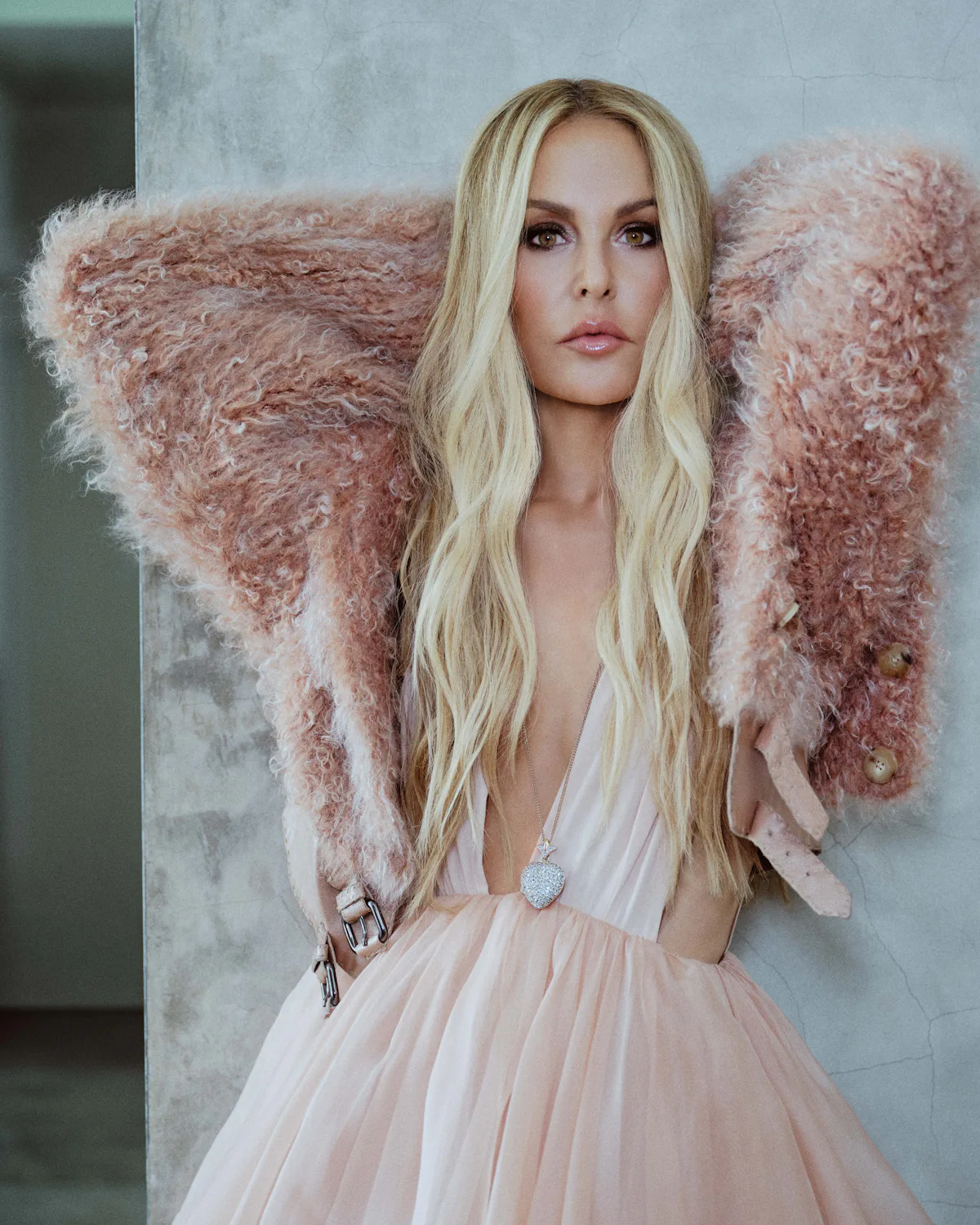
Do you feel like you left the styling world at a good time?
It was definitely time to pause. I had 10 jobs. I was running my businesses. I had two very young children, and it was just impossible. Styling for me, truthfully, it’s at the core of who I am. It’s like a drug for me. I can’t do it a little. When I tapped back into it a few years ago, I was working on a client for the Cannes Film Festival, and I was literally up all night on the phone with Chanel at 4 a.m. and on FaceTime at 3 a.m. trying to be in the fitting when I knew I couldn’t be.
I realized in that moment that if I’m going back into styling, I have to be all in. But it is at the root of everything I do. Even when we were on our shoot for The Zoe Report, I’m styling myself — I’m looking at jewelry and figuring out how to style it for each look. Then throughout my career as a designer and now with 50 licenses, everything is through that lens as a stylist. I would maybe go back to it, but I really would have to do it with a client that was collaborative and fun. Someone that could create art with me.
Who would get you back into the styling world with one phone call?
Margot Robbie, for sure.
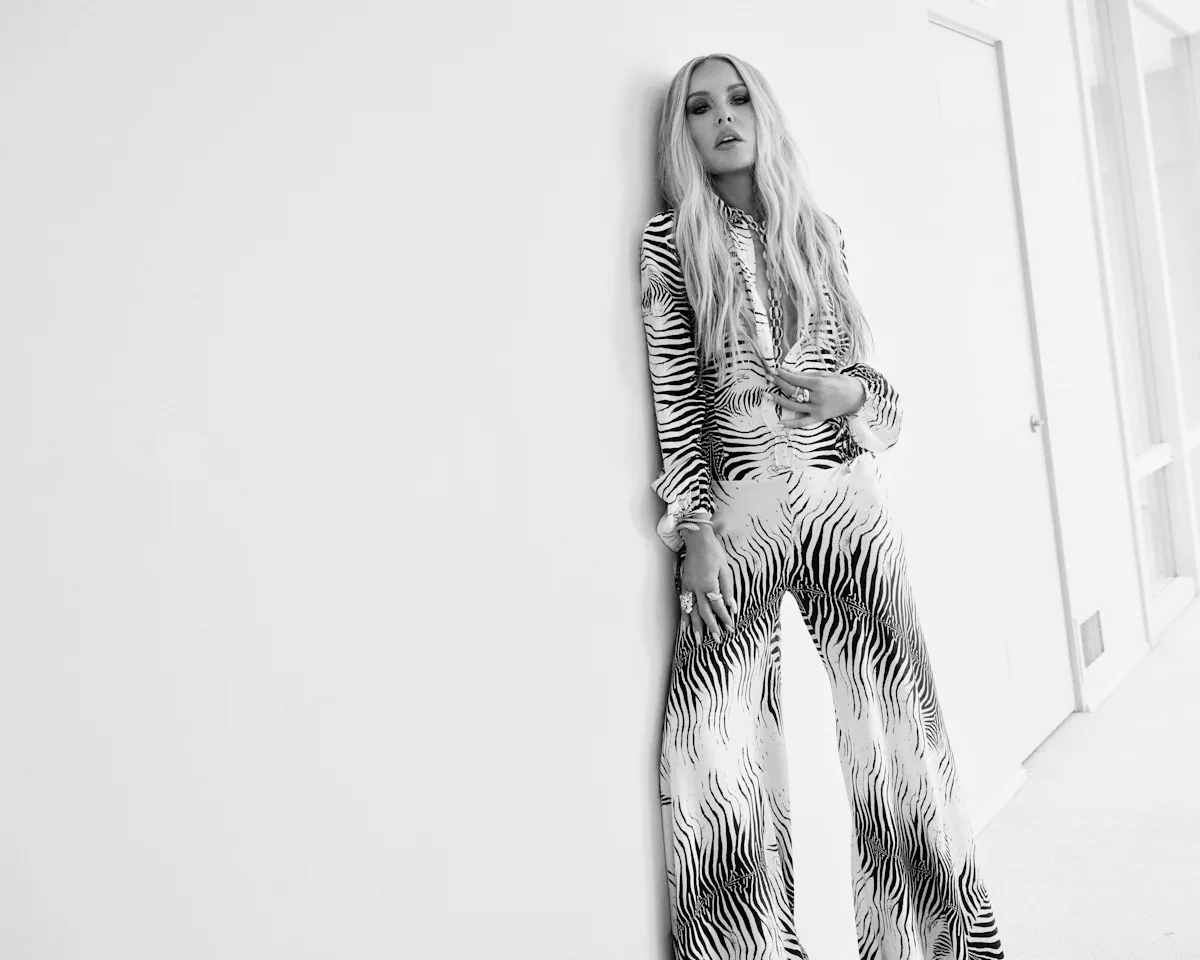
Good one.
I mean, that would be just fun. Sienna Miller, Zoë Kravitz, people that I think have an understanding of the art of fashion and red carpet and the melding of that. Dakota Johnson, I think would be really fun.
Are you in a group chat with other stylists in the game?
No, but I have fun with some. I mean, sometimes they’ll text me for my thoughts, or if I post something I love, they’ll text me to thank me. But I have friends like Rob Zangardi and Mariel Haen, Karla Welch, Dani Michelle, Maeve Reilly, Samantha McMillen, Erin Walsh.
Do they keep you in the loop on all the styling gossip?
No, no, I am so out of that. I mean, they will if I ask, but I don’t. Listen, I think that goes back to the whole confidence thing. I think the more you protect your peace, the more confident you can be because you take yourself out of the petty drama.
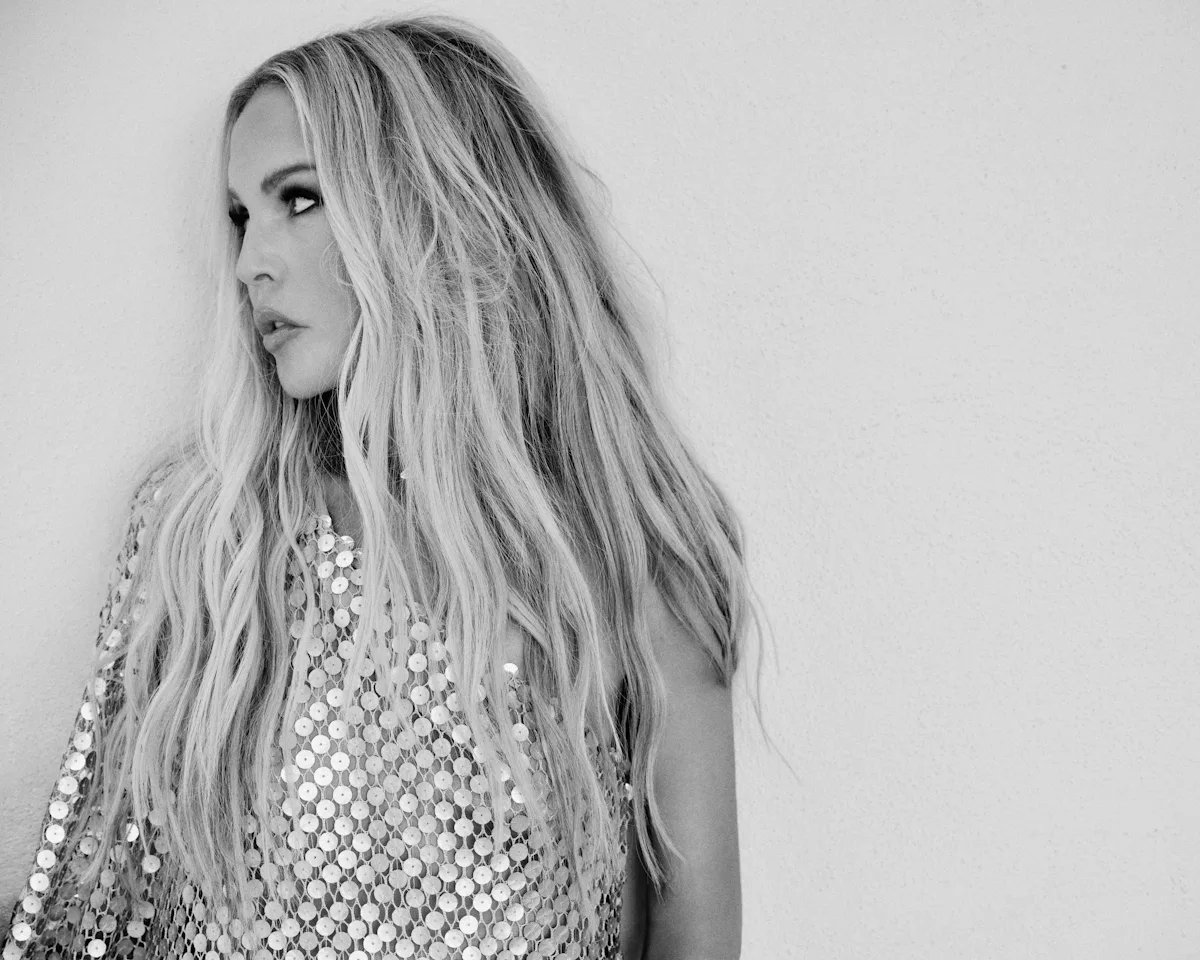
Let’s talk about The Zoe Report. It started as a newsletter in 2009 and has transformed into something so different. What are your thoughts on the current state of fashion media?
The Zoe Report was certainly one of the early online fashion and beauty destinations. It’s a pioneer in that space, for sure — us, Goop, and a few others, because pretty much every print publication is now either jointly digital or solely digital. There’s obviously still some great ones out there, but you have to be nimble and willing to acclimate and change with the landscape of what happens in media, in fashion, in beauty, in tech, in AI — in all of it. If you don't change, you will not win.
You have to stay true to the brand but be willing to be open-minded in how people want to consume content and media and what that even means. People aren't reading. They’re not looking at 30-minute content online. It’s 30 seconds. I hope the pendulum swings and people want to stay with you longer, but for now you have to engage the audience quickly.
What are you reading and subscribing to right now?
Oh, lady. I haven’t read a book since before my kids were born. I mean, I barely can read a long email. I am moving at such a fast pace right now, anything that I’m reading is something I’m clicking into. Anything I’m learning is on my phone on social. That’s just the truth for me right now.
Read on the original site
Open the publisher's page for the full experience